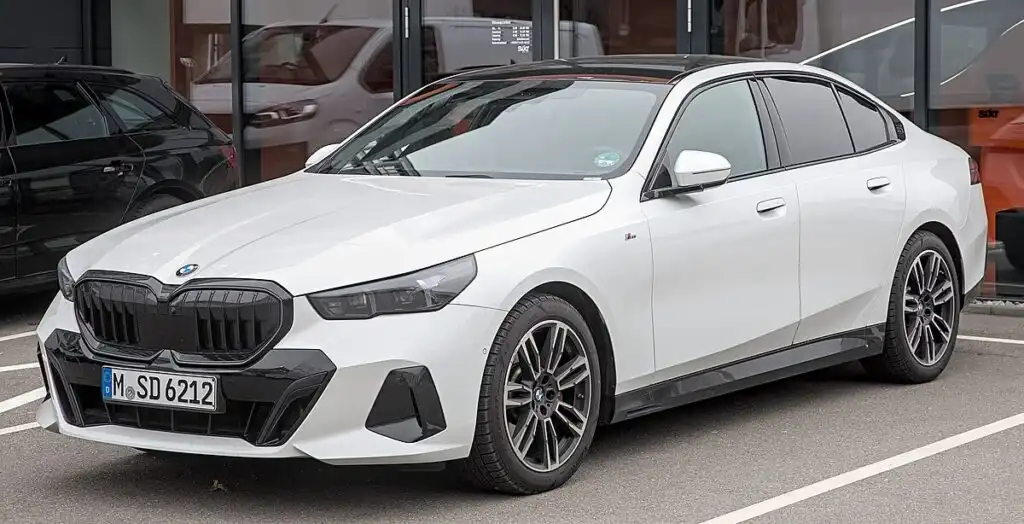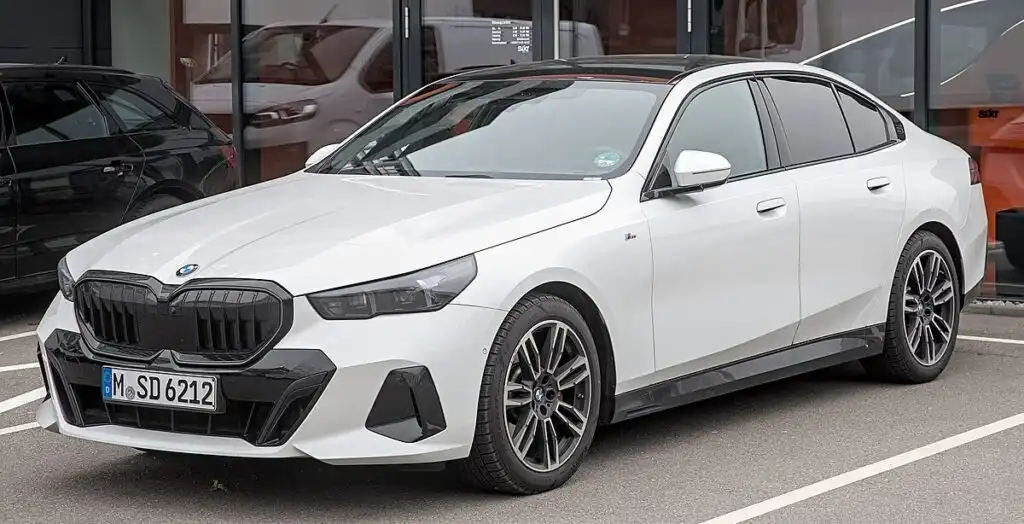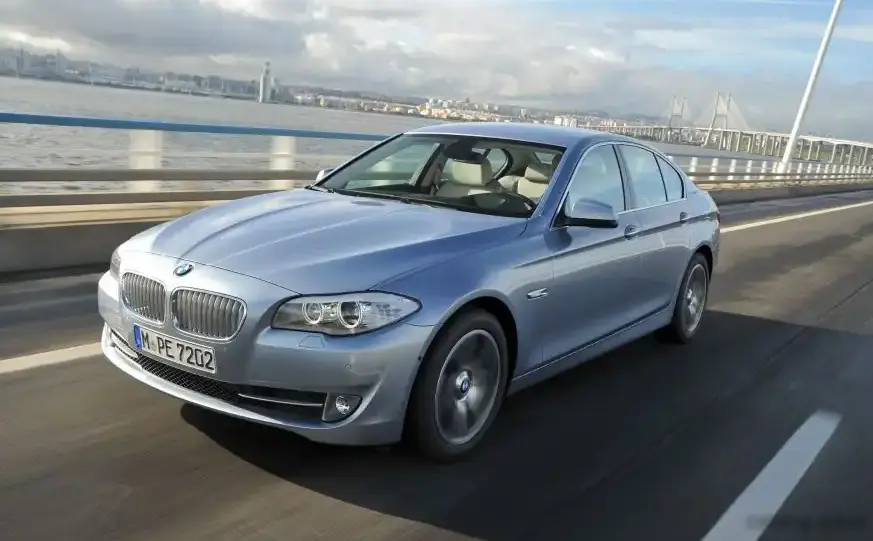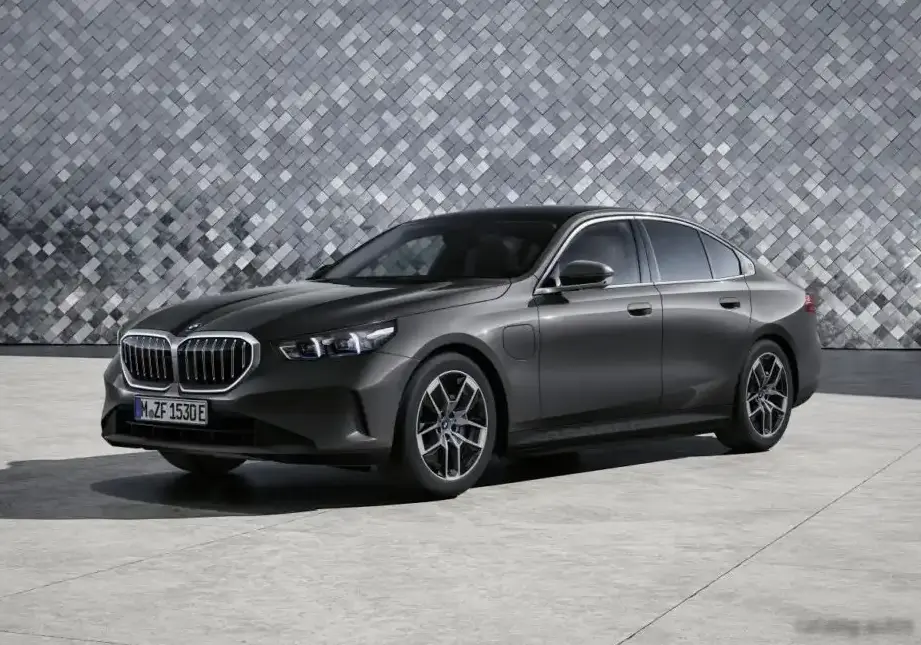
The BMW 530e (G60), introduced in November 2023, represents the sixth generation of BMW’s iconic 5 Series, specifically the plug-in hybrid variant. Positioned as a mid-range offering within the G60 lineup, it bridges the gap between the base 520i and the more performance-oriented M550i. The 530e is built on the BMW Group’s flexible architecture, offering a blend of luxury, efficiency, and moderate performance. It’s primarily targeted towards buyers seeking a premium executive sedan with reduced emissions and the convenience of electric driving for shorter commutes.
Technical Specifications
| Brand | BMW |
| Model | 5 Series |
| Generation | 5 Series Sedan (G60) |
| Type | 530e (299 Hp) Plug-in Hybrid Steptronic |
| Start of production | November, 2023 |
| Powertrain Architecture | PHEV (Plug-in Hybrid Electric Vehicle) |
| Body type | Sedan |
| Seats | 5 |
| Doors | 4 |
| Combined fuel consumption (WLTP) | 0.6-0.8 l/100 km (392 – 294 US mpg, 470.8 – 353.1 UK mpg, 166.7 – 125 km/l) |
| CO2 emissions (WLTP) | 13-17 g/km |
| Fuel Type | Petrol / electricity |
| Acceleration 0 – 100 km/h | 6.3 sec |
| Acceleration 0 – 62 mph | 6.3 sec |
| Acceleration 0 – 60 mph | 6 sec |
| Maximum speed | 230 km/h (142.92 mph) |
| Emission standard | Euro 6e |
| Weight-to-power ratio | 6.7 kg/Hp, 149.1 Hp/tonne |
| Weight-to-torque ratio | 4.5 kg/Nm, 224.4 Nm/tonne |
| Gross battery capacity | 22.1 kWh |
| Net (usable) battery capacity | 18.7 kWh |
| Battery voltage | 348 V |
| Battery technology | Lithium-ion (Li-Ion) |
| Battery location | Below the floor |
| All-electric range (WLTP) | 93-103 km (57.79 – 64 mi) |
| Average Energy consumption (WLTP) | 19.9-21.7 kWh/100 km (32.03 – 34.92 kWh/100 mi, 105 – 96 MPGe, 5 – 4.6 km/kWh, 3.1 – 2.9 mi/kWh) |
| Max speed (electric) | 140 km/h (86.99 mph) |
| Electric motor power | 184 Hp @ 7000 rpm (184.39 lb.-ft. @ 100-5500 rpm) |
| Electric motor Torque | 250 Nm @ 100-5500 rpm |
| Electric motor location | Between the combustion engine and the transmission |
| Electric motor type | Synchronous |
| System power | 299 Hp |
| System torque | 450 Nm (331.9 lb.-ft.) |
| Power | 190 Hp @ 4400-6500 rpm |
| Torque | 310 Nm @ 1500-4000 rpm (228.64 lb.-ft. @ 1500-4000 rpm) |
| Engine layout | Front, Longitudinal |
| Engine Model/Code | B48B20V |
| Engine displacement | 1998 cm3 (121.93 cu. in.) |
| Number of cylinders | 4 |
| Engine configuration | Inline |
| Cylinder Bore | 82 mm (3.23 in.) |
| Piston Stroke | 94.6 mm (3.72 in.) |
| Compression ratio | 11.6:1 |
| Number of valves per cylinder | 4 |
| Fuel injection system | Direct injection |
| Engine aspiration | Twin-power turbo, Intercooler |
| Valvetrain | VALVETRONIC, Double-VANOS |
| Engine oil capacity | 5.25 l (5.55 US qt | 4.62 UK qt) |
| Kerb Weight | 2005 kg (4420.27 lbs.) |
| Max. weight | 2655 kg (5853.27 lbs.) |
| Max load | 650 kg (1433 lbs.) |
| Trunk (boot) space – minimum | 520 l (18.36 cu. ft.) |
| Fuel tank capacity | 60 l (15.85 US gal | 13.2 UK gal) |
| Max. roof load | 75 kg (165.35 lbs.) |
| Permitted trailer load with brakes (12%) | 1800 kg (3968.32 lbs.) |
| Permitted trailer load without brakes | 750 kg (1653.47 lbs.) |
| Permitted towbar download | 100 kg (220.46 lbs.) |
| Length | 5060 mm (199.21 in.) |
| Width | 1900 mm (74.8 in.) |
| Height | 1515 mm (59.65 in.) |
| Wheelbase | 2995 mm (117.91 in.) |
| Front track | 1680 mm (66.14 in.) |
| Rear (Back) track | 1716 mm (67.56 in.) |
| Front overhang | 945 mm (37.2 in.) |
| Rear overhang | 1120 mm (44.09 in.) |
| Ride height (ground clearance) | 146 mm (5.75 in.) |
| Drag coefficient (Cd) | 0.24 |
| Minimum turning circle (turning diameter) | 12.3 m (40.35 ft.) |
| Drivetrain Architecture | The Internal combustion engine (ICE) and electric motor drive the rear wheels of the car with the ability to work in full electric or mixed mode. |
| Drive wheel | Rear wheel drive |
| Number of gears and type of gearbox | 8 gears, automatic transmission |
| Front suspension | Double wishbone |
| Rear suspension | Independent multi-link suspension |
| Front brakes | Ventilated discs |
| Rear brakes | Ventilated discs |
| Assisting systems | ABS (Anti-lock braking system) |
| Steering type | Steering rack and pinion |
| Power steering | Electric Steering |
| Tires size | 245/45 R19 |
| Wheel rims size | 8.5J x 19 |
Powertrain & Engine Architecture
The BMW 530e utilizes a 2.0-liter turbocharged inline-four cylinder engine (BMW B48B20V) paired with an electric motor integrated into the eight-speed Steptronic automatic transmission. The gasoline engine produces 190 horsepower and 310 Nm (228.64 lb-ft) of torque, while the electric motor contributes 184 horsepower and 250 Nm (184.39 lb-ft). Combined, the system delivers a total output of 299 horsepower and 450 Nm (331.9 lb-ft) of torque. The engine features direct fuel injection, a twin-scroll turbocharger, and BMW’s VALVETRONIC variable valve timing and Double-VANOS variable camshaft control systems. The 22.1 kWh (gross) / 18.7 kWh (net) lithium-ion battery pack is located under the floor of the vehicle, minimizing impact on passenger space. The electric motor is a synchronous design, chosen for its efficiency and power density. The Steptronic transmission is specifically calibrated to work seamlessly with the electric motor, providing smooth transitions between electric, hybrid, and gasoline power modes.
Driving Characteristics
The 530e offers a refined driving experience, prioritizing comfort and efficiency. In electric mode, the vehicle provides near-silent operation and brisk acceleration for typical urban driving. The combined output of the engine and motor delivers respectable performance, achieving 0-60 mph in approximately 6 seconds. The eight-speed automatic transmission is well-tuned, offering smooth and responsive shifts. Compared to the 530i (gasoline-only version), the 530e feels slightly heavier due to the battery pack, which can subtly impact handling dynamics. However, the lower center of gravity contributes to improved stability. The hybrid system intelligently manages power delivery, seamlessly blending the engine and electric motor for optimal efficiency and performance. The gear ratios are optimized for both electric and gasoline operation, providing adequate torque across a wide range of speeds.
Equipment & Trim Levels
The 530e typically comes standard with a high level of equipment, reflecting BMW’s premium positioning. Standard features include leather upholstery, power-adjustable front seats with memory function, a large infotainment display with iDrive 8 operating system, navigation, Apple CarPlay and Android Auto compatibility, and a suite of advanced driver-assistance systems such as lane departure warning, forward collision warning, and automatic emergency braking. Optional extras include premium sound systems, a panoramic sunroof, ventilated front seats, and a head-up display. Trim levels often vary by market, but generally offer packages that add cosmetic enhancements, additional driver-assistance features, and upgraded interior materials.
Chassis & Braking
The 530e utilizes a double-wishbone front suspension and an independent multi-link rear suspension, providing a comfortable and controlled ride. The suspension is tuned to balance handling performance with ride comfort. Ventilated disc brakes are standard on all four wheels, providing ample stopping power. The electronic stability control system (DSC) is integrated with the hybrid powertrain, optimizing brake regeneration and ensuring stability during cornering and emergency braking maneuvers. The steering is an electric power-assisted rack-and-pinion system, offering precise and responsive steering feel.
Market Reception & Comparison
The 530e has been generally well-received by automotive critics, praised for its fuel efficiency, refined driving experience, and luxurious interior. Compared to the 520i and 540i models, the 530e offers a unique blend of performance and efficiency. The 520i is more affordable but lacks the electric driving range and overall power of the 530e. The 540i provides significantly more power but at the expense of fuel economy. The 530e’s fuel economy is a major selling point, particularly for drivers who frequently commute in urban areas. Reliability has been generally good, although some owners have reported minor issues with the hybrid system components.
Legacy
The BMW 530e (G60) represents a significant step forward in BMW’s electrification strategy. The powertrain, while relatively new, benefits from BMW’s extensive experience in both gasoline engine technology and electric vehicle development. The long-term reliability of the hybrid system remains to be fully assessed, but early indications suggest that it is robust and durable. As demand for plug-in hybrid vehicles continues to grow, the 530e is likely to remain a popular choice in the premium executive sedan segment, offering a compelling combination of luxury, performance, and efficiency.