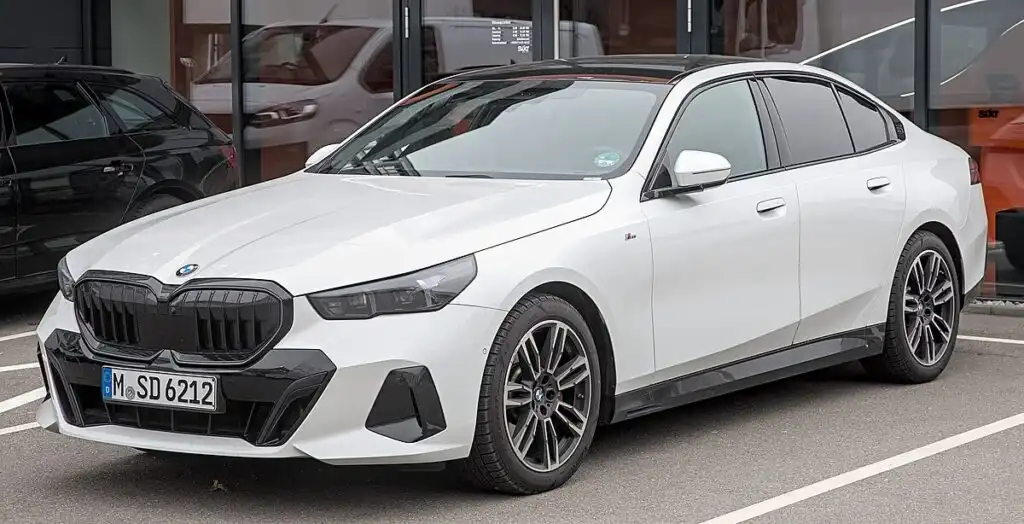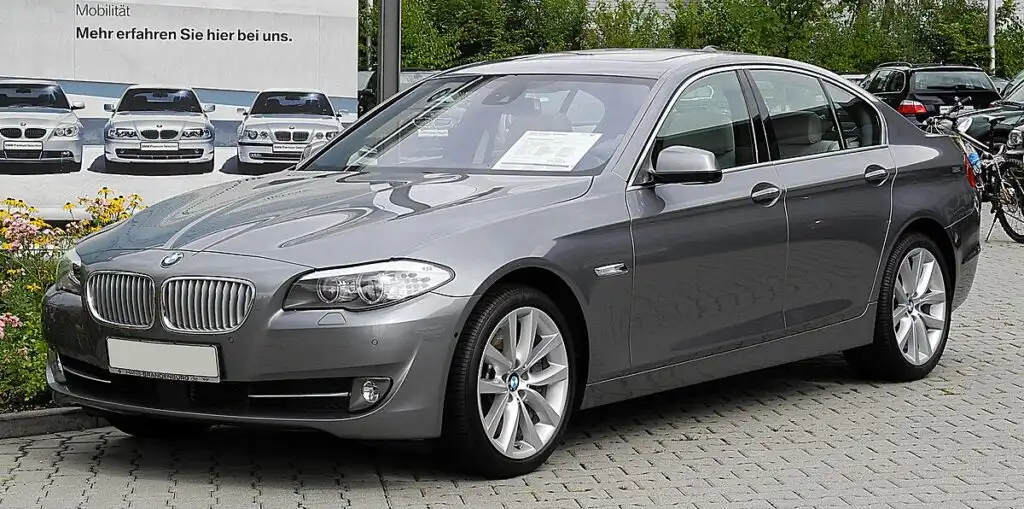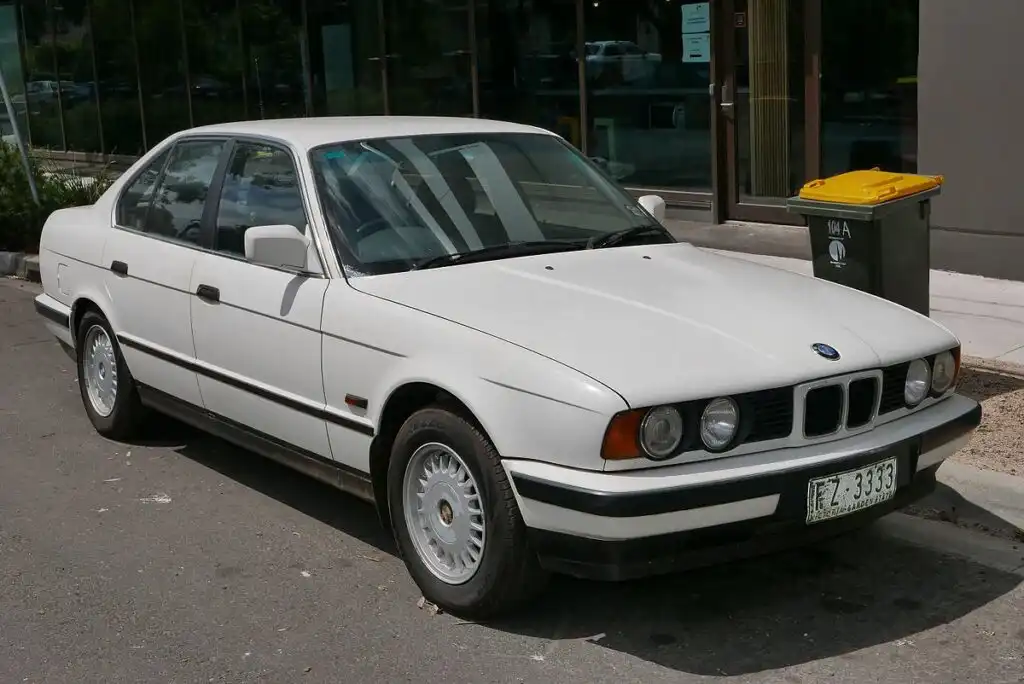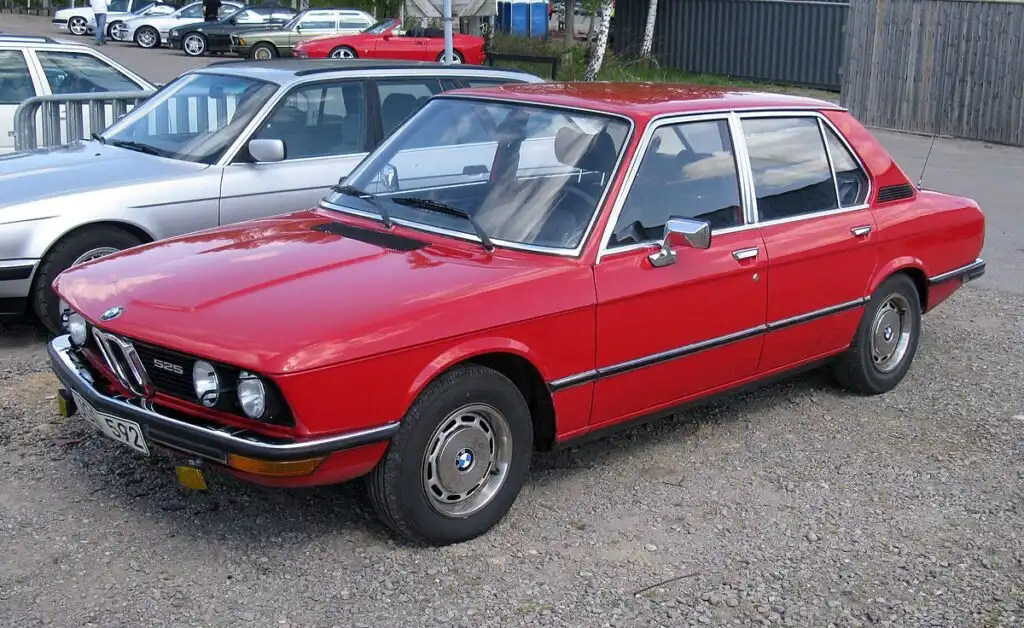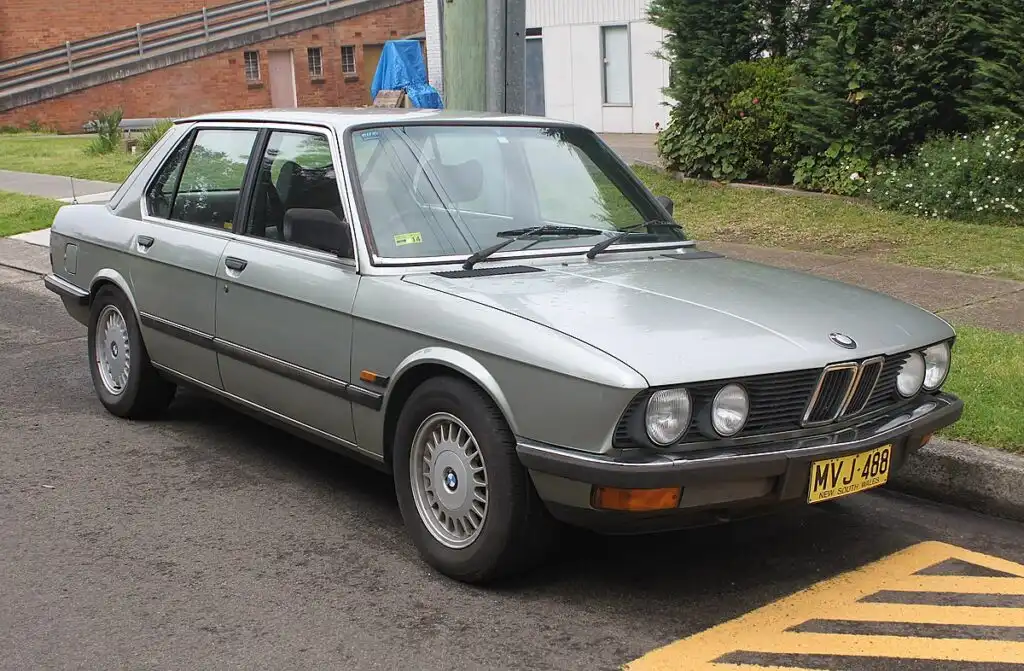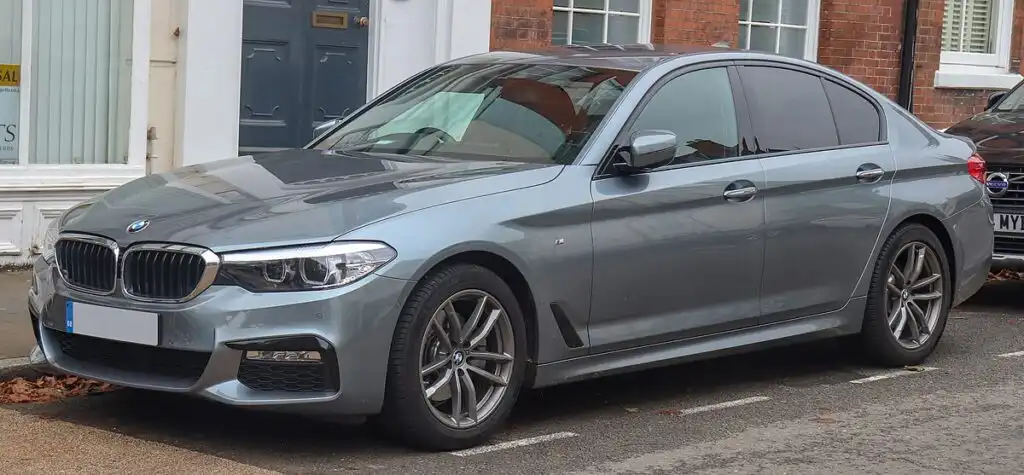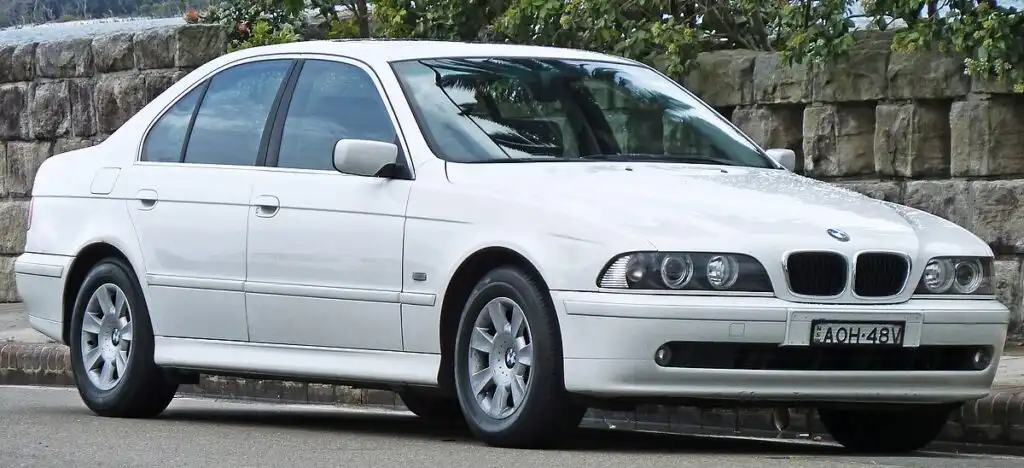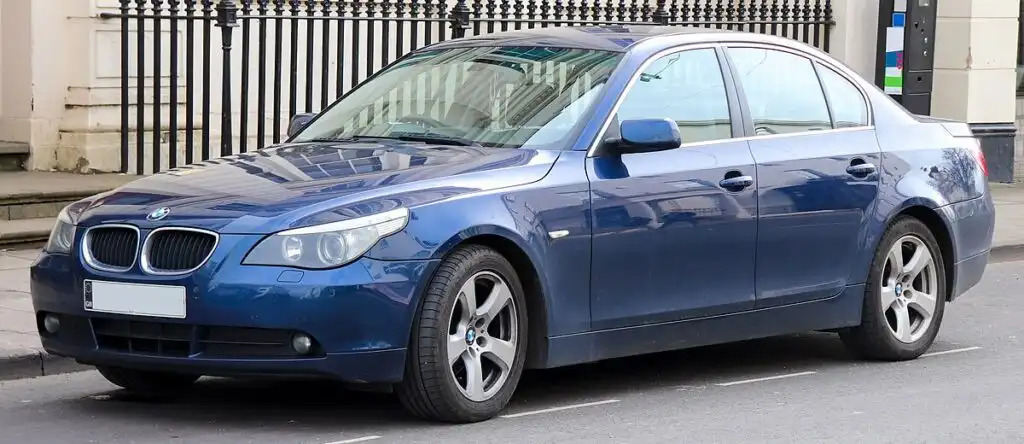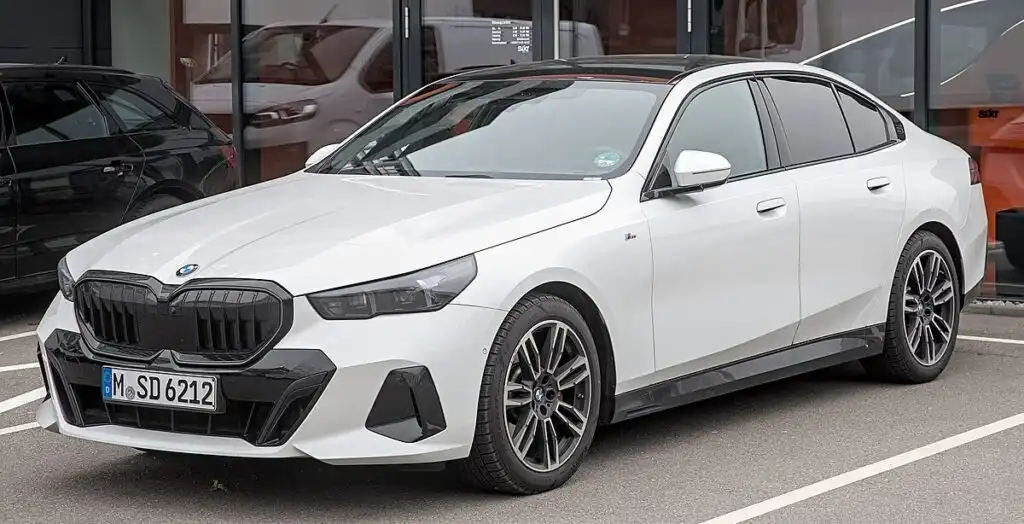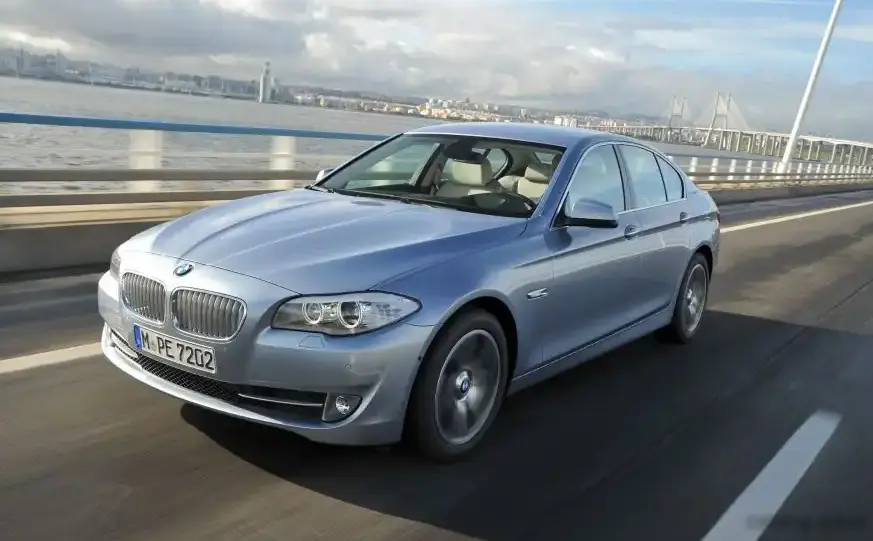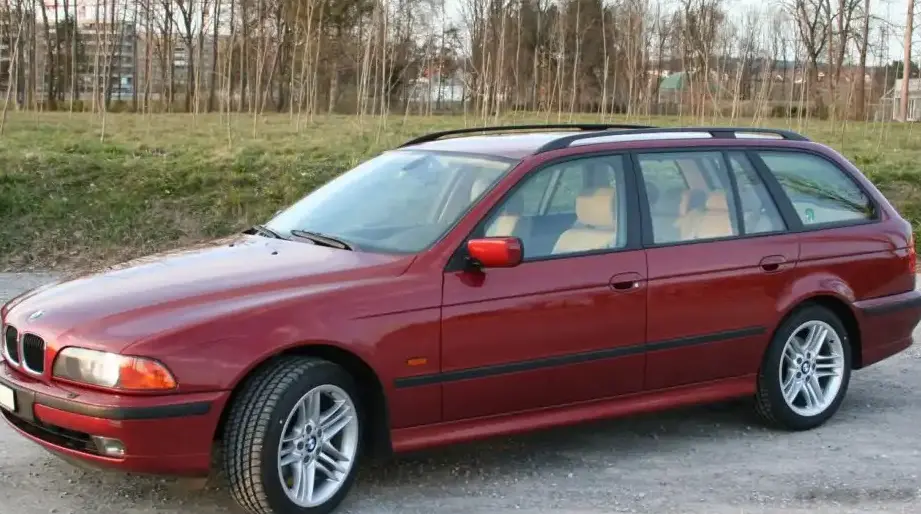
The BMW 5 Series Touring (E39) 520i, produced from 1995 to 1998, represents BMW’s entry point into the premium, mid-size station wagon (estate) market. Part of the E39 generation, which spanned from 1995 to 2003, the 520i offered a blend of practicality, comfort, and the renowned BMW driving experience. This variant was positioned as the more economical and accessible option within the 5 Series Touring lineup, appealing to buyers who prioritized fuel efficiency and a lower price point compared to the more powerful 528i and 540i models. It served as a popular choice for families and individuals seeking a versatile vehicle without sacrificing BMW’s core values.
Technical Specifications
| Brand | BMW |
| Model | 5 Series |
| Generation | 5 Series Touring (E39) |
| Type (Engine) | 520i (150 Hp) |
| Start of production | 1995 |
| End of production | 1998 |
| Powertrain Architecture | Internal Combustion engine |
| Body type | Station wagon (estate) |
| Seats | 5 |
| Doors | 5 |
| Fuel consumption (economy) – urban | 13.7 l/100 km (17.2 US mpg, 20.6 UK mpg, 7.3 km/l) |
| Fuel consumption (economy) – extra urban | 7.2 l/100 km (32.7 US mpg, 39.2 UK mpg, 13.9 km/l) |
| Fuel Type | Petrol (Gasoline) |
| Acceleration 0 – 100 km/h | 10.6 sec |
| Acceleration 0 – 62 mph | 10.6 sec |
| Acceleration 0 – 60 mph | 10.1 sec |
| Maximum speed | 212 km/h (131.73 mph) |
| Weight-to-power ratio | 10.5 kg/Hp, 95.5 Hp/tonne |
| Weight-to-torque ratio | 8.3 kg/Nm, 121 Nm/tonne |
| Power | 150 Hp @ 5900 rpm |
| Power per litre | 75.3 Hp/l |
| Torque | 190 Nm @ 4200 rpm (140.14 lb.-ft. @ 4200 rpm) |
| Engine layout | Front, Longitudinal |
| Engine Model/Code | M52B20 |
| Engine displacement | 1991 cm3 (121.5 cu. in.) |
| Number of cylinders | 6 |
| Engine configuration | Inline |
| Cylinder Bore | 80 mm (3.15 in.) |
| Piston Stroke | 66 mm (2.6 in.) |
| Compression ratio | 11:1 |
| Number of valves per cylinder | 4 |
| Fuel injection system | Multi-port manifold injection |
| Engine aspiration | Naturally aspirated engine |
| Valvetrain | DOHC |
| Engine oil capacity | 6.5 l (6.87 US qt | 5.72 UK qt) |
| Coolant | 10.5 l (11.1 US qt | 9.24 UK qt) |
| Kerb Weight | 1570 kg (3461.26 lbs.) |
| Max. weight | 2195 kg (4839.15 lbs.) |
| Max load | 625 kg (1377.89 lbs.) |
| Trunk (boot) space – minimum | 410 l (14.48 cu. ft.) |
| Trunk (boot) space – maximum | 1525 l (53.85 cu. ft.) |
| Fuel tank capacity | 70 l (18.49 US gal | 15.4 UK gal) |
| Length | 4805 mm (189.17 in.) |
| Width | 1800 mm (70.87 in.) |
| Height | 1440 mm (56.69 in.) |
| Wheelbase | 2830 mm (111.42 in.) |
| Front track | 1512 mm (59.53 in.) |
| Rear (Back) track | 1526 mm (60.08 in.) |
| Drivetrain Architecture | The Internal combustion engine (ICE) drives the rear wheels of the vehicle. |
| Drive wheel | Rear wheel drive |
| Number of gears and type of gearbox | 5 gears, manual transmission |
| Front suspension | Wishbone |
| Rear suspension | Inclined Lever |
| Front brakes | Ventilated discs |
| Rear brakes | Disc |
| Assisting systems | ABS (Anti-lock braking system) |
| Steering type | Steering rack and pinion |
| Power steering | Hydraulic Steering |
| Tires size | 205/65 R15 |
| Wheel rims size | 15 |
Powertrain & Engine Architecture
The 520i Touring was powered by the M52B20, a 2.0-liter inline-six engine. This engine was a cornerstone of BMW’s engineering during the 1990s, known for its smooth operation and relatively high power output for its displacement. The M52 featured a cast iron block with an aluminum cylinder head, incorporating double overhead camshafts (DOHC) and four valves per cylinder. Fuel delivery was managed by a multi-port fuel injection system, ensuring precise fuel metering for optimal combustion. The engine produced 150 horsepower at 5,900 rpm and 190 Nm (140 lb-ft) of torque at 4,200 rpm. The standard transmission for this model was a 5-speed manual, although a 5-speed automatic transmission was also available, impacting acceleration slightly. The engine’s longitudinal mounting and rear-wheel-drive configuration were typical of BMW’s engineering philosophy at the time, contributing to balanced handling characteristics.
Driving Characteristics
The 520i Touring, particularly with the manual transmission, offered a reasonably engaging driving experience. While not as overtly sporty as the 528i or 540i, it provided ample power for everyday driving and comfortable highway cruising. The 0-60 mph time of around 10.1 seconds was respectable for the era. The automatic transmission, while offering convenience, did diminish acceleration slightly and felt less responsive than the manual. The gear ratios were tuned for fuel efficiency and smooth shifts, prioritizing comfort over outright performance. The rear-wheel-drive layout contributed to balanced handling, although the added weight of the wagon body compared to the sedan was noticeable in cornering. Overall, the 520i Touring provided a refined and comfortable ride, making it well-suited for long journeys.
Equipment & Trim Levels
The 520i Touring typically came standard with features such as power windows, power locks, air conditioning, and an AM/FM stereo. Interior upholstery was usually cloth, although leather was available as an option. The dashboard layout was typical of the E39 generation, featuring a straightforward design with clearly marked gauges. Optional extras included a sunroof, heated seats, automatic climate control, and a premium sound system. The wood trim was a popular option, adding a touch of luxury to the interior. The trim level largely dictated the availability of these options, with higher trims offering more standard features.
Chassis & Braking
The E39 5 Series Touring utilized a robust chassis with independent suspension at all four wheels. The front suspension employed a MacPherson strut design, while the rear featured an independent multi-link setup. This suspension configuration provided a comfortable ride and good handling characteristics. The 520i typically came equipped with ventilated disc brakes at the front and solid disc brakes at the rear. Anti-lock braking system (ABS) was standard, enhancing safety and control during emergency braking. The steering was a rack-and-pinion system with hydraulic power assistance, providing precise and responsive steering feel.
Market Reception & Comparison
The 520i Touring was generally well-received by automotive critics as a practical and well-rounded station wagon. It was praised for its comfortable ride, spacious interior, and fuel efficiency. However, some critics noted that its performance was not as exhilarating as the higher-powered 5 Series models. Compared to the 528i and 540i, the 520i offered a more affordable entry point into the 5 Series range, but at the expense of performance. The 520i also offered better fuel economy than its more powerful siblings. In terms of reliability, the M52B20 engine proved to be a durable and long-lasting unit, although regular maintenance was essential.
Legacy
The E39 5 Series Touring, including the 520i variant, has gained a strong following among BMW enthusiasts. The M52B20 engine is known for its reliability and relatively simple maintenance requirements. Today, well-maintained examples of the 520i Touring are sought after by collectors and enthusiasts who appreciate their classic BMW styling and driving experience. While finding parts can sometimes be a challenge, the availability of aftermarket support ensures that these vehicles can be kept on the road for years to come. The 520i Touring represents a sweet spot in the E39 lineup, offering a balance of practicality, comfort, and the iconic BMW driving experience at a relatively affordable price point.