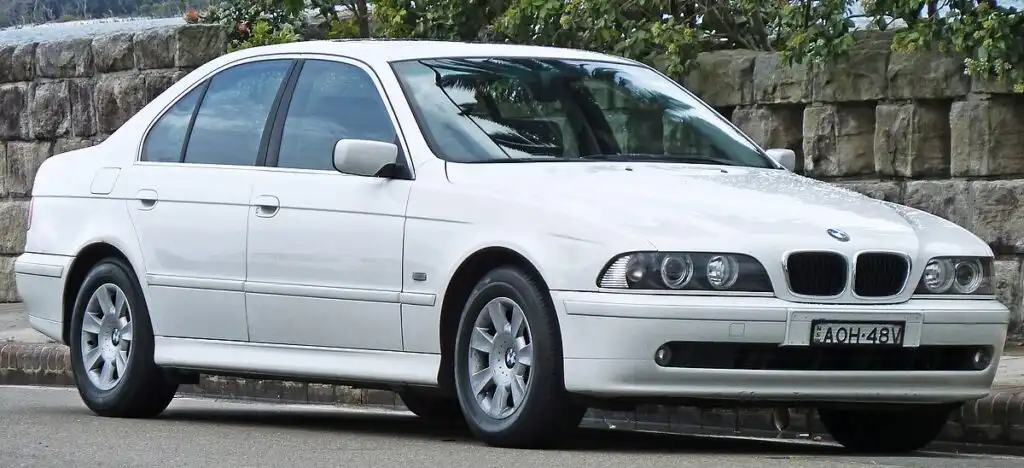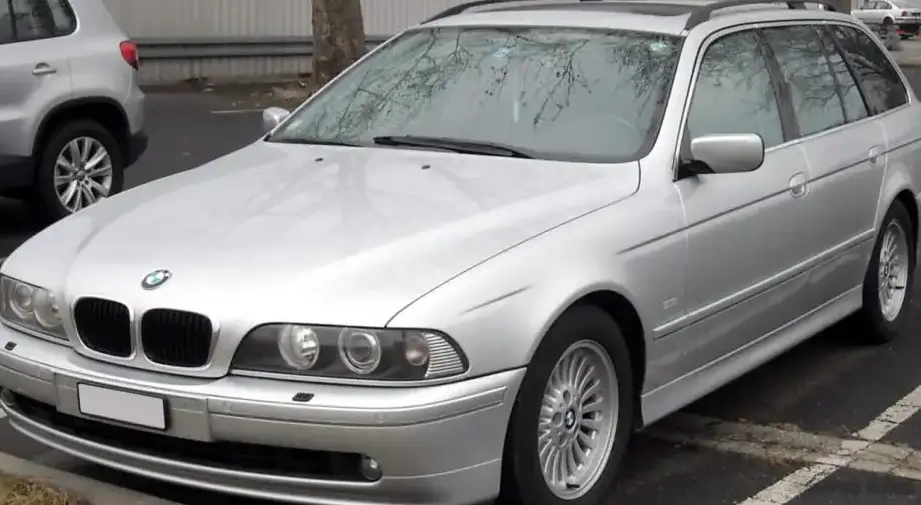
The BMW 5 Series Touring (E39) facelift 525d Steptronic, produced from 2000 to 2004, represents a compelling blend of practicality and performance within the E39 generation. This variant, a diesel-powered station wagon (estate), occupied a middle ground in the 5 Series lineup, offering a more economical and torque-rich alternative to the gasoline-powered models. It was positioned as a sophisticated choice for buyers prioritizing fuel efficiency and long-distance comfort without sacrificing the BMW driving experience. The E39 facelift, introduced in 2000, brought subtle styling revisions and improvements to interior refinement, solidifying the 5 Series’ reputation as a benchmark in the executive car segment.
Technical Specifications
| Brand | BMW |
| Model | 5 Series |
| Generation | 5 Series Touring (E39, Facelift 2000) |
| Type (Engine) | 525d (163 Hp) Steptronic |
| Start of production | 2000 |
| End of production | 2004 |
| Powertrain Architecture | Internal Combustion engine |
| Body type | Station wagon (estate) |
| Seats | 5 |
| Doors | 5 |
| Fuel consumption (urban) | 12 l/100 km (19.6 US mpg, 23.5 UK mpg, 8.3 km/l) |
| Fuel consumption (extra urban) | 6.3 l/100 km (37.3 US mpg, 44.8 UK mpg, 15.9 km/l) |
| Fuel consumption (combined) | 8.2 l/100 km (28.7 US mpg, 34.4 UK mpg, 12.2 km/l) |
| Fuel Type | Diesel |
| Acceleration 0 – 100 km/h | 9.4 sec |
| Acceleration 0 – 62 mph | 9.4 sec |
| Acceleration 0 – 60 mph | 8.9 sec |
| Maximum speed | 215 km/h (133.59 mph) |
| Weight-to-power ratio | 10.5 kg/Hp, 95.6 Hp/tonne |
| Weight-to-torque ratio | 4.9 kg/Nm, 205.3 Nm/tonne |
| Power | 163 Hp @ 4000 rpm |
| Power per litre | 65.3 Hp/l |
| Torque | 350 Nm @ 2000 rpm (258.15 lb.-ft. @ 2000 rpm) |
| Engine layout | Front, Longitudinal |
| Engine Model/Code | M57D25 |
| Engine displacement | 2497 cm3 (152.38 cu. in.) |
| Number of cylinders | 6 |
| Engine configuration | Inline |
| Cylinder Bore | 80 mm (3.15 in.) |
| Piston Stroke | 82.8 mm (3.26 in.) |
| Compression ratio | 17.5:1 |
| Number of valves per cylinder | 4 |
| Fuel injection system | Diesel Commonrail |
| Engine aspiration | Turbocharger, Intercooler |
| Valvetrain | OHC |
| Engine oil capacity | 6.5 l (6.87 US qt | 5.72 UK qt) |
| Coolant | 9.2 l (9.72 US qt | 8.09 UK qt) |
| Kerb Weight | 1705 kg (3758.88 lbs.) |
| Max. weight | 2305 kg (5081.66 lbs.) |
| Max load | 600 kg (1322.77 lbs.) |
| Trunk (boot) space – minimum | 410 l (14.48 cu. ft.) |
| Trunk (boot) space – maximum | 1525 l (53.85 cu. ft.) |
| Fuel tank capacity | 70 l (18.49 US gal | 15.4 UK gal) |
| Length | 4805 mm (189.17 in.) |
| Width | 1800 mm (70.87 in.) |
| Height | 1445 mm (56.89 in.) |
| Wheelbase | 2830 mm (111.42 in.) |
| Front track | 1516 mm (59.69 in.) |
| Rear (Back) track | 1527 mm (60.12 in.) |
| Ride height (ground clearance) | 120 mm (4.72 in.) |
| Drivetrain Architecture | Rear wheel drive |
| Number of gears and type of gearbox | 5 gears, automatic transmission |
| Front suspension | Wishbone |
| Rear suspension | Inclined Lever |
| Front brakes | Ventilated discs |
| Rear brakes | Ventilated discs |
| Assisting systems | ABS (Anti-lock braking system) |
| Steering type | Steering rack and pinion |
| Power steering | Hydraulic Steering |
| Tires size | 205/65 R15; 225/60 R16; 235/45 R17 |
| Wheel rims size | 15; 16; 17 |
Powertrain & Engine Architecture
The heart of the 525d Steptronic is the M57D25, a 2.5-liter inline-six diesel engine. This engine is a cornerstone of BMW’s diesel technology of the period, known for its robust construction and refined operation. The M57D25 utilizes a common rail direct injection system, delivering fuel at extremely high pressure for optimized combustion and reduced emissions. A variable geometry turbocharger with an intercooler further enhances performance, providing a broad torque curve. The engine produces 163 horsepower at 4000 rpm and a substantial 350 Nm (258 lb-ft) of torque at just 2000 rpm. The “Steptronic” transmission refers to BMW’s 5-speed automatic gearbox, offering smooth shifts and a driver-selectable sport mode for more aggressive acceleration. This transmission was specifically tuned to complement the diesel engine’s torque characteristics.
Driving Characteristics
The 525d Steptronic delivers a distinctly different driving experience compared to its gasoline-powered siblings. While lacking the outright acceleration of the 530i or 540i, the 525d excels in providing effortless cruising and strong mid-range performance. The abundant torque allows for relaxed overtaking maneuvers and confident performance even when fully loaded. The automatic transmission, while smooth, isn’t as responsive as the available manual gearbox. Gear ratios are optimized for fuel efficiency and comfortable highway driving. Compared to the higher-output 530d, the 525d feels less urgent, but its lower running costs and more accessible power delivery make it a practical choice for many drivers.
Equipment & Trim Levels
The 525d Steptronic typically came equipped with a generous level of standard features, including automatic climate control, power windows, power mirrors, and a multi-function steering wheel. Interior upholstery was usually cloth, with leather options available as an upgrade. Common optional extras included a sunroof, navigation system, premium sound system, and heated seats. The facelift models benefited from revised interior trim and updated switchgear, enhancing the overall sense of quality. Specific trim packages, such as the Sport package, could add features like sport seats, lowered suspension, and unique alloy wheels.
Chassis & Braking
The E39 5 Series boasts a sophisticated chassis design, featuring a multi-link rear suspension that provides excellent ride comfort and handling balance. The 525d Steptronic utilized ventilated disc brakes on all four wheels, providing ample stopping power. ABS (Anti-lock Braking System) was standard. Suspension tuning was generally comfort-oriented, prioritizing a smooth ride over outright sportiness. Stabilizer bars were fitted front and rear to minimize body roll during cornering. The weight distribution, typical of BMW’s longitudinal engine layout, contributes to neutral handling characteristics.
Market Reception & Comparison
The 525d Steptronic was well-received by critics as a sensible and refined option within the 5 Series range. It was praised for its fuel efficiency, comfortable ride, and strong torque output. However, some reviewers noted that the automatic transmission could feel slightly sluggish compared to the manual. Compared to the 530d, the 525d offered a more affordable entry point into the 5 Series lineup, albeit with slightly less performance. Its fuel economy was significantly better than the gasoline-powered models, making it a popular choice for high-mileage drivers.
Legacy
The M57D25 engine, found in the 525d Steptronic, has proven to be remarkably durable and reliable over the long term, provided it receives regular maintenance. These engines are known to exceed 200,000 miles with proper care. Today, the E39 525d Steptronic represents a compelling value proposition in the used car market. It offers a blend of BMW luxury, practicality, and fuel efficiency at an affordable price. While finding a well-maintained example may require patience, the E39 525d remains a popular choice for enthusiasts seeking a classic BMW touring car.