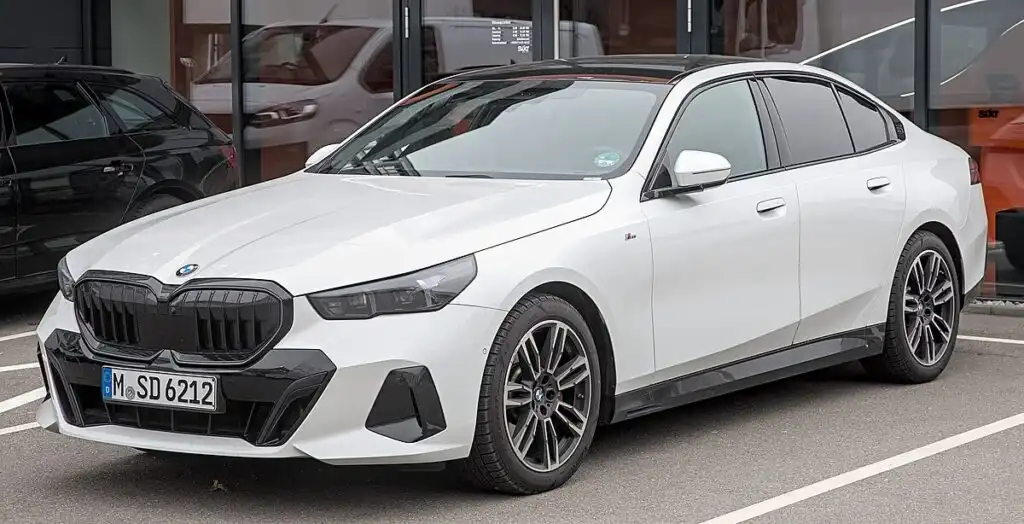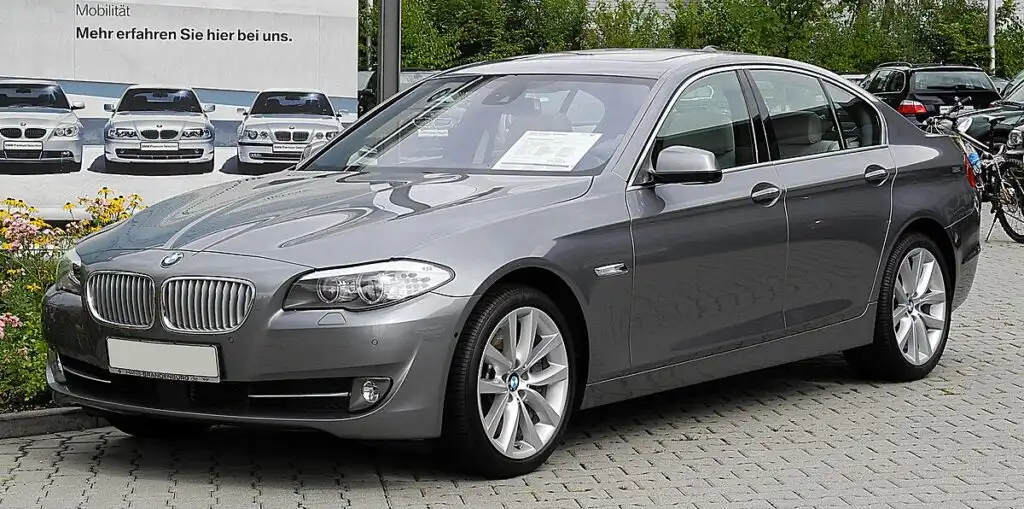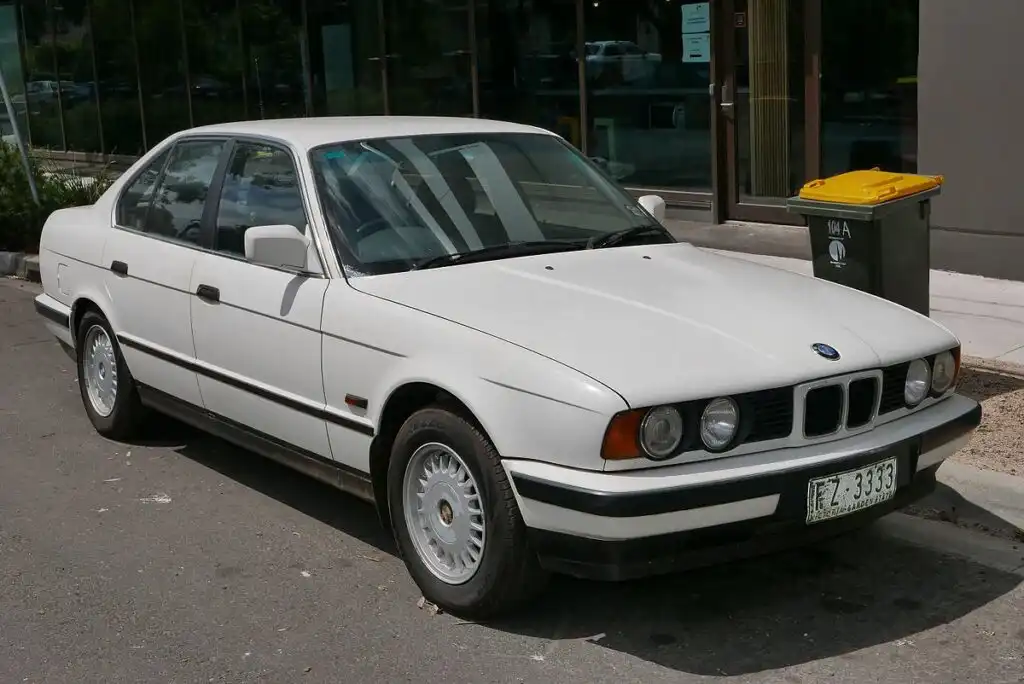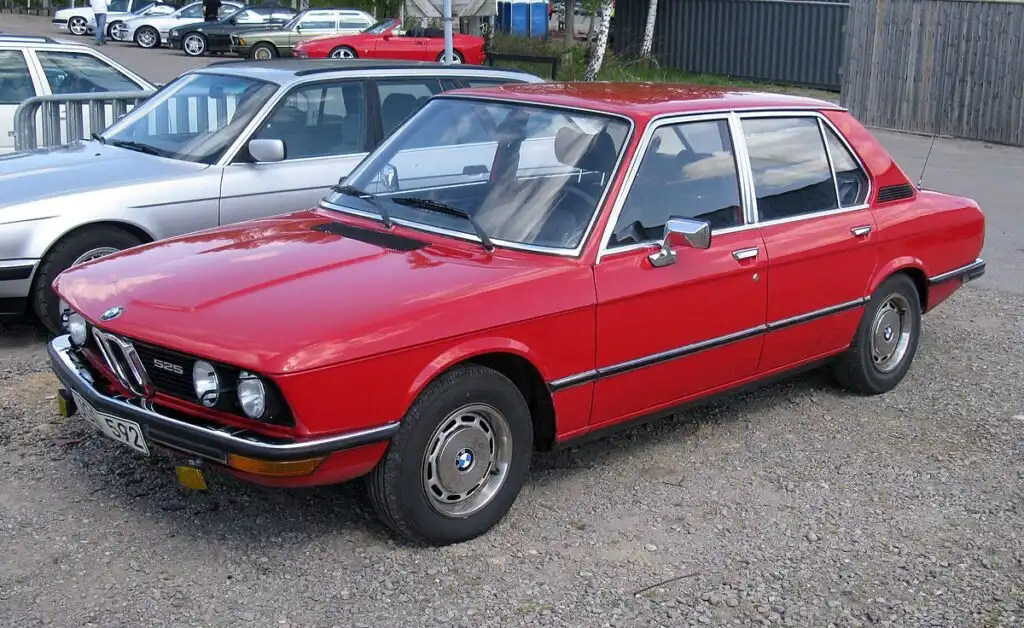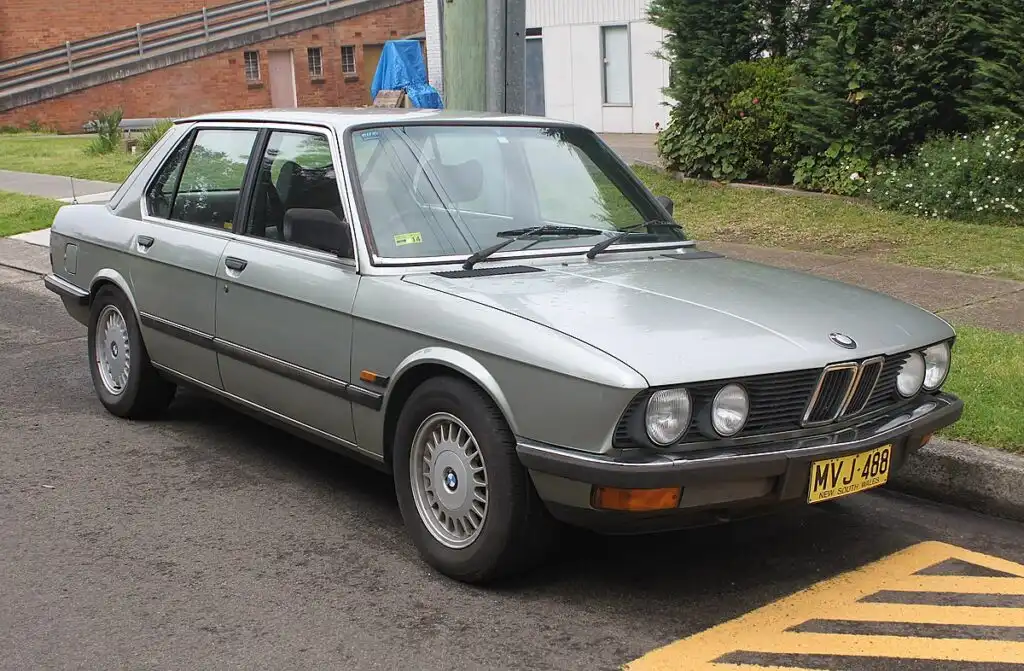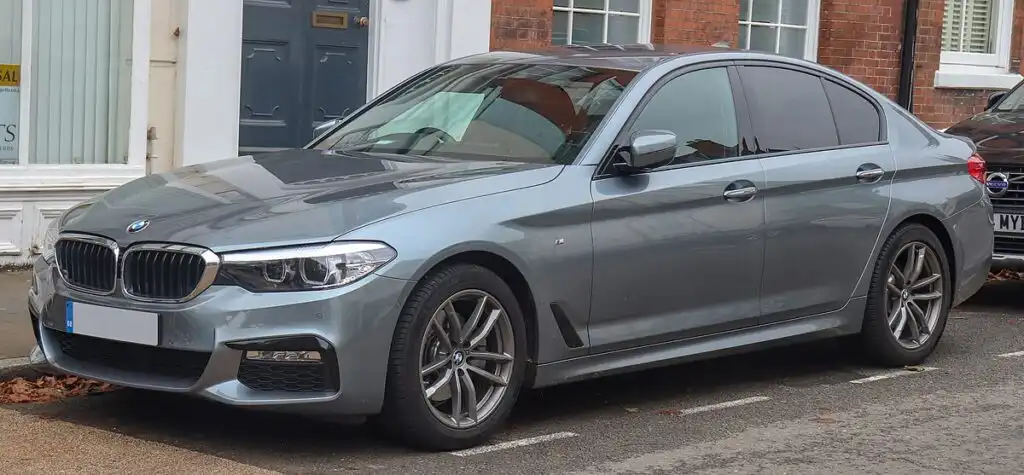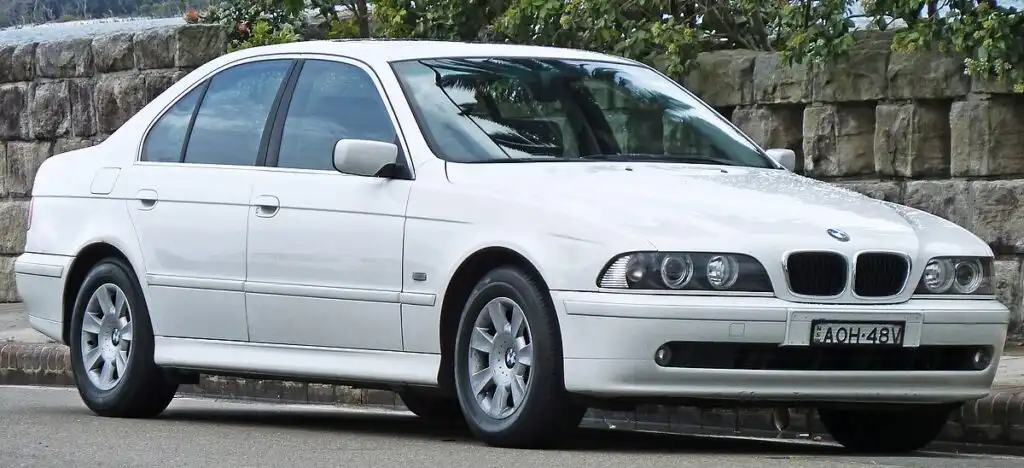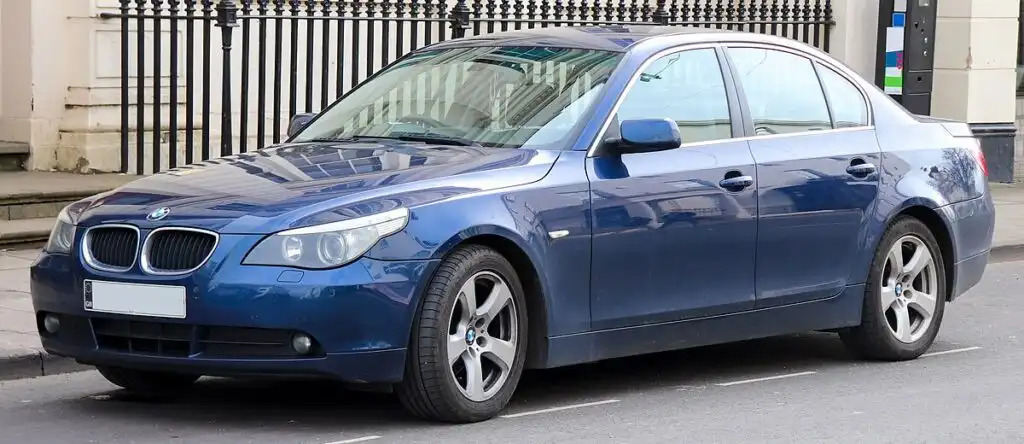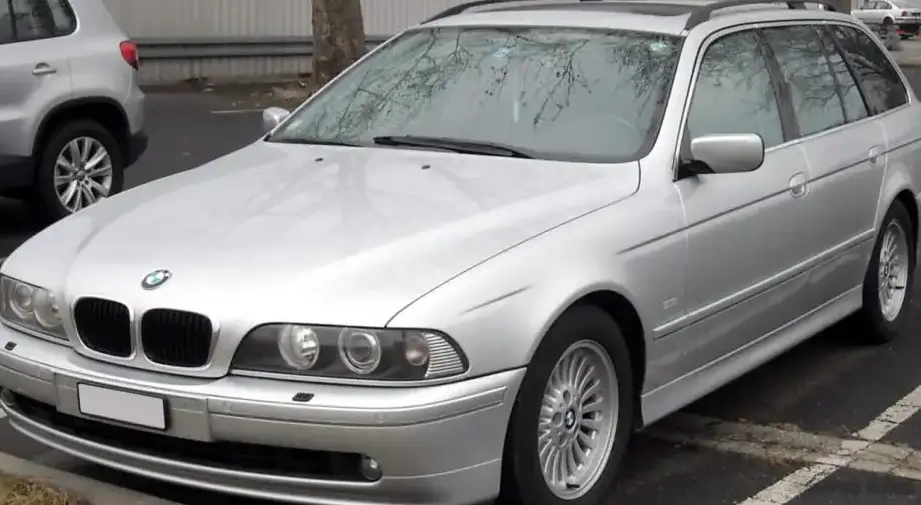
The BMW 5 Series Touring (E39) facelift 530d 24V, produced from 2000 to 2004, represents a compelling blend of performance, practicality, and luxury within the E39 generation. This variant, a diesel-powered station wagon (estate), was positioned as a premium offering, appealing to buyers seeking a refined driving experience coupled with the versatility of increased cargo space. It sat above the 525d in the lineup, offering a significant power upgrade, and below the flagship 540i models. The E39 Touring, in general, was BMW’s answer to the growing demand for a practical yet sophisticated vehicle, and the 530d specifically targeted those prioritizing fuel efficiency and strong torque delivery.
Technical Specifications
| Brand | BMW |
| Model | 5 Series |
| Generation | 5 Series Touring (E39, Facelift 2000) |
| Type (Engine) | 530d 24V (193 Hp) |
| Start of production | 2000 year |
| End of production | 2004 year |
| Powertrain Architecture | Internal Combustion engine |
| Body type | Station wagon (estate) |
| Seats | 5 |
| Doors | 5 |
| Fuel consumption (urban) | 9.6 l/100 km (24.5 US mpg) |
| Fuel consumption (extra urban) | 5.9 l/100 km (39.9 US mpg) |
| Fuel consumption (combined) | 7.3 l/100 km (32.2 US mpg) |
| Fuel Type | Diesel |
| Acceleration 0 – 100 km/h | 8.1 sec |
| Acceleration 0 – 62 mph | 8.1 sec |
| Acceleration 0 – 60 mph | 7.7 sec |
| Maximum speed | 227 km/h (141.05 mph) |
| Weight-to-power ratio | 9.4 kg/Hp |
| Weight-to-torque ratio | 4.4 kg/Nm |
| Power | 193 Hp @ 4000 rpm |
| Torque | 410 Nm @ 1750 rpm (302.4 lb.-ft. @ 1750 rpm) |
| Engine layout | Front, Longitudinal |
| Engine Model/Code | M57D30 |
| Engine displacement | 2926 cm3 (178.56 cu. in.) |
| Number of cylinders | 6 |
| Engine configuration | Inline |
| Cylinder Bore | 84 mm (3.31 in.) |
| Piston Stroke | 88 mm (3.46 in.) |
| Compression ratio | 18:1 |
| Number of valves per cylinder | 4 |
| Fuel injection system | Diesel Commonrail |
| Engine aspiration | Turbocharger, Intercooler |
| Engine oil capacity | 6.5 l (6.87 US qt | 5.72 UK qt) |
| Coolant capacity | 9.2 l (9.72 US qt | 8.09 UK qt) |
| Kerb Weight | 1810 kg (3990.37 lbs.) |
| Max. weight | 2335 kg (5147.79 lbs.) |
| Max load | 525 kg (1157.43 lbs.) |
| Trunk (boot) space – minimum | 410 l (14.48 cu. ft.) |
| Trunk (boot) space – maximum | 1525 l (53.85 cu. ft.) |
| Fuel tank capacity | 70 l (18.49 US gal | 15.4 UK gal) |
| Length | 4805 mm (189.17 in.) |
| Width | 1800 mm (70.87 in.) |
| Height | 1445 mm (56.89 in.) |
| Wheelbase | 2830 mm (111.42 in.) |
| Front track | 1512 mm (59.53 in.) |
| Rear track | 1527 mm (60.12 in.) |
| Drivetrain Architecture | Rear wheel drive |
| Number of gears | 5 |
| Gearbox type | Manual transmission |
| Front suspension | Wishbone |
| Rear suspension | Inclined Lever |
| Front brakes | Ventilated discs |
| Rear brakes | Ventilated discs |
| Assisting systems | ABS (Anti-lock braking system) |
| Steering type | Steering rack and pinion |
| Power steering | Hydraulic Steering |
| Tires size | 225/55 R16 |
| Wheel rims size | 16 |
Powertrain & Engine Architecture
The heart of the 530d Touring is the M57D30, a 2.9-liter inline-six cylinder diesel engine. This engine, part of BMW’s M57 family, was a significant step forward in diesel technology. It featured common rail direct injection, delivering fuel at extremely high pressure for improved combustion efficiency and reduced emissions. The engine produced 193 horsepower at 4000 rpm and a substantial 302 lb-ft of torque at just 1750 rpm. This torque output, readily available at low engine speeds, provided effortless acceleration and strong pulling power, particularly useful for towing or carrying heavy loads. The M57D30 also incorporated a variable geometry turbocharger (VGT) and an intercooler, further enhancing performance and efficiency. The 5-speed manual transmission was the standard offering, providing precise gear changes and a direct connection to the engine. While an automatic transmission was available, the manual was favored by enthusiasts for its responsiveness.
Driving Characteristics
The 530d Touring offered a distinctly different driving experience compared to its gasoline-powered siblings. The abundant low-end torque meant that strong acceleration was available from almost any engine speed, eliminating the need for frequent downshifts. While not as outright quick as the 540i, the 530d provided a more relaxed and refined driving experience, particularly on long journeys. The manual transmission, with its well-defined gate and relatively short throws, contributed to a sporty feel. The suspension, tuned for comfort, absorbed bumps and imperfections in the road effectively, providing a smooth and controlled ride. Compared to the 525d, the 530d offered a noticeable performance increase, making it feel more capable and responsive. However, it lacked the high-revving character of the gasoline engines.
Equipment & Trim Levels
The 530d Touring typically came well-equipped, reflecting its position as a premium model. Standard features included automatic climate control, power windows and mirrors, a multi-function steering wheel, and a high-quality audio system. Upholstery was typically cloth or leather, with wood trim accents available. Optional extras included a sunroof, navigation system, heated seats, and upgraded audio systems. The Touring also benefited from the E39’s spacious interior and practical cargo area, with the rear seats folding down to create a large, flat load space. The facelift models (2000-2004) featured subtle styling updates, including revised headlights and taillights, as well as interior refinements.
Chassis & Braking
The E39 Touring chassis was robust and well-engineered, providing a solid foundation for the vehicle’s handling characteristics. The front suspension utilized a MacPherson strut design, while the rear featured an independent multi-link setup. This configuration provided a good balance between comfort and handling. The 530d Touring was equipped with ventilated disc brakes on all four wheels, providing ample stopping power. Anti-lock braking system (ABS) was standard, enhancing safety and control. The steering was a hydraulic power-assisted rack and pinion system, offering precise and responsive steering feel.
Market Reception & Comparison
The 530d Touring was generally well-received by automotive critics, who praised its blend of performance, economy, and practicality. It was seen as a compelling alternative to traditional gasoline-powered station wagons, offering significantly improved fuel economy without sacrificing driving enjoyment. Compared to the 525d, the 530d offered a noticeable performance advantage, making it a more appealing choice for drivers who prioritized power and responsiveness. However, it was more expensive to purchase and maintain than the 525d. Against competitors like the Mercedes-Benz E-Class Estate and the Audi A6 Avant, the 530d Touring held its own, offering a more engaging driving experience and a reputation for reliability.
Legacy
The M57D30 engine has proven to be remarkably durable and reliable, with many examples exceeding 200,000 miles with proper maintenance. The E39 530d Touring has become a sought-after classic among BMW enthusiasts, appreciated for its combination of practicality, performance, and build quality. While finding well-maintained examples can be challenging, the 530d Touring remains a rewarding vehicle to own and drive, offering a unique blend of attributes that continue to appeal to discerning buyers today. Common issues include wear and tear on suspension components, potential for glow plug failure, and occasional issues with the common rail injection system, but these are generally manageable with preventative maintenance.