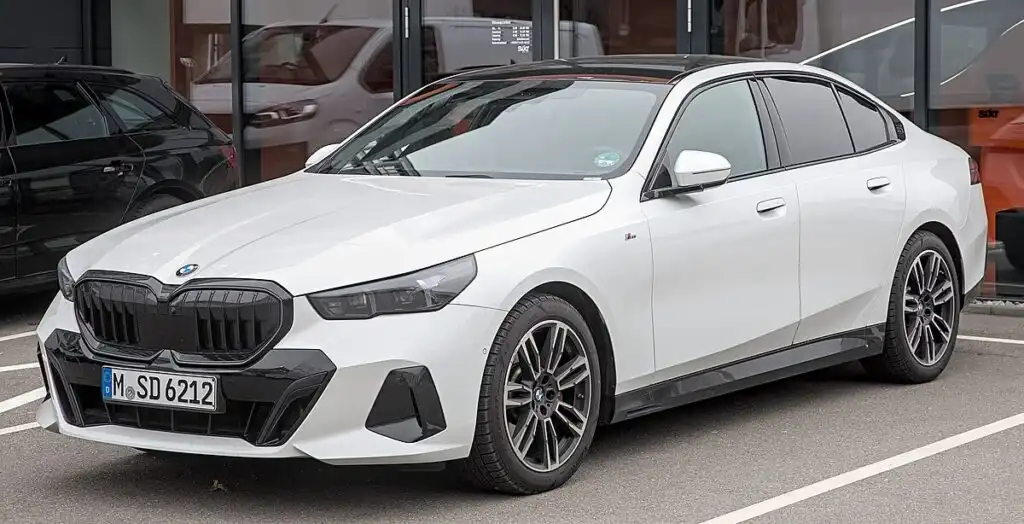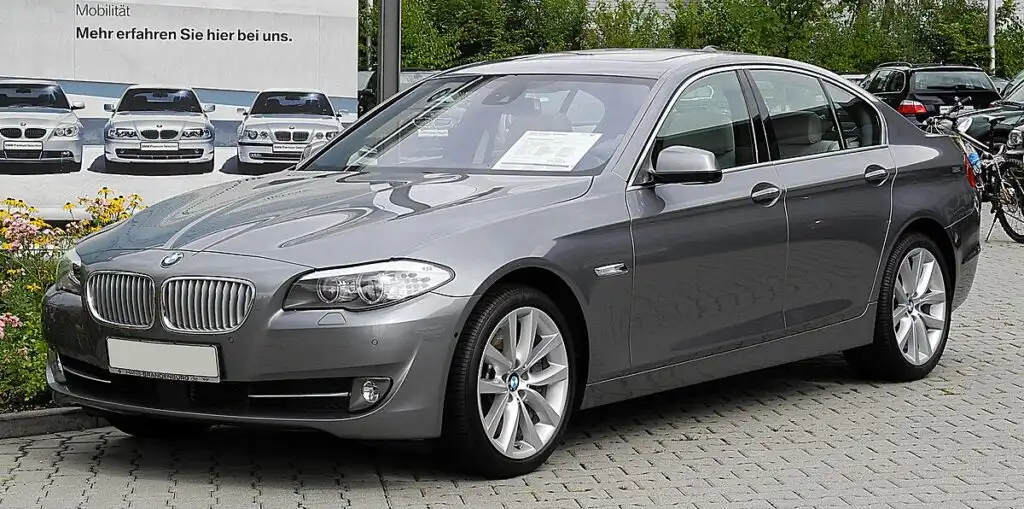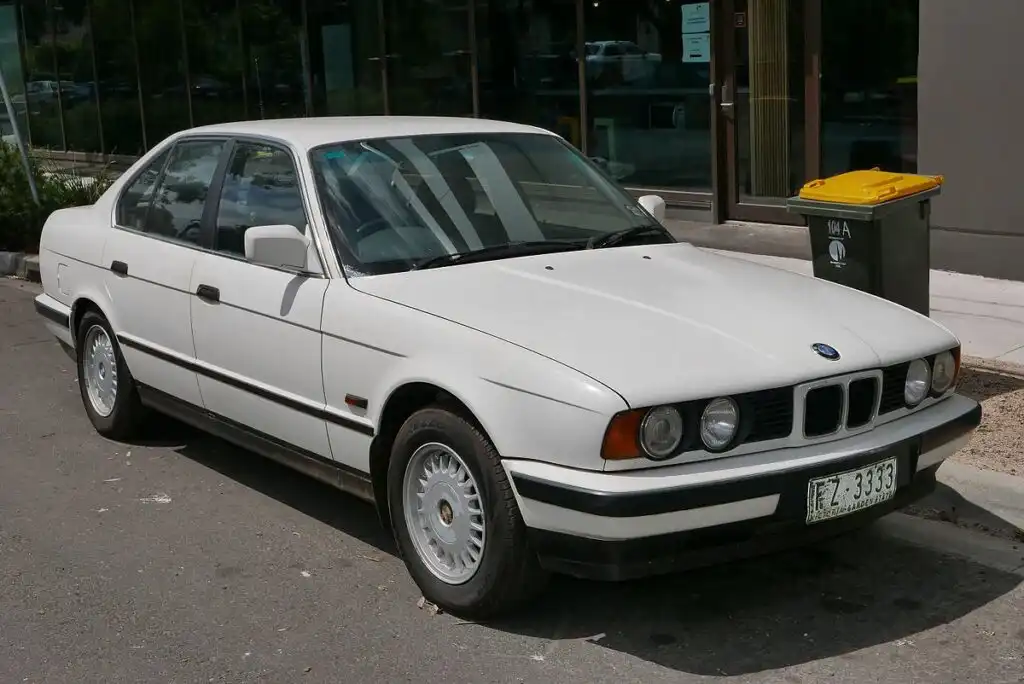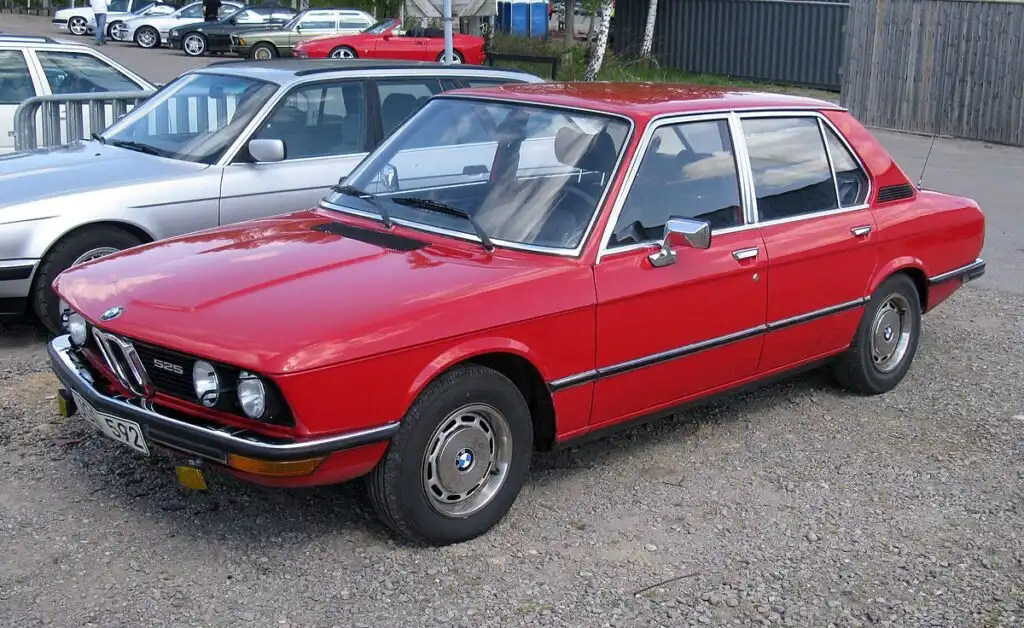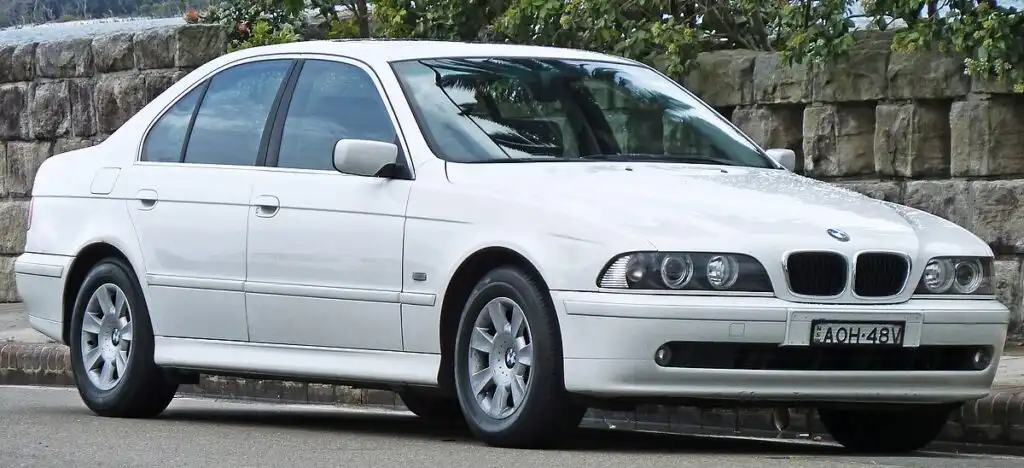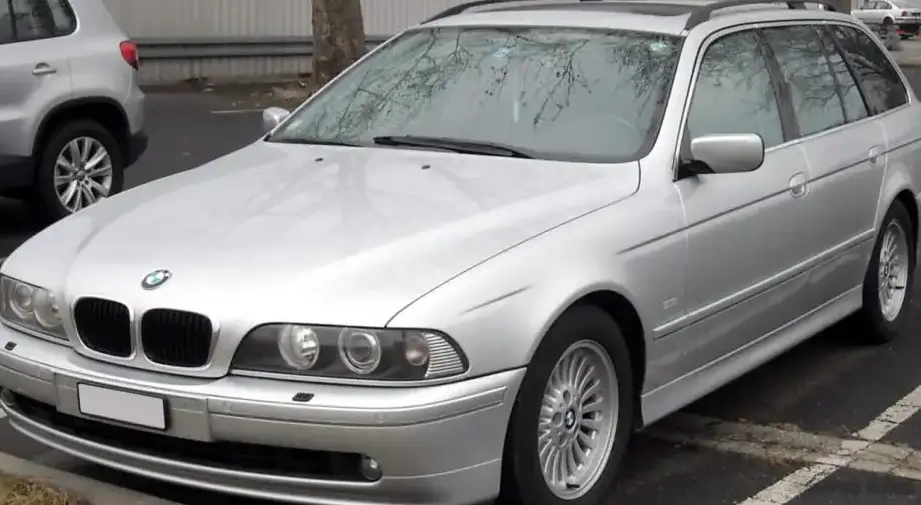
The BMW 5 Series Touring (E39) facelift 530i 24V, produced from 2000 to 2004, represents a compelling blend of performance, practicality, and luxury within the E39 generation. As a station wagon (estate) variant of the popular 5 Series, it offered the driving experience BMW was known for, combined with the increased cargo capacity demanded by families and enthusiasts alike. This particular model, equipped with the M54B30 inline-six engine and a 5-speed manual transmission, occupied a sweet spot in the lineup, providing a significant step up in performance from the base 523i while remaining more accessible than the flagship 540i. It was primarily marketed towards buyers in Europe and other international markets where the station wagon body style was highly favored.
Technical Specifications
| Brand | BMW |
| Model | 5 Series |
| Generation | 5 Series Touring (E39, Facelift 2000) |
| Type (Engine) | 530i 24V (231 Hp) |
| Start of production | 2000 year |
| End of production | 2004 year |
| Powertrain Architecture | Internal Combustion engine |
| Body type | Station wagon (estate) |
| Seats | 5 |
| Doors | 5 |
| Fuel consumption (economy) – urban | 13.7 l/100 km (17.2 US mpg, 20.6 UK mpg, 7.3 km/l) |
| Fuel consumption (economy) – extra urban | 7.7 l/100 km (30.5 US mpg, 36.7 UK mpg, 13 km/l) |
| Fuel consumption (economy) – combined | 9.9 l/100 km (23.8 US mpg, 28.5 UK mpg, 10.1 km/l) |
| Fuel Type | Petrol (Gasoline) |
| Acceleration 0 – 100 km/h | 7.5 sec |
| Acceleration 0 – 62 mph | 7.5 sec |
| Acceleration 0 – 60 mph | 7.1 sec |
| Maximum speed | 250 km/h (155.34 mph) |
| Weight-to-power ratio | 7.4 kg/Hp, 134.3 Hp/tonne |
| Weight-to-torque ratio | 5.7 kg/Nm, 174.4 Nm/tonne |
| Power | 231 Hp @ 5900 rpm |
| Power per litre | 77.5 Hp/l |
| Torque | 300 Nm @ 3500 rpm (221.27 lb.-ft. @ 3500 rpm) |
| Engine layout | Front, Longitudinal |
| Engine Model/Code | M54B30 |
| Engine displacement | 2979 cm3 (181.79 cu. in.) |
| Number of cylinders | 6 |
| Engine configuration | Inline |
| Cylinder Bore | 84 mm (3.31 in.) |
| Piston Stroke | 89.6 mm (3.53 in.) |
| Compression ratio | 10.2:1 |
| Number of valves per cylinder | 4 |
| Fuel injection system | Multi-port manifold injection |
| Engine aspiration | Naturally aspirated engine |
| Valvetrain | DOHC |
| Engine oil capacity | 6.5 l (6.87 US qt | 5.72 UK qt) |
| Coolant | 10.5 l (11.1 US qt | 9.24 UK qt) |
| Kerb Weight | 1720 kg (3791.95 lbs.) |
| Max. weight | 2245 kg (4949.38 lbs.) |
| Max load | 525 kg (1157.43 lbs.) |
| Trunk (boot) space – minimum | 410 l (14.48 cu. ft.) |
| Trunk (boot) space – maximum | 1525 l (53.85 cu. ft.) |
| Fuel tank capacity | 70 l (18.49 US gal | 15.4 UK gal) |
| Length | 4805 mm (189.17 in.) |
| Width | 1800 mm (70.87 in.) |
| Height | 1445 mm (56.89 in.) |
| Wheelbase | 2830 mm (111.42 in.) |
| Front track | 1512 mm (59.53 in.) |
| Rear (Back) track | 1527 mm (60.12 in.) |
| Drivetrain Architecture | The Internal combustion engine (ICE) drives the rear wheels of the vehicle. |
| Drive wheel | Rear wheel drive |
| Number of gears and type of gearbox | 5 gears, manual transmission |
| Front suspension | Wishbone |
| Rear suspension | Inclined Lever |
| Front brakes | Ventilated discs |
| Rear brakes | Ventilated discs |
| Assisting systems | ABS (Anti-lock braking system) |
| Steering type | Steering rack and pinion |
| Power steering | Hydraulic Steering |
| Tires size | 225/55 R16 |
| Wheel rims size | 16 |
Powertrain & Engine Architecture
The heart of the 530i Touring is the M54B30, a 3.0-liter inline-six engine. This engine is a descendant of the highly-regarded M52 series, known for its smooth power delivery and reliability. The M54 introduced several improvements, including a plastic intake manifold, a revised engine management system (DME), and double VANOS (variable valve timing) on both the intake and exhaust camshafts. This double VANOS system significantly improved both low-end torque and high-end horsepower. Fuel delivery is handled by a multi-port fuel injection system, ensuring precise fuel metering for optimal combustion. The 5-speed manual transmission, a Getrag unit, provides precise shifts and a direct connection to the drivetrain. The engine’s longitudinal mounting and rear-wheel-drive configuration contribute to the BMW’s balanced handling characteristics.
Driving Characteristics
The 530i Touring with the manual transmission offers a rewarding driving experience. The 231 horsepower and 221 lb-ft of torque provide ample power for both everyday driving and spirited performance. Acceleration from 0-60 mph takes approximately 7.1 seconds, making it a quick vehicle for its time. The manual gearbox allows for full control over the engine’s powerband, while the rear-wheel-drive layout delivers a classic BMW driving feel. Compared to the 523i, the 530i offers a noticeable increase in performance, while the 540i provides even more power but at a higher price point. The 5-speed manual transmission’s gear ratios are well-matched to the engine’s torque curve, providing strong acceleration in each gear.
Equipment & Trim Levels
The 530i Touring typically came well-equipped, even as standard. Features included automatic climate control, power windows and locks, a premium sound system, and leather upholstery. Optional extras included a sunroof, navigation system, sport seats, and upgraded audio options. The interior design was typical of BMW at the time, with a focus on functionality and driver ergonomics. The wood trim and high-quality materials contribute to a luxurious feel. The Touring model, of course, added the practicality of a large cargo area, accessible through the rear tailgate.
Chassis & Braking
The E39 5 Series utilizes a sophisticated chassis design. The front suspension features a MacPherson strut setup with a wishbone, while the rear employs an independent multi-link suspension. This configuration provides a comfortable ride while maintaining excellent handling characteristics. The 530i Touring is equipped with ventilated disc brakes on all four wheels, providing ample stopping power. ABS (Anti-lock Braking System) is standard, enhancing safety and control during emergency braking situations. The steering is a hydraulic rack-and-pinion system, offering precise and responsive steering feel.
Market Reception & Comparison
The E39 5 Series, and the 530i Touring in particular, received positive reviews from automotive critics. It was praised for its balanced handling, comfortable ride, and refined interior. The 530i offered a compelling alternative to its competitors, such as the Mercedes-Benz E-Class and Audi A6. Fuel economy was reasonable for a vehicle of its size and performance, averaging around 23.8 US mpg in combined driving. Reliability was generally good, although preventative maintenance is crucial, especially regarding cooling system components. Compared to the 523i, the 530i offered a significant performance upgrade, while the 540i was more expensive and less fuel-efficient.
Legacy
The E39 5 Series is widely regarded as one of the best BMWs ever made, and the 530i Touring continues to be a popular choice among enthusiasts. The M54B30 engine is known for its durability and relatively simple maintenance requirements. However, like all older BMWs, it’s important to address potential issues such as cooling system leaks and VANOS system wear. Today, well-maintained examples of the 530i Touring command a premium in the used car market, appealing to those who appreciate its blend of performance, practicality, and classic BMW character. Its reputation for reliability and driving enjoyment ensures its continued relevance for years to come.