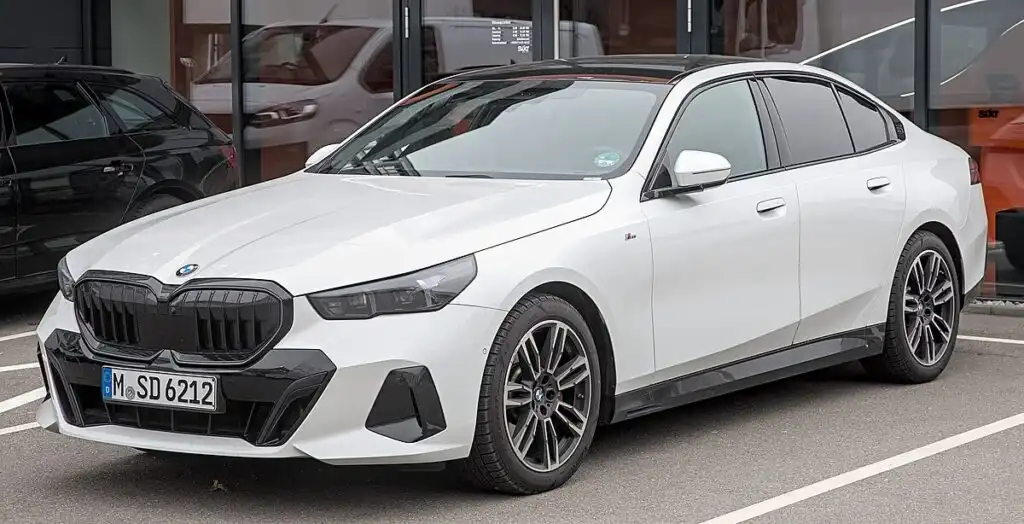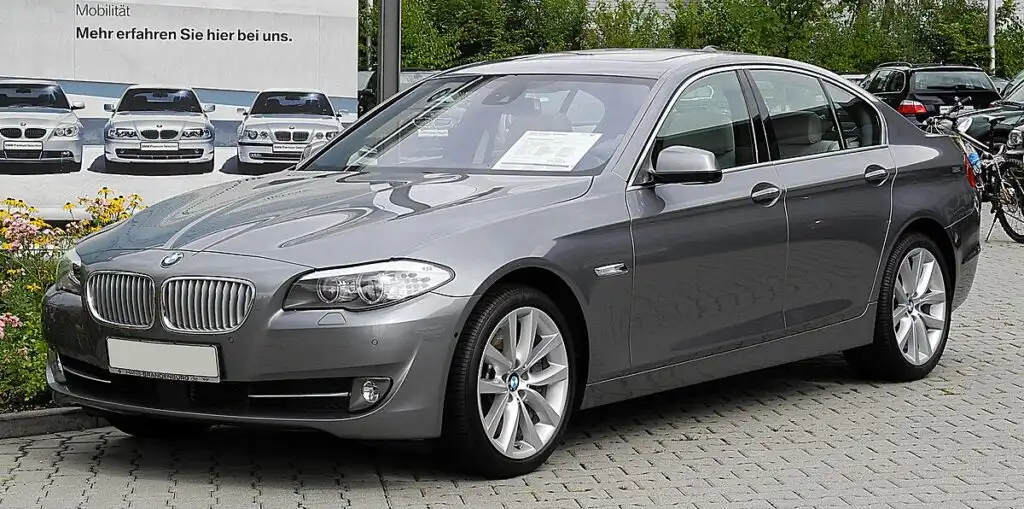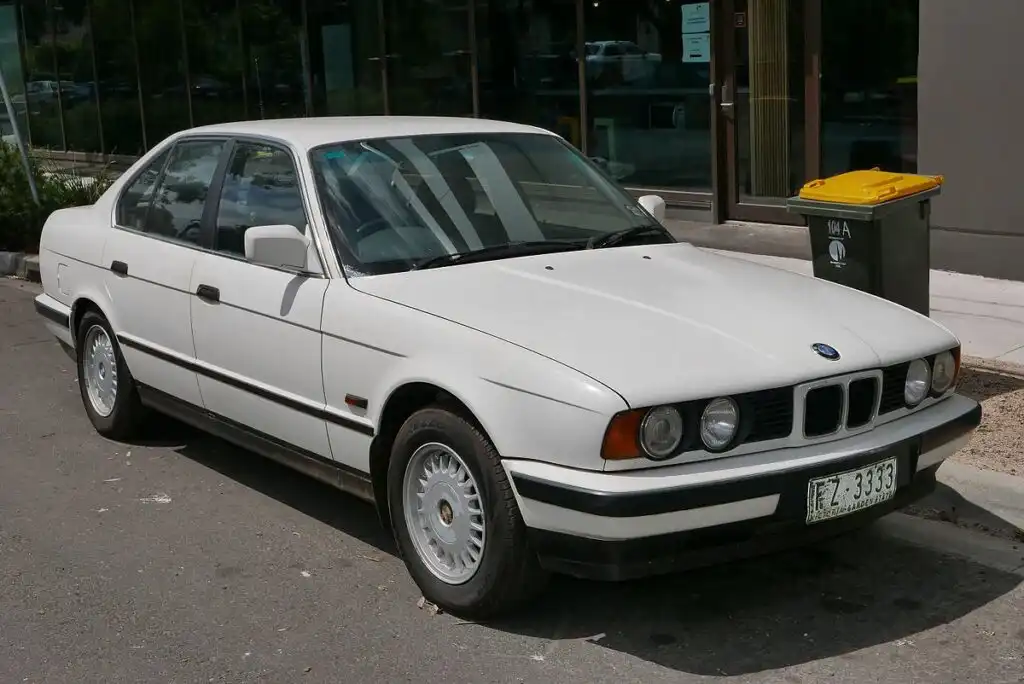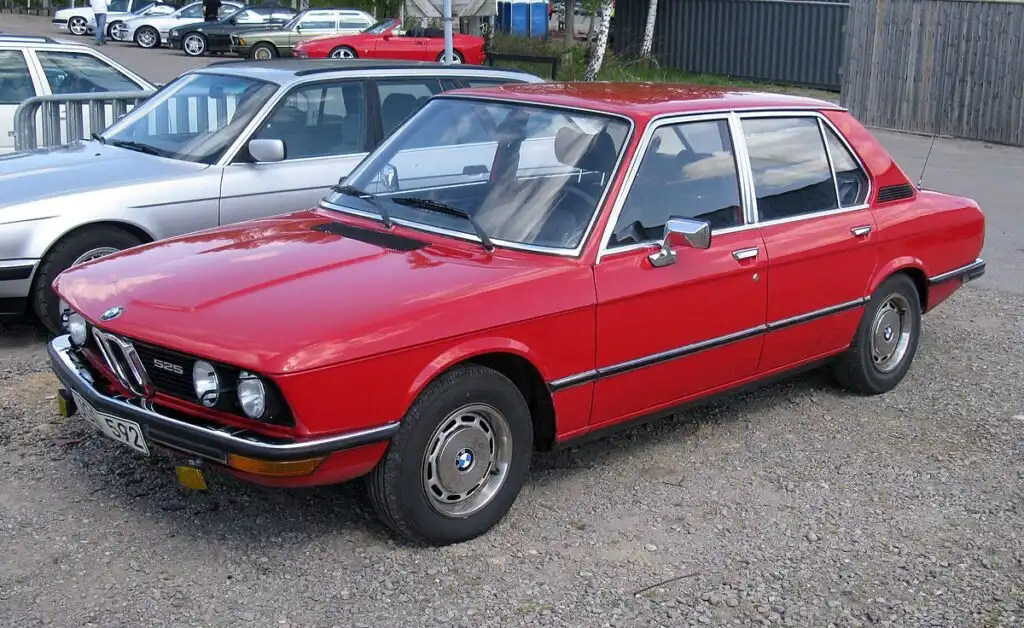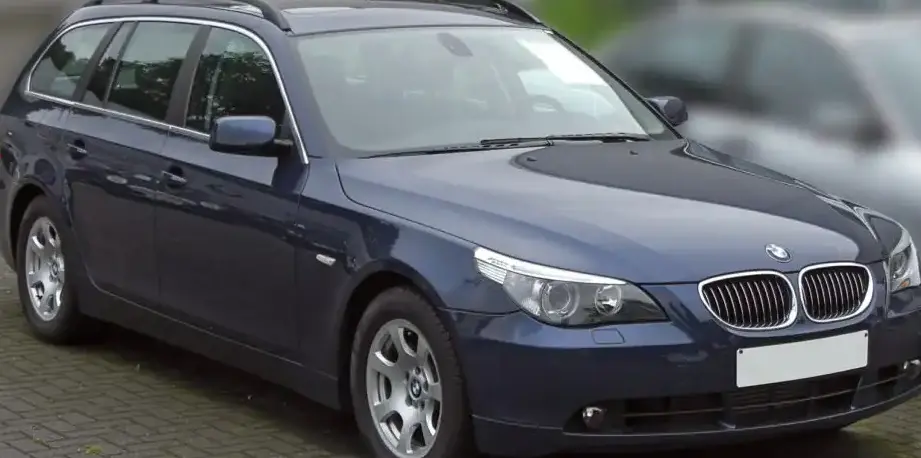
The BMW 5 Series Touring (E61) 520d, produced from 2005 to 2007, represented BMW’s entry point into the premium wagon segment with a diesel engine. Positioned as a more economical and practical alternative to its petrol-powered siblings, the 520d Touring offered a blend of performance, efficiency, and the spaciousness expected of a luxury estate car. It was part of the E61 generation, which was the first 5 Series to offer a Touring (wagon) body style with a folding rear window, a feature that distinguished it from previous iterations. This variant primarily targeted European markets where diesel engines and wagons were highly popular, though limited numbers were also available in other regions.
Technical Specifications
| Brand | BMW |
| Model | 5 Series |
| Generation | 5 Series Touring (E61) |
| Type (Engine) | 520d (163 Hp) |
| Start of production | 2005 |
| End of production | 2007 |
| Powertrain Architecture | Internal Combustion engine |
| Body type | Station wagon (estate) |
| Seats | 5 |
| Doors | 5 |
| Fuel consumption (economy) – urban | 8.3 l/100 km (28.3 US mpg) |
| Fuel consumption (economy) – extra urban | 4.8 l/100 km (49 US mpg) |
| Fuel Type | Diesel |
| Acceleration 0 – 100 km/h | 8.9 sec |
| Acceleration 0 – 62 mph | 8.9 sec |
| Acceleration 0 – 60 mph | 8.5 sec |
| Maximum speed | 218 km/h (135.46 mph) |
| Weight-to-power ratio | 9.8 kg/Hp |
| Weight-to-torque ratio | 4.7 kg/Nm |
| Power | 163 Hp @ 4000 rpm |
| Power per litre | 81.7 Hp/l |
| Torque | 340 Nm @ 2000 rpm (250.77 lb.-ft. @ 2000 rpm) |
| Engine layout | Front, Longitudinal |
| Engine Model/Code | M47D20TU2 |
| Engine displacement | 1995 cm3 (121.74 cu. in.) |
| Number of cylinders | 4 |
| Engine configuration | Inline |
| Cylinder Bore | 84 mm (3.31 in.) |
| Piston Stroke | 90 mm (3.54 in.) |
| Compression ratio | 17:1 |
| Number of valves per cylinder | 4 |
| Fuel injection system | Diesel Commonrail |
| Engine aspiration | Turbocharger, Intercooler |
| Valvetrain | DOHC |
| Engine oil capacity | 5.5 l (5.81 US qt | 4.84 UK qt) |
| Coolant | 8 l (8.45 US qt | 7.04 UK qt) |
| Kerb Weight | 1605 kg (3538.42 lbs.) |
| Max. weight | 2200 kg (4850.17 lbs.) |
| Max load | 595 kg (1311.75 lbs.) |
| Trunk (boot) space – minimum | 500 l (17.66 cu. ft.) |
| Trunk (boot) space – maximum | 1650 l (58.27 cu. ft.) |
| Fuel tank capacity | 70 l (18.49 US gal | 15.4 UK gal) |
| Length | 4843 mm (190.67 in.) |
| Width | 1846 mm (72.68 in.) |
| Height | 1491 mm (58.7 in.) |
| Wheelbase | 2886 mm (113.62 in.) |
| Front track | 1558 mm (61.34 in.) |
| Rear (Back) track | 1582 mm (62.28 in.) |
| Drivetrain Architecture | Rear wheel drive |
| Number of gears and type of gearbox | 6 gears, manual transmission |
| Front suspension | Independent, type McPherson with coil spring and anti-roll bar |
| Rear suspension | Air suspension |
| Front brakes | Disc |
| Rear brakes | Disc |
| Assisting systems | ABS (Anti-lock braking system) |
| Tires size | 225/55 R16 |
| Wheel rims size | 16 |
Powertrain & Engine Architecture
The heart of the 520d Touring was the M47D20TU2, a 2.0-liter inline-four cylinder diesel engine. This engine was a common sight in BMW’s lineup during the mid-2000s, known for its relatively robust construction and decent fuel economy. The ‘TU2’ designation indicated an updated version of the M47 series, incorporating improvements to the fuel injection system and turbocharger. The engine utilized a second-generation common rail direct injection system, delivering fuel at extremely high pressures for optimized combustion. A single turbocharger with an intercooler provided forced induction, boosting power and torque. The engine featured a double overhead camshaft (DOHC) valvetrain with four valves per cylinder, contributing to its efficiency and power output. The 6-speed manual transmission was standard, providing a good balance between fuel economy and driver engagement.
Driving Characteristics
The 520d Touring, with its 163 horsepower and 340 Nm (250 lb-ft) of torque, offered a respectable, though not exhilarating, driving experience. Acceleration from 0 to 60 mph took around 8.5 seconds, and it reached a top speed of 135 mph. Compared to the more powerful 525i or 530i models, the 520d felt noticeably slower, particularly during overtaking maneuvers. However, the diesel engine’s strong low-end torque made it feel responsive in everyday driving situations. The manual transmission’s gear ratios were well-matched to the engine’s characteristics, providing adequate acceleration in each gear. While not a sports car, the 520d Touring offered a comfortable and composed ride, typical of BMW’s engineering philosophy.
Equipment & Trim Levels
The 520d Touring typically came with a fairly comprehensive standard equipment list, reflecting its position as a premium vehicle. Standard features included automatic climate control, power windows and mirrors, a multi-function steering wheel, and a basic audio system. Upholstery was typically cloth, though leather options were available. Higher trim levels offered upgrades such as leather seats, wood trim, a more advanced audio system, and parking sensors. Optional extras included a sunroof, navigation system, and upgraded alloy wheels. The interior design was typical of BMW at the time, with a driver-focused layout and high-quality materials.
Chassis & Braking
The E61 5 Series Touring featured a sophisticated chassis design. The front suspension utilized a McPherson strut setup with coil springs and an anti-roll bar, while the rear suspension employed an air suspension system. The air suspension provided a comfortable ride and allowed for automatic load leveling, maintaining a consistent ride height regardless of the vehicle’s load. Braking duties were handled by disc brakes on all four wheels, coupled with an Anti-lock Braking System (ABS). The braking system provided adequate stopping power for the vehicle’s weight and performance.
Market Reception & Comparison
The 520d Touring was generally well-received by automotive critics, particularly for its fuel efficiency and practicality. It was praised for offering a good balance between performance and economy, making it an attractive option for drivers who frequently covered long distances. Compared to the petrol-powered 5 Series models, the 520d offered significantly better fuel economy, making it a more cost-effective choice for many buyers. However, some critics noted that the engine lacked the refinement and power of its petrol counterparts. Against competitors like the Audi A6 Avant and Mercedes-Benz E-Class Estate, the 520d Touring held its own, offering a similar level of luxury and practicality.
Legacy
The M47D20TU2 engine, while not without its quirks, proved to be a relatively reliable powertrain when properly maintained. Common issues included injector failures and turbocharger wear, but these were often addressed with preventative maintenance. Today, the E61 520d Touring can be found on the used car market at relatively affordable prices. It remains a popular choice for those seeking a spacious, comfortable, and fuel-efficient wagon. However, potential buyers should be aware of the age-related issues that can affect any vehicle of this era, such as worn suspension components and electrical problems. Despite its age, the 520d Touring continues to offer a compelling combination of practicality, comfort, and BMW’s renowned driving dynamics.