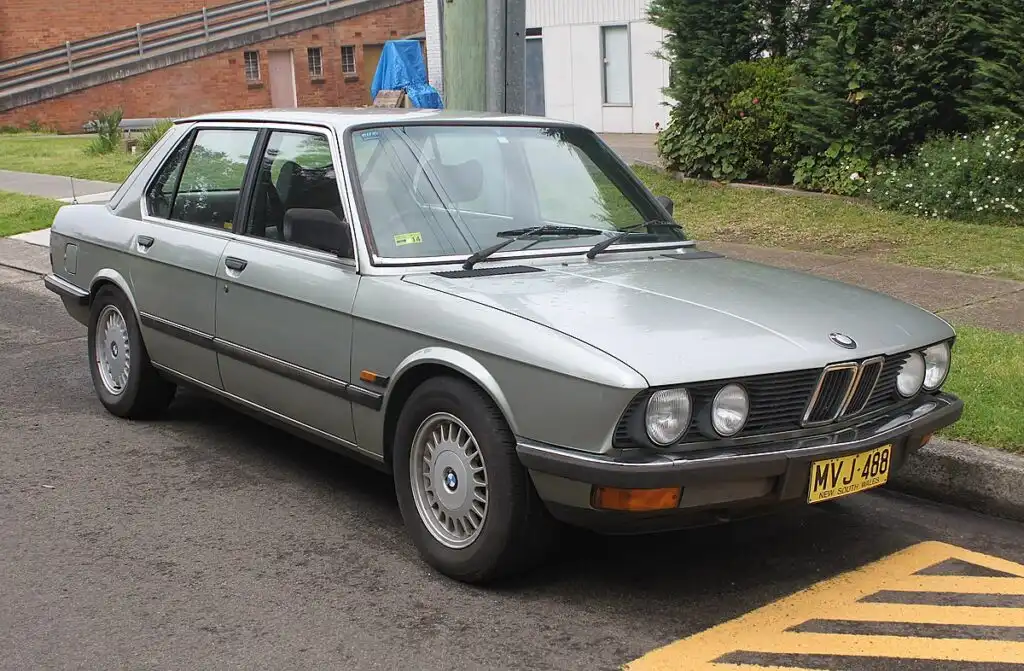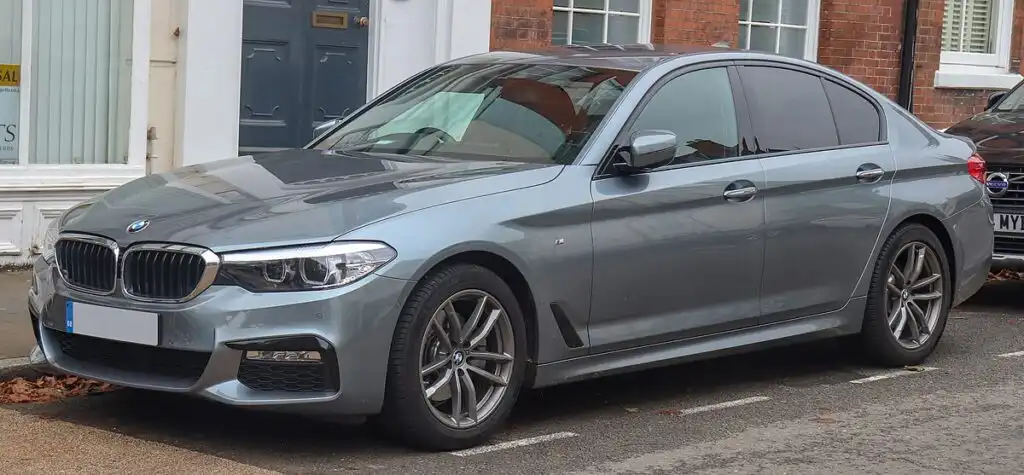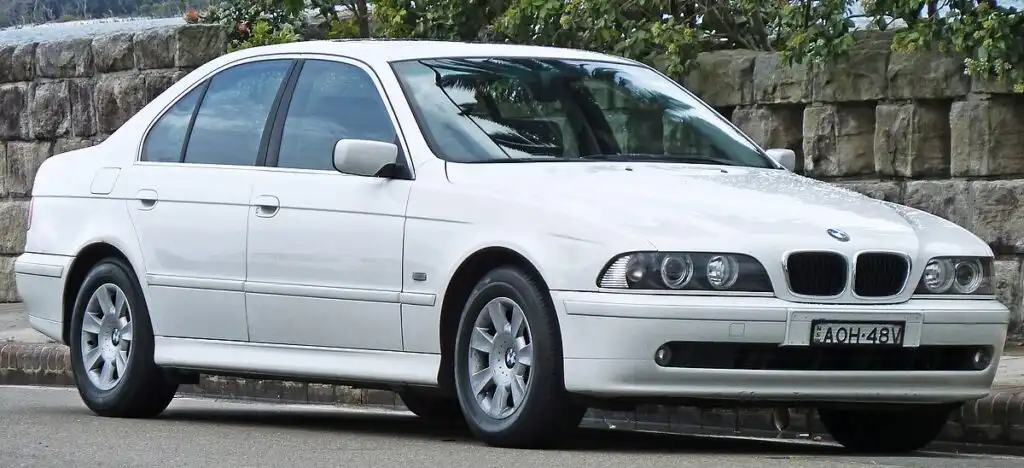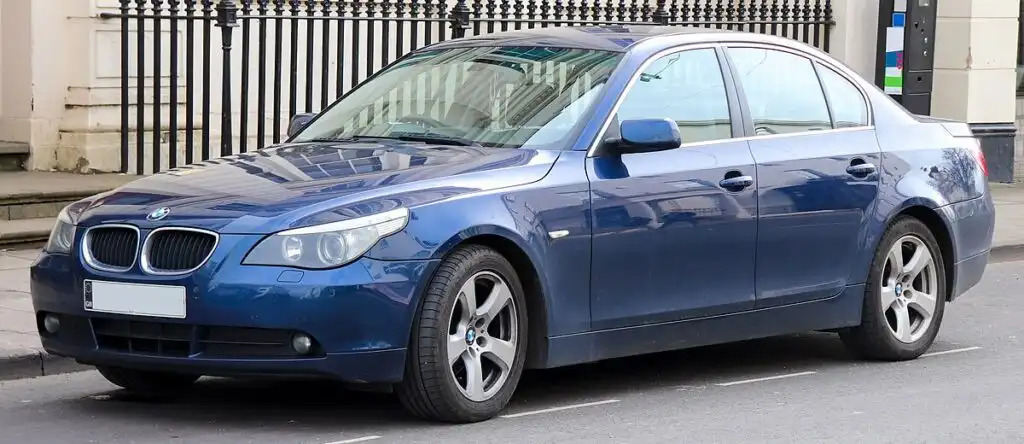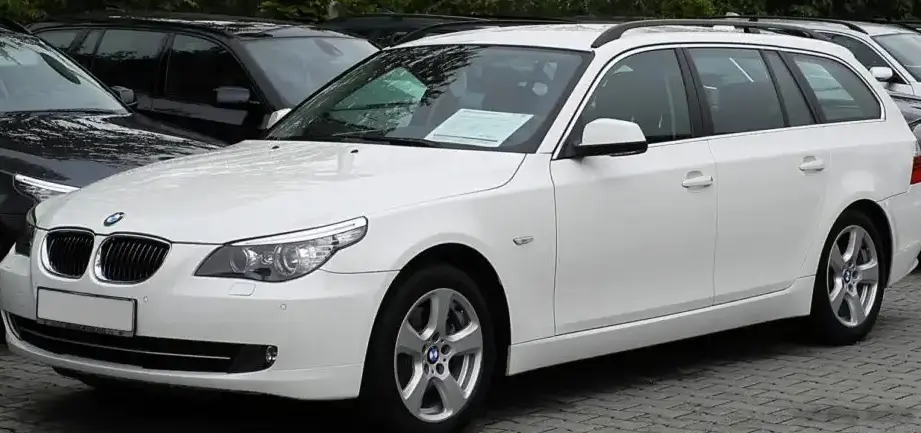
The BMW 5 Series Touring (E61), particularly the LCI (Life Cycle Impulse) facelift model produced from 2007 to 2010, represented BMW’s offering in the premium, mid-size executive wagon segment. The 525i variant, equipped with the 218 horsepower engine and a six-speed Steptronic automatic transmission, occupied a middle ground within the E61 lineup, balancing performance with relative fuel efficiency and a more accessible price point compared to the higher-performance 535i and 550i models. This version aimed to appeal to buyers seeking a practical, luxurious, and capable vehicle for both daily commuting and long-distance travel.
Technical Specifications
| Brand | BMW |
| Model | 5 Series |
| Generation | 5 Series Touring (E61 LCI, facelift 2007) |
| Type (Engine) | 525i (218 Hp) Steptronic |
| Start of production | 2007 |
| End of production | 2010 |
| Powertrain Architecture | Internal Combustion engine |
| Body type | Station wagon (estate) |
| Seats | 5 |
| Doors | 5 |
| Fuel consumption (urban) | 10.7 l/100 km (22 US mpg, 26.4 UK mpg, 9.3 km/l) |
| Fuel consumption (extra urban) | 6 l/100 km (39.2 US mpg, 47.1 UK mpg, 16.7 km/l) |
| Fuel consumption (combined) | 7.7 l/100 km (30.5 US mpg, 36.7 UK mpg, 13 km/l) |
| Fuel Type | Petrol (Gasoline) |
| Acceleration 0 – 100 km/h | 7.9 sec |
| Acceleration 0 – 62 mph | 7.9 sec |
| Acceleration 0 – 60 mph | 7.5 sec |
| Maximum speed | 241 km/h (149.75 mph) |
| Emission standard | Euro 4 |
| Weight-to-power ratio | 7.5 kg/Hp, 133.7 Hp/tonne |
| Weight-to-torque ratio | 6 kg/Nm, 165.6 Nm/tonne |
| Power | 218 Hp @ 6100 rpm |
| Power per litre | 72.8 Hp/l |
| Torque | 270 Nm @ 2400-4200 rpm (199.14 lb.-ft. @ 2400-4200 rpm) |
| Engine layout | Front, Longitudinal |
| Engine Model/Code | N53B30A |
| Engine displacement | 2996 cm3 (182.83 cu. in.) |
| Number of cylinders | 6 |
| Engine configuration | Inline |
| Cylinder Bore | 85 mm (3.35 in.) |
| Piston Stroke | 88 mm (3.46 in.) |
| Compression ratio | 12:1 |
| Number of valves per cylinder | 4 |
| Fuel injection system | Direct injection |
| Engine aspiration | Naturally aspirated engine |
| Valvetrain | DOHC |
| Engine oil capacity | 6.5 l (6.87 US qt | 5.72 UK qt) |
| Coolant | 9.8 l (10.36 US qt | 8.62 UK qt) |
| Kerb Weight | 1630 kg (3593.53 lbs.) |
| Max. weight | 2230 kg (4916.31 lbs.) |
| Max load | 600 kg (1322.77 lbs.) |
| Trunk (boot) space – minimum | 500 l (17.66 cu. ft.) |
| Trunk (boot) space – maximum | 1650 l (58.27 cu. ft.) |
| Fuel tank capacity | 70 l (18.49 US gal | 15.4 UK gal) |
| Length | 4843 mm (190.67 in.) |
| Width | 1846 mm (72.68 in.) |
| Height | 1491 mm (58.7 in.) |
| Wheelbase | 2888 mm (113.7 in.) |
| Front track | 1558 mm (61.34 in.) |
| Rear (Back) track | 1581 mm (62.24 in.) |
| Ride height (ground clearance) | 143 mm (5.63 in.) |
| Drag coefficient (Cd) | 0.28 |
| Minimum turning circle (turning diameter) | 11.4 m (37.4 ft.) |
| Drivetrain Architecture | The Internal combustion engine (ICE) drives the rear wheels of the vehicle. |
| Drive wheel | Rear wheel drive |
| Number of gears and type of gearbox | 6 gears, automatic transmission |
| Front brakes | Ventilated discs |
| Rear brakes | Disc |
| Assisting systems | ABS (Anti-lock braking system) |
| Steering type | Steering rack and pinion |
| Tires size | 225/55 R16 W |
| Wheel rims size | 16 |
Powertrain & Engine Architecture
The heart of the 525i Touring was the N53B30A, a 3.0-liter inline-six cylinder engine. This engine was a significant departure from BMW’s earlier designs, incorporating direct fuel injection, a double-VANOS variable valve timing system, and a magnesium alloy engine block to reduce weight. The direct injection system, operating at pressures up to 200 bar, allowed for precise fuel delivery and improved combustion efficiency. The N53 engine was known for its smooth power delivery and relatively high specific output. The six-speed Steptronic automatic transmission, a common offering in BMWs of the era, featured adaptive shift programs designed to optimize performance and fuel economy based on driving style. It also included a manual shift mode for greater driver control.
Driving Characteristics
The 525i Touring with the automatic transmission offered a comfortable and refined driving experience. While not as overtly sporty as the manual transmission or higher-powered variants, it provided ample power for everyday driving and highway cruising. Acceleration from 0-60 mph took approximately 7.5 seconds. The automatic transmission’s gear ratios were tuned for a balance of fuel efficiency and responsiveness. Compared to the six-speed manual, the automatic offered smoother shifts but slightly reduced acceleration. The N53 engine’s torque curve provided good mid-range punch, making overtaking maneuvers relatively effortless. The rear-wheel-drive configuration contributed to balanced handling, although it could be less forgiving in slippery conditions compared to all-wheel-drive models.
Equipment & Trim Levels
The 525i Touring typically came standard with features such as automatic climate control, power-adjustable front seats, a multi-function steering wheel, and a BMW Business radio system. Upholstery was typically cloth, but leather options were available. Common optional extras included a premium sound system, navigation system, sunroof, and sport seats. The LCI facelift brought subtle interior updates, including revised trim materials and updated infotainment options. The 525i was positioned as a mid-range offering, providing a good level of standard equipment without the premium price tag of the higher-spec models.
Chassis & Braking
The E61 Touring featured a sophisticated chassis design with a multi-link rear suspension. The 525i typically utilized ventilated front disc brakes and solid rear disc brakes. Anti-lock braking system (ABS) was standard, along with electronic brake-force distribution (EBD). The suspension was tuned for a balance of comfort and handling, providing a relatively smooth ride while maintaining good body control. Stabilizer bars were fitted front and rear to reduce body roll during cornering. The 525i’s weight, around 3593 pounds, was relatively moderate for a vehicle of its size, contributing to its balanced handling characteristics.
Market Reception & Comparison
The 525i Touring was generally well-received by automotive critics. It was praised for its comfortable ride, spacious interior, and refined engine. However, some reviewers noted that the automatic transmission could feel slightly hesitant at times, and the overall driving experience wasn’t as engaging as that of the manual transmission or the more powerful 535i. Compared to the 535i, the 525i offered significantly better fuel economy, but at the expense of performance. The 525i also represented a more affordable entry point into the 5 Series Touring range.
Legacy
The N53 engine, while generally reliable, has been known to exhibit some issues with carbon buildup on the intake valves, particularly with frequent short trips. Regular maintenance, including the use of high-quality fuel and occasional intake valve cleaning, can help mitigate this issue. The six-speed Steptronic automatic transmission is generally considered durable, but like any automatic transmission, it requires regular fluid changes to ensure longevity. Today, the E61 525i Touring represents a relatively affordable entry point into BMW ownership, offering a blend of practicality, luxury, and driving enjoyment. Well-maintained examples are still sought after by enthusiasts and those seeking a versatile and capable wagon.