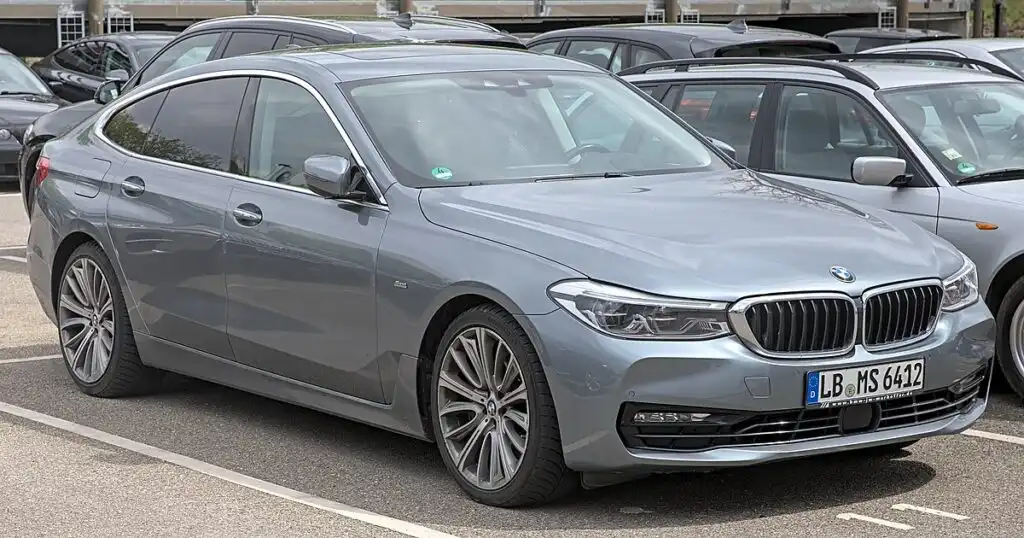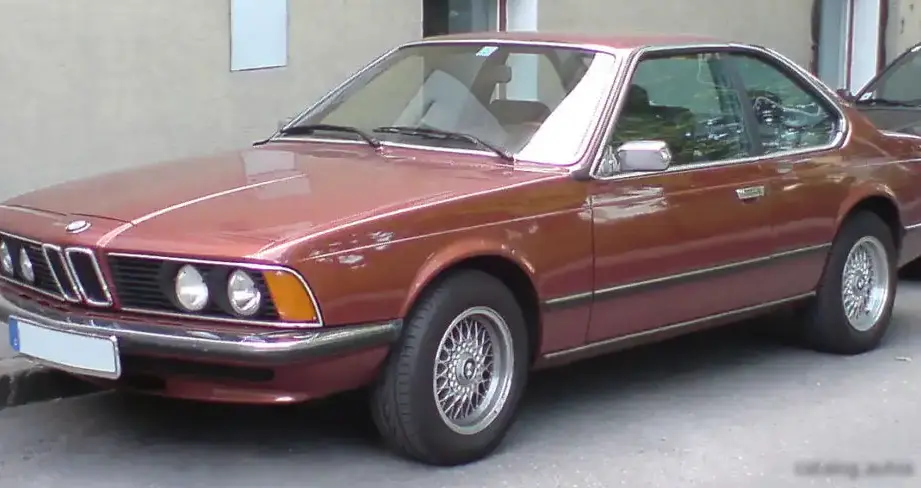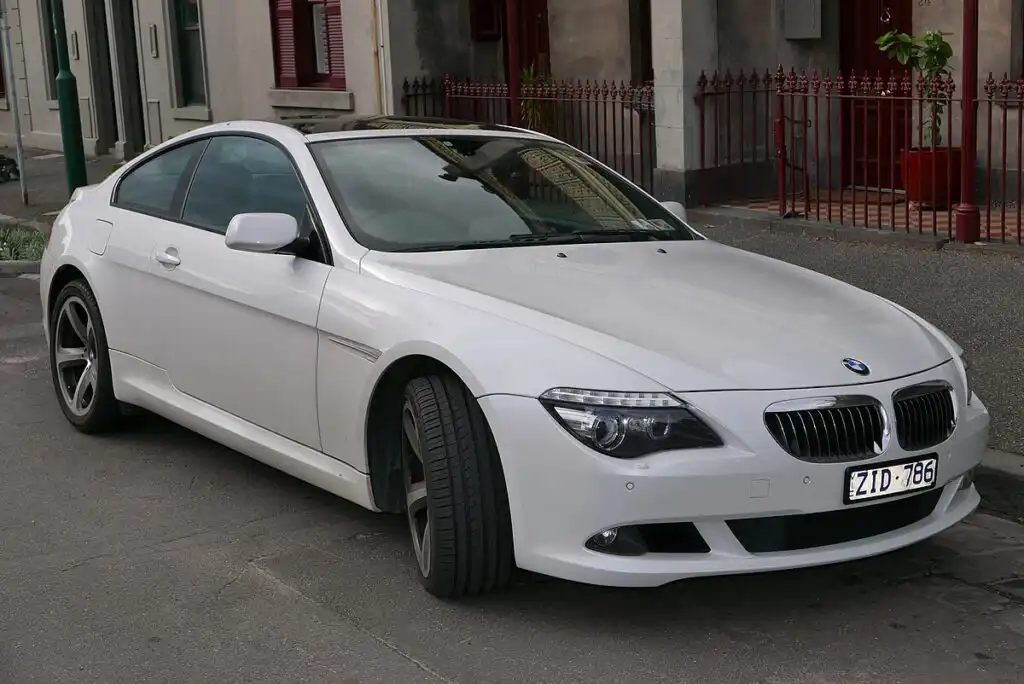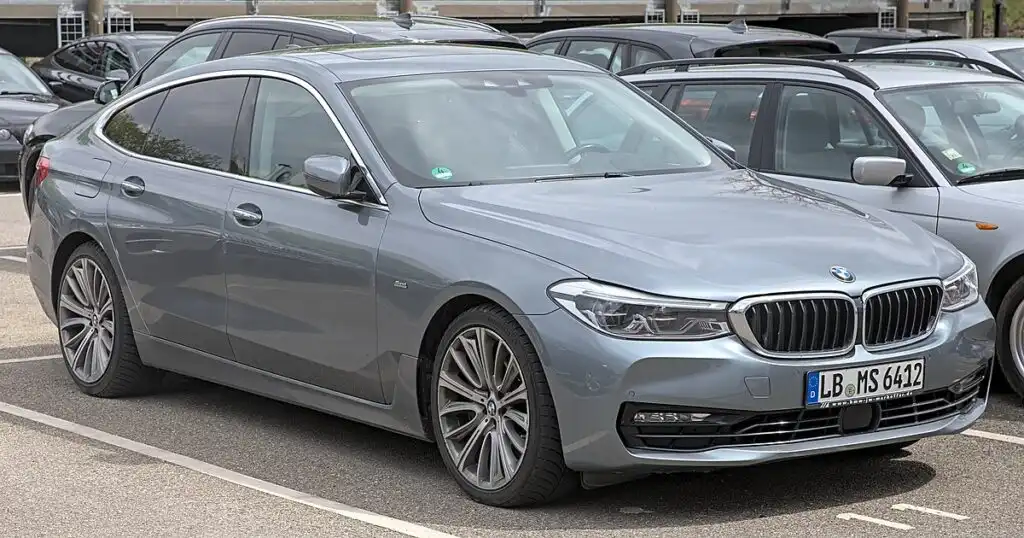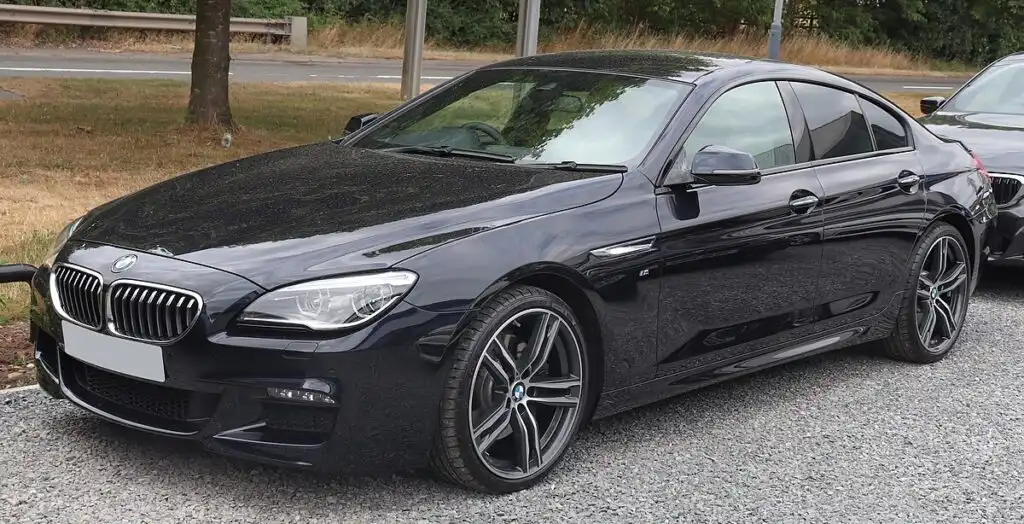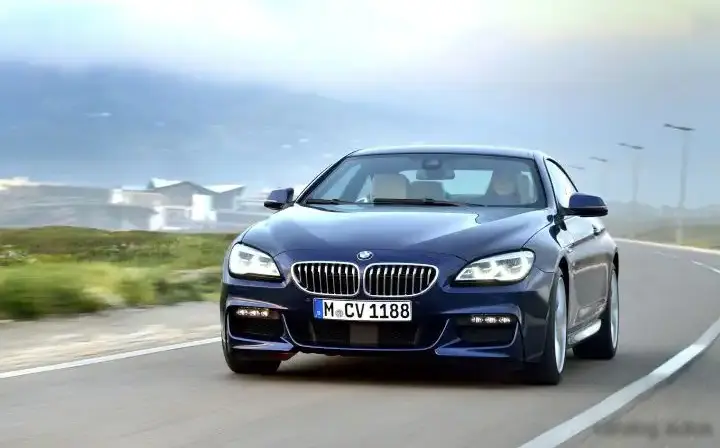
The BMW 640i Coupe (F13 LCI), produced from 2015 to 2018, represents the facelifted version of the second-generation 6 Series. Positioned as a mid-range offering within the 6 Series lineup, it bridged the gap between the entry-level 630i and the high-performance 650i. The “LCI” (Life Cycle Impulse) designation signifies BMW’s mid-cycle refresh, bringing updated styling, technology, and engine refinements to the already well-regarded F13 platform. This variant, equipped with the 320 horsepower N55 engine and the Steptronic 8-speed automatic transmission, aimed to deliver a balance of performance, luxury, and efficiency for the discerning grand tourer buyer in markets like North America and Europe.
Technical Specifications
| Brand | BMW |
| Model | 6 Series |
| Generation | 6 Series Coupe (F13 LCI, facelift 2015) |
| Type (Engine) | 640i (320 Hp) Steptronic |
| Start of production | 2015 |
| End of production | 2018 |
| Powertrain Architecture | Internal Combustion engine |
| Body type | Coupe |
| Seats | 4 |
| Doors | 2 |
| Fuel consumption (urban) | 10.3-10.7 l/100 km (22.8 – 22 US mpg, 27.4 – 26.4 UK mpg, 9.7 – 9.3 km/l) |
| Fuel consumption (extra urban) | 5.7-6.0 l/100 km (41.3 – 39.2 US mpg, 49.6 – 47.1 UK mpg, 17.5 – 16.7 km/l) |
| Fuel consumption (combined) | 7.4-7.7 l/100 km (31.8 – 30.5 US mpg, 38.2 – 36.7 UK mpg, 13.5 – 13 km/l) |
| CO2 emissions | 172-180 g/km |
| Fuel Type | Petrol (Gasoline) |
| Acceleration 0 – 100 km/h | 5.3 sec |
| Acceleration 0 – 62 mph | 5.3 sec |
| Acceleration 0 – 60 mph | 5 sec |
| Maximum speed | 250 km/h (155.34 mph) |
| Emission standard | Euro 6 |
| Weight-to-power ratio | 5.3 kg/Hp, 189.9 Hp/tonne |
| Weight-to-torque ratio | 3.7 kg/Nm, 267.1 Nm/tonne |
| Power | 320 Hp @ 5800-6000 rpm |
| Power per litre | 107.4 Hp/l |
| Torque | 450 Nm @ 1300-4500 rpm (331.9 lb.-ft. @ 1300-4500 rpm) |
| Engine layout | Front, Longitudinal |
| Engine Model/Code | N55B30A |
| Engine displacement | 2979 cm3 (181.79 cu. in.) |
| Number of cylinders | 6 |
| Engine configuration | Inline |
| Cylinder Bore | 84 mm (3.31 in.) |
| Piston Stroke | 89.6 mm (3.53 in.) |
| Compression ratio | 10.2:1 |
| Number of valves per cylinder | 4 |
| Fuel injection system | Direct injection |
| Engine aspiration | Twin-power turbo, Intercooler |
| Engine oil capacity | 6.5 l (6.87 US qt | 5.72 UK qt) |
| Coolant | 9.3 l (9.83 US qt | 8.18 UK qt) |
| Kerb Weight | 1685 kg (3714.79 lbs.) |
| Max. weight | 2210 kg (4872.22 lbs.) |
| Max load | 525 kg (1157.43 lbs.) |
| Trunk (boot) space – minimum | 460 l (16.24 cu. ft.) |
| Fuel tank capacity | 70 l (18.49 US gal | 15.4 UK gal) |
| Max. roof load | 75 kg (165.35 lbs.) |
| Length | 4894 mm (192.68 in.) |
| Width | 1894 mm (74.57 in.) |
| Height | 1369 mm (53.9 in.) |
| Wheelbase | 2855 mm (112.4 in.) |
| Front track | 1600 mm (62.99 in.) |
| Rear (Back) track | 1665 mm (65.55 in.) |
| Ride height (ground clearance) | 124 mm (4.88 in.) |
| Drag coefficient (Cd) | 0.29 |
| Minimum turning circle (turning diameter) | 11.7 m (38.39 ft.) |
| Drivetrain Architecture | The Internal combustion engine (ICE) drives the rear wheels of the vehicle. |
| Drive wheel | Rear wheel drive |
| Number of gears and type of gearbox | 8 gears, automatic transmission Steptronic |
| Front suspension | Double wishbone |
| Rear suspension | Independent multi-link suspension |
| Front brakes | Disc |
| Rear brakes | Disc |
| Assisting systems | ABS (Anti-lock braking system) |
| Steering type | Steering rack and pinion |
| Power steering | Electric Steering |
| Tires size | 225/55 R17; 245/45 R18; 275/45 R18; 245/40 R19; 275/35 R19; 245/35 R20; 275/30 R20 |
| Wheel rims size | 8J x 17; 8J x 18; 9J x 18; 8.5J x 19; 9J x 19; 8.5J x 20; 9J x 20 |
Powertrain & Engine Architecture
The heart of the 640i is BMW’s N55B30A, a 3.0-liter inline-six cylinder engine. This engine is a direct descendant of the highly-regarded N54, but replaces the N54’s twin-turbo setup with a single, twin-scroll turbocharger. This change aimed to improve responsiveness and broaden the torque curve. The N55 utilizes direct fuel injection, ensuring precise fuel delivery for optimal combustion and efficiency. Valvetrain is comprised of double-VANOS (variable valve timing) and double-VANOS, controlling both intake and exhaust valve timing for enhanced performance across the rev range. The engine produces 320 horsepower at 5800-6000 rpm and 450 Nm (331.9 lb-ft) of torque between 1300 and 4500 rpm. The Steptronic 8-speed automatic transmission is a crucial component, offering smooth and quick shifts. It features adaptive shift programs that adjust to the driver’s style and driving conditions. Manual shift capability via steering wheel-mounted paddles was also available.
Driving Characteristics
The 640i Coupe, with its 320 hp and automatic transmission, delivers a refined and capable grand touring experience. While not as overtly sporty as the 650i, it provides ample power for confident highway cruising and spirited driving. The automatic transmission is well-tuned, offering seamless gear changes and contributing to a comfortable ride. Acceleration from 0 to 60 mph takes approximately 5 seconds. The torque curve of the N55 engine ensures strong pull throughout the mid-range, making overtaking maneuvers effortless. Compared to the 630i, the 640i offers a noticeable performance upgrade, while remaining more accessible and fuel-efficient than the flagship 650i. The automatic transmission, while convenient, doesn’t offer the same level of driver engagement as the available manual option.
Equipment & Trim Levels
The 640i Coupe came standard with a generous array of features, including leather upholstery, power-adjustable seats with memory function, a premium sound system, automatic climate control, and BMW’s iDrive infotainment system with a central display screen. Optional extras were plentiful, allowing buyers to personalize their vehicles. These included features like active steering, adaptive suspension, a head-up display, a Bang & Olufsen sound system, and various interior trim options. Common packages bundled popular options together, such as the Driver Assistance Package (including features like lane departure warning and blind spot monitoring) and the Cold Weather Package (adding heated seats and steering wheel).
Chassis & Braking
The F13 6 Series utilizes a sophisticated chassis design. The front suspension employs a double wishbone setup, while the rear features an independent multi-link suspension. This configuration provides a comfortable ride while maintaining precise handling characteristics. The 640i typically came equipped with disc brakes on all four wheels, providing ample stopping power. ABS (Anti-lock Braking System) and electronic stability control were standard safety features. The steering system is a rack-and-pinion setup with electric power assistance, offering precise and responsive steering feel.
Market Reception & Comparison
The 640i Coupe was generally well-received by automotive critics. It was praised for its refined driving experience, luxurious interior, and powerful engine. Compared to the 630i, the 640i offered a significant performance boost, making it the preferred choice for drivers seeking a more engaging driving experience. Against the 650i, the 640i represented a more sensible option for those prioritizing value and fuel efficiency. Fuel economy figures averaged around 31.8 – 30.5 US mpg combined, making it relatively efficient for a luxury coupe. Reliability was generally good, although some owners reported minor issues with the cooling system and electronic components.
Legacy
The BMW 640i Coupe (F13 LCI) remains a desirable grand tourer in the used car market. The N55 engine is known for its durability and relatively straightforward maintenance. While not as collectible as some of BMW’s more iconic models, the F13 6 Series offers a compelling combination of performance, luxury, and style at a reasonable price point. Regular maintenance, including oil changes and cooling system inspections, is crucial for ensuring the long-term reliability of this powertrain. The 8-speed Steptronic transmission has proven to be robust and reliable, requiring minimal maintenance beyond fluid changes.