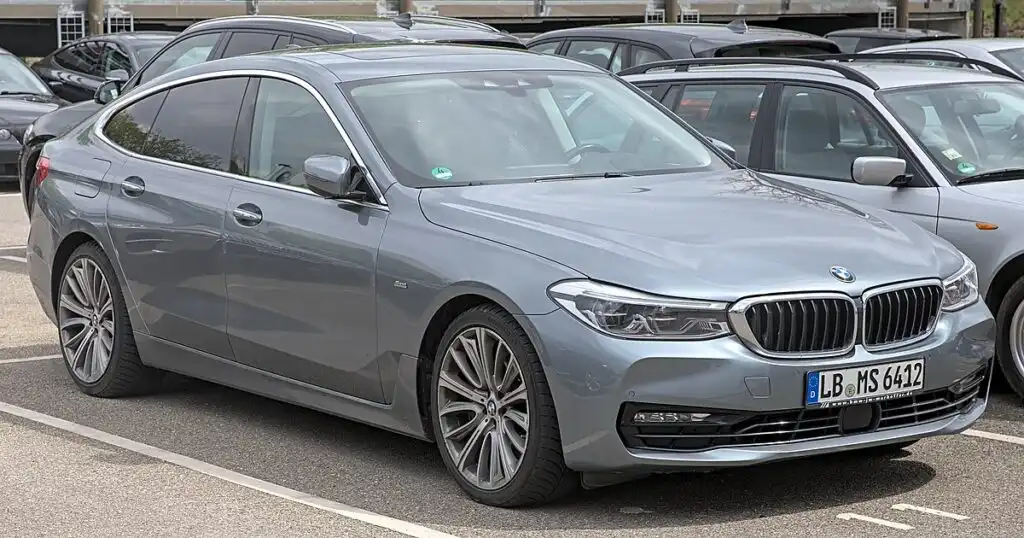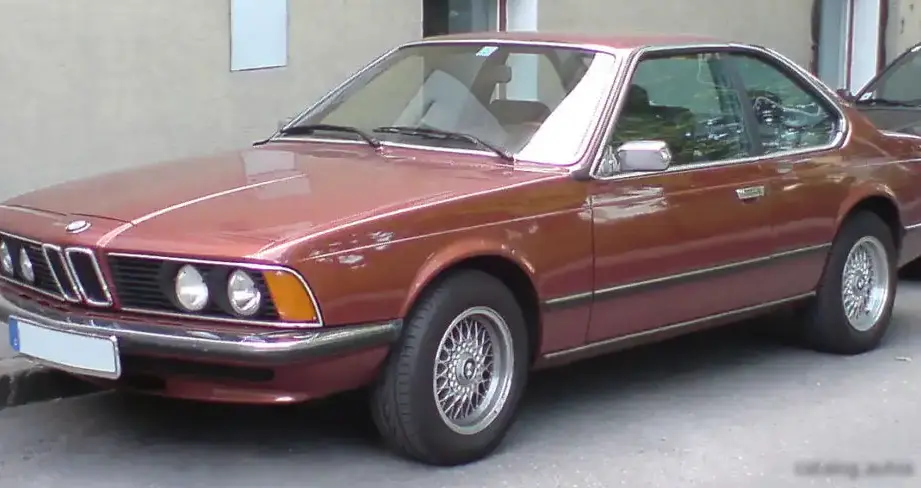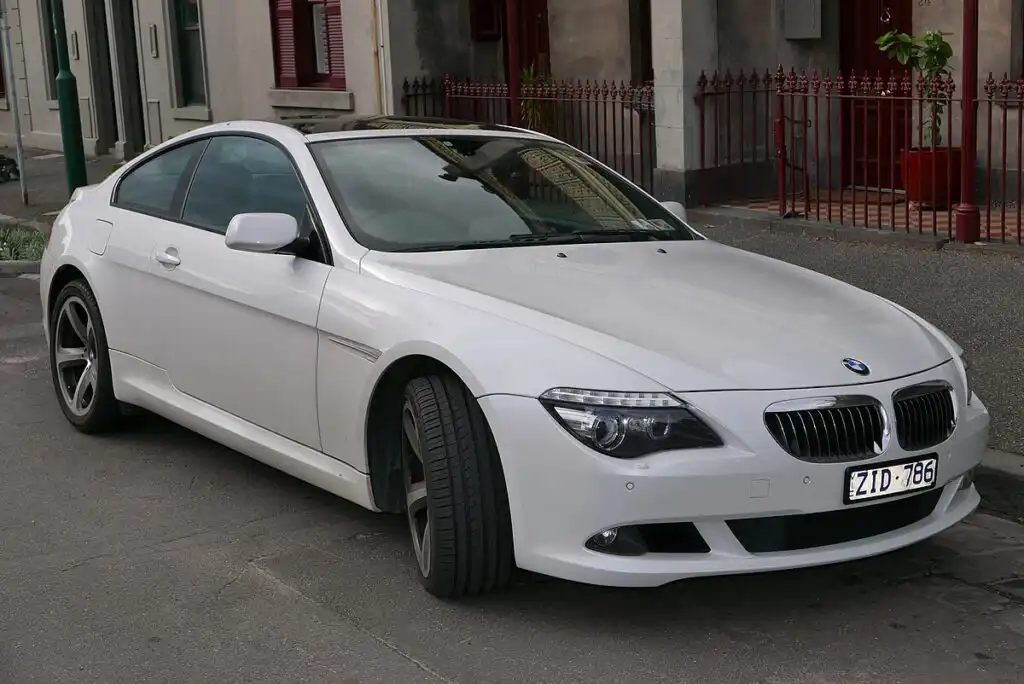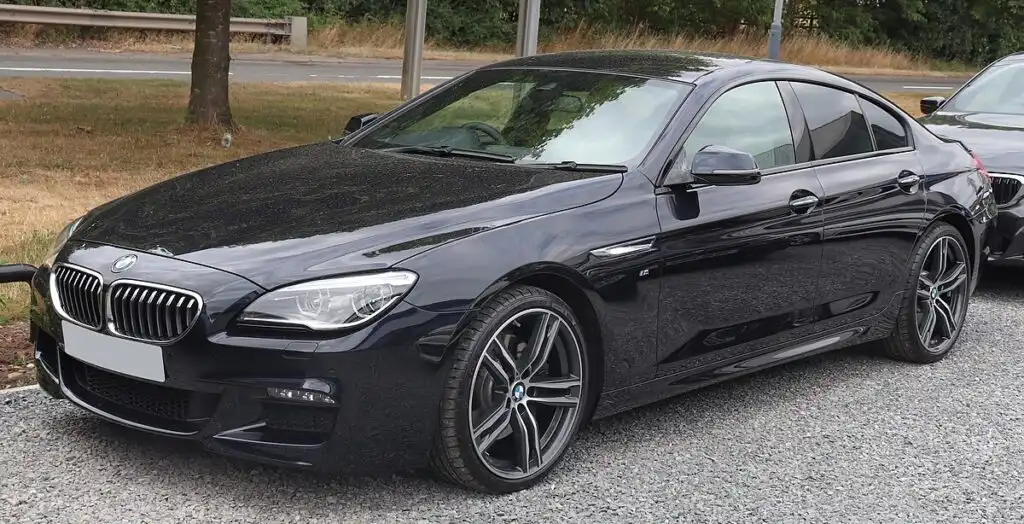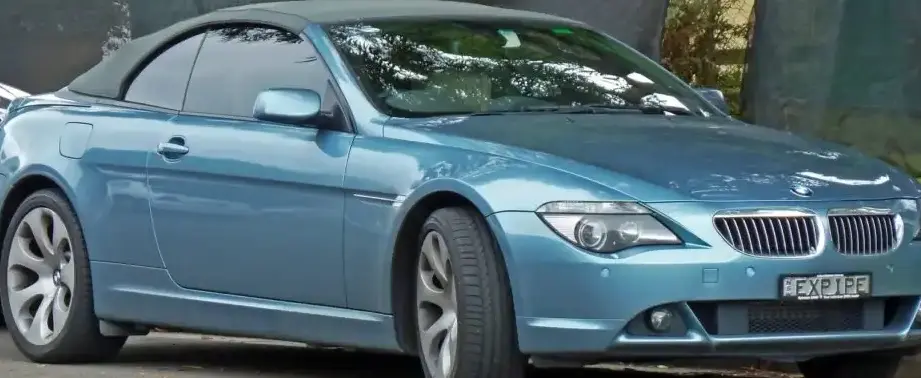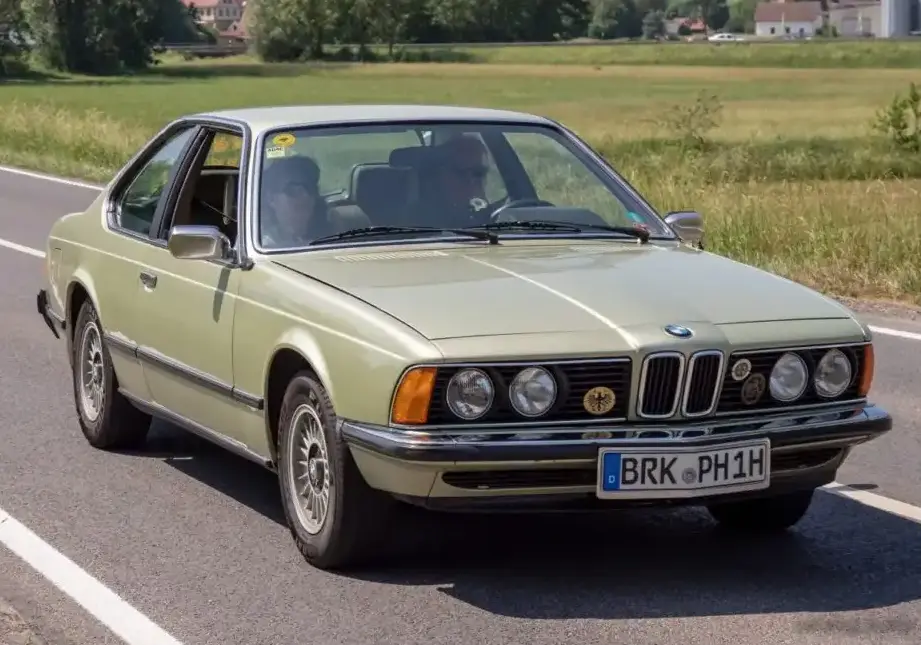
The BMW 633CSi, produced between 1979 and 1982, represents a pivotal point in the first generation (E24) 6 Series lineup. Positioned as a mid-range offering, it bridged the gap between the entry-level 630CS and the high-performance 635CSi. This coupe aimed to deliver a blend of grand touring comfort and respectable performance, appealing to buyers seeking a sophisticated and capable luxury vehicle. The 633CSi was a key model for BMW in establishing the 6 Series as a benchmark for sporting coupes, particularly in the European market, and began to gain traction in the US as well.
Technical Specifications
| Brand | BMW |
| Model | 6 Series |
| Generation | 6 Series (E24) |
| Type (Engine) | 633CSi (197 Hp) Automatic |
| Start of production | 1979 |
| End of production | 1982 |
| Powertrain Architecture | Internal Combustion engine |
| Body type | Coupe |
| Seats | 4 |
| Doors | 2 |
| Fuel consumption (economy) – urban | 16.3 l/100 km (14.4 US mpg, 17.3 UK mpg, 6.1 km/l) |
| Fuel consumption (economy) – extra urban | 9.2 l/100 km (25.6 US mpg, 30.7 UK mpg, 10.9 km/l) |
| Fuel consumption (economy) – combined | 12.2 l/100 km (19.3 US mpg, 23.2 UK mpg, 8.2 km/l) |
| Fuel Type | Petrol (Gasoline) |
| Acceleration 0 – 100 km/h | 10.4 sec |
| Acceleration 0 – 62 mph | 10.4 sec |
| Acceleration 0 – 60 mph | 9.9 sec |
| Maximum speed | 207 km/h (128.62 mph) |
| Weight-to-power ratio | 7.6 kg/Hp, 132.2 Hp/tonne |
| Weight-to-torque ratio | 5.2 kg/Nm, 191.3 Nm/tonne |
| Power | 197 Hp @ 5500 rpm |
| Power per litre | 61.4 Hp/l |
| Torque | 285 Nm @ 4300 rpm (210.21 lb.-ft. @ 4300 rpm) |
| Engine layout | Front, Longitudinal |
| Engine Model/Code | M30B32 |
| Engine displacement | 3210 cm3 (195.89 cu. in.) |
| Number of cylinders | 6 |
| Engine configuration | Inline |
| Cylinder Bore | 89 mm (3.5 in.) |
| Piston Stroke | 86 mm (3.39 in.) |
| Compression ratio | 9.3:1 |
| Number of valves per cylinder | 2 |
| Fuel injection system | Multi-port manifold injection |
| Engine aspiration | Naturally aspirated engine |
| Engine oil capacity | 5.8 l (6.13 US qt | 5.1 UK qt) |
| Kerb Weight | 1490 kg (3284.89 lbs.) |
| Max. weight | 1830 kg (4034.46 lbs.) |
| Max load | 340 kg (749.57 lbs.) |
| Trunk (boot) space – minimum | 415 l (14.66 cu. ft.) |
| Fuel tank capacity | 70 l (18.49 US gal | 15.4 UK gal) |
| Permitted trailer load with brakes (12%) | 1600 kg (3527.4 lbs.) |
| Length | 4755 mm (187.2 in.) |
| Width | 1725 mm (67.91 in.) |
| Height | 1365 mm (53.74 in.) |
| Wheelbase | 2626 mm (103.39 in.) |
| Front track | 1422 mm (55.98 in.) |
| Rear (Back) track | 1487 mm (58.54 in.) |
| Drag coefficient (Cd) | 0.41 |
| Minimum turning circle (turning diameter) | 11.2 m (36.75 ft.) |
| Drivetrain Architecture | The Internal combustion engine (ICE) drives the rear wheels of the vehicle. |
| Drive wheel | Rear wheel drive |
| Number of gears and type of gearbox | 3 gears, automatic transmission |
| Front suspension | Independent, type McPherson with coil spring and anti-roll bar |
| Rear suspension | Independent coil spring |
| Front brakes | Ventilated discs |
| Rear brakes | Disc |
| Steering type | Worm-reduction unit |
| Tires size | 195/70 VR14 |
| Wheel rims size | 14 |
Powertrain & Engine Architecture
The heart of the 633CSi is the M30B32 engine, a 3.2-liter inline-six cylinder powerplant. This engine, a descendant of BMW’s long-running M30 family, featured a cast iron block and an aluminum cylinder head. It utilized Bosch L-Jetronic multi-port fuel injection, a significant advancement over earlier carbureted BMW engines, improving fuel efficiency and responsiveness. The engine produced 197 horsepower at 5,500 rpm and 285 Nm (210 lb-ft) of torque at 4,300 rpm. The automatic transmission was a 3-speed unit, designed to provide smooth shifts and ease of driving, prioritizing comfort over outright performance. This transmission was a common choice for buyers who preferred a more relaxed driving experience.
Driving Characteristics
The 633CSi Automatic offered a comfortable and refined driving experience. While not as overtly sporty as the 635CSi with its manual transmission, it still provided ample power for highway cruising and spirited driving. The automatic transmission, while smooth, did result in some power loss compared to the manual versions. Acceleration from 0 to 60 mph took approximately 9.9 seconds, and the top speed was around 128.62 mph. The gear ratios were optimized for cruising, making it a capable grand tourer. However, downshifts could be somewhat slow, and the transmission didn’t offer the same level of driver engagement as a manual gearbox.
Equipment & Trim Levels
The 633CSi came standard with a respectable level of equipment for its time. This included power windows, central locking, and a high-quality sound system. The interior typically featured cloth upholstery, although leather was available as an option. The dashboard layout was classic BMW, with a driver-focused design and clear instrumentation. Optional extras included a sunroof, air conditioning, and upgraded audio systems. The trim level was generally consistent, with variations primarily stemming from optional packages selected by the buyer.
Chassis & Braking
The E24 6 Series chassis was renowned for its balance and handling. The 633CSi featured independent suspension all around, with McPherson struts at the front and a semi-trailing arm setup at the rear. This provided a comfortable ride while maintaining good control in corners. Braking was accomplished via ventilated discs at the front and solid discs at the rear. While effective, the braking system wasn’t as powerful as those found on later BMW models. The car’s weight of approximately 3285 lbs was relatively high for the era, impacting handling slightly compared to lighter variants.
Market Reception & Comparison
The 633CSi was generally well-received by automotive critics. It was praised for its comfortable ride, refined interior, and capable engine. However, some reviewers noted that the automatic transmission detracted from the overall driving experience. Compared to the 630CS, the 633CSi offered a significant performance boost. In contrast to the 635CSi, it was more affordable and easier to drive, making it a popular choice for buyers who prioritized comfort and convenience. Fuel economy was typical for a vehicle of its size and era, averaging around 19.3 US mpg combined.
Legacy
The BMW 633CSi remains a desirable classic car today. The M30B32 engine is known for its durability and relatively straightforward maintenance. However, like all classic BMWs, it requires regular attention to prevent issues such as oil leaks and corrosion. The automatic transmission, while reliable, can be expensive to repair if it fails. The 633CSi’s blend of style, comfort, and performance has ensured its continued appeal to enthusiasts and collectors. Well-maintained examples command a premium in the used car market, representing a piece of BMW’s rich automotive history.