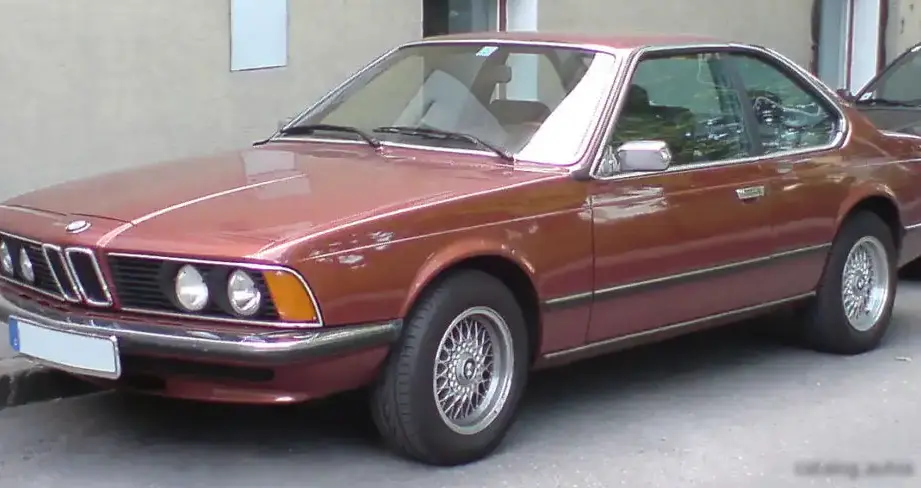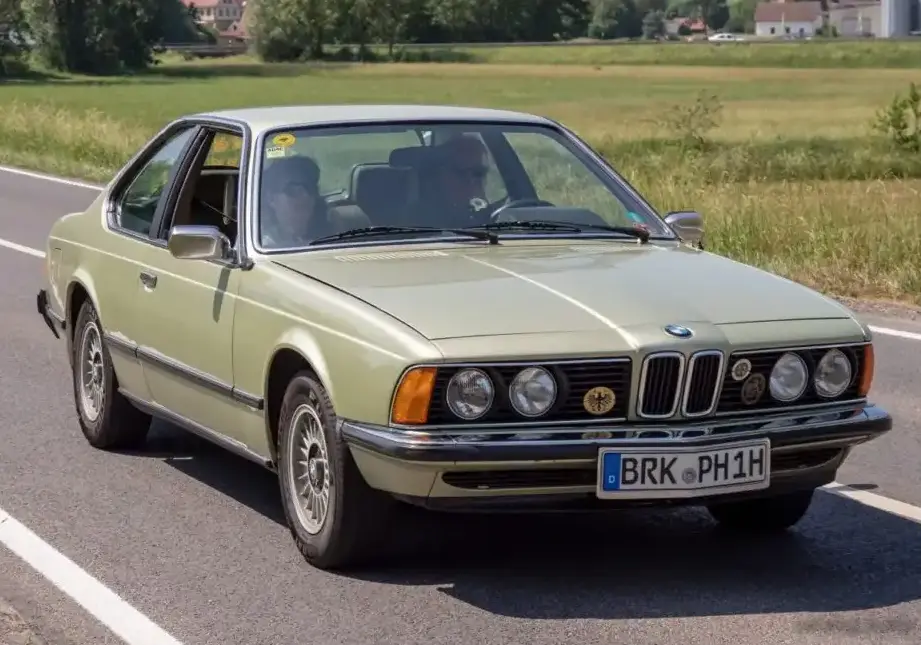
The BMW 633CSi, produced between 1976 and 1979, represents a pivotal point in the evolution of the 6 Series (E24) grand tourer. Positioned as a mid-range offering within the initial E24 lineup, it bridged the gap between the entry-level 630CS and the high-performance 635CSi. This variant, characterized by its 3.3-liter inline-six engine paired with a three-speed automatic transmission, aimed to deliver a blend of refinement, performance, and ease of use, appealing to buyers seeking a luxurious and capable coupe. The 633CSi played a significant role in establishing the E24 as a benchmark for sporting luxury cars, particularly in the North American market where automatic transmissions were highly preferred.
Technical Specifications
| Brand | BMW |
| Model | 6 Series |
| Generation | 6 Series (E24) |
| Type (Engine) | 633CSi (200 Hp) Automatic |
| Start of production | 1976 |
| End of production | 1979 |
| Powertrain Architecture | Internal Combustion engine |
| Body type | Coupe |
| Seats | 4 |
| Doors | 2 |
| Fuel consumption (combined) | 11.6 l/100 km |
| Fuel consumption (US mpg) | 20.3 US mpg |
| Fuel consumption (UK mpg) | 24.4 UK mpg |
| Fuel consumption (km/l) | 8.6 km/l |
| Fuel Type | Petrol (Gasoline) |
| Acceleration 0 – 100 km/h | 10.4 sec |
| Acceleration 0 – 62 mph | 10.4 sec |
| Acceleration 0 – 60 mph | 9.9 sec |
| Maximum speed | 207 km/h (128.62 mph) |
| Weight-to-power ratio | 7.5 kg/Hp |
| Power per tonne | 134.2 Hp/tonne |
| Weight-to-torque ratio | 5.2 kg/Nm |
| Torque per tonne | 190.6 Nm/tonne |
| Power | 200 Hp @ 5500 rpm |
| Power per litre | 62.3 Hp/l |
| Torque | 284 Nm @ 4250 rpm (209.47 lb.-ft. @ 4250 rpm) |
| Engine layout | Front, Longitudinal |
| Engine Model/Code | M30B32 |
| Engine displacement | 3210 cm3 (195.89 cu. in.) |
| Number of cylinders | 6 |
| Engine configuration | Inline |
| Cylinder Bore | 89 mm (3.5 in.) |
| Piston Stroke | 86 mm (3.39 in.) |
| Compression ratio | 9:1 |
| Number of valves per cylinder | 2 |
| Fuel injection system | Multi-port manifold injection |
| Engine aspiration | Naturally aspirated |
| Engine oil capacity | 5.8 l (6.13 US qt | 5.1 UK qt) |
| Kerb Weight | 1490 kg (3284.89 lbs.) |
| Max. weight | 1830 kg (4034.46 lbs.) |
| Max load | 340 kg (749.57 lbs.) |
| Trunk (boot) space – minimum | 415 l (14.66 cu. ft.) |
| Fuel tank capacity | 70 l (18.49 US gal | 15.4 UK gal) |
| Length | 4755 mm (187.2 in.) |
| Width | 1725 mm (67.91 in.) |
| Height | 1365 mm (53.74 in.) |
| Wheelbase | 2626 mm (103.39 in.) |
| Front track | 1422 mm (55.98 in.) |
| Rear (Back) track | 1487 mm (58.54 in.) |
| Drag coefficient (Cd) | 0.41 |
| Minimum turning circle | 11.2 m (36.75 ft.) |
| Drivetrain Architecture | Rear wheel drive |
| Number of gears | 3 |
| Gearbox type | Automatic transmission |
| Front suspension | Independent, type McPherson with coil spring and anti-roll bar |
| Rear suspension | Independent coil spring |
| Front brakes | Ventilated discs |
| Rear brakes | Disc |
| Steering type | Worm-reduction unit |
| Tires size | 195/70 VR14 |
| Wheel rims size | 14 |
Powertrain & Engine Architecture
The heart of the 633CSi is the M30B32 engine, a 3.3-liter inline-six cylinder powerplant. This engine, a descendant of the earlier M30 family, featured a cast iron block and an aluminum cylinder head. It employed a Bosch K-Jetronic fuel injection system, a mechanical continuous injection system known for its reliability and relatively smooth operation. The engine’s valvetrain consisted of a single overhead camshaft operating two valves per cylinder. The M30B32 produced 200 horsepower at 5,500 rpm and 284 Nm (209.47 lb-ft) of torque at 4,250 rpm. Paired with this engine was a three-speed automatic transmission, a common choice for American buyers prioritizing comfort and convenience. This transmission, while not offering the driver engagement of a manual, provided smooth shifts and contributed to the car’s overall refined driving experience.
Driving Characteristics
The 633CSi Automatic offered a distinctly different driving experience compared to its manual transmission counterparts or the more powerful 635CSi. The automatic transmission, while smooth, resulted in a noticeable reduction in acceleration. The 0-60 mph time of around 9.9 seconds was respectable for the era, but slower than the manual version. The three-speed automatic’s gear ratios were optimized for cruising and comfort rather than outright performance. Power delivery was linear, but the engine felt less responsive than the 635CSi’s larger displacement and higher output engine. However, the 633CSi excelled as a comfortable and capable grand tourer, offering a relaxed driving experience on long journeys. The suspension provided a good balance between ride comfort and handling, making it a pleasant car to drive on a variety of road surfaces.
Equipment & Trim Levels
The 633CSi Automatic came standard with a respectable level of equipment for its time. Standard features included power windows, central locking, and a high-quality sound system. The interior was typically upholstered in leather, with wood trim accents adding to the luxurious ambiance. Air conditioning was a common option. Buyers could also specify options such as a sunroof, heated seats, and a more advanced sound system. The dashboard layout was driver-focused, with clearly marked gauges and controls. The overall interior design emphasized elegance and comfort, reflecting the car’s grand touring aspirations.
Chassis & Braking
The E24 chassis featured an independent suspension system at all four wheels. The front suspension utilized McPherson struts with coil springs and an anti-roll bar, while the rear suspension employed a semi-trailing arm design with coil springs. The 633CSi was equipped with ventilated disc brakes at the front and solid disc brakes at the rear. The braking system provided adequate stopping power for the car’s weight and performance. Steering was accomplished via a worm-reduction unit, offering a relatively heavy but precise feel. The car’s weight distribution was well-balanced, contributing to its stable handling characteristics.
Market Reception & Comparison
The 633CSi Automatic was generally well-received by automotive critics. It was praised for its comfortable ride, refined interior, and smooth-shifting automatic transmission. However, some critics noted that the automatic transmission diminished the car’s performance potential compared to the manual version. Compared to the 630CS, the 633CSi offered a significant performance upgrade. In contrast to the 635CSi, the 633CSi was positioned as a more accessible and affordable option, appealing to buyers who prioritized comfort and refinement over outright performance. Fuel economy was typical for a car of its size and era, averaging around 20.3 US mpg.
Legacy
The BMW 633CSi, while often overshadowed by its more powerful sibling, the 635CSi, remains a desirable classic car today. The M30B32 engine is known for its durability and relatively straightforward maintenance. The automatic transmission, while not as sought after by enthusiasts as the manual, is generally reliable. Well-maintained examples of the 633CSi command respectable prices in the used car market, reflecting their enduring appeal as stylish and capable grand tourers. The car’s blend of performance, luxury, and reliability has cemented its place as a significant model in BMW’s history.