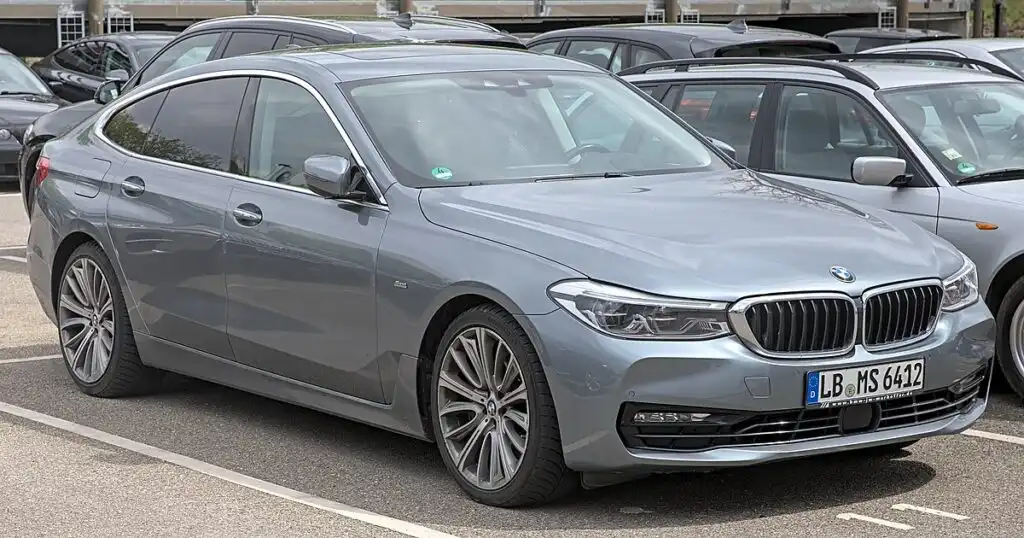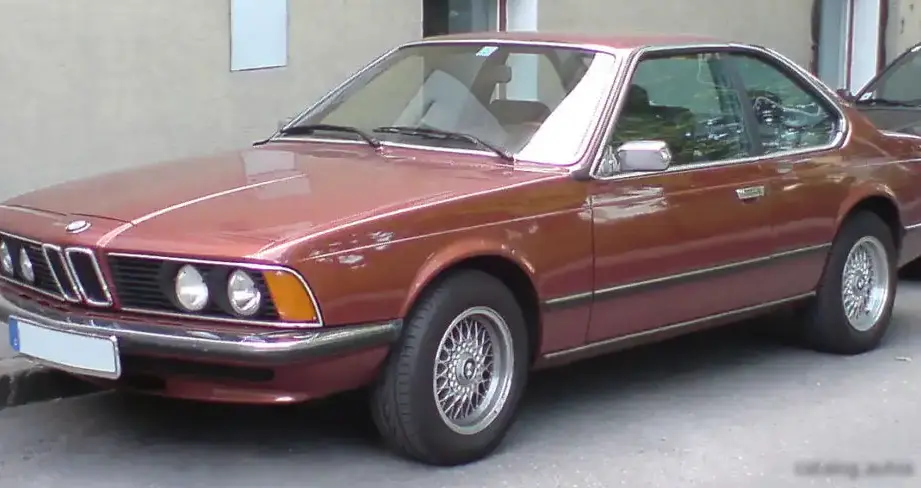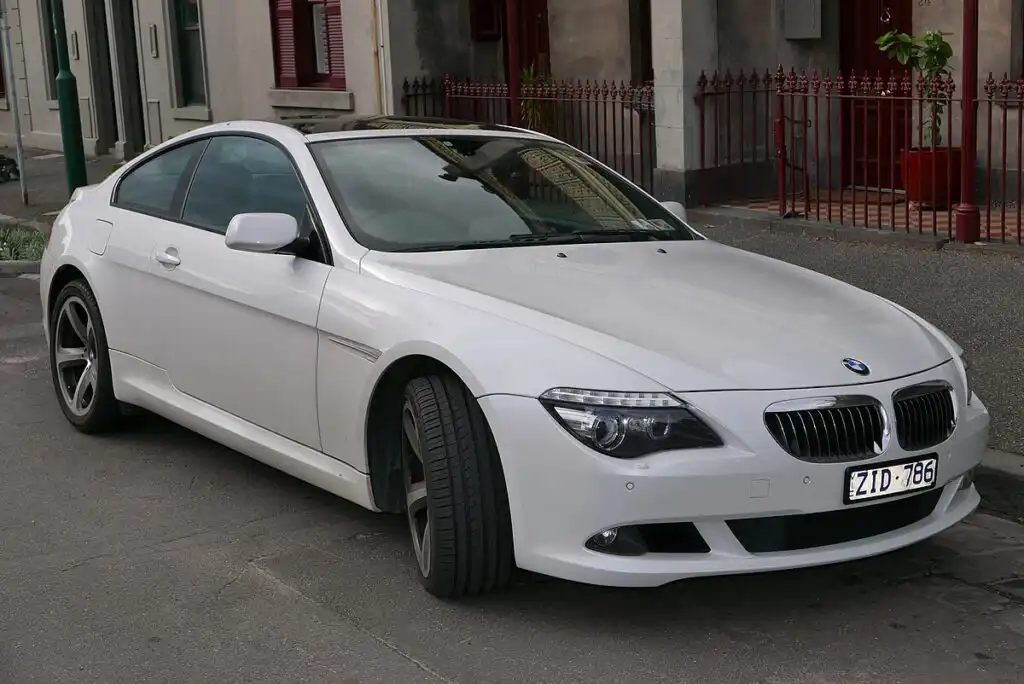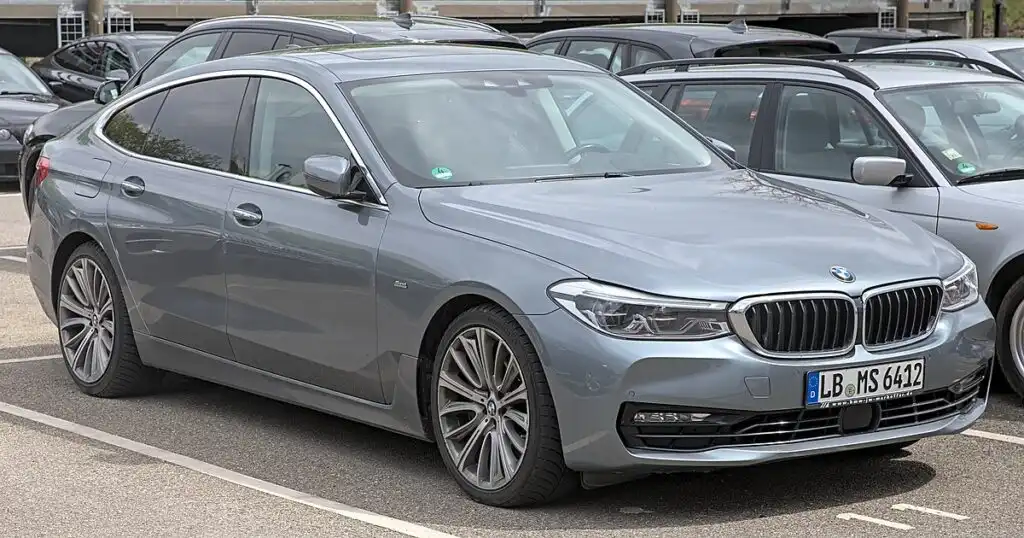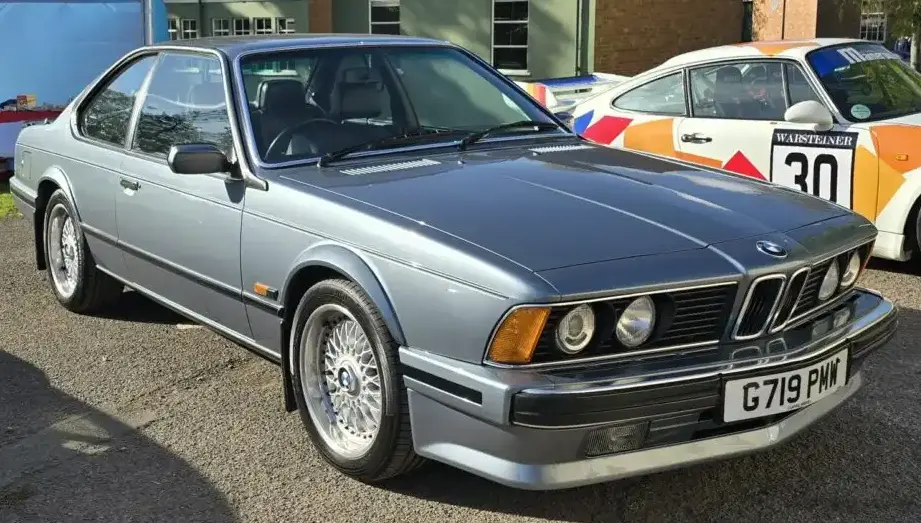
The BMW M635CSi, produced from 1987 to 1989, represents the pinnacle of the E24 6 Series coupe. This high-performance variant, often considered a precursor to the modern M cars, was designed to blend grand touring comfort with exhilarating performance. The “M635CSi” designation signified a significant upgrade over the standard 635CSi, boasting a more powerful engine, upgraded suspension, and distinctive styling cues. It was a key model for BMW in the late 1980s, appealing to enthusiasts seeking a sophisticated and capable sports coupe. The facelifted E24 models, including the M635CSi, benefited from subtle but important refinements to the exterior and interior, enhancing both aesthetics and usability.
Technical Specifications
| Brand | BMW |
| Model | 6 Series |
| Generation | 6 Series (E24, facelift 1987) |
| Type (Engine) | M 635CSi (260 Hp) cat |
| Start of production | 1987 |
| End of production | 1989 |
| Powertrain Architecture | Internal Combustion engine |
| Body type | Coupe |
| Seats | 4 |
| Doors | 2 |
| Fuel consumption (economy) – urban | 17.6 l/100 km (13.4 US mpg, 16.1 UK mpg, 5.7 km/l) |
| Fuel consumption (economy) – extra urban | 8.1 l/100 km (29 US mpg, 34.9 UK mpg, 12.3 km/l) |
| Fuel consumption (economy) – combined | 11.9 l/100 km (19.8 US mpg, 23.7 UK mpg, 8.4 km/l) |
| Fuel Type | Petrol (Gasoline) |
| Acceleration 0 – 100 km/h | 6.9 sec |
| Acceleration 0 – 62 mph | 6.9 sec |
| Acceleration 0 – 60 mph | 6.6 sec |
| Maximum speed | 242 km/h (150.37 mph) |
| Weight-to-power ratio | 5.8 kg/Hp, 171.6 Hp/tonne |
| Weight-to-torque ratio | 4.6 kg/Nm, 217.8 Nm/tonne |
| Power | 260 Hp @ 6500 rpm |
| Power per litre | 75.3 Hp/l |
| Torque | 330 Nm @ 4500 rpm (243.4 lb.-ft. @ 4500 rpm) |
| Engine layout | Front, Longitudinal |
| Engine Model/Code | M88 |
| Engine displacement | 3453 cm3 (210.71 cu. in.) |
| Number of cylinders | 6 |
| Engine configuration | Inline |
| Cylinder Bore | 93.4 mm (3.68 in.) |
| Piston Stroke | 84 mm (3.31 in.) |
| Compression ratio | 9.8:1 |
| Number of valves per cylinder | 4 |
| Fuel injection system | Multi-port manifold injection |
| Engine aspiration | Naturally aspirated engine |
| Engine oil capacity | 5.8 l (6.13 US qt | 5.1 UK qt) |
| Coolant | 12 l (12.68 US qt | 10.56 UK qt) |
| Kerb Weight | 1515 kg (3340 lbs.) |
| Max. weight | 1865 kg (4111.62 lbs.) |
| Max load | 350 kg (771.62 lbs.) |
| Trunk (boot) space – minimum | 335 l (11.83 cu. ft.) |
| Fuel tank capacity | 70 l (18.49 US gal | 15.4 UK gal) |
| Length | 4815 mm (189.57 in.) |
| Width | 1725 mm (67.91 in.) |
| Height | 1355 mm (53.35 in.) |
| Wheelbase | 2625 mm (103.35 in.) |
| Front track | 1430 mm (56.3 in.) |
| Rear (Back) track | 1464 mm (57.64 in.) |
| Drag coefficient (Cd) | 0.39 |
| Minimum turning circle | 11.7 m (38.39 ft.) |
| Drivetrain Architecture | Rear wheel drive |
| Number of gears and type of gearbox | 5 gears, manual transmission |
| Front suspension | Independent, type McPherson with coil spring and anti-roll bar |
| Rear suspension | Independent coil spring |
| Front brakes | Ventilated discs |
| Rear brakes | Disc |
| Steering type | Cone worm with recirculation balls |
| Tires size | 195/70 R14 |
| Wheel rims size | 6.5J x 14 |
Powertrain & Engine Architecture
The heart of the M635CSi is the M88 inline-six engine. This 3.5-liter powerplant was derived from the engine used in the BMW M1 supercar, though detuned for road use and greater reliability. It featured a cast iron block and an aluminum cylinder head, equipped with dual overhead camshafts and four valves per cylinder. Bosch Motronic fuel injection managed the air-fuel mixture, optimizing performance and emissions. The M88 produced 260 horsepower at 6,500 rpm and 243 lb-ft of torque at 4,500 rpm. The engine’s robust construction and sophisticated design allowed it to rev freely and deliver a linear powerband. The M635CSi was exclusively offered with a close-ratio 5-speed manual transmission, designed to handle the engine’s output and provide precise gear changes. This transmission was a key component in the car’s overall driving experience.
Driving Characteristics
The M635CSi offered a compelling blend of performance and refinement. Acceleration from 0 to 60 mph took approximately 6.6 seconds, and it could reach a top speed of 150 mph. The manual transmission provided direct control, allowing drivers to fully exploit the engine’s power. The suspension, featuring stiffer springs and dampers compared to the standard 635CSi, minimized body roll and provided excellent handling. The steering was precise and communicative, offering a rewarding driving experience. While not as raw or visceral as some contemporary sports cars, the M635CSi excelled as a grand tourer, capable of covering long distances in comfort and style while still delivering exhilarating performance when desired.
Equipment & Trim Levels
The M635CSi came well-equipped as standard. Interior features included sport seats upholstered in leather, a leather-wrapped steering wheel, and power windows and locks. A sunroof was also a standard feature. Optional extras included a premium sound system, metallic paint, and a limited-slip differential, which further enhanced handling performance. The interior design was functional and driver-focused, with clear instrumentation and a logical layout. The M635CSi’s interior reflected its status as a high-performance luxury coupe.
Chassis & Braking
The M635CSi’s chassis was based on the standard E24 6 Series platform, but with significant modifications. Stiffer springs, upgraded dampers, and a thicker anti-roll bar improved handling and reduced body roll. The braking system featured ventilated disc brakes at all four corners, providing ample stopping power. The rear suspension utilized independent coil springs, contributing to a comfortable ride and stable handling. The car’s weight distribution was carefully balanced, further enhancing its dynamic capabilities.
Market Reception & Comparison
The M635CSi was widely praised by automotive journalists for its performance, handling, and refinement. It was often compared favorably to other high-performance coupes of the era, such as the Porsche 911 and the Jaguar XJS. Critics noted its comfortable ride, spacious interior, and sophisticated styling. Compared to the standard 635CSi, the M635CSi offered a significant performance upgrade, justifying its higher price tag. Fuel economy, however, was not a strong point, with combined fuel consumption around 19.8 US mpg. Reliability was generally good, although maintenance costs could be high due to the complexity of the engine and the availability of parts.
Legacy
The BMW M635CSi is now a highly sought-after classic car. Its combination of performance, luxury, and timeless styling has made it a favorite among collectors and enthusiasts. The M88 engine is renowned for its durability and tunability, and well-maintained examples continue to provide years of driving pleasure. The M635CSi played a significant role in establishing BMW’s reputation for building high-performance automobiles, and it remains a benchmark for grand touring coupes. Today, prices for well-preserved M635CSi models continue to rise, reflecting their increasing rarity and desirability in the collector car market.