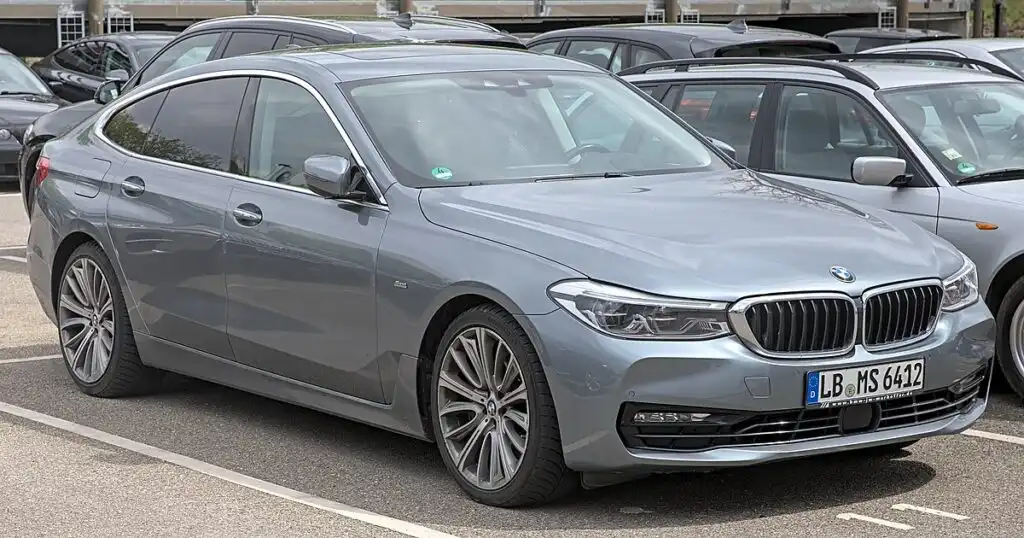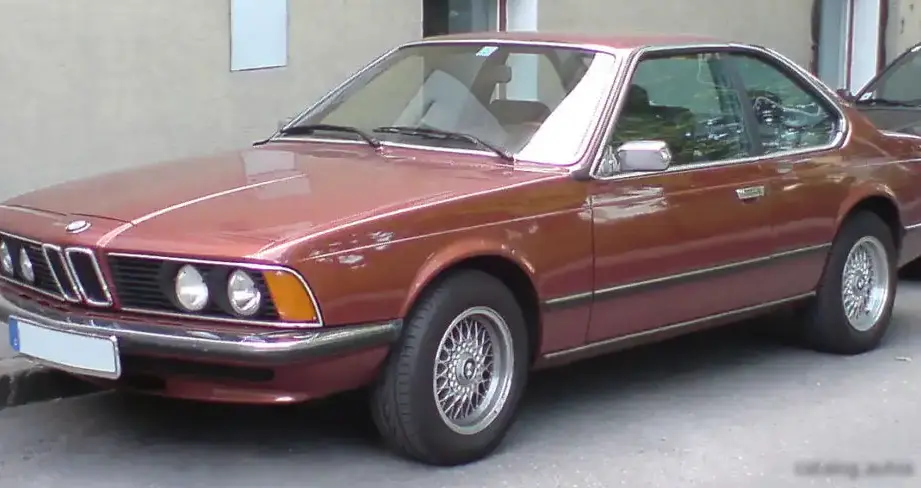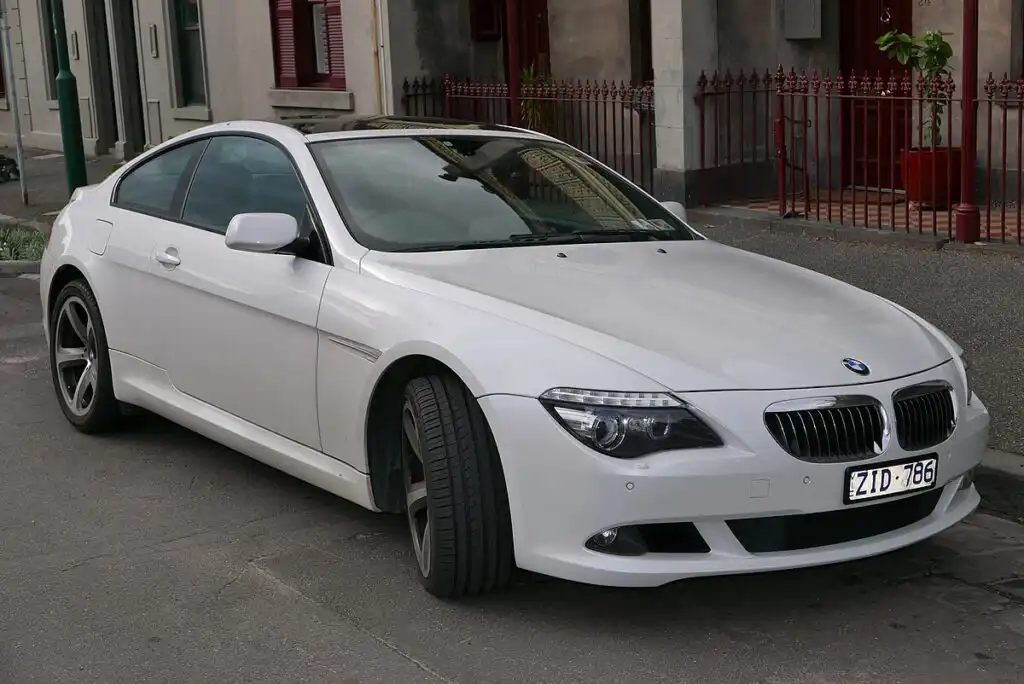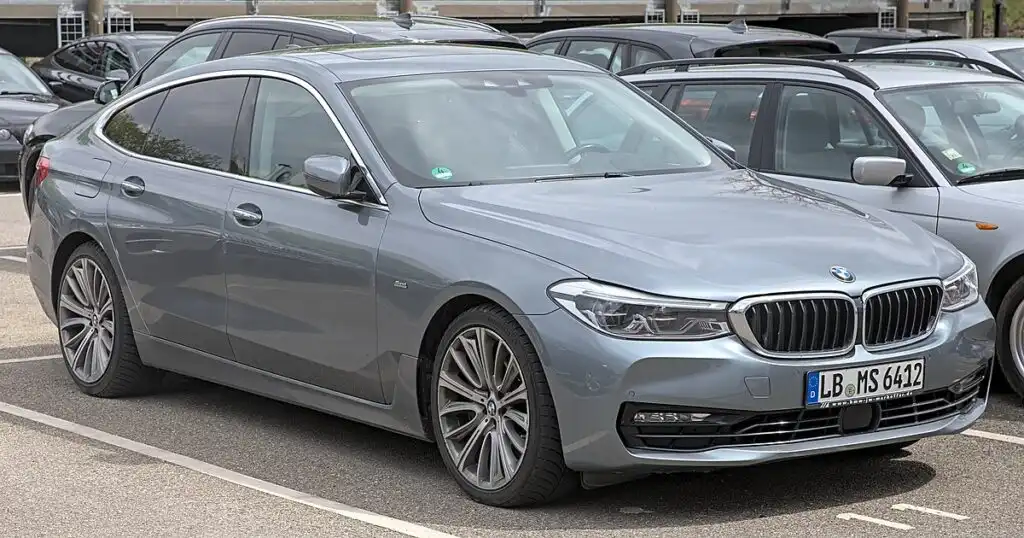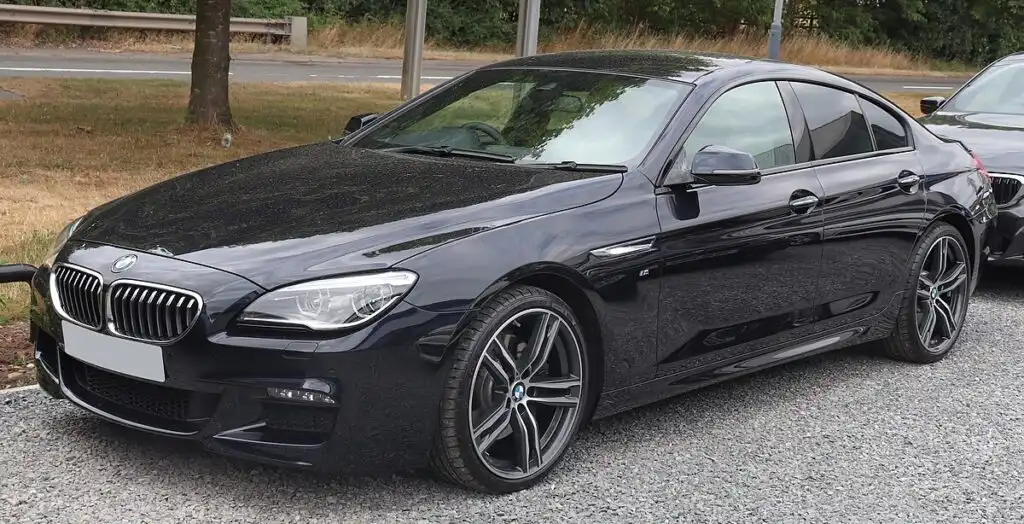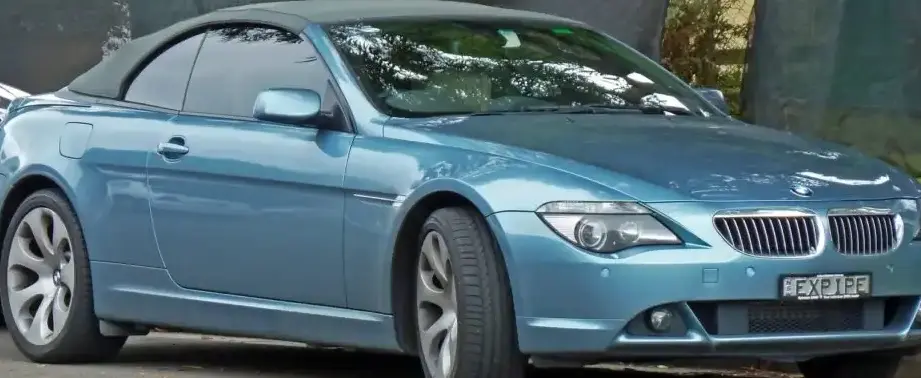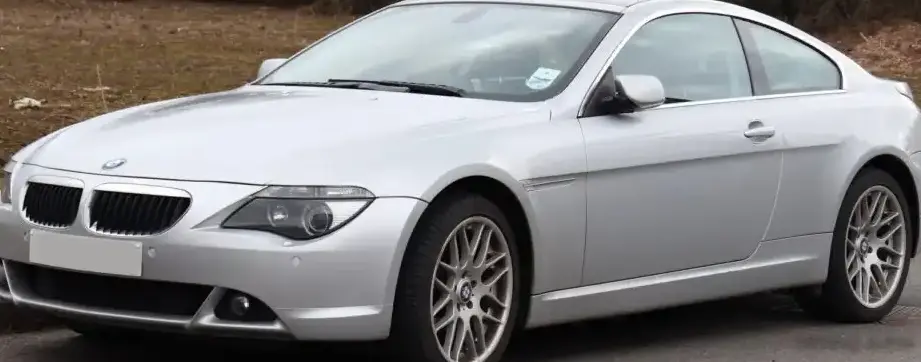
The BMW 6 Series (E63) 645Ci, produced from 2003 to 2005, represented BMW’s return to the large, luxury coupe market after a significant hiatus. Positioned as a premium offering within the E63 generation, the 645Ci aimed to blend grand touring comfort with engaging performance. It served as the initial engine offering for the E63 platform, preceding the more powerful 650i and offering a distinct character compared to the later models. The E63 645Ci was primarily marketed towards buyers seeking a sophisticated, driver-focused coupe with a balance of power and refinement, largely targeting the North American and European markets.
Technical Specifications
| Brand | BMW |
| Model | 6 Series |
| Generation | 6 Series (E63) |
| Type (Engine) | 645Ci (333 Hp) |
| Start of production | 2003 |
| End of production | 2005 |
| Powertrain Architecture | Internal Combustion engine |
| Body type | Coupe |
| Seats | 4 |
| Doors | 2 |
| Fuel consumption (economy) – urban | 17.2 l/100 km (13.7 US mpg, 16.4 UK mpg, 5.8 km/l) |
| Fuel consumption (economy) – extra urban | 8.6 l/100 km (27.4 US mpg, 32.8 UK mpg, 11.6 km/l) |
| Fuel consumption (economy) – combined | 11.7 l/100 km (20.1 US mpg, 24.1 UK mpg, 8.5 km/l) |
| CO2 emissions | 283 g/km |
| Fuel Type | Petrol (Gasoline) |
| Acceleration 0 – 100 km/h | 5.6 sec |
| Acceleration 0 – 62 mph | 5.6 sec |
| Acceleration 0 – 60 mph | 5.3 sec |
| Maximum speed | 250 km/h (155.34 mph) |
| Emission standard | Euro 4 |
| Weight-to-power ratio | 5.1 kg/Hp, 197 Hp/tonne |
| Weight-to-torque ratio | 3.8 kg/Nm, 266.3 Nm/tonne |
| Power | 333 Hp @ 6100 rpm |
| Power per litre | 75.7 Hp/l |
| Torque | 450 Nm @ 3600 rpm (331.9 lb.-ft. @ 3600 rpm) |
| Engine layout | Front, Longitudinal |
| Engine Model/Code | N63B44 |
| Engine displacement | 4398 cm3 (268.38 cu. in.) |
| Number of cylinders | 8 |
| Engine configuration | V-engine |
| Cylinder Bore | 92 mm (3.62 in.) |
| Piston Stroke | 82.7 mm (3.26 in.) |
| Compression ratio | 10:1 |
| Number of valves per cylinder | 4 |
| Fuel injection system | Multi-port manifold injection |
| Engine aspiration | Naturally aspirated engine |
| Valvetrain | DOHC |
| Engine oil capacity | 8 l (8.45 US qt | 7.04 UK qt) |
| Coolant | 13.8 l (14.58 US qt | 12.14 UK qt) |
| Kerb Weight | 1690 kg (3725.81 lbs.) |
| Max. weight | 2065 kg (4552.55 lbs.) |
| Max load | 375 kg (826.73 lbs.) |
| Trunk (boot) space – minimum | 450 l (15.89 cu. ft.) |
| Fuel tank capacity | 70 l (18.49 US gal | 15.4 UK gal) |
| Length | 4820 mm (189.76 in.) |
| Width | 1855 mm (73.03 in.) |
| Height | 1373 mm (54.06 in.) |
| Wheelbase | 2780 mm (109.45 in.) |
| Front track | 1558 mm (61.34 in.) |
| Rear (Back) track | 1592 mm (62.68 in.) |
| Drag coefficient (Cd) | 0.29 |
| Minimum turning circle | 11.4 m (37.4 ft.) |
| Drivetrain Architecture | Rear wheel drive |
| Drive wheel | Rear wheel drive |
| Number of gears | 6 |
| Type of gearbox | Manual transmission |
| Front suspension | Coil spring |
| Rear suspension | Coil spring |
| Front brakes | Disc |
| Rear brakes | Disc |
| Assisting systems | ABS (Anti-lock braking system) |
| Steering type | Steering rack and pinion |
| Power steering | Hydraulic Steering |
| Tires size | 245/45 R18 |
| Wheel rims size | 8J x 18 |
Powertrain & Engine Architecture
The heart of the 645Ci is the N63B44 4.4-liter V8 engine. This engine marked a significant departure for BMW, being their first foray into direct injection for a production V8. The N63 featured a 90-degree V-angle, aluminum alloy block and cylinder heads, and double-VANOS (variable valve timing) on both intake and exhaust camshafts. The direct injection system, operating at pressures up to 120 bar, allowed for precise fuel delivery and improved combustion efficiency. The engine produced 333 horsepower at 6100 rpm and 332 lb-ft of torque at 3600 rpm. The 645Ci was initially offered with a six-speed manual transmission, but a six-speed automatic transmission (specifically the ZF 6HP26) was also available and quite popular, offering smooth shifts and adaptive shift programs. The automatic transmission was designed to learn the driver’s style and adjust shift points accordingly.
Driving Characteristics
The 645Ci, even with the automatic transmission, provided a refined yet engaging driving experience. While not as overtly sporty as some of its rivals, the V8 delivered strong, linear power throughout the rev range. The automatic transmission, while smooth, could feel slightly less responsive than the manual, particularly during quick downshifts. The gear ratios were tuned for a balance of acceleration and fuel economy, with a relatively tall final drive. Compared to the later 650i, the 645Ci felt lighter and more nimble, offering a more connected feel to the driver. The suspension, tuned for grand touring, provided a comfortable ride without sacrificing too much handling precision.
Equipment & Trim Levels
The 645Ci came standard with a generous array of features, including leather upholstery, power-adjustable seats with memory function, automatic climate control, a premium sound system, and xenon headlights. Optional extras included a sport package (adding sport seats, sport suspension, and unique exterior trim), a navigation system, active steering, and various interior trim options. Interior upholstery choices typically included a range of leather colors and wood or aluminum trim accents. The dashboard layout was driver-focused, with a clear and intuitive arrangement of controls.
Chassis & Braking
The E63 645Ci utilized a MacPherson strut front suspension and a multi-link rear suspension. The suspension geometry was optimized for both comfort and handling. Brakes consisted of ventilated disc brakes on all four wheels, with ABS (Anti-lock Braking System) and Dynamic Stability Control (DSC) as standard features. The DSC system helped to maintain stability during cornering and emergency maneuvers. The steering was a rack-and-pinion system with hydraulic power assistance, providing precise and responsive steering feel.
Market Reception & Comparison
The 645Ci was generally well-received by automotive critics, who praised its elegant styling, luxurious interior, and strong V8 engine. However, some critics noted the car’s relatively high price and complex electronic systems. Compared to the later 650i, the 645Ci offered a more affordable entry point into the 6 Series range. The 645Ci’s fuel economy, while respectable for a V8-powered coupe, was not its strongest suit, averaging around 20 mpg in combined driving. Reliability was generally good, although some owners reported issues with the electronic systems and cooling system components.
Legacy
The E63 645Ci represents a significant chapter in BMW’s history, marking the return of the 6 Series and showcasing the company’s engineering prowess. The N63 V8 engine, despite some early teething issues, proved to be a durable and capable powerplant. Today, the E63 645Ci is a sought-after classic, appealing to enthusiasts who appreciate its blend of luxury, performance, and timeless design. Well-maintained examples command respectable prices in the used car market, and the car remains a rewarding driving experience for those seeking a sophisticated grand tourer. The direct injection technology pioneered in the N63 engine would become a cornerstone of BMW’s future engine development.