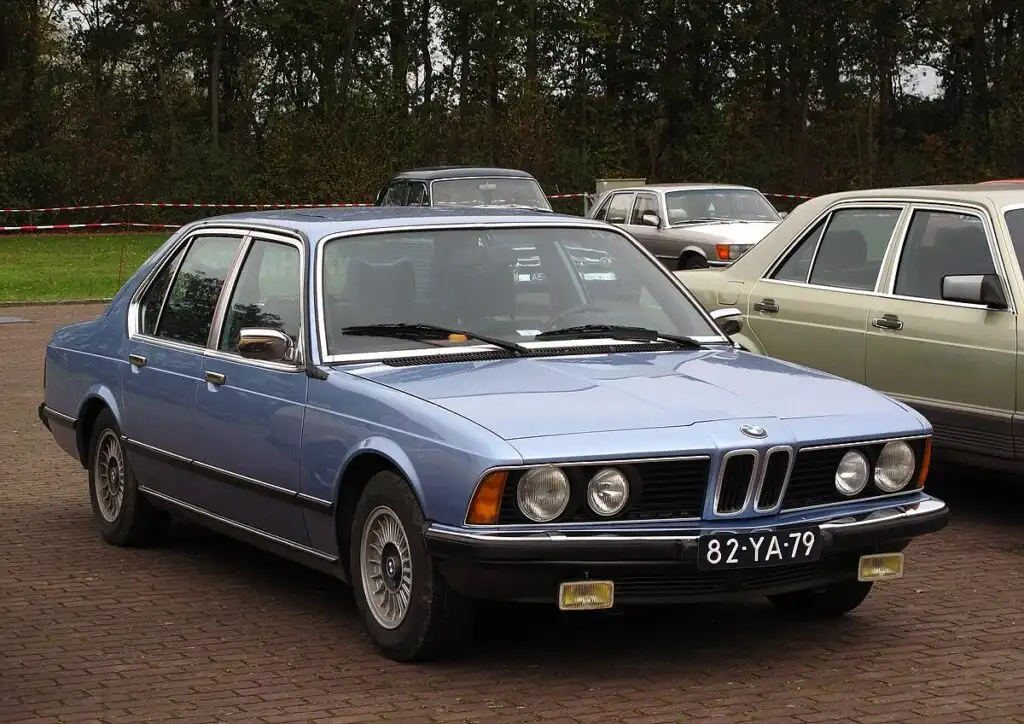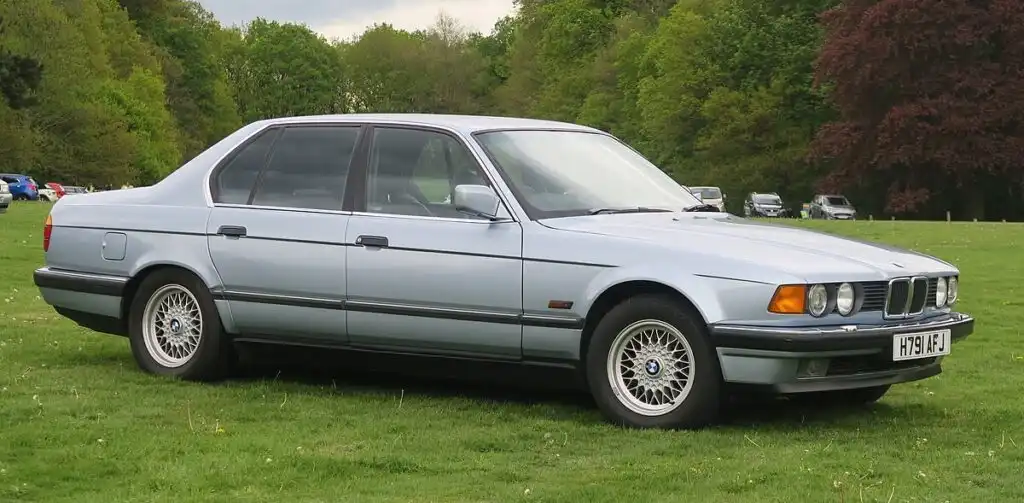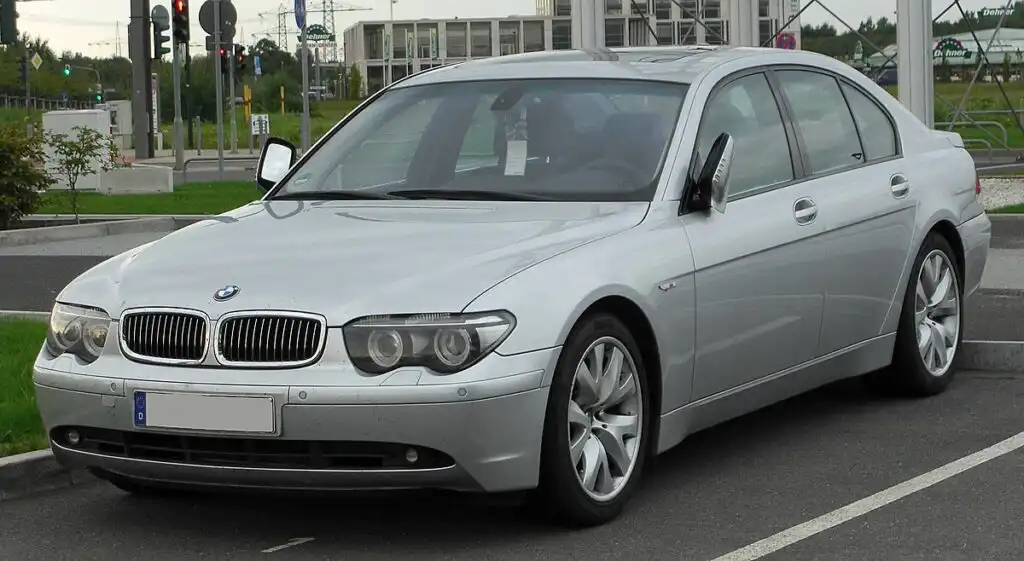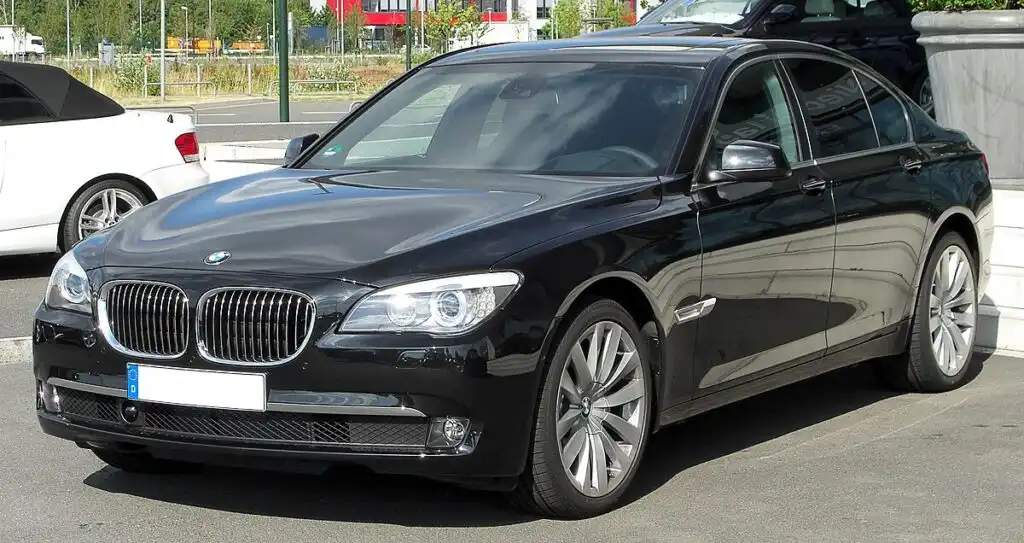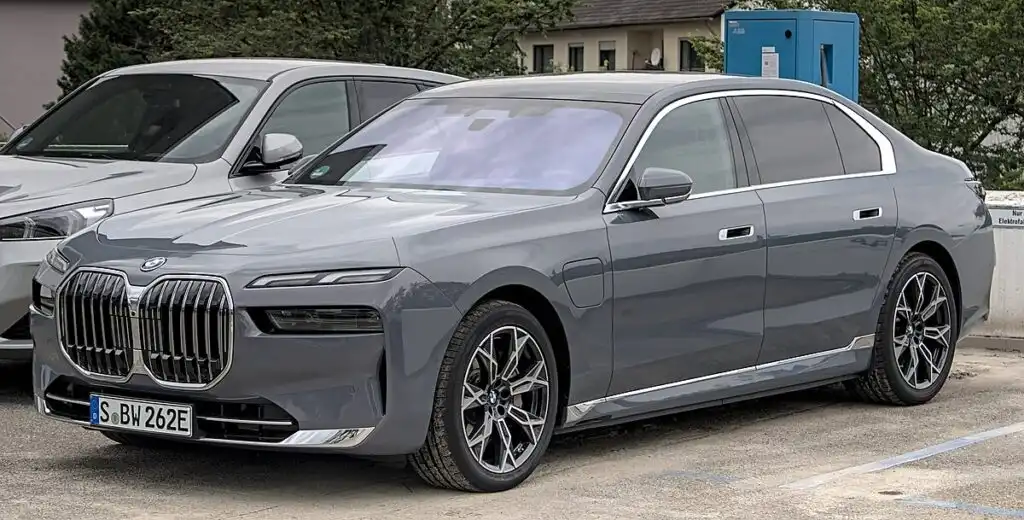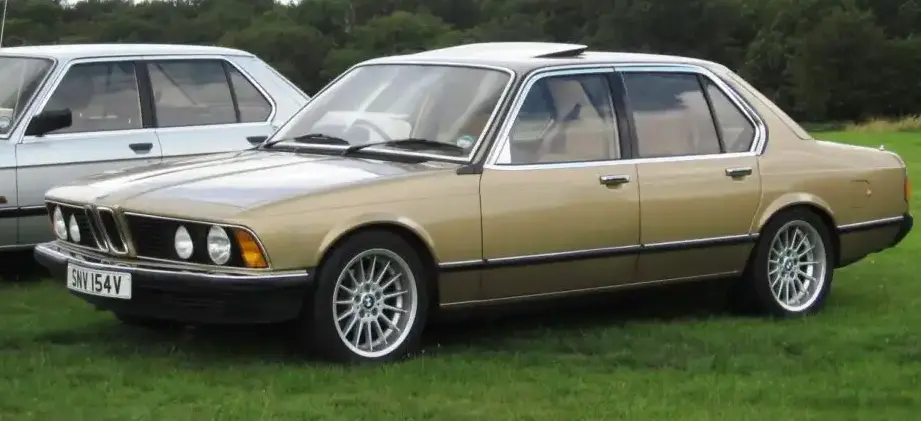
The BMW 732i, produced between 1979 and 1983, was a pivotal model within the E23 generation of the BMW 7 Series. Representing a significant step upmarket for BMW, the E23 aimed to compete directly with the Mercedes-Benz S-Class. The 732i, positioned as a mid-range offering within the lineup, provided a balance of performance and luxury, appealing to buyers seeking a sophisticated and capable grand tourer. It was the first generation of the 7 Series, and set the standard for BMW’s flagship sedan for years to come.
Technical Specifications
| Brand | BMW |
| Model | 7 Series |
| Generation | 7 Series (E23) |
| Type (Engine) | 732i (197 Hp) |
| Start of production | 1979 |
| End of production | 1983 |
| Powertrain Architecture | Internal Combustion engine |
| Body type | Sedan |
| Seats | 5 |
| Doors | 4 |
| Fuel consumption (urban) | 16.7 l/100 km (14.1 US mpg, 16.9 UK mpg, 6 km/l) |
| Fuel Type | Petrol (Gasoline) |
| Acceleration 0 – 100 km/h | 8.7 sec |
| Acceleration 0 – 62 mph | 8.7 sec |
| Acceleration 0 – 60 mph | 8.3 sec |
| Maximum speed | 205 km/h (127.38 mph) |
| Weight-to-power ratio | 7.8 kg/Hp, 128.8 Hp/tonne |
| Weight-to-torque ratio | 5.5 kg/Nm, 183 Nm/tonne |
| Power | 197 Hp @ 5500 rpm |
| Power per litre | 61.4 Hp/l |
| Torque | 280 Nm @ 4300 rpm (206.52 lb.-ft. @ 4300 rpm) |
| Engine layout | Front, Longitudinal |
| Engine Model/Code | 326EZ1 |
| Engine displacement | 3210 cm3 (195.89 cu. in.) |
| Number of cylinders | 6 |
| Engine configuration | Inline |
| Cylinder Bore | 89 mm (3.5 in.) |
| Piston Stroke | 86 mm (3.39 in.) |
| Compression ratio | 9.3:1 |
| Number of valves per cylinder | 2 |
| Fuel injection system | Multi-port manifold injection |
| Engine aspiration | Naturally aspirated engine |
| Valvetrain | SOHC |
| Engine oil capacity | 5.8 l (6.13 US qt | 5.1 UK qt) |
| Coolant | 12 l (12.68 US qt | 10.56 UK qt) |
| Kerb Weight | 1530 kg (3373.07 lbs.) |
| Max. weight | 2000 kg (4409.25 lbs.) |
| Max load | 470 kg (1036.17 lbs.) |
| Fuel tank capacity | 100 l (26.42 US gal | 22 UK gal) |
| Length | 4860 mm (191.34 in.) |
| Width | 1800 mm (70.87 in.) |
| Height | 1430 mm (56.3 in.) |
| Wheelbase | 2795 mm (110.04 in.) |
| Front track | 1502 mm (59.13 in.) |
| Rear track | 1524 mm (60 in.) |
| Ride height (ground clearance) | 132 mm (5.2 in.) |
| Drivetrain Architecture | Rear wheel drive |
| Number of gears | 4 gears, manual transmission |
| Front suspension | Independent, type McPherson with coil spring and anti-roll bar |
| Rear suspension | Independent coil spring |
| Front brakes | Ventilated discs |
| Rear brakes | Disc |
| Assisting systems | ABS (Anti-lock braking system) |
| Tires size | 205/70 R14 |
| Wheel rims size | 6.5J x 14 |
Introduction
The BMW 732i represented a significant leap forward for BMW in the luxury sedan segment. Introduced in 1979 as part of the E23 series, it was designed to offer a blend of performance, comfort, and advanced technology. The E23 platform, while sharing some underpinnings with the earlier E12 5 Series, was substantially larger and more refined. The 732i specifically, with its 3.2-liter inline-six engine, aimed to provide a more accessible entry point into the 7 Series range compared to the flagship V8-powered models. It was a car intended for discerning drivers who appreciated BMW’s sporting heritage but also desired a luxurious and comfortable driving experience.
Powertrain & Engine Architecture
At the heart of the 732i lay the M30B32 engine, internally designated as the 326EZ1. This 3.2-liter inline-six engine was a sophisticated design for its time, featuring a single overhead camshaft (SOHC) valvetrain operating two valves per cylinder. The engine utilized Bosch L-Jetronic multi-port fuel injection, a significant advancement over carbureted systems, providing improved fuel efficiency and smoother power delivery. The engine produced 197 horsepower at 5500 rpm and 280 Nm (206.52 lb-ft) of torque at 4300 rpm. The engine’s robust construction and relatively simple design contributed to its longevity and reliability. The 732i was exclusively offered with a 4-speed manual transmission, providing a direct connection between the engine and the rear wheels. This transmission was known for its precise shift quality and durability.
Driving Characteristics
The 732i offered a driving experience that was both refined and engaging. While not as overtly sporty as some of BMW’s smaller models, the 3.2-liter engine provided ample power for comfortable highway cruising and spirited driving. Acceleration from 0 to 60 mph was achieved in approximately 8.3 seconds, and the car could reach a top speed of 205 km/h (127.38 mph). The manual transmission allowed drivers to fully exploit the engine’s powerband, while the well-tuned suspension provided a comfortable ride without sacrificing handling precision. Compared to the higher-output 733i and 745i models, the 732i felt less urgent in its acceleration, but its lighter weight and more balanced chassis contributed to a more nimble feel. The gear ratios were optimized for a balance of acceleration and fuel economy, making it a suitable choice for both city and long-distance driving.
Equipment & Trim Levels
The 732i came standard with a generous array of features for its time, reflecting its luxury positioning. Standard equipment included power windows, central locking, and a high-quality sound system. The interior was typically upholstered in premium cloth or leather, with wood trim accents adding to the sense of luxury. Optional extras included air conditioning, a sunroof, and upgraded audio systems. The dashboard layout was clean and functional, with clearly marked gauges and controls. The 732i’s trim level was generally considered a step above the base models, offering a more refined interior and a more comprehensive list of standard features.
Chassis & Braking
The E23 7 Series featured an independent suspension system at all four wheels, designed to provide a comfortable ride and precise handling. The front suspension utilized McPherson struts with coil springs and an anti-roll bar, while the rear suspension employed independent coil springs. The 732i was equipped with ventilated disc brakes at the front and solid disc brakes at the rear, providing ample stopping power. An Anti-lock Braking System (ABS) was available as an option, enhancing safety by preventing wheel lockup during hard braking. The chassis was designed to be rigid and durable, contributing to the car’s overall stability and handling characteristics.
Market Reception & Comparison
The BMW 732i was generally well-received by automotive critics, who praised its blend of performance, luxury, and technology. It was seen as a worthy competitor to the Mercedes-Benz S-Class, offering a more driver-focused experience. Compared to the 733i and 745i models, the 732i offered a more affordable entry point into the 7 Series range, making it accessible to a wider range of buyers. Fuel economy was reasonable for a car of its size and performance, although it was not a primary selling point. Reliability was generally good, although maintenance costs could be relatively high due to the car’s complex engineering.
Legacy
The BMW E23 7 Series, and the 732i variant in particular, holds a significant place in BMW’s history. It established the 7 Series as a benchmark for luxury sedans and paved the way for future generations of the model. The M30 engine family, of which the 326EZ1 was a member, proved to be exceptionally durable and reliable, and many examples are still on the road today. In the used car market, the E23 7 Series is increasingly sought after by collectors and enthusiasts, who appreciate its classic styling, sophisticated engineering, and engaging driving experience. Well-maintained examples of the 732i can command a premium price, reflecting their rarity and historical significance.