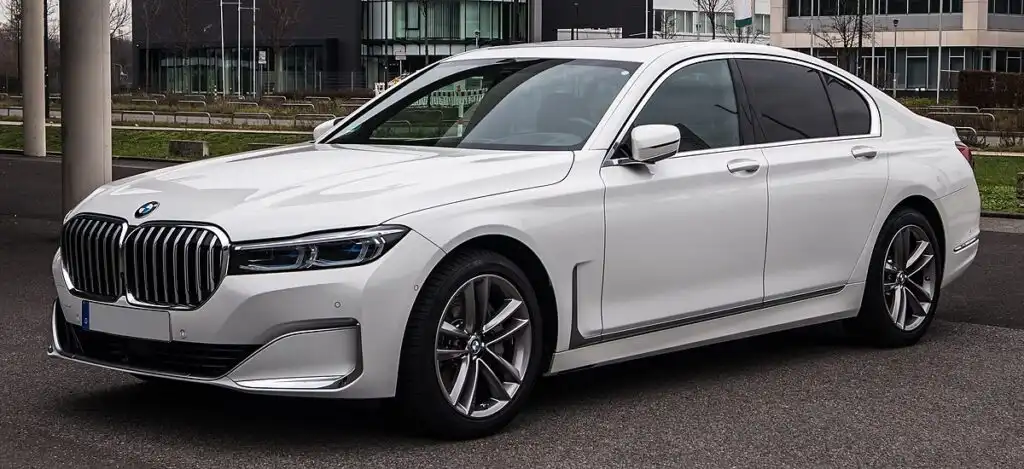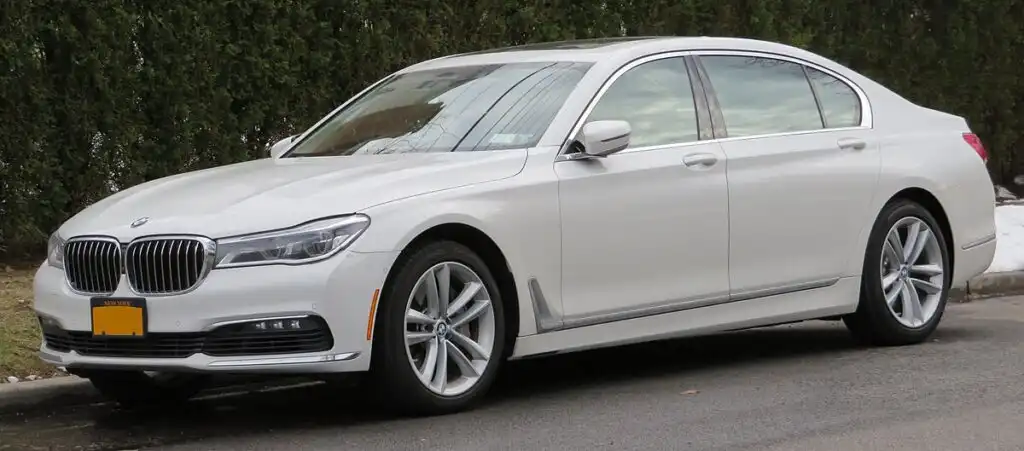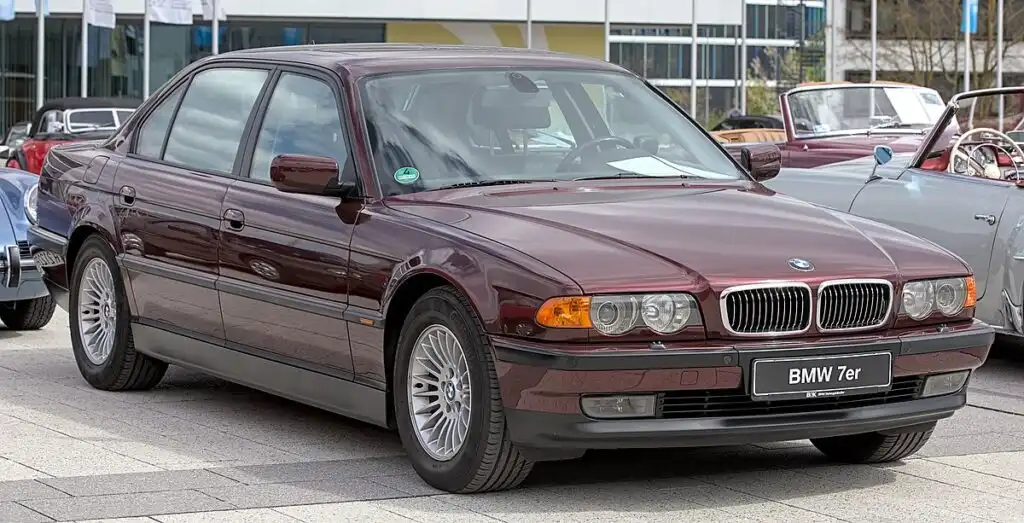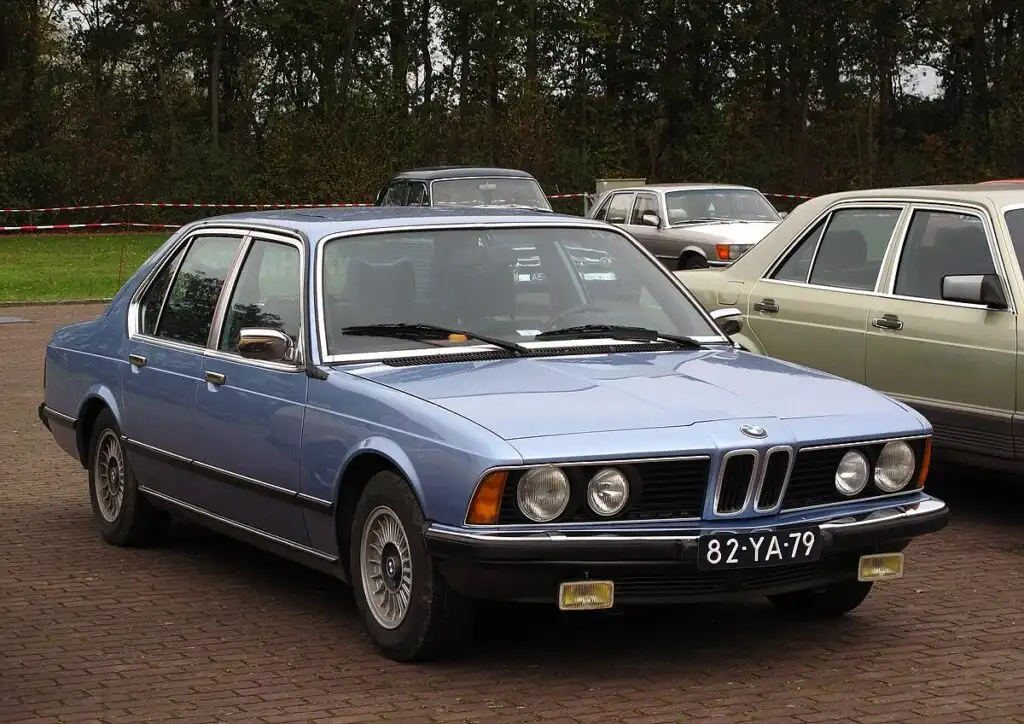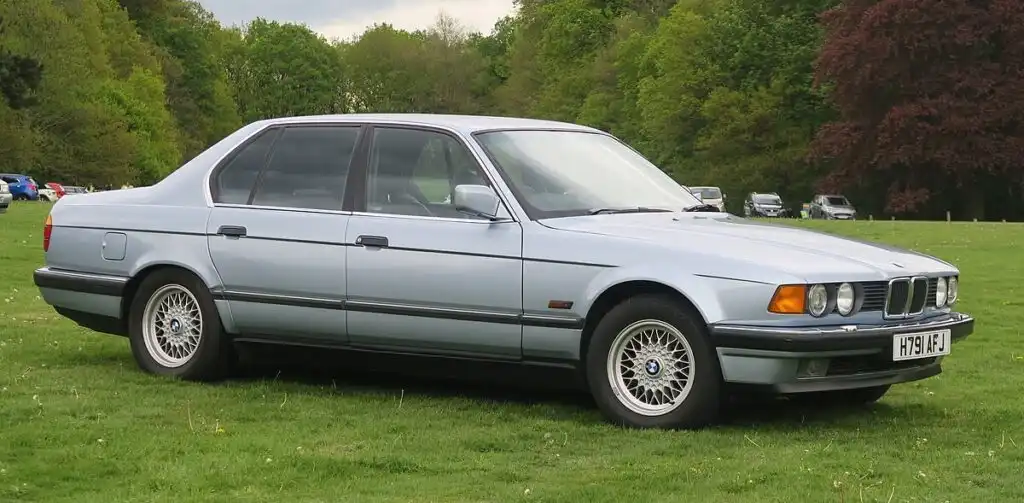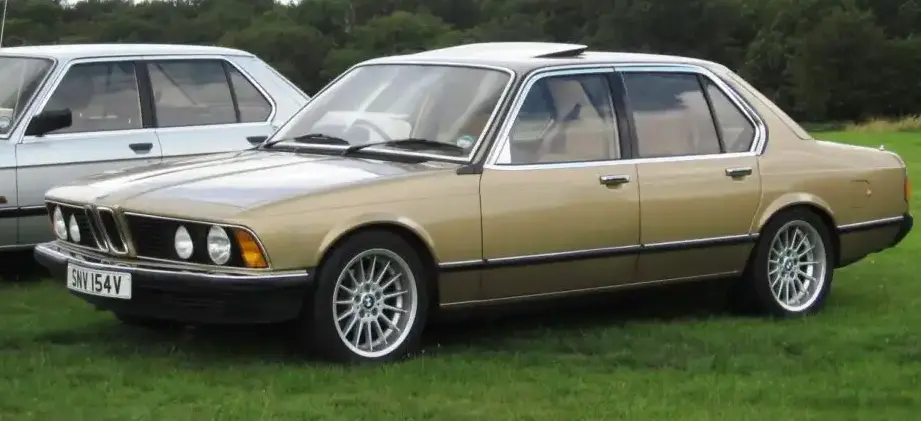
The BMW 735i (E23) represented a significant step forward for BMW’s flagship sedan when it was introduced in 1982, continuing through 1983. Positioned as a mid-range offering within the first generation 7 Series (E23) lineup, it bridged the gap between the more basic 728i and the top-of-the-line 745i. The E23 platform, internally designated as the ‘E23’ chassis, aimed to combine luxury, performance, and advanced technology for its time. This model was crucial in establishing BMW’s reputation for building driver-focused luxury cars, and it served as a technological showcase for the brand.
Technical Specifications
| Brand | BMW |
| Model | 7 Series |
| Generation | 7 Series (E23) |
| Type (Engine) | 735i (217 Hp) |
| Start of production | 1982 |
| End of production | 1983 |
| Powertrain Architecture | Internal Combustion engine |
| Body type | Sedan |
| Seats | 5 |
| Doors | 4 |
| Fuel consumption (urban) | 16.8 l/100 km (14 US mpg, 16.8 UK mpg, 6 km/l) |
| Fuel Type | Petrol (Gasoline) |
| Acceleration 0 – 100 km/h | 8 sec |
| Acceleration 0 – 62 mph | 8 sec |
| Acceleration 0 – 60 mph | 7.6 sec |
| Maximum speed | 212 km/h (131.73 mph) |
| Weight-to-power ratio | 7.1 kg/Hp, 141.8 Hp/tonne |
| Weight-to-torque ratio | 5 kg/Nm, 199.3 Nm/tonne |
| Power | 217 Hp @ 5500 rpm |
| Power per litre | 63.3 Hp/l |
| Torque | 305 Nm @ 4000 rpm (224.96 lb.-ft. @ 4000 rpm) |
| Engine layout | Front, Longitudinal |
| Engine Model/Code | M30B34 |
| Engine displacement | 3430 cm3 (209.31 cu. in.) |
| Number of cylinders | 6 |
| Engine configuration | Inline |
| Cylinder Bore | 92 mm (3.62 in.) |
| Piston Stroke | 86 mm (3.39 in.) |
| Compression ratio | 10:1 |
| Number of valves per cylinder | 2 |
| Fuel injection system | Multi-port manifold injection |
| Engine aspiration | Naturally aspirated engine |
| Valvetrain | SOHC |
| Engine oil capacity | 5.8 l (6.13 US qt | 5.1 UK qt) |
| Coolant | 12 l (12.68 US qt | 10.56 UK qt) |
| Kerb Weight | 1530 kg (3373.07 lbs.) |
| Max. weight | 2000 kg (4409.25 lbs.) |
| Max load | 470 kg (1036.17 lbs.) |
| Fuel tank capacity | 100 l (26.42 US gal | 22 UK gal) |
| Length | 4860 mm (191.34 in.) |
| Width | 1800 mm (70.87 in.) |
| Height | 1430 mm (56.3 in.) |
| Wheelbase | 2795 mm (110.04 in.) |
| Front track | 1502 mm (59.13 in.) |
| Rear track | 1524 mm (60 in.) |
| Ride height (ground clearance) | 132 mm (5.2 in.) |
| Drivetrain Architecture | Rear wheel drive |
| Number of gears | 5 gears, manual transmission |
| Front suspension | Independent, type McPherson with coil spring and anti-roll bar |
| Rear suspension | Independent coil spring |
| Front brakes | Ventilated discs |
| Rear brakes | Disc |
| Tires size | 205/70 HR14; 220/55 HR390 TRX |
| Wheel rims size | 6.5 J x 14; 165 T 390 |
Powertrain & Engine Architecture
The heart of the 735i was the M30B34 engine, a 3.4-liter inline-six cylinder powerplant. This engine was a further development of BMW’s renowned M30 family, known for its smoothness and durability. The ‘B34’ designation indicated the increased displacement over earlier M30 variants. It featured a single overhead camshaft (SOHC) valvetrain operating two valves per cylinder. Fuel delivery was handled by a Bosch multi-port fuel injection system, a significant advancement over carburetors, improving efficiency and responsiveness. The engine produced 217 horsepower at 5500 rpm and 305 Nm (224.96 lb-ft) of torque at 4000 rpm. The engine’s longitudinal mounting and rear-wheel-drive configuration were standard for BMW at the time. The 735i was exclusively offered with a 5-speed manual transmission, providing a more engaging driving experience than the automatic options available on other 7 Series models.
Driving Characteristics
The 735i offered a compelling blend of luxury and performance. The 5-speed manual transmission allowed drivers to fully exploit the engine’s powerband. Acceleration to 60 mph was achieved in approximately 7.6 seconds, and the car could reach a top speed of 131.73 mph. While not as overtly sporty as some of BMW’s other offerings, the 735i provided confident and composed handling. The McPherson strut front suspension and independent coil spring rear suspension contributed to a comfortable ride without sacrificing handling precision. The manual transmission, combined with the engine’s torque, made it a capable grand tourer, equally at home on winding roads and long highway journeys.
Equipment & Trim Levels
The 735i was well-equipped for its era, offering a range of standard features designed to enhance comfort and convenience. Standard equipment included power windows, central locking, and a high-quality sound system. The interior was typically trimmed with cloth upholstery, although leather was available as an option. Dashboard design was functional and driver-focused, with clear instrumentation and logically placed controls. Optional extras included a sunroof, air conditioning, and upgraded audio systems. The 735i occupied a middle ground in the 7 Series lineup, offering a more refined experience than the base 728i but without the added cost and complexity of the 745i.
Chassis & Braking
The E23 7 Series featured a robust chassis designed to provide a comfortable ride and secure handling. The car utilized a fully independent suspension system, with McPherson struts at the front and a semi-trailing arm setup at the rear. Braking duties were handled by ventilated disc brakes at the front and solid discs at the rear, providing adequate stopping power for the car’s weight and performance. The steering was a recirculating ball system, offering a good balance of feel and assistance. The 735i’s suspension was tuned to prioritize comfort, but it still provided a reasonably controlled driving experience.
Market Reception & Comparison
The 735i was generally well-received by automotive critics. It was praised for its smooth engine, comfortable ride, and well-appointed interior. Compared to the 728i, the 735i offered a noticeable performance improvement, making it a more appealing choice for drivers who enjoyed a more spirited driving experience. However, it was more expensive than the 728i. Compared to the range-topping 745i, the 735i offered a similar level of luxury and refinement at a lower price point, but it lacked the 745i’s larger engine and even greater performance. Fuel economy was typical for a vehicle of its size and class in the early 1980s, averaging around 14 US mpg in urban driving.
Legacy
The BMW E23 735i remains a sought-after classic car today. The M30B34 engine is known for its reliability and longevity, and well-maintained examples can still provide years of enjoyable driving. The car’s combination of luxury, performance, and build quality has ensured its enduring appeal. Finding parts can sometimes be a challenge, but a dedicated community of BMW enthusiasts ensures that support and resources are available. The E23 735i represents a pivotal moment in BMW’s history, establishing the brand as a leader in the luxury performance sedan segment. Its influence can still be seen in BMW’s current lineup of 7 Series models.