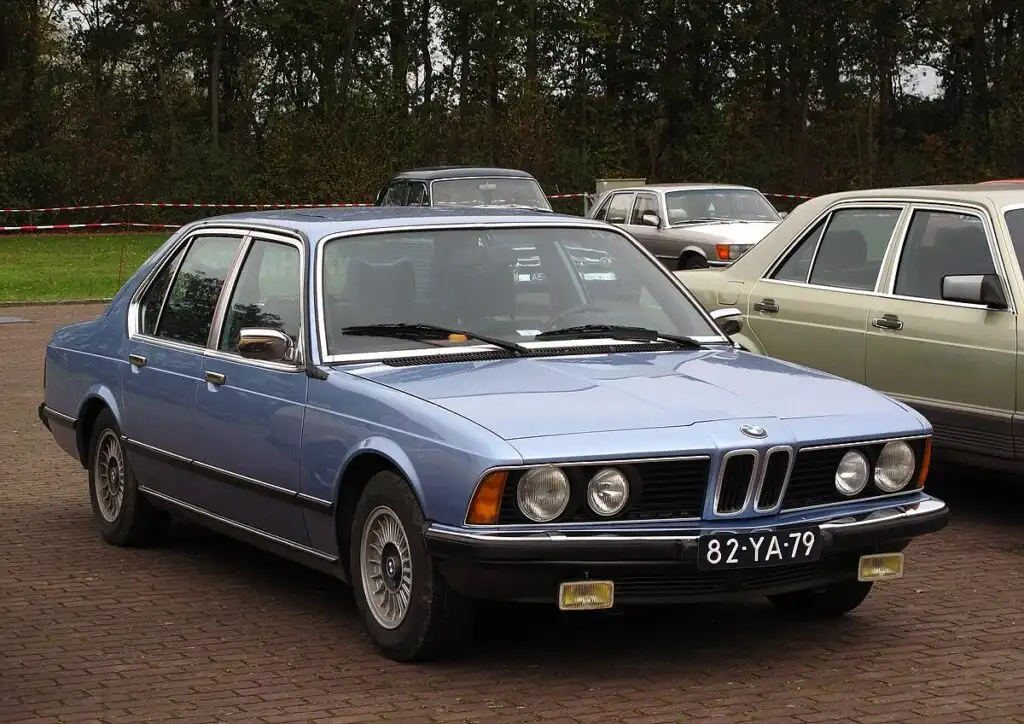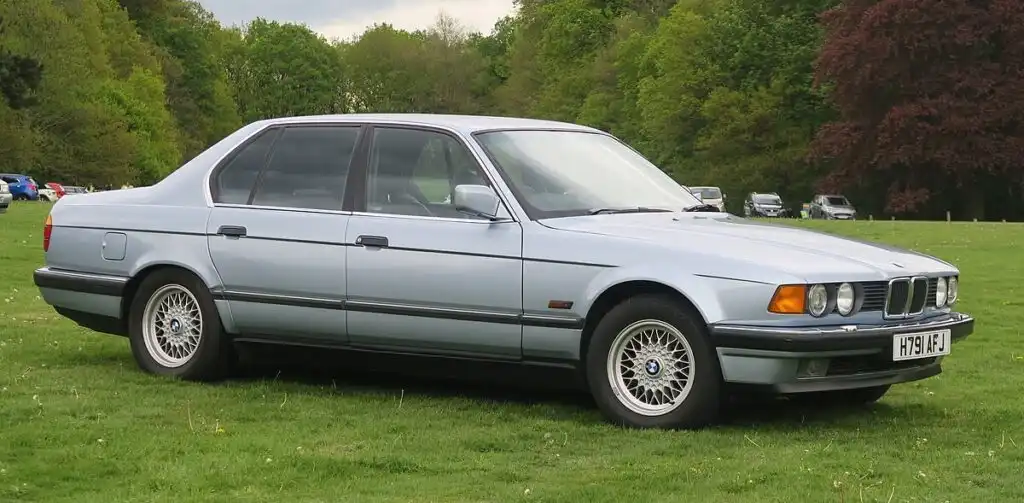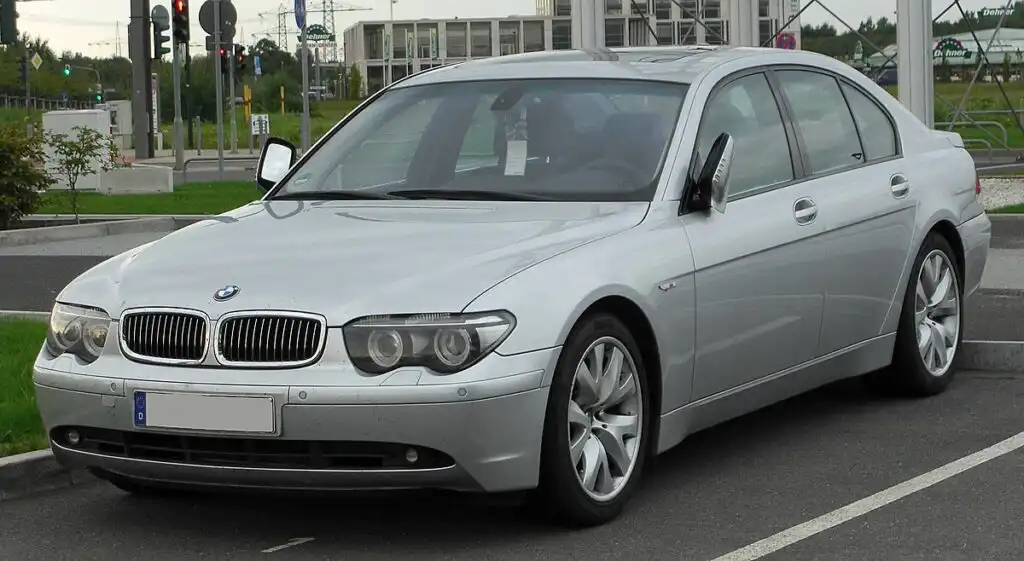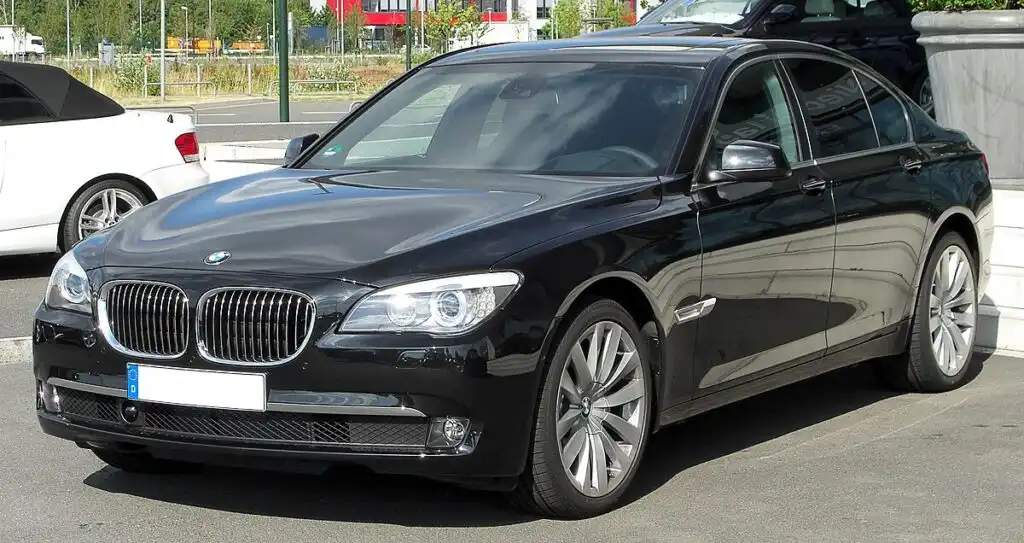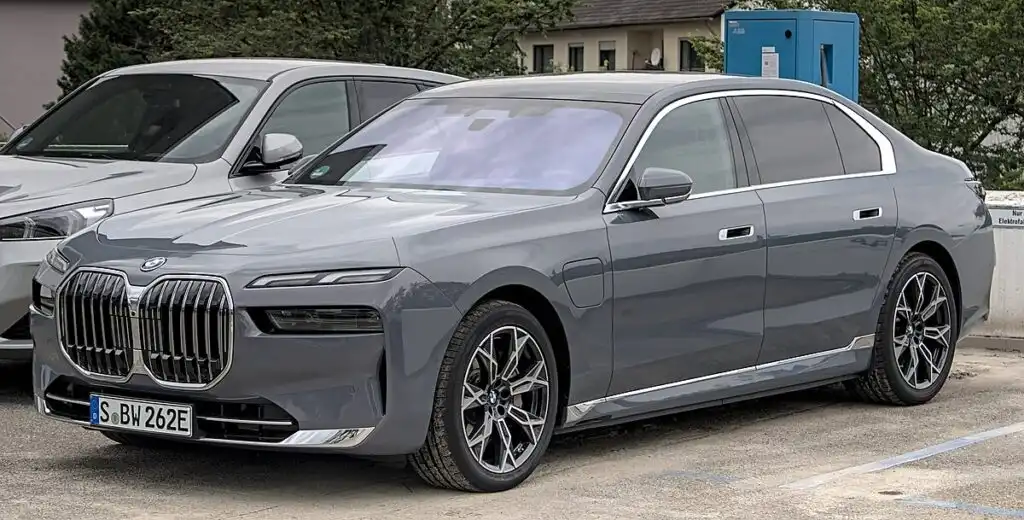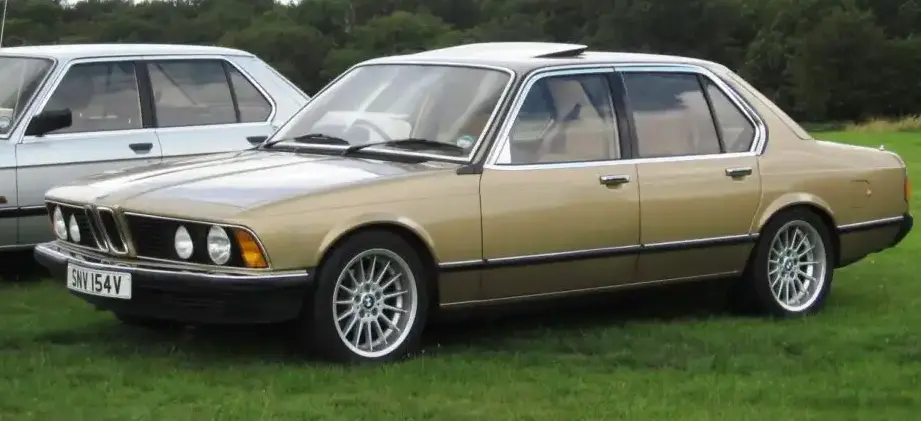
The BMW 735i (E23) represented a significant step forward for BMW in the luxury sedan market when it debuted in 1979. Produced through 1982, it was the initial offering in the first generation of the 7 Series, designated the E23 chassis. Positioned as the mid-range model within the lineup, the 735i aimed to blend performance with luxury, offering a more accessible entry point into the 7 Series range compared to the later 745i. It served as a direct replacement for the BMW E21 5 Series, offering a larger, more refined experience. The 735i was a crucial model for establishing BMW’s reputation for building driver-focused luxury cars.
Technical Specifications
| Brand | BMW |
| Model | 7 Series |
| Generation | 7 Series (E23) |
| Type (Engine) | 735i (217 Hp) Automatic |
| Start of production | 1979 |
| End of production | 1982 |
| Powertrain Architecture | Internal Combustion engine |
| Body type | Sedan |
| Seats | 5 |
| Doors | 4 |
| Fuel consumption (urban) | 19.5 l/100 km (12.1 US mpg, 14.5 UK mpg, 5.1 km/l) |
| Fuel Type | Petrol (Gasoline) |
| Acceleration 0 – 100 km/h | 9.8 sec |
| Acceleration 0 – 62 mph | 9.8 sec |
| Acceleration 0 – 60 mph | 9.3 sec |
| Maximum speed | 206 km/h (128 mph) |
| Weight-to-power ratio | 7.1 kg/Hp, 140.9 Hp/tonne |
| Weight-to-torque ratio | 5 kg/Nm, 201.3 Nm/tonne |
| Power | 217 Hp @ 5500 rpm |
| Power per litre | 63.3 Hp/l |
| Torque | 310 Nm @ 4000 rpm (228.64 lb.-ft. @ 4000 rpm) |
| Engine layout | Front, Longitudinal |
| Engine Model/Code | 356EZ1 |
| Engine displacement | 3430 cm3 (209.31 cu. in.) |
| Number of cylinders | 6 |
| Engine configuration | Inline |
| Cylinder Bore | 92 mm (3.62 in.) |
| Piston Stroke | 86 mm (3.39 in.) |
| Compression ratio | 9.3:1 |
| Number of valves per cylinder | 2 |
| Fuel injection system | Multi-port manifold injection |
| Engine aspiration | Naturally aspirated engine |
| Valvetrain | SOHC |
| Engine oil capacity | 5.8 l (6.13 US qt | 5.1 UK qt) |
| Coolant | 12 l (12.68 US qt | 10.56 UK qt) |
| Kerb Weight | 1540 kg (3395.12 lbs.) |
| Max. weight | 2000 kg (4409.25 lbs.) |
| Max load | 460 kg (1014.13 lbs.) |
| Fuel tank capacity | 100 l (26.42 US gal | 22 UK gal) |
| Length | 4860 mm (191.34 in.) |
| Width | 1800 mm (70.87 in.) |
| Height | 1430 mm (56.3 in.) |
| Wheelbase | 2795 mm (110.04 in.) |
| Front track | 1502 mm (59.13 in.) |
| Rear track | 1524 mm (60 in.) |
| Ride height (ground clearance) | 132 mm (5.2 in.) |
| Drivetrain Architecture | Rear wheel drive |
| Number of gears | 3 |
| Gearbox type | Automatic transmission |
| Front suspension | Independent, type McPherson with coil spring and anti-roll bar |
| Rear suspension | Independent coil spring |
| Front brakes | Ventilated discs |
| Rear brakes | Disc |
| Tires size | 205/70 HR14; 220/55 HR390 TRX |
| Wheel rims size | 6.5 J x 14; 165 T 390 |
Powertrain & Engine Architecture
The heart of the 735i was the BMW M30 inline-six engine, specifically the 356EZ1 variant. This 3.4-liter engine featured a single overhead camshaft (SOHC) design and utilized Bosch multi-port fuel injection. The engine produced 217 horsepower at 5,500 rpm and 228.64 lb-ft of torque at 4,000 rpm. The engine’s robust construction and relatively simple design contributed to its longevity and ease of maintenance. Paired with the engine was a 3-speed automatic transmission, which was a popular choice for buyers prioritizing comfort and ease of driving over outright performance. This automatic transmission, while smooth, wasn’t known for its particularly quick shifts compared to manual options available in other 7 Series models.
Driving Characteristics
The 735i automatic offered a comfortable and refined driving experience. While not as sporty as the manual transmission equipped models or the later 745i, the 735i provided adequate performance for most drivers. Acceleration from 0-60 mph took approximately 9.3 seconds, and the car could reach a top speed of 128 mph. The automatic transmission’s gear ratios were geared towards smooth cruising rather than aggressive acceleration. The engine delivered a broad torque curve, making it tractable in everyday driving situations. However, drivers seeking a more engaging experience often found the automatic transmission to be somewhat sluggish, especially when attempting quick overtaking maneuvers. Compared to the later 745i with its larger engine, the 735i felt less powerful, but it also offered better fuel economy.
Equipment & Trim Levels
The 735i came standard with a respectable level of equipment for its time. Standard features included power windows, power locks, air conditioning, and a high-quality sound system. The interior was typically upholstered in leather, and wood trim was used throughout the cabin to create a luxurious ambiance. Optional extras included a sunroof, heated seats, and a more advanced sound system. The 735i was positioned as a well-equipped vehicle, but buyers could further customize their cars with a range of options to suit their individual preferences. The dashboard layout was relatively straightforward, with clearly marked gauges and controls.
Chassis & Braking
The E23 735i featured an independent suspension system at all four wheels. The front suspension utilized McPherson struts with coil springs and an anti-roll bar, while the rear suspension employed independent coil springs. This setup provided a comfortable ride and good handling characteristics. The car was equipped with ventilated disc brakes at the front and solid disc brakes at the rear. The braking system was effective for its time, providing adequate stopping power. The 735i’s chassis was relatively lightweight compared to later models, contributing to its nimble handling.
Market Reception & Comparison
The 735i was generally well-received by automotive critics. It was praised for its comfortable ride, luxurious interior, and refined engine. However, some critics noted that the automatic transmission could be slow to respond and that the car lacked the sporty character of some of its competitors. Compared to the 745i, the 735i offered a more affordable entry point into the 7 Series range, but it sacrificed some performance. Fuel economy was a strong point for the 735i, making it a more practical choice for drivers who prioritized efficiency. Reliability was generally good, although maintenance costs could be high due to the car’s complex engineering.
Legacy
The BMW E23 735i remains a sought-after classic car today. The M30 engine is known for its durability and relatively simple maintenance requirements. Well-maintained examples of the 735i are becoming increasingly rare and valuable. The car’s combination of luxury, performance, and reliability has earned it a loyal following among BMW enthusiasts. While the automatic transmission may not be as desirable as the manual option, it still provides a comfortable and enjoyable driving experience. The E23 735i represents a pivotal moment in BMW’s history, establishing the 7 Series as a benchmark for luxury sedans.