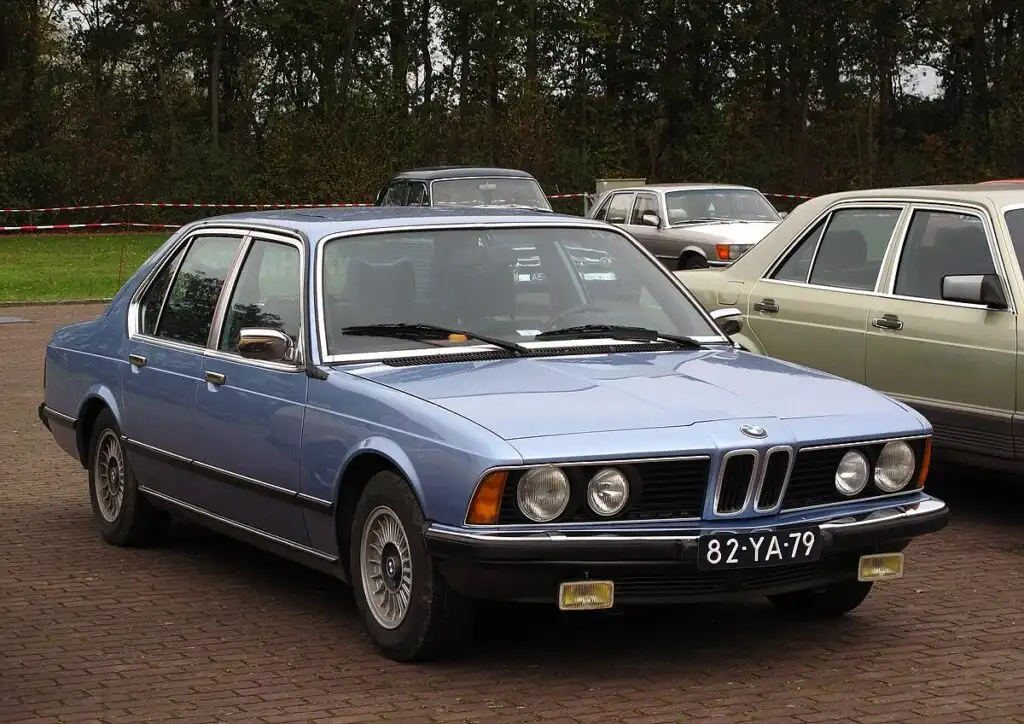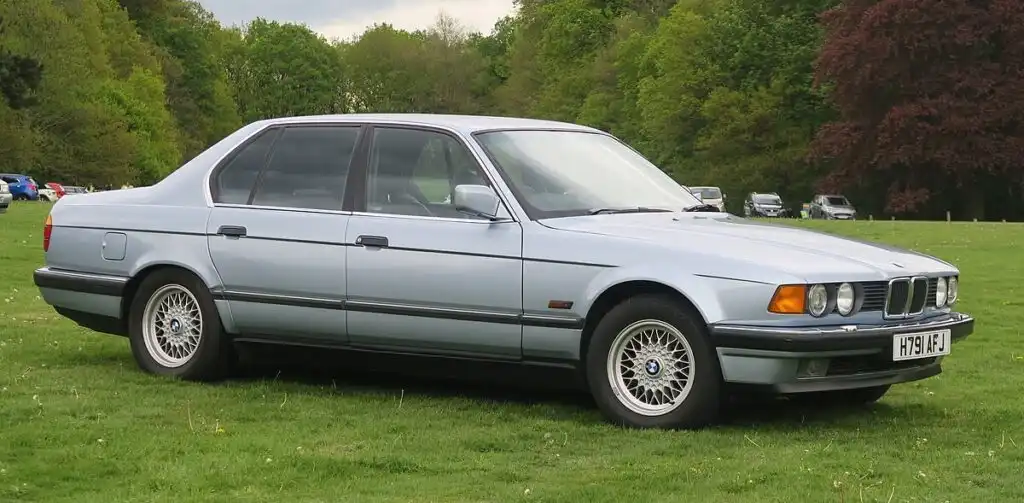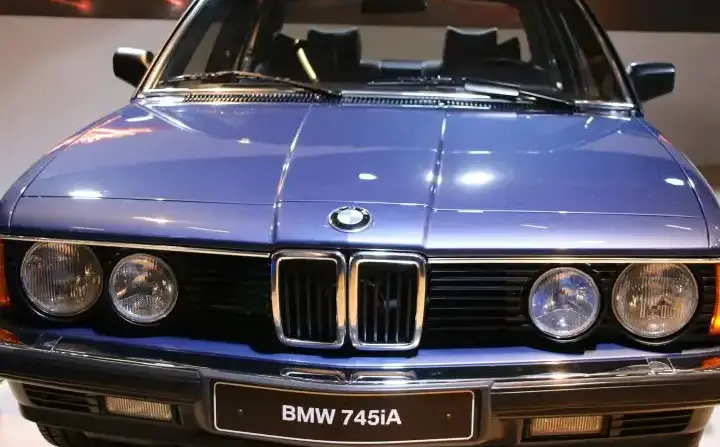
The BMW 728i, produced between 1983 and 1986, was a key variant within the E23 generation of the BMW 7 Series. Representing a mid-range offering in the lineup, it aimed to provide a balance between luxury, performance, and affordability within the flagship sedan range. The E23, launched in 1977, was BMW’s replacement for the Neue Klasse-based E3 sedans, and the 1983 facelift brought updated styling and mechanical refinements. The 728i specifically occupied a position below the more powerful 733i and 735i models, appealing to buyers who prioritized refinement and fuel efficiency over outright speed.
Technical Specifications
| Brand | BMW |
| Model | 7 Series |
| Generation | 7 Series (E23, facelift 1983) |
| Type (Engine) | 728i (184 Hp) |
| Start of production | 1983 |
| End of production | 1986 |
| Powertrain Architecture | Internal Combustion engine |
| Body type | Sedan |
| Seats | 5 |
| Doors | 4 |
| Fuel consumption (urban) | 15.1 l/100 km (15.6 US mpg, 18.7 UK mpg, 6.6 km/l) |
| Fuel consumption (extra urban) | 7.9 l/100 km (29.8 US mpg, 35.8 UK mpg, 12.7 km/l) |
| Fuel consumption (combined) | 11.1 l/100 km (21.2 US mpg, 25.4 UK mpg, 9 km/l) |
| Fuel Type | Petrol (Gasoline) |
| Acceleration 0 – 100 km/h | 9.5 sec |
| Acceleration 0 – 62 mph | 9.5 sec |
| Acceleration 0 – 60 mph | 9 sec |
| Maximum speed | 201 km/h (124.9 mph) |
| Weight-to-power ratio | 8 kg/Hp, 125.2 Hp/tonne |
| Weight-to-torque ratio | 6.1 kg/Nm, 163.3 Nm/tonne |
| Power | 184 Hp @ 5800 rpm |
| Power per litre | 66 Hp/l |
| Torque | 240 Nm @ 4200 rpm (177.01 lb.-ft. @ 4200 rpm) |
| Engine layout | Front, Longitudinal |
| Engine Model/Code | M30B28 |
| Engine displacement | 2788 cm3 (170.13 cu. in.) |
| Number of cylinders | 6 |
| Engine configuration | Inline |
| Cylinder Bore | 86 mm (3.39 in.) |
| Piston Stroke | 80 mm (3.15 in.) |
| Compression ratio | 9.3:1 |
| Number of valves per cylinder | 2 |
| Fuel injection system | Multi-port manifold injection |
| Engine aspiration | Naturally aspirated engine |
| Engine oil capacity | 5.75 l (6.08 US qt, 5.06 UK qt) |
| Coolant capacity | 12 l (12.68 US qt, 10.56 UK qt) |
| Kerb Weight | 1470 kg (3240.8 lbs.) |
| Max. weight | 1980 kg (4365.15 lbs.) |
| Max load | 510 kg (1124.36 lbs.) |
| Trunk (boot) space – minimum | 480 l (16.95 cu. ft.) |
| Fuel tank capacity | 100 l (26.42 US gal, 22 UK gal) |
| Length | 4860 mm (191.34 in.) |
| Width | 1800 mm (70.87 in.) |
| Height | 1430 mm (56.3 in.) |
| Wheelbase | 2795 mm (110.04 in.) |
| Front track | 1502 mm (59.13 in.) |
| Rear (Back) track | 1524 mm (60 in.) |
| Drag coefficient (Cd) | 0.40 |
| Minimum turning circle | 11.6 m (38.06 ft.) |
| Drivetrain Architecture | Rear wheel drive |
| Number of gears and type of gearbox | 5 gears, manual transmission |
| Front suspension | Independent, type McPherson with coil spring and anti-roll bar |
| Rear suspension | Independent coil spring |
| Front brakes | Disc |
| Rear brakes | Drum |
| Tires size | 195/70 R 14 |
| Wheel rims size | 14 |
Powertrain & Engine Architecture
The 728i was powered by the M30B28 engine, a 2.8-liter inline-six cylinder powerplant. This engine was a cornerstone of BMW’s engineering prowess during the 1980s, known for its smooth operation and robust construction. The ‘B28’ designation indicated the engine’s displacement. The M30 featured a cast iron block and an aluminum cylinder head, utilizing a single overhead camshaft (SOHC) design with two valves per cylinder. Fuel delivery was managed by Bosch Motronic fuel injection, a sophisticated system for its time that optimized fuel efficiency and performance. The M30B28 produced 184 horsepower at 5800 rpm and 240 Nm (177 lb-ft) of torque at 4200 rpm. The engine’s longitudinal mounting and rear-wheel-drive configuration were typical of BMW’s engineering philosophy at the time. The 728i was equipped with a 5-speed manual transmission as standard, offering precise gear changes and a direct connection to the engine. A 4-speed automatic transmission was also available, catering to drivers who preferred convenience over ultimate control.
Driving Characteristics
The 728i offered a refined driving experience, prioritizing comfort and ease of use. While not as overtly sporty as the 733i or 735i, the 728i provided ample power for everyday driving and highway cruising. The manual transmission version offered a more engaging experience, allowing drivers to fully exploit the engine’s torque curve. The automatic transmission, while smooth, resulted in a slight performance decrease due to torque converter losses. Acceleration from 0 to 60 mph took approximately 9 seconds, and the car had a top speed of around 125 mph. The suspension, tuned for comfort, absorbed bumps and imperfections in the road effectively, providing a smooth and stable ride. The steering was precise and well-weighted, offering good feedback to the driver.
Equipment & Trim Levels
The 728i came standard with a respectable level of equipment for its era. This included power windows, central locking, and a basic audio system. Interior upholstery was typically cloth, although leather was available as an option. The dashboard layout was functional and straightforward, with clearly marked gauges and controls. Optional extras included a sunroof, upgraded audio systems, and automatic climate control. The 728i’s interior was designed to provide a comfortable and luxurious environment for both driver and passengers.
Chassis & Braking
The E23 7 Series featured an independent suspension system at all four wheels. The front suspension utilized McPherson struts with coil springs and an anti-roll bar, while the rear suspension employed a semi-trailing arm design with coil springs. This setup provided a good balance between ride comfort and handling. The 728i was equipped with disc brakes at the front and drum brakes at the rear. While the drum brakes were adequate for normal driving, they lacked the stopping power and fade resistance of disc brakes. The car rode on 14-inch wheels with 195/70 R14 tires.
Market Reception & Comparison
The 728i was generally well-received by automotive critics. It was praised for its smooth engine, comfortable ride, and refined interior. However, some critics noted that it lacked the outright performance of the higher-end 733i and 735i models. Compared to its siblings, the 728i offered a more affordable entry point into the 7 Series range. It was also more fuel-efficient than the larger-engined models. The 728i appealed to buyers who prioritized luxury and refinement over all-out performance.
Legacy
The M30B28 engine proved to be remarkably durable and reliable. Many examples are still on the road today, a testament to BMW’s engineering quality. The 728i, while not the most sought-after E23 variant, has gained a following among classic BMW enthusiasts. Its relative affordability and ease of maintenance make it an attractive option for those looking to experience the classic BMW driving experience. Parts availability remains good, although some specific trim pieces can be difficult to find. The 728i represents a significant chapter in BMW’s history, showcasing the company’s commitment to building high-quality, luxurious, and reliable automobiles.