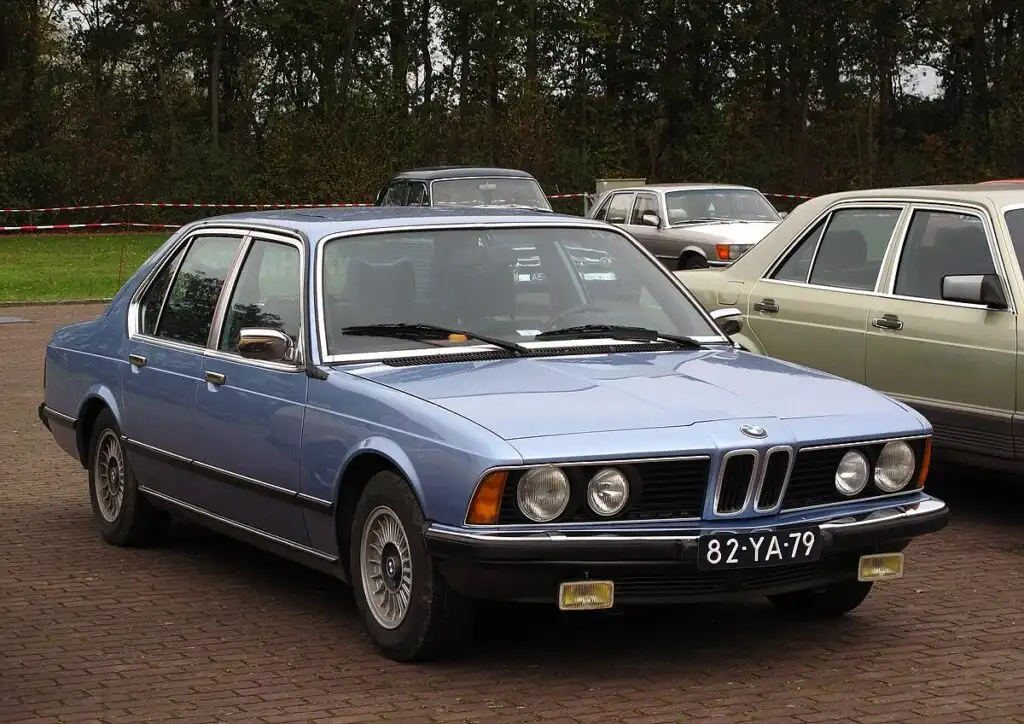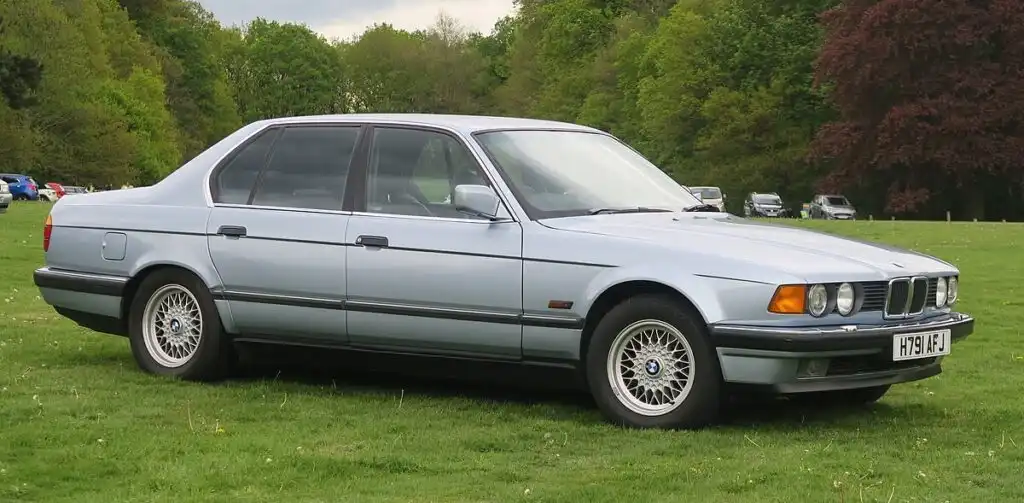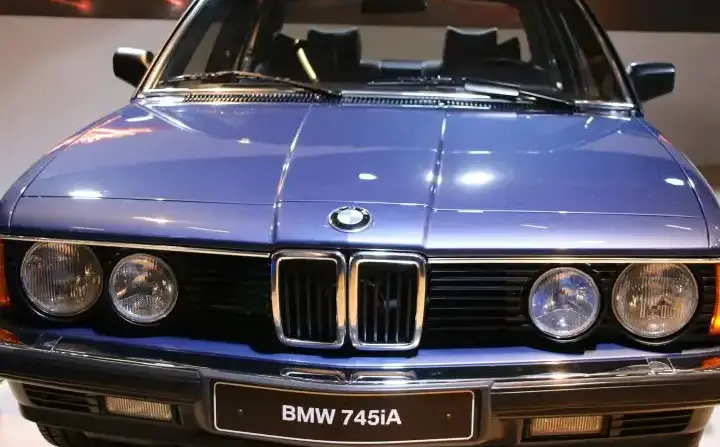
The BMW 735i, produced between 1983 and 1986, represented a significant evolution of the E23 7 Series. This facelifted version of the original E23, introduced in 1977, aimed to refine the luxury sedan with updated styling and, crucially, a more modern engine. The 735i occupied a middle ground in the 7 Series lineup, positioned above the base 728i and below the flagship 745i. It was designed to appeal to buyers seeking a blend of performance, luxury, and relatively good fuel economy for a vehicle of its size and class. The E23 platform, internally designated as the ‘7 Series’, was BMW’s attempt to establish itself firmly in the full-size luxury segment, competing with established rivals from Mercedes-Benz and Jaguar.
Technical Specifications
| Brand | BMW |
| Model | 7 Series |
| Generation | 7 Series (E23, facelift 1983) |
| Type (Engine) | 735i (218 Hp) |
| Start of production | 1983 |
| End of production | 1986 |
| Powertrain Architecture | Internal Combustion engine |
| Body type | Sedan |
| Seats | 5 |
| Doors | 4 |
| Fuel consumption (economy) – urban | 16.8 l/100 km (14 US mpg, 16.8 UK mpg, 6 km/l) |
| Fuel consumption (economy) – extra urban | 8.1 l/100 km (29 US mpg, 34.9 UK mpg, 12.3 km/l) |
| Fuel consumption (economy) – combined | 11.6 l/100 km (20.3 US mpg, 24.4 UK mpg, 8.6 km/l) |
| Fuel Type | Petrol (Gasoline) |
| Acceleration 0 – 100 km/h | 7.9 sec |
| Acceleration 0 – 62 mph | 7.9 sec |
| Acceleration 0 – 60 mph | 7.5 sec |
| Maximum speed | 217 km/h (134.84 mph) |
| Weight-to-power ratio | 6.9 kg/Hp, 145.3 Hp/tonne |
| Weight-to-torque ratio | 4.8 kg/Nm, 206.7 Nm/tonne |
| Power | 218 Hp @ 5200 rpm |
| Power per litre | 63.6 Hp/l |
| Torque | 310 Nm @ 4000 rpm (228.64 lb.-ft. @ 4000 rpm) |
| Engine layout | Front, Longitudinal |
| Engine Model/Code | M30B34 |
| Engine displacement | 3430 cm3 (209.31 cu. in.) |
| Number of cylinders | 6 |
| Engine configuration | Inline |
| Cylinder Bore | 92 mm (3.62 in.) |
| Piston Stroke | 86 mm (3.39 in.) |
| Compression ratio | 10:1 |
| Number of valves per cylinder | 2 |
| Fuel injection system | Multi-port manifold injection |
| Engine aspiration | Naturally aspirated engine |
| Engine oil capacity | 5.75 l (6.08 US qt, 5.06 UK qt) |
| Coolant | 12 l (12.68 US qt, 10.56 UK qt) |
| Kerb Weight | 1500 kg (3306.93 lbs.) |
| Max. weight | 2010 kg (4431.29 lbs.) |
| Max load | 510 kg (1124.36 lbs.) |
| Trunk (boot) space – minimum | 480 l (16.95 cu. ft.) |
| Fuel tank capacity | 100 l (26.42 US gal, 22 UK gal) |
| Length | 4860 mm (191.34 in.) |
| Width | 1800 mm (70.87 in.) |
| Height | 1430 mm (56.3 in.) |
| Wheelbase | 2795 mm (110.04 in.) |
| Front track | 1502 mm (59.13 in.) |
| Rear (Back) track | 1524 mm (60 in.) |
| Drag coefficient (Cd) | 0.40 |
| Minimum turning circle | 11.6 m (38.06 ft.) |
| Drivetrain Architecture | Rear wheel drive |
| Drive wheel | Rear wheel drive |
| Number of gears and type of gearbox | 5 gears, manual transmission |
| Front suspension | Independent, type McPherson with coil spring and anti-roll bar |
| Rear suspension | Independent coil spring |
| Front brakes | Disc |
| Rear brakes | Drum |
| Tires size | 205/70 VR 14 |
| Wheel rims size | 14 |
Powertrain & Engine Architecture
The heart of the 735i was the M30B34 engine, a 3.4-liter inline-six cylinder powerplant. This engine represented a significant upgrade over the earlier M30 engines, featuring a larger displacement and improved cylinder head design. The B34 utilized Bosch Motronic fuel injection, a sophisticated system for its time that optimized fuel delivery and ignition timing for improved performance and efficiency. The engine boasted a compression ratio of 10:1 and produced 218 horsepower at 5200 rpm and 310 Nm (228.64 lb-ft) of torque at 4000 rpm. The engine’s longitudinal front-mounted layout contributed to a balanced weight distribution. The 735i was primarily offered with a 5-speed manual transmission, but a 4-speed automatic transmission was also available, though less common. The automatic, while offering convenience, did slightly diminish acceleration performance.
Driving Characteristics
The 735i, particularly with the manual transmission, offered a surprisingly engaging driving experience for a large luxury sedan. Acceleration from 0 to 60 mph took around 7.5 seconds, respectable for the era. The inline-six engine delivered smooth, linear power throughout the rev range, making it easy to modulate throttle response. The automatic transmission, while smooth, resulted in a noticeable decrease in acceleration and a less direct connection to the engine. The gear ratios were tuned for comfortable cruising rather than outright performance. The suspension, featuring McPherson struts in the front and independent coil springs in the rear, provided a comfortable ride, absorbing bumps and imperfections in the road effectively. However, it wasn’t particularly sporty, with some body roll noticeable during cornering.
Equipment & Trim Levels
The 735i came standard with a generous array of features for the time, including power windows, power locks, air conditioning, and a high-quality sound system. Leather upholstery was standard, and wood trim adorned the interior, enhancing the luxurious ambiance. Optional extras included a sunroof, heated seats, and a more advanced sound system. The dashboard layout was typical of BMW in the 1980s, with a driver-focused design and clear, easy-to-read gauges. The interior was well-built and felt solid, reflecting BMW’s commitment to quality.
Chassis & Braking
The E23 7 Series utilized a robust chassis with independent suspension all around. The front suspension employed McPherson struts with coil springs and an anti-roll bar, while the rear featured an independent coil spring setup. Braking duties were handled by disc brakes in the front and drum brakes in the rear. While adequate for normal driving, the rear drum brakes were a point of criticism, as they lacked the stopping power and fade resistance of disc brakes. The 735i’s curb weight of 1500 kg (3306.93 lbs) contributed to its stable handling characteristics.
Market Reception & Comparison
The 735i was generally well-received by automotive critics. It was praised for its refined engine, comfortable ride, and luxurious interior. However, some critics noted the relatively high price and the somewhat dated styling compared to newer rivals. Compared to the 728i, the 735i offered a significant performance boost, making it a more enjoyable driving experience. In contrast to the 745i, the 735i was more fuel-efficient and slightly more affordable, appealing to a broader range of buyers. Reliability was generally good, although maintenance costs could be high due to the complexity of the engine and the availability of parts.
Legacy
The BMW 735i (E23) remains a sought-after classic car today. Well-maintained examples are prized by collectors and enthusiasts. The M30B34 engine is known for its durability and relatively straightforward maintenance, although age-related issues such as oil leaks and worn rubber components are common. The 735i represents a pivotal moment in BMW’s history, showcasing the company’s commitment to building high-quality, performance-oriented luxury sedans. Its blend of comfort, performance, and style continues to appeal to enthusiasts decades after its production ended. The car’s enduring appeal is a testament to the quality of its engineering and the timelessness of its design.