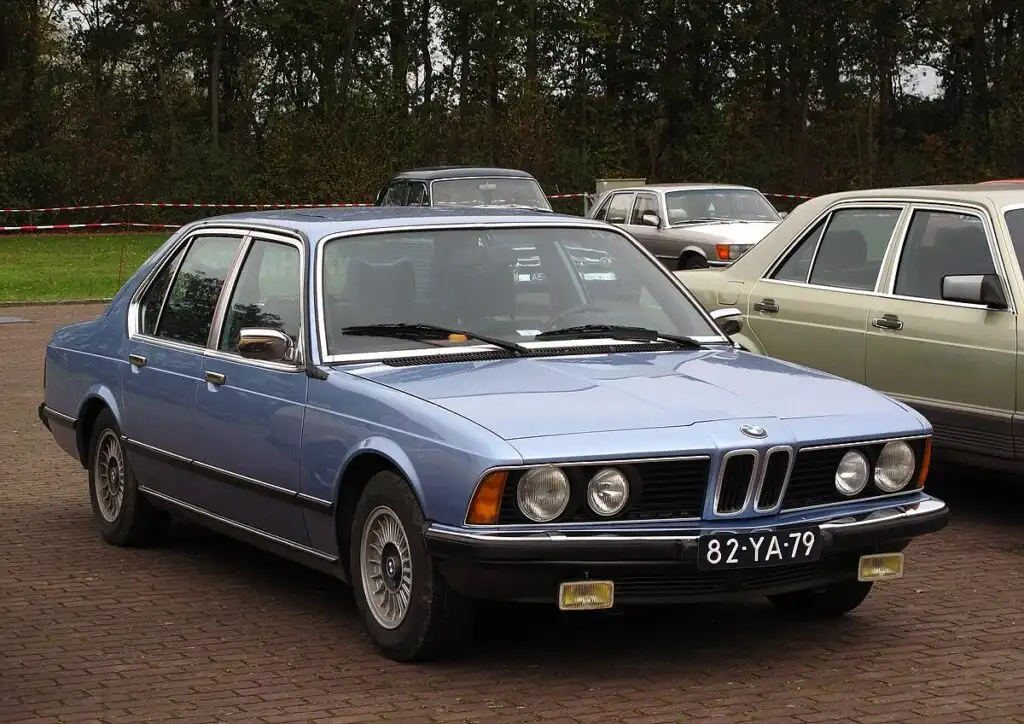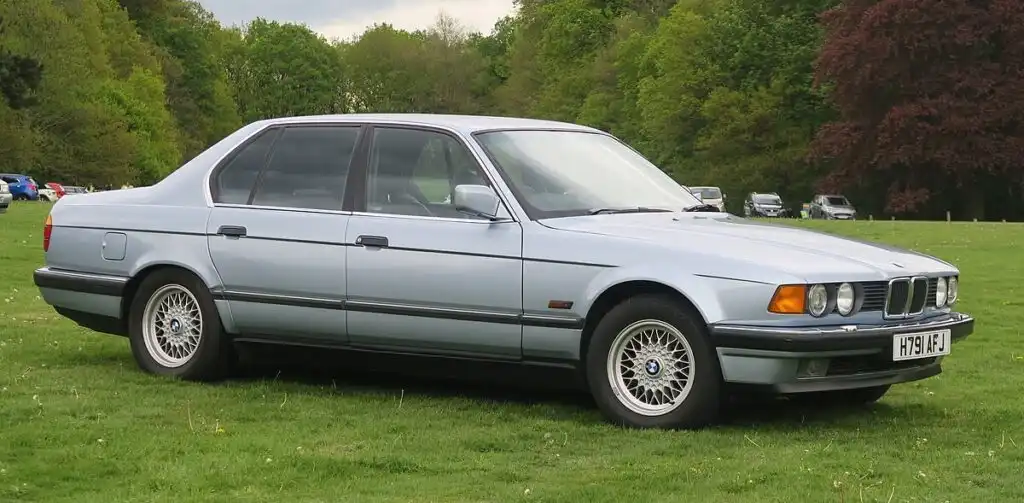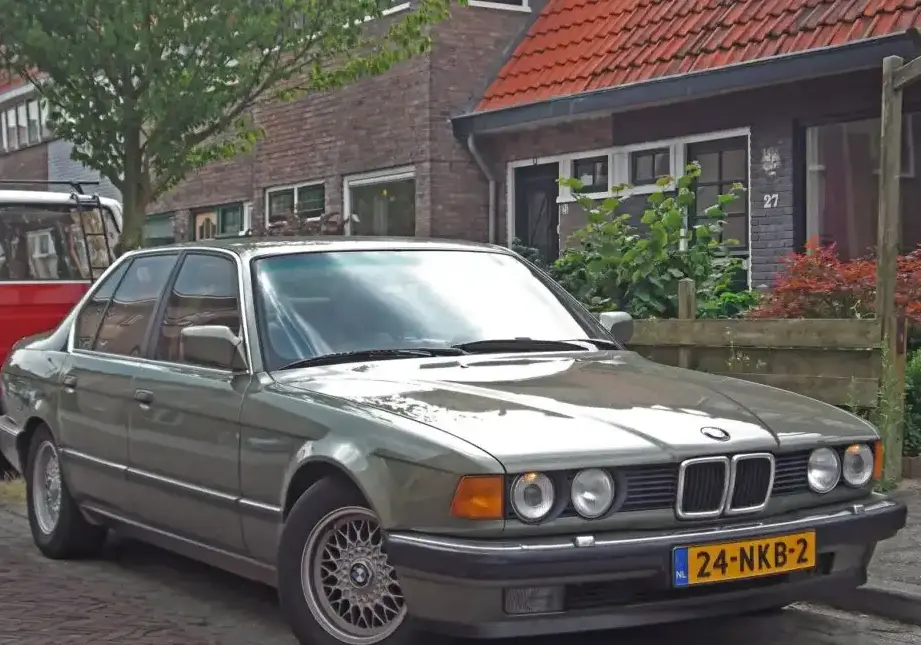
The BMW 730i (E32), produced between 1986 and 1992, represented the entry point into BMW’s flagship 7 Series range during the E32 generation. Positioned below the 735i and later the 740i and 750iL models, the 730i offered a blend of luxury, performance, and relative affordability. It was primarily marketed towards buyers seeking the prestige of a 7 Series without the higher price tag associated with the larger-displacement engines. The E32 chassis, known for its robust build quality and advanced (for the time) technology, served as the foundation for this model, establishing a new benchmark for BMW’s luxury sedans.
Technical Specifications
| Brand | BMW |
| Model | 7 Series |
| Generation | 7 Series (E32) |
| Type | 730i (188 Hp) cat Automatic |
| Start of production | 1986 |
| End of production | 1992 |
| Powertrain Architecture | Internal Combustion engine |
| Body type | Sedan |
| Seats | 5 |
| Doors | 4 |
| Fuel consumption (urban) | 16.9 l/100 km (13.9 US mpg, 16.7 UK mpg, 5.9 km/l) |
| Fuel consumption (extra urban) | 7.4 l/100 km (31.8 US mpg, 38.2 UK mpg, 13.5 km/l) |
| Fuel consumption (combined) | 11.2 l/100 km (21 US mpg, 25.2 UK mpg, 8.9 km/l) |
| Fuel Type | Petrol (Gasoline) |
| Acceleration 0 – 100 km/h | 11.3 sec |
| Acceleration 0 – 62 mph | 11.3 sec |
| Acceleration 0 – 60 mph | 10.7 sec |
| Maximum speed | 212 km/h (131.73 mph) |
| Weight-to-power ratio | 8.5 kg/Hp, 117.5 Hp/tonne |
| Weight-to-torque ratio | 6.2 kg/Nm, 162.5 Nm/tonne |
| Power | 188 Hp @ 5800 rpm |
| Power per litre | 63 Hp/l |
| Torque | 260 Nm @ 4000 rpm (191.77 lb.-ft. @ 4000 rpm) |
| Engine layout | Front, Longitudinal |
| Engine Model/Code | M30B30 |
| Engine displacement | 2986 cm3 (182.22 cu. in.) |
| Number of cylinders | 6 |
| Engine configuration | Inline |
| Cylinder Bore | 89 mm (3.5 in.) |
| Piston Stroke | 80 mm (3.15 in.) |
| Compression ratio | 9:1 |
| Number of valves per cylinder | 2 |
| Fuel injection system | Multi-port manifold injection |
| Engine aspiration | Naturally aspirated engine |
| Engine oil capacity | 5.75 l (6.08 US qt | 5.06 UK qt) |
| Coolant capacity | 12 l (12.68 US qt | 10.56 UK qt) |
| Kerb Weight | 1600 kg (3527.4 lbs.) |
| Max. weight | 2120 kg (4673.8 lbs.) |
| Max load | 520 kg (1146.4 lbs.) |
| Trunk (boot) space – minimum | 500 l (17.66 cu. ft.) |
| Fuel tank capacity | 90 l (23.78 US gal | 19.8 UK gal) |
| Length | 4910 mm (193.31 in.) |
| Width | 1845 mm (72.64 in.) |
| Height | 1411 mm (55.55 in.) |
| Wheelbase | 2832 mm (111.5 in.) |
| Front track | 1527 mm (60.12 in.) |
| Rear (Back) track | 1550 mm (61.02 in.) |
| Drag coefficient (Cd) | 0.32 |
| Minimum turning circle | 11.6 m (38.06 ft.) |
| Drivetrain Architecture | Rear wheel drive |
| Number of gears | 4 |
| Gearbox type | Automatic transmission |
| Front suspension | Coil spring |
| Rear suspension | Coil spring |
| Front brakes | Ventilated discs |
| Rear brakes | Disc |
| Assisting systems | ABS (Anti-lock braking system) |
| Steering type | Steering rack and pinion |
| Power steering | Hydraulic Steering |
| Tires size | 205/65 VR 15 |
| Wheel rims size | 15 |
Powertrain & Engine Architecture
The 730i was powered by the M30B30 engine, a 3.0-liter inline-six cylinder powerplant. This engine was a derivative of the well-respected M30 family, known for its smoothness and durability. The B30 version featured multi-port fuel injection, a relatively advanced system for its time, contributing to improved fuel efficiency and reduced emissions. The engine produced 188 horsepower at 5800 rpm and 260 Nm (191.77 lb-ft) of torque at 4000 rpm. The engine’s 9:1 compression ratio was a compromise between performance and the ability to run on lower octane fuel. The four-speed automatic transmission, a common unit in BMWs of the era, was specifically tuned to complement the engine’s torque curve, prioritizing smooth shifts and comfortable cruising rather than outright acceleration.
Driving Characteristics
The 730i Automatic offered a comfortable and refined driving experience. While not as dynamically engaging as the manual transmission or higher-powered variants, the automatic transmission provided seamless gear changes, making it ideal for city driving and long-distance journeys. Acceleration was adequate, with a 0-60 mph time of around 10.7 seconds, but it lacked the urgency of the 735i or 750iL. The automatic transmission’s gear ratios were geared towards fuel economy and relaxed cruising, resulting in a less responsive feel compared to the manual gearbox. The car’s weight of approximately 1600 kg (3527.4 lbs) also contributed to its less sporty character.
Equipment & Trim Levels
The 730i came standard with a respectable level of equipment, including power windows, power locks, air conditioning, and a basic audio system. Interior upholstery typically consisted of cloth or leatherette, with full leather being an optional extra. The dashboard layout was typical of BMWs of the period, featuring a driver-focused design with clear instrumentation. Optional extras included a sunroof, upgraded audio systems, heated seats, and a more sophisticated climate control system. The 730i often served as a base for customers to add options, allowing for a degree of personalization.
Chassis & Braking
The E32 chassis featured independent suspension all around, utilizing coil springs and shock absorbers. The front suspension employed MacPherson struts, while the rear utilized a semi-trailing arm design. This setup provided a comfortable ride and good handling characteristics. The 730i typically came equipped with ventilated disc brakes at the front and solid disc brakes at the rear. An Anti-lock Braking System (ABS) was standard, enhancing safety and stability during braking. The steering was a rack-and-pinion system with hydraulic power assistance, providing precise and responsive steering feel.
Market Reception & Comparison
The 730i was generally well-received by automotive critics as a capable and comfortable luxury sedan. However, it was often criticized for its relatively modest performance compared to its more powerful siblings. Fuel economy was considered reasonable for a vehicle of its size and class, averaging around 21 US mpg in combined driving. Compared to the 735i, the 730i offered a lower purchase price but sacrificed performance. The 735i’s larger engine provided significantly more power and a more engaging driving experience. In terms of reliability, the M30B30 engine proved to be durable, but the automatic transmission could be prone to issues if not properly maintained.
Legacy
The BMW 730i (E32) remains a sought-after classic car among BMW enthusiasts. The M30B30 engine is known for its longevity and relatively simple maintenance requirements. Well-maintained examples are becoming increasingly rare and valuable. While the 730i may not offer the same performance as the higher-end models, its blend of luxury, comfort, and relative affordability has earned it a loyal following. Today, it represents a piece of BMW history, showcasing the brand’s commitment to engineering excellence and driving pleasure.