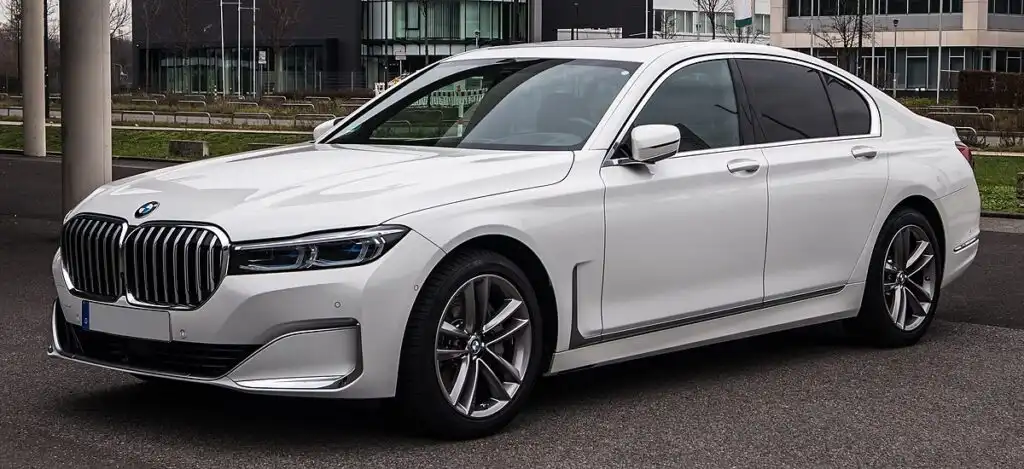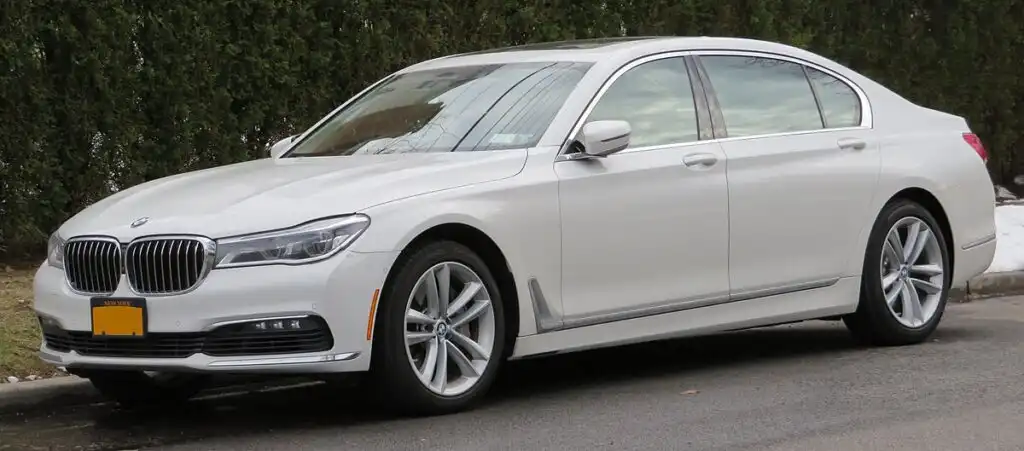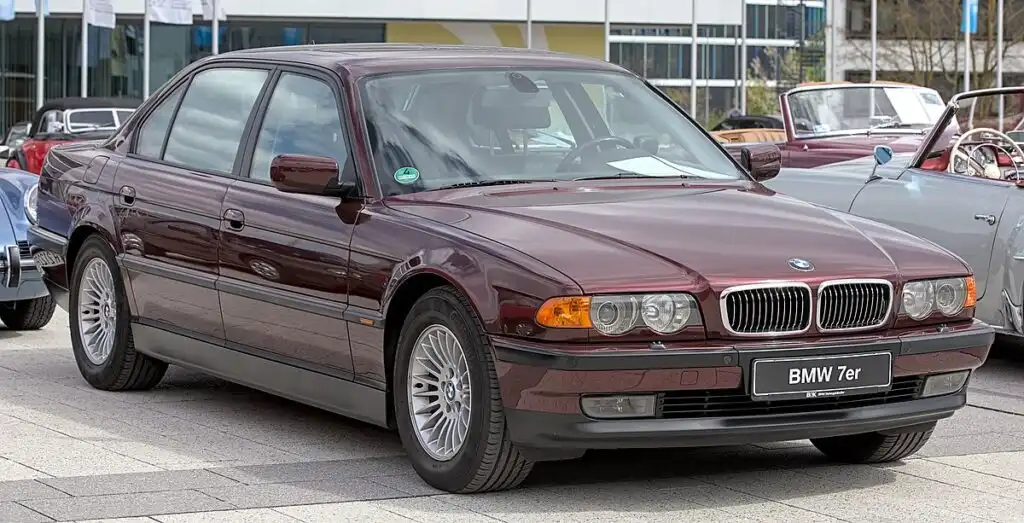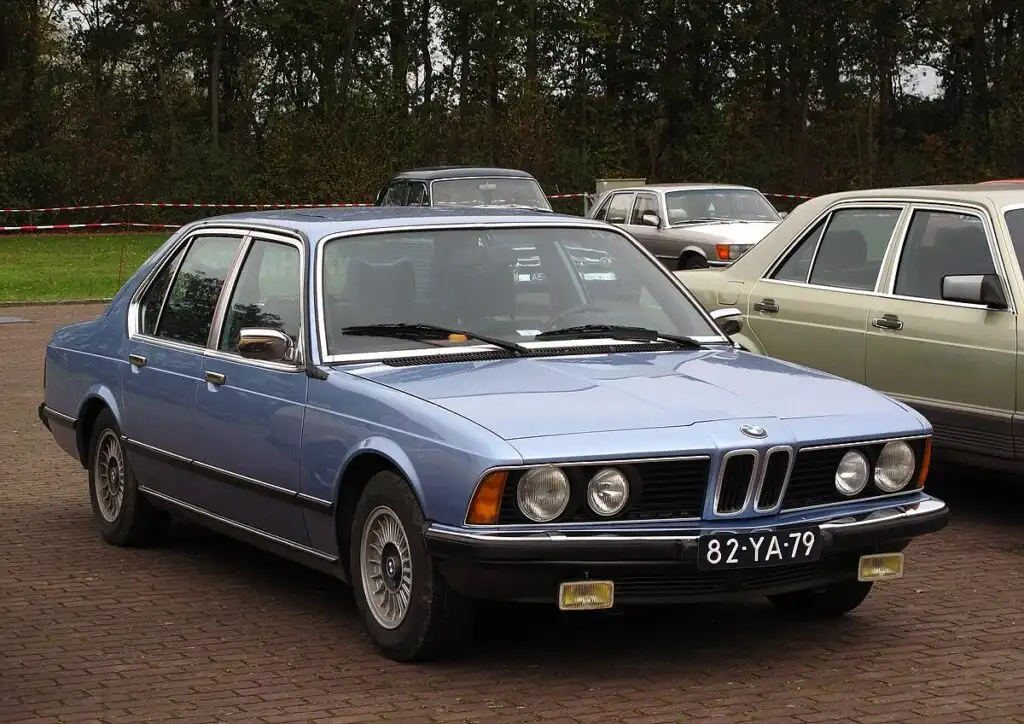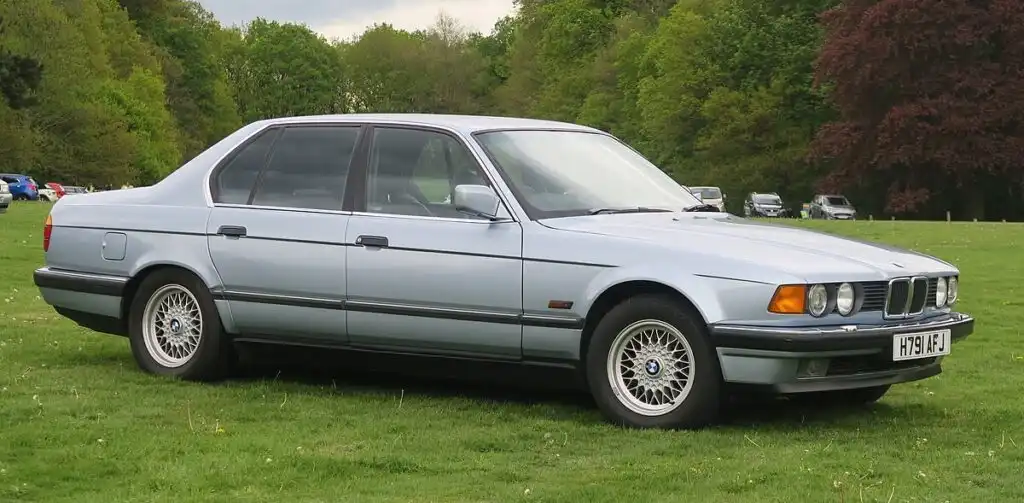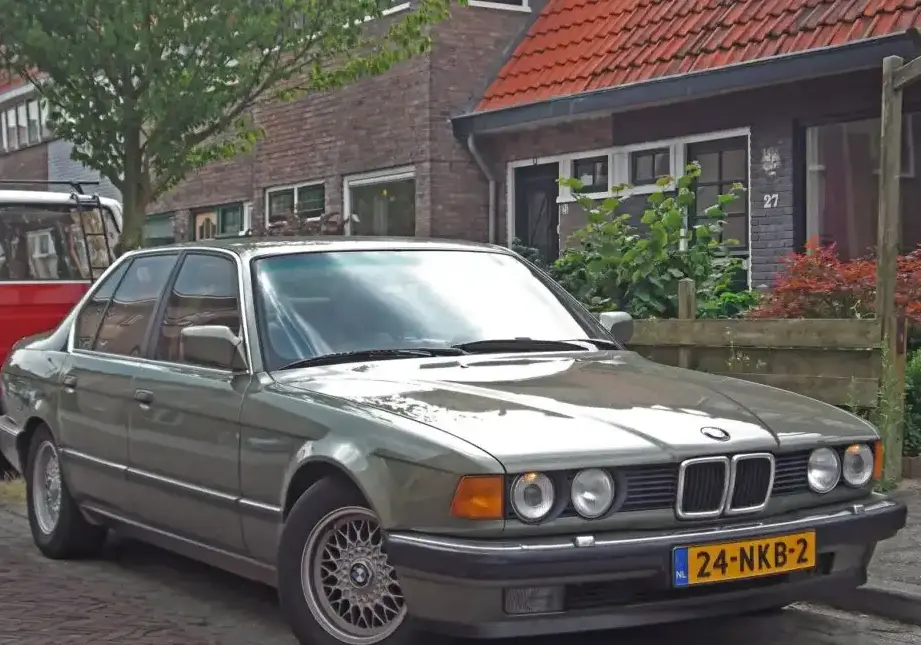
The BMW 735i (E32), produced between 1986 and 1992, represented a significant step forward for BMW’s flagship sedan. Part of the first generation E32 7 Series, the 735i was positioned as the mid-range offering, slotting between the base 730i and the high-performance 750iL. It aimed to balance luxury, performance, and technology, establishing a new benchmark in the executive car segment. The E32 platform was a clean-sheet design, replacing the aging E28 5 Series-based predecessor and introducing features previously unseen in a BMW sedan, such as double-glazed windows, automatic climate control, and a sophisticated onboard computer system.
Technical Specifications
| Brand | BMW |
| Model | 7 Series |
| Generation | 7 Series (E32) |
| Type (Engine) | 735i (211 Hp) cat |
| Start of production | 1986 |
| End of production | 1992 |
| Powertrain Architecture | Internal Combustion engine |
| Body type | Sedan |
| Seats | 5 |
| Doors | 4 |
| Fuel consumption (economy) – urban | 16.8 l/100 km (14 US mpg, 16.8 UK mpg, 6 km/l) |
| Fuel consumption (economy) – extra urban | 7.7 l/100 km (30.5 US mpg, 36.7 UK mpg, 13 km/l) |
| Fuel consumption (economy) – combined | 11.4 l/100 km (20.6 US mpg, 24.8 UK mpg, 8.8 km/l) |
| Fuel Type | Petrol (Gasoline) |
| Acceleration 0 – 100 km/h | 8.3 sec |
| Acceleration 0 – 62 mph | 8.3 sec |
| Acceleration 0 – 60 mph | 7.9 sec |
| Maximum speed | 230 km/h (142.92 mph) |
| Weight-to-power ratio | 7.6 kg/Hp, 131.9 Hp/tonne |
| Weight-to-torque ratio | 5 kg/Nm, 200 Nm/tonne |
| Power | 211 Hp @ 5700 rpm |
| Power per litre | 61.5 Hp/l |
| Torque | 320 Nm @ 4000 rpm (236.02 lb.-ft. @ 4000 rpm) |
| Engine layout | Front, Longitudinal |
| Engine Model/Code | M30B35 |
| Engine displacement | 3430 cm3 (209.31 cu. in.) |
| Number of cylinders | 6 |
| Engine configuration | Inline |
| Cylinder Bore | 92 mm (3.62 in.) |
| Piston Stroke | 86 mm (3.39 in.) |
| Compression ratio | 9:1 |
| Number of valves per cylinder | 2 |
| Fuel injection system | Multi-port manifold injection |
| Engine aspiration | Naturally aspirated engine |
| Engine oil capacity | 5.75 l (6.08 US qt | 5.06 UK qt) |
| Coolant | 12 l (12.68 US qt | 10.56 UK qt) |
| Kerb Weight | 1600 kg (3527.4 lbs.) |
| Max. weight | 2150 kg (4739.94 lbs.) |
| Max load | 550 kg (1212.54 lbs.) |
| Trunk (boot) space – minimum | 500 l (17.66 cu. ft.) |
| Fuel tank capacity | 90 l (23.78 US gal | 19.8 UK gal) |
| Length | 4910 mm (193.31 in.) |
| Width | 1845 mm (72.64 in.) |
| Height | 1411 mm (55.55 in.) |
| Wheelbase | 2832 mm (111.5 in.) |
| Front track | 1527 mm (60.12 in.) |
| Rear (Back) track | 1550 mm (61.02 in.) |
| Drag coefficient (Cd) | 0.32 |
| Minimum turning circle (turning diameter) | 11.6 m (38.06 ft.) |
| Drivetrain Architecture | The Internal combustion engine (ICE) drives the rear wheels of the vehicle. |
| Drive wheel | Rear wheel drive |
| Number of gears and type of gearbox | 5 gears, manual transmission |
| Front suspension | Coil spring |
| Rear suspension | Coil spring |
| Front brakes | Ventilated discs |
| Rear brakes | Disc |
| Assisting systems | ABS (Anti-lock braking system) |
| Steering type | Steering rack and pinion |
| Power steering | Hydraulic Steering |
| Tires size | 225/60 R15 |
| Wheel rims size | 15 |
Powertrain & Engine Architecture
The 735i was powered by the M30B35 engine, a 3.5-liter inline-six cylinder powerplant. This engine was a further evolution of the M30 family, known for its smoothness and durability. The B35 variant featured Bosch Motronic fuel injection and a catalytic converter, making it compliant with increasingly stringent emissions regulations. The engine produced 211 horsepower at 5700 rpm and 236 lb-ft of torque at 4000 rpm. The five-speed manual transmission was standard, providing a direct connection to the engine’s power. The M30 engine’s design emphasized low-end torque, making it a flexible and responsive engine for everyday driving. The engine utilized a single overhead camshaft (SOHC) design with two valves per cylinder, a relatively conservative valvetrain for the era, but one that contributed to its reliability.
Driving Characteristics
The 735i offered a refined driving experience. While not as overtly sporty as the 750iL, it provided ample power for confident overtaking and highway cruising. The manual transmission allowed for precise control, and the engine’s torque curve meant that it didn’t require constant gear changes. Compared to the 730i, the 735i offered a noticeable performance improvement, with quicker acceleration and a more relaxed feel at higher speeds. The 735i’s suspension was tuned for comfort, providing a smooth ride over most road surfaces. However, it still offered reasonably good handling, with minimal body roll in corners. The rear-wheel drive configuration provided a balanced feel, although it could be challenging in slippery conditions.
Equipment & Trim Levels
The 735i came standard with a generous array of features for its time, including power windows, power locks, air conditioning, and a high-quality sound system. Leather upholstery was standard, as were wood trim accents. Optional extras included a sunroof, heated seats, a premium sound system, and a telephone system. The interior design was understated and elegant, reflecting BMW’s commitment to quality and craftsmanship. The dashboard layout was driver-focused, with all essential controls within easy reach. The 735i’s trim level was generally considered a step above the base 730i, offering a more luxurious and well-equipped experience.
Chassis & Braking
The E32 7 Series featured an independent suspension on all four wheels, utilizing coil springs and shock absorbers. The front suspension employed MacPherson struts, while the rear suspension used a semi-trailing arm design. The 735i was equipped with ventilated disc brakes on all four wheels, providing ample stopping power. An Anti-lock Braking System (ABS) was standard, enhancing safety and control during hard braking. The chassis was designed for rigidity, contributing to the car’s handling and stability. The steering was a rack-and-pinion system with hydraulic power assistance, providing precise and responsive steering feel.
Market Reception & Comparison
The 735i was generally well-received by automotive critics. It was praised for its smooth engine, comfortable ride, and luxurious interior. Critics noted that it offered a good balance between performance and refinement. Compared to the 730i, the 735i was seen as a more desirable option for those who wanted more power and a more engaging driving experience. However, it was also more expensive. Fuel economy was reasonable for a car of its size and performance, averaging around 20 mpg in combined driving. Reliability was generally good, although some owners reported issues with the cooling system and electrical components.
Legacy
The E32 735i remains a sought-after classic BMW. The M30B35 engine is known for its durability and is considered a relatively easy engine to maintain. Well-maintained examples are becoming increasingly rare and valuable. The E32 7 Series as a whole is remembered as a landmark car for BMW, establishing the brand as a leader in the luxury sedan segment. Today, the 735i offers a unique blend of classic BMW styling, comfortable luxury, and engaging driving dynamics, making it a popular choice among enthusiasts and collectors.