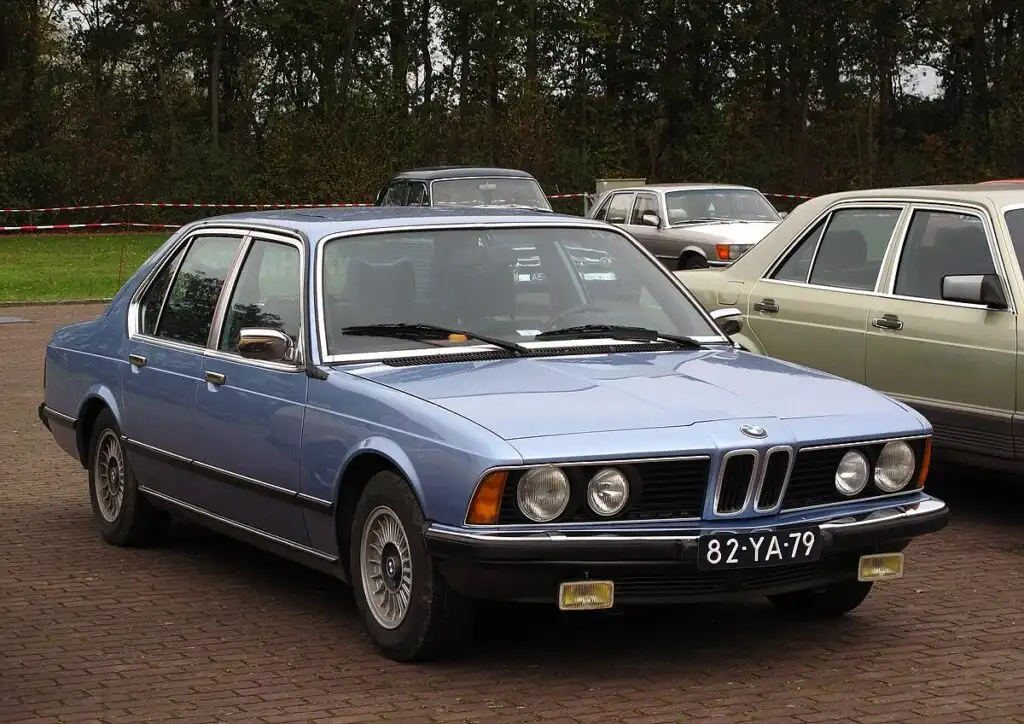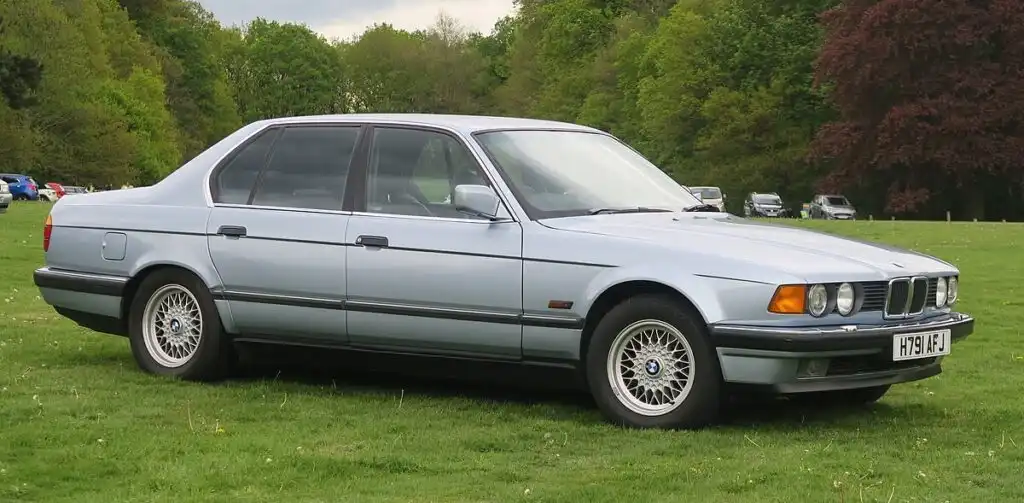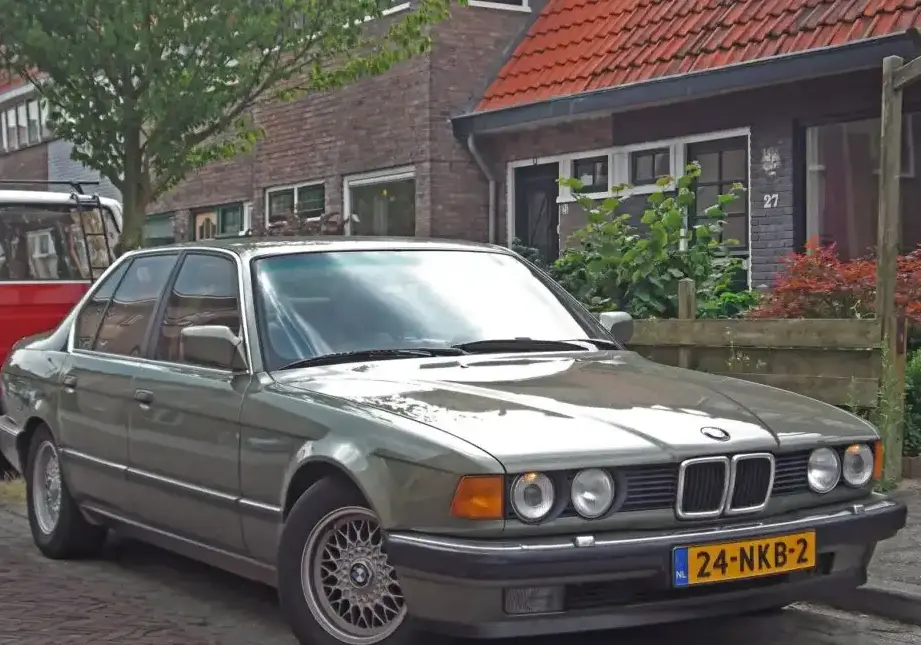
The BMW 735i (E32), produced between 1986 and 1992, represented a significant step forward for BMW’s flagship sedan. Positioned as a mid-range offering within the E32 generation – which replaced the E28 7-Series – the 735i aimed to balance performance and luxury. It served as a crucial model in establishing BMW’s reputation for technologically advanced, driver-focused luxury cars in the North American and European markets. The E32 platform, internally designated as the ‘Project Gold’, was a clean-sheet design, moving away from the more conservative styling of its predecessor and embracing a more modern aesthetic. This variant, equipped with the M30B35 engine and a four-speed automatic transmission, was a popular choice for buyers seeking a refined and capable grand tourer.
Technical Specifications
| Brand | BMW |
| Model | 7 Series |
| Generation | 7 Series (E32) |
| Type (Engine) | 735i (211 Hp) cat Automatic |
| Start of production | 1986 |
| End of production | 1992 |
| Powertrain Architecture | Internal Combustion engine |
| Body type | Sedan |
| Seats | 5 |
| Doors | 4 |
| Fuel consumption (economy) – urban | 17.6 l/100 km (13.4 US mpg, 16.1 UK mpg, 5.7 km/l) |
| Fuel consumption (economy) – extra urban | 7.6 l/100 km (30.9 US mpg, 37.2 UK mpg, 13.2 km/l) |
| Fuel consumption (economy) – combined | 11.6 l/100 km (20.3 US mpg, 24.4 UK mpg, 8.6 km/l) |
| Fuel Type | Petrol (Gasoline) |
| Acceleration 0 – 100 km/h | 9.8 sec |
| Acceleration 0 – 62 mph | 9.8 sec |
| Acceleration 0 – 60 mph | 9.3 sec |
| Maximum speed | 222 km/h (137.94 mph) |
| Weight-to-power ratio | 7.7 kg/Hp, 129.4 Hp/tonne |
| Weight-to-torque ratio | 5.1 kg/Nm, 196.3 Nm/tonne |
| Power | 211 Hp @ 5700 rpm |
| Power per litre | 61.5 Hp/l |
| Torque | 320 Nm @ 4000 rpm (236.02 lb.-ft. @ 4000 rpm) |
| Engine layout | Front, Longitudinal |
| Engine Model/Code | M30B35 |
| Engine displacement | 3430 cm3 (209.31 cu. in.) |
| Number of cylinders | 6 |
| Engine configuration | Inline |
| Cylinder Bore | 92 mm (3.62 in.) |
| Piston Stroke | 86 mm (3.39 in.) |
| Compression ratio | 9:1 |
| Number of valves per cylinder | 2 |
| Fuel injection system | Multi-port manifold injection |
| Engine aspiration | Naturally aspirated engine |
| Engine oil capacity | 5.75 l (6.08 US qt | 5.06 UK qt) |
| Coolant | 12 l (12.68 US qt | 10.56 UK qt) |
| Kerb Weight | 1630 kg (3593.53 lbs.) |
| Max. weight | 2150 kg (4739.94 lbs.) |
| Max load | 520 kg (1146.4 lbs.) |
| Trunk (boot) space – minimum | 500 l (17.66 cu. ft.) |
| Fuel tank capacity | 90 l (23.78 US gal | 19.8 UK gal) |
| Length | 4910 mm (193.31 in.) |
| Width | 1845 mm (72.64 in.) |
| Height | 1411 mm (55.55 in.) |
| Wheelbase | 2832 mm (111.5 in.) |
| Front track | 1527 mm (60.12 in.) |
| Rear (Back) track | 1550 mm (61.02 in.) |
| Drag coefficient (Cd) | 0.32 |
| Minimum turning circle | 11.6 m (38.06 ft.) |
| Drivetrain Architecture | Rear wheel drive |
| Number of gears and type of gearbox | 4 gears, automatic transmission |
| Front suspension | Coil spring |
| Rear suspension | Coil spring |
| Front brakes | Ventilated discs |
| Rear brakes | Disc |
| Assisting systems | ABS (Anti-lock braking system) |
| Steering type | Steering rack and pinion |
| Power steering | Hydraulic Steering |
| Tires size | 225/60 VR 15 |
| Wheel rims size | 15 |
Powertrain & Engine Architecture
The heart of the 735i was the M30B35 engine, a 3.5-liter inline-six cylinder powerplant. This engine was a further evolution of the M30 family, known for its smoothness and durability. The B35 variant featured Bosch Motronic fuel injection, a significant upgrade over earlier carbureted M30 engines, improving efficiency and responsiveness. The engine utilized a single overhead camshaft (SOHC) design with two valves per cylinder. The catalytic converter, standard equipment, was a response to increasingly stringent emissions regulations. Paired with the engine was a four-speed automatic transmission, offering smooth shifts but lacking the driver engagement of a manual gearbox. This automatic was a common choice for buyers prioritizing comfort and ease of use.
Driving Characteristics
The 735i automatic offered a comfortable and refined driving experience. While not overtly sporty, the 211 horsepower and 236 lb-ft of torque provided adequate performance for effortless cruising and confident overtaking. Acceleration from 0-60 mph took around 9.3 seconds, respectable for the era. The automatic transmission, while smooth, did result in some power loss compared to the five-speed manual version. Gear ratios were tuned for relaxed highway driving, with a focus on fuel efficiency rather than outright acceleration. Compared to the later 740i with its larger V8 engine, the 735i felt less powerful but more balanced in terms of weight distribution.
Equipment & Trim Levels
The 735i came reasonably well-equipped as standard. Interior appointments included cloth upholstery, power windows, power locks, and a basic audio system. Leather upholstery, a sunroof, and upgraded audio systems were available as options. The dashboard layout was functional and ergonomically designed, with clear instrumentation. The 735i occupied a middle ground in the E32 lineup; it offered more luxury features than the base 730i but lacked the prestige and performance of the flagship 750iL.
Chassis & Braking
The E32 chassis featured independent suspension all around, utilizing coil springs and shock absorbers. The front suspension employed MacPherson struts, while the rear utilized a semi-trailing arm design. This setup provided a comfortable ride and good handling characteristics. Brakes were ventilated discs at the front and solid discs at the rear, with ABS (Anti-lock Braking System) standard. The ABS system was a significant safety feature for the time. Steering was rack-and-pinion with hydraulic power assistance, providing precise and responsive steering feel.
Market Reception & Comparison
The 735i was generally well-received by automotive critics. It was praised for its comfortable ride, refined engine, and build quality. However, some critics noted that the automatic transmission detracted from the driving experience. Compared to the 730i, the 735i offered a noticeable performance upgrade. Against the 750iL, it represented a more affordable option, albeit with less power and prestige. Fuel economy was reasonable for a luxury sedan of its size, averaging around 20 mpg in combined driving.
Legacy
The E32 735i, while now a classic car, remains a relatively reliable vehicle when properly maintained. The M30B35 engine is known for its longevity, and parts availability is generally good. However, like any older BMW, it requires regular maintenance to prevent issues. Common problem areas include cooling system components, electrical connectors, and suspension bushings. Today, the E32 735i is appreciated by enthusiasts for its classic styling, comfortable ride, and robust engineering. It represents a high point in BMW’s engineering history and a testament to the brand’s commitment to building driver-focused luxury cars.