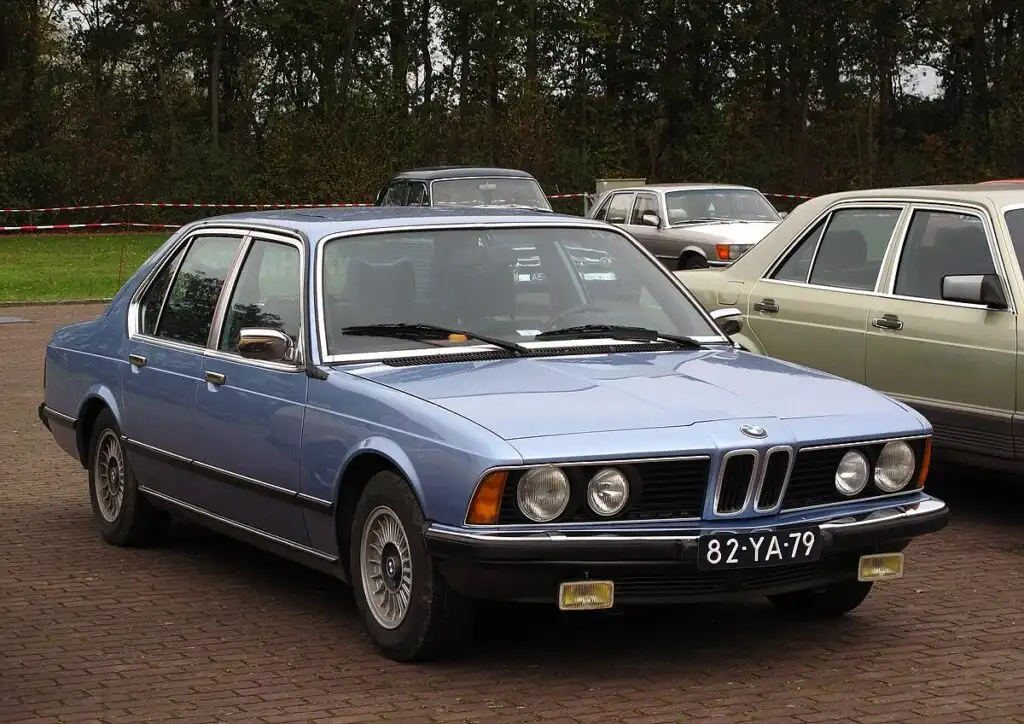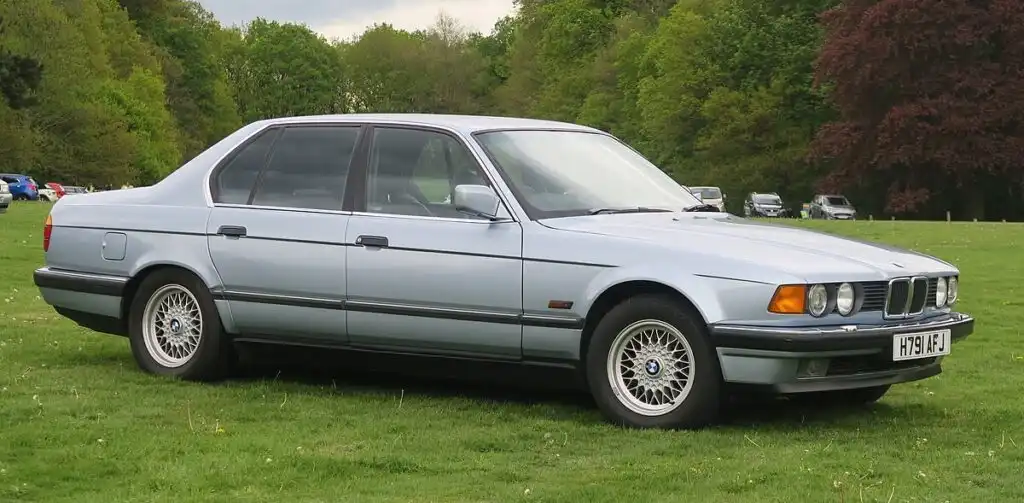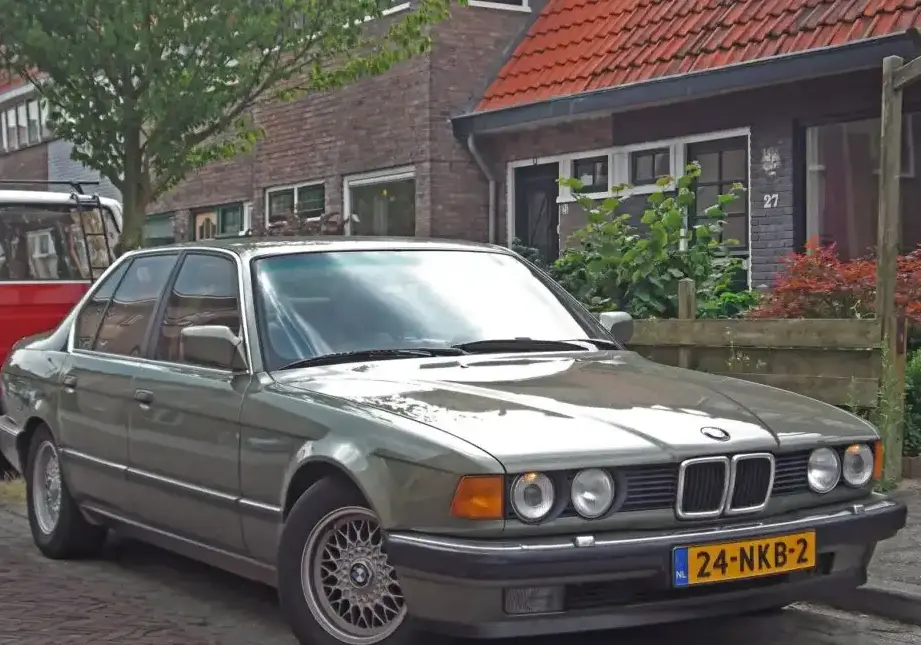
The BMW 735i (E32), produced between 1986 and 1992, represented a significant step forward for BMW’s flagship sedan. Positioned as a mid-range offering within the E32 generation – which replaced the E28 7-Series – the 735i aimed to balance performance and luxury. It served as a crucial model in establishing BMW’s reputation for technologically advanced and driver-focused luxury cars, particularly in the North American and European markets. The E32 chassis, internally designated as the ‘7 Series’, was a clean-sheet design, moving away from the more angular styling of its predecessor and embracing a more rounded, sophisticated aesthetic. This generation introduced numerous innovations, including multi-link rear suspension and advanced electronic systems.
Technical Specifications
| Brand | BMW |
| Model | 7 Series |
| Generation | 7 Series (E32) |
| Type (Engine) | 735i (220 Hp) Automatic |
| Start of production | 1986 |
| End of production | 1992 |
| Powertrain Architecture | Internal Combustion engine |
| Body type | Sedan |
| Seats | 5 |
| Doors | 4 |
| Fuel consumption (economy) – urban | 16.7 l/100 km (14.1 US mpg, 16.9 UK mpg, 6 km/l) |
| Fuel consumption (economy) – extra urban | 7.6 l/100 km (30.9 US mpg, 37.2 UK mpg, 13.2 km/l) |
| Fuel consumption (economy) – combined | 11.3 l/100 km (20.8 US mpg, 25 UK mpg, 8.8 km/l) |
| Fuel Type | Petrol (Gasoline) |
| Acceleration 0 – 100 km/h | 9.2 sec |
| Acceleration 0 – 62 mph | 9.2 sec |
| Acceleration 0 – 60 mph | 8.7 sec |
| Maximum speed | 225 km/h (139.81 mph) |
| Weight-to-power ratio | 7.4 kg/Hp, 135 Hp/tonne |
| Weight-to-torque ratio | 5.2 kg/Nm, 193.3 Nm/tonne |
| Power | 220 Hp @ 5700 rpm |
| Power per litre | 64.1 Hp/l |
| Torque | 315 Nm @ 4000 rpm (232.33 lb.-ft. @ 4000 rpm) |
| Engine layout | Front, Longitudinal |
| Engine Model/Code | M30B35 |
| Engine displacement | 3430 cm3 (209.31 cu. in.) |
| Number of cylinders | 6 |
| Engine configuration | Inline |
| Cylinder Bore | 92 mm (3.62 in.) |
| Piston Stroke | 86 mm (3.39 in.) |
| Compression ratio | 9.2:1 |
| Number of valves per cylinder | 2 |
| Fuel injection system | Multi-port manifold injection |
| Engine aspiration | Naturally aspirated engine |
| Engine oil capacity | 5.75 l (6.08 US qt | 5.06 UK qt) |
| Coolant | 12 l (12.68 US qt | 10.56 UK qt) |
| Kerb Weight | 1630 kg (3593.53 lbs.) |
| Max. weight | 2150 kg (4739.94 lbs.) |
| Max load | 520 kg (1146.4 lbs.) |
| Trunk (boot) space – minimum | 500 l (17.66 cu. ft.) |
| Fuel tank capacity | 90 l (23.78 US gal | 19.8 UK gal) |
| Length | 4910 mm (193.31 in.) |
| Width | 1845 mm (72.64 in.) |
| Height | 1411 mm (55.55 in.) |
| Wheelbase | 2832 mm (111.5 in.) |
| Front track | 1527 mm (60.12 in.) |
| Rear (Back) track | 1550 mm (61.02 in.) |
| Drag coefficient (Cd) | 0.32 |
| Minimum turning circle (turning diameter) | 11.6 m (38.06 ft.) |
| Drivetrain Architecture | The Internal combustion engine (ICE) drives the rear wheels of the vehicle. |
| Drive wheel | Rear wheel drive |
| Number of gears and type of gearbox | 4 gears, automatic transmission |
| Front suspension | Coil spring |
| Rear suspension | Coil spring |
| Front brakes | Ventilated discs |
| Rear brakes | Disc |
| Assisting systems | ABS (Anti-lock braking system) |
| Steering type | Steering rack and pinion |
| Power steering | Hydraulic Steering |
| Tires size | 225/60 VR 15 |
| Wheel rims size | 15 |
Powertrain & Engine Architecture
The 735i was powered by the M30B35 engine, a 3.5-liter inline-six cylinder powerplant. This engine was a further evolution of the M30 family, known for its smoothness and reliability. The B35 variant featured Bosch Motronic fuel injection and a revised cylinder head design to improve performance. The engine produced 220 horsepower at 5700 rpm and 315 Nm (232 lb-ft) of torque at 4000 rpm. The automatic transmission was a four-speed unit, specifically designed to handle the engine’s output. While not as sporty as the available manual transmission, the automatic provided a more relaxed driving experience, appealing to the target demographic of luxury car buyers. The engine’s longitudinal mounting and rear-wheel-drive configuration were standard for BMW at the time, contributing to the car’s balanced handling characteristics.
Driving Characteristics
The 735i automatic offered a comfortable and refined driving experience. Acceleration from 0-60 mph took approximately 8.7 seconds, which was respectable for the era, but noticeably slower than the manual transmission equipped models. The automatic transmission, while smooth, did result in some power loss compared to the manual. Gear ratios were tuned for comfort and fuel efficiency rather than outright performance. The car felt composed on the highway, with good stability and a quiet cabin. However, it lacked the sharp responsiveness of the more performance-oriented 750iL or the agility of the smaller 3-Series. The suspension provided a good balance between ride comfort and handling, absorbing bumps effectively while maintaining reasonable body control.
Equipment & Trim Levels
The 735i came standard with a generous array of features for its time, including power windows, power locks, air conditioning, and a high-quality sound system. Leather upholstery was standard, and the interior trim was generally well-appointed. Optional extras included a sunroof, heated seats, a premium sound system, and a telephone system. The dashboard layout was clean and functional, with easy-to-read gauges and logically placed controls. The 735i occupied a middle ground in the E32 lineup, offering a good balance of features and price. It was positioned above the base 730i but below the flagship 750iL.
Chassis & Braking
The E32 chassis featured independent suspension all around, with coil springs and anti-roll bars. The rear suspension utilized a multi-link design, which significantly improved ride quality and handling compared to previous BMW models. The 735i was equipped with ventilated disc brakes at the front and solid disc brakes at the rear. ABS (Anti-lock Braking System) was standard, enhancing safety and stability during hard braking. The steering was a rack-and-pinion system with hydraulic power assistance, providing precise and responsive steering feel. The car’s weight distribution was well-balanced, contributing to its neutral handling characteristics.
Market Reception & Comparison
The 735i was generally well-received by automotive critics. It was praised for its comfortable ride, refined interior, and smooth engine. However, some critics noted that the automatic transmission dulled the driving experience compared to the manual. Compared to the 730i, the 735i offered a noticeable performance upgrade. Compared to the 750iL, it was more affordable but lacked the flagship model’s V12 engine and even more luxurious appointments. Fuel economy was reasonable for a car of its size and performance, averaging around 20.8 US mpg in combined driving. Reliability was generally good, although maintenance costs could be high due to the car’s complex engineering.
Legacy
The E32 735i remains a sought-after classic car today. The M30B35 engine is known for its durability and relatively straightforward maintenance. Well-maintained examples are becoming increasingly rare and valuable. The car’s combination of luxury, performance, and technological innovation has cemented its place in automotive history. While modern luxury cars offer far more features and performance, the E32 735i still provides a unique and rewarding driving experience, appealing to enthusiasts who appreciate classic BMW engineering and design. Finding parts can sometimes be a challenge, but a dedicated community of owners and suppliers exists to support the preservation of these iconic vehicles.