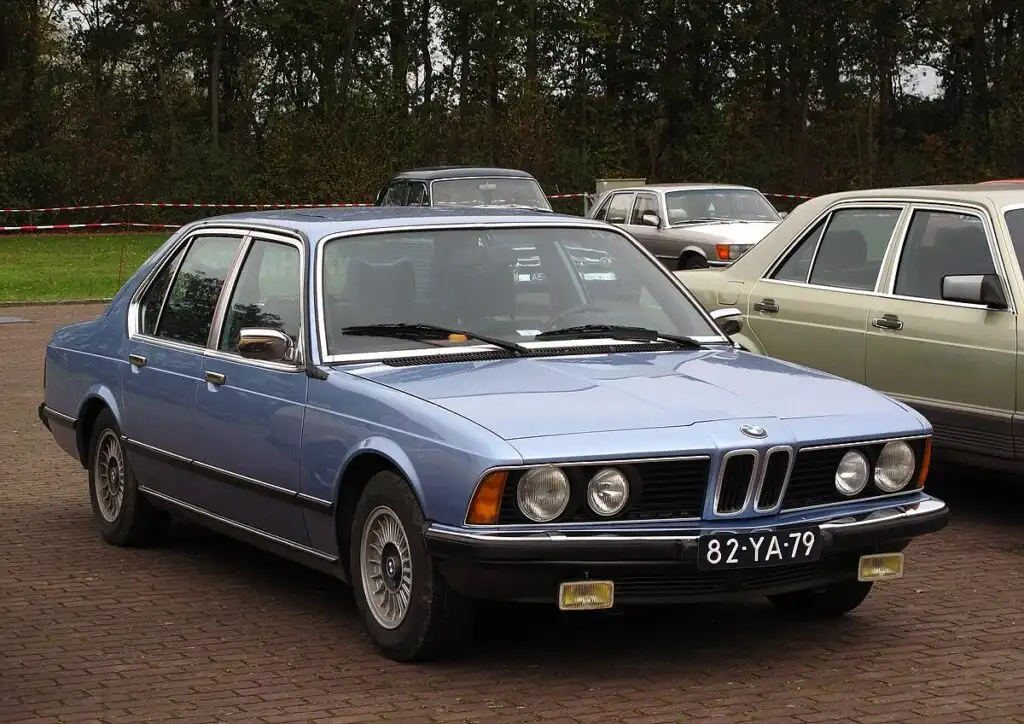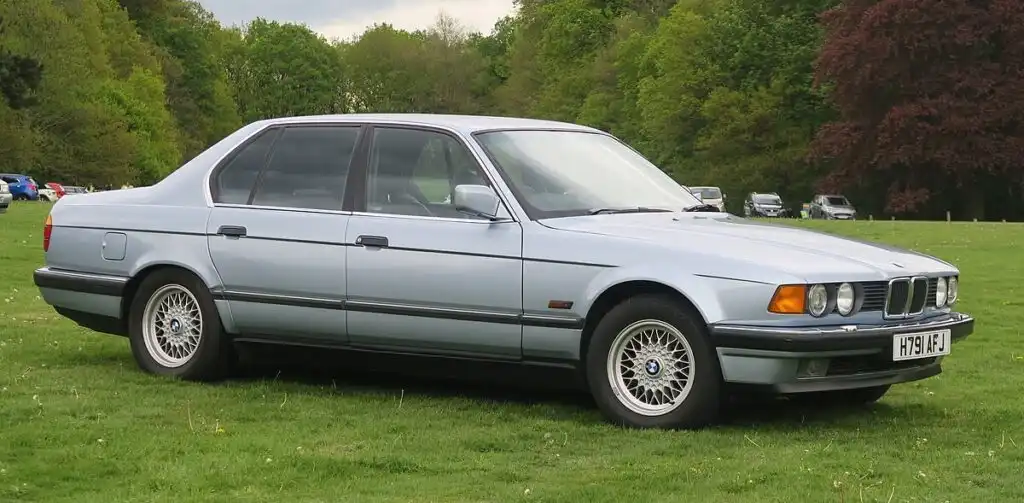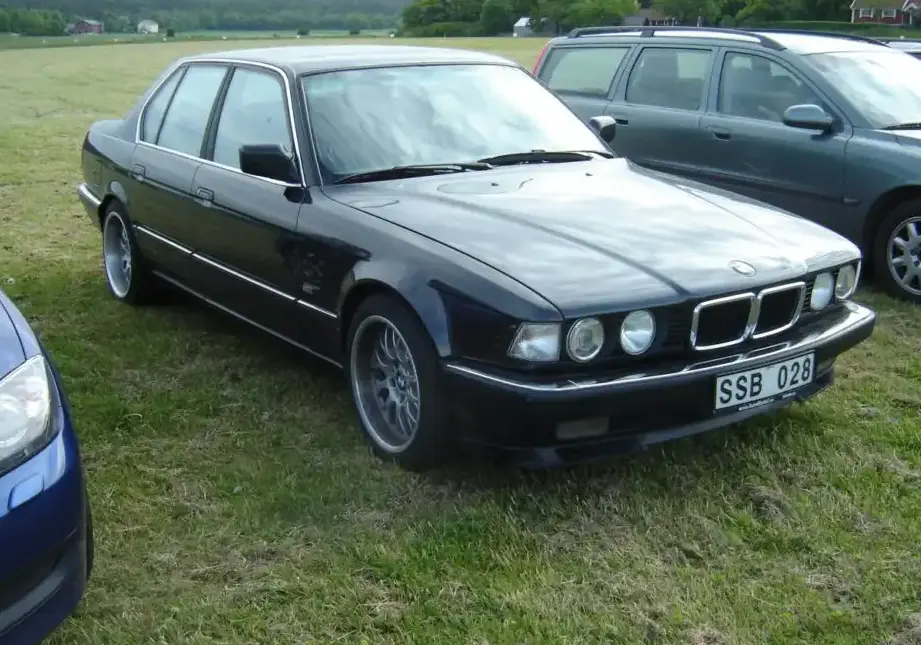
The BMW 730i V8, produced between 1992 and 1994, represents a significant iteration of the E32 7 Series. This model, introduced as part of the facelift for the E32 generation, aimed to offer a balance between the flagship 750iL’s luxury and performance and the more economical 735i. Positioned as a mid-range offering, the 730i V8 provided a compelling package for buyers seeking a sophisticated, powerful, and comfortable executive sedan. It was primarily marketed in Europe and other regions where smaller displacement engines were favored due to taxation and fuel costs, though limited numbers were imported to the United States as grey market vehicles.
Technical Specifications
| Brand | BMW |
| Model | 7 Series |
| Generation | 7 Series (E32, facelift 1992) |
| Type (Engine) | 730i V8 (218 Hp) |
| Start of production | 1992 |
| End of production | 1994 |
| Powertrain Architecture | Internal Combustion engine |
| Body type | Sedan |
| Seats | 5 |
| Doors | 4 |
| Fuel consumption (urban) | 14.9 l/100 km (15.8 US mpg / 19 UK mpg) |
| Fuel consumption (extra urban) | 8.3 l/100 km (28.3 US mpg / 34 UK mpg) |
| Fuel consumption (combined) | 11.1 l/100 km (21.2 US mpg / 25.4 UK mpg) |
| Fuel Type | Petrol (Gasoline) |
| Acceleration 0 – 100 km/h | 8.5 sec |
| Acceleration 0 – 62 mph | 8.5 sec |
| Acceleration 0 – 60 mph | 8.1 sec |
| Maximum speed | 233 km/h (144.78 mph) |
| Weight-to-power ratio | 7.8 kg/Hp |
| Weight-to-torque ratio | 5.9 kg/Nm |
| Power | 218 Hp @ 5800 rpm |
| Power per litre | 72.7 Hp/l |
| Torque | 290 Nm @ 4500 rpm (213.89 lb.-ft. @ 4500 rpm) |
| Engine layout | Front, Longitudinal |
| Engine Model/Code | M60B30 |
| Engine displacement | 2997 cm3 (182.89 cu. in.) |
| Number of cylinders | 8 |
| Engine configuration | V-engine |
| Cylinder Bore | 84 mm (3.31 in.) |
| Piston Stroke | 67.6 mm (2.66 in.) |
| Compression ratio | 10.5:1 |
| Number of valves per cylinder | 4 |
| Fuel injection system | Multi-port manifold injection |
| Engine aspiration | Naturally aspirated engine |
| Valvetrain | DOHC |
| Engine oil capacity | 7.5 l (7.93 US qt | 6.6 UK qt) |
| Coolant | 12.5 l (13.21 US qt | 11 UK qt) |
| Kerb Weight | 1700 kg (3747.86 lbs.) |
| Max. weight | 2220 kg (4894.26 lbs.) |
| Max load | 520 kg (1146.4 lbs.) |
| Trunk (boot) space – minimum | 500 l (17.66 cu. ft.) |
| Fuel tank capacity | 90 l (23.78 US gal | 19.8 UK gal) |
| Length | 4910 mm (193.31 in.) |
| Width | 1845 mm (72.64 in.) |
| Height | 1411 mm (55.55 in.) |
| Wheelbase | 2832 mm (111.5 in.) |
| Front track | 1530 mm (60.24 in.) |
| Rear (Back) track | 1558 mm (61.34 in.) |
| Drag coefficient (Cd) | 0.32 |
| Minimum turning circle | 11.6 m (38.06 ft.) |
| Drivetrain Architecture | Rear wheel drive |
| Drive wheel | Rear wheel drive |
| Number of gears and type of gearbox | 5 gears, manual transmission |
| Front suspension | Coil spring |
| Rear suspension | Coil spring |
| Front brakes | Ventilated discs |
| Rear brakes | Disc |
| Assisting systems | ABS (Anti-lock braking system) |
| Steering type | Steering rack and pinion |
| Power steering | Hydraulic Steering |
| Tires size | 225/60 R15 |
| Wheel rims size | 15 |
Powertrain & Engine Architecture
The heart of the 730i V8 is the M60B30 engine, a 2.997-liter naturally aspirated V8. This engine, part of BMW’s M60 family, features a 90-degree V-angle and utilizes aluminum alloy cylinder heads and block. It employs multi-port fuel injection and a double overhead camshaft (DOHC) valvetrain with four valves per cylinder. The M60B30 produced 218 horsepower at 5800 rpm and 290 Nm (213.89 lb-ft) of torque at 4500 rpm. The engine’s design prioritized smooth power delivery and refinement over outright performance. The 5-speed manual transmission was standard, offering precise shifts and a direct connection to the engine. While an automatic transmission was available, it was less common and often criticized for slightly diminishing the engine’s responsiveness.
Driving Characteristics
The 730i V8 offered a distinctly different driving experience compared to its siblings. While the 735i provided a sportier feel with its inline-six engine, and the 750iL focused on ultimate luxury and power, the 730i V8 struck a balance. The V8 engine delivered ample torque throughout the rev range, making it effortless for everyday driving and highway cruising. The manual transmission, when equipped, enhanced the driving experience, allowing for greater control and engagement. However, the 730i V8 wasn’t designed for aggressive driving; its focus was on providing a comfortable and refined experience. Compared to the 735i, the 730i V8 felt less eager to rev, but offered a smoother, more relaxed character.
Equipment & Trim Levels
The 730i V8 came standard with a comprehensive list of features expected of a luxury sedan in the early 1990s. This included power windows, power locks, central locking, air conditioning, and a high-quality sound system. Interior upholstery was typically cloth or leather, with wood trim accents throughout the cabin. Optional extras included a sunroof, heated seats, a premium sound system, and upgraded leather upholstery. The 730i V8’s trim level was generally considered mid-range within the E32 lineup, offering a good balance of features and price.
Chassis & Braking
The E32 7 Series featured a robust chassis with independent suspension at all four corners. The front suspension utilized coil springs and MacPherson struts, while the rear suspension employed coil springs and semi-trailing arms. The 730i V8 was equipped with ventilated disc brakes at the front and solid disc brakes at the rear. Anti-lock braking system (ABS) was standard, enhancing safety and control. The suspension tuning was geared towards comfort, providing a smooth and compliant ride. Stabilizer bars were fitted front and rear to reduce body roll during cornering.
Market Reception & Comparison
The 730i V8 was generally well-received by automotive critics. It was praised for its smooth engine, comfortable ride, and refined interior. However, some critics noted that it lacked the outright performance of the 735i and 750iL models. Fuel economy was also a concern, with the V8 engine consuming a significant amount of fuel, especially in urban driving conditions. Compared to the 735i, the 730i V8 offered a lower price point, making it more accessible to a wider range of buyers. However, the 735i’s inline-six engine was often preferred by enthusiasts for its responsiveness and sporty character.
Legacy
The M60B30 engine, while not as widely celebrated as some of BMW’s other engines, proved to be a reliable and durable powerplant. Properly maintained examples continue to operate reliably today. The E32 730i V8 has gained a following among BMW enthusiasts who appreciate its blend of luxury, comfort, and V8 power. In the used car market, these models are relatively affordable, making them an attractive option for those seeking a classic BMW sedan. However, finding well-maintained examples can be challenging, as many have suffered from neglect or have accumulated high mileage. Parts availability is generally good, but some specific components may be difficult to source.