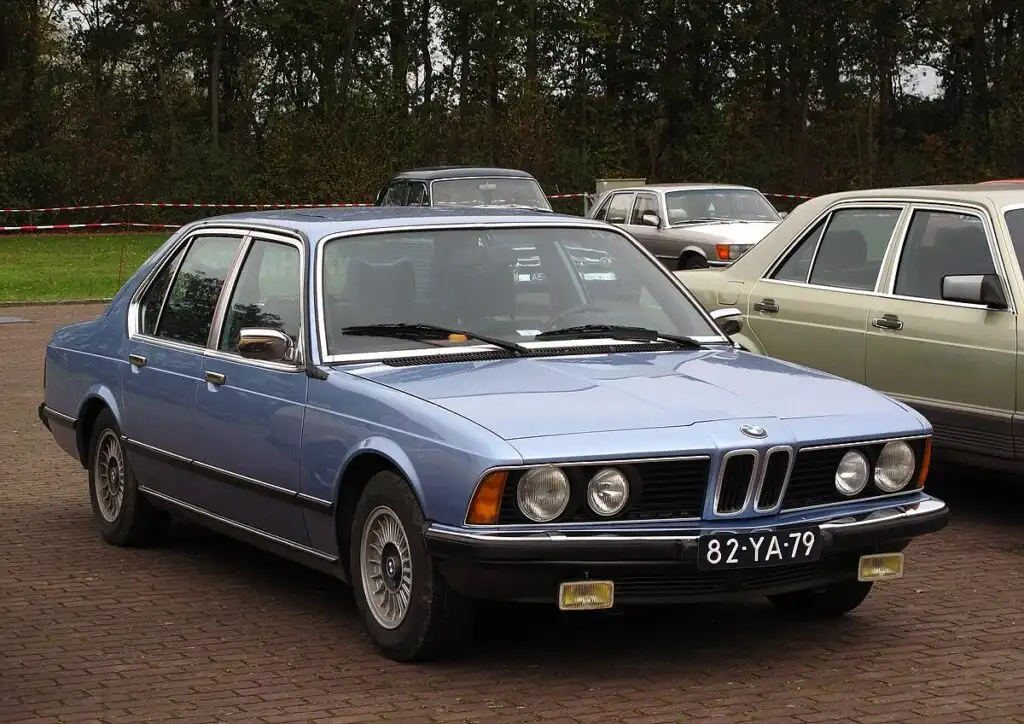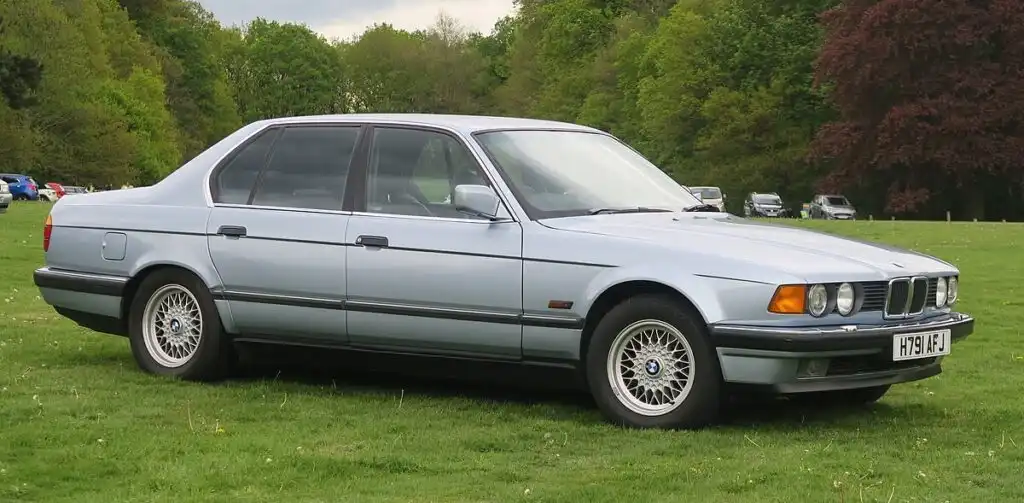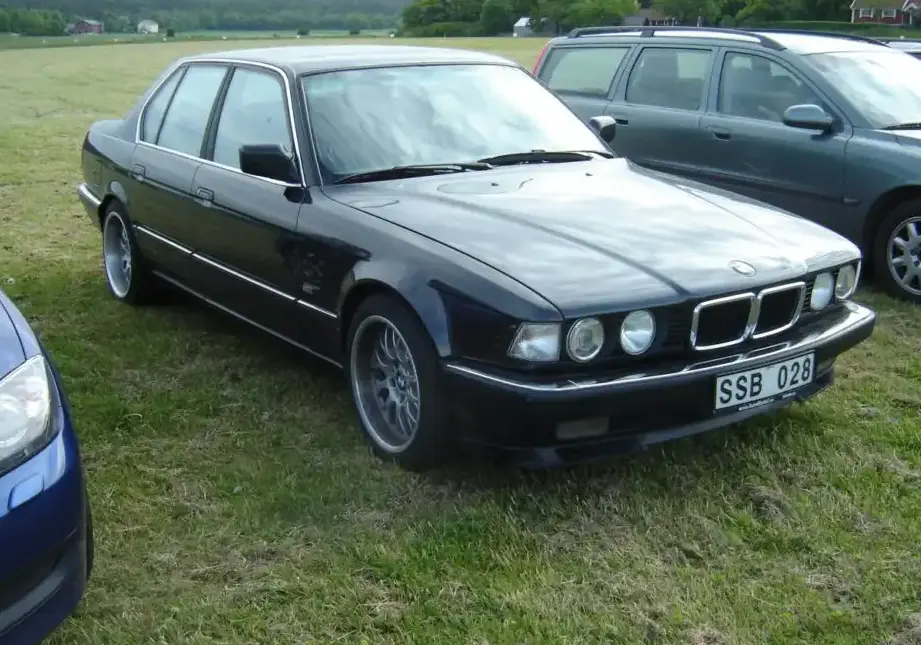
The BMW 740i, produced between 1992 and 1994, represents a significant mid-cycle refresh of the E32 7 Series. This variant, equipped with the M60B40 4.0-liter V8 engine and a five-speed automatic transmission, occupied a premium position within the E32 lineup, bridging the gap between the entry-level 730i and the flagship 750iL. The facelift brought subtle but important styling changes, along with improvements to the interior and available technology, solidifying the E32’s reputation as a technologically advanced and luxurious sedan.
Technical Specifications
| Brand | BMW |
| Model | 7 Series |
| Generation | 7 Series (E32, facelift 1992) |
| Type (Engine) | 740i (286 Hp) Automatic |
| Start of production | 1992 |
| End of production | 1994 |
| Powertrain Architecture | Internal Combustion engine |
| Body type | Sedan |
| Seats | 5 |
| Doors | 4 |
| Fuel consumption (urban) | 17.5 l/100 km (13.4 US mpg, 16.1 UK mpg, 5.7 km/l) |
| Fuel consumption (extra urban) | 8.2 l/100 km (28.7 US mpg, 34.4 UK mpg, 12.2 km/l) |
| Fuel consumption (combined) | 11.9 l/100 km (19.8 US mpg, 23.7 UK mpg, 8.4 km/l) |
| Fuel Type | Petrol (Gasoline) |
| Acceleration 0 – 100 km/h | 7.4 sec |
| Acceleration 0 – 62 mph | 7.4 sec |
| Acceleration 0 – 60 mph | 7 sec |
| Maximum speed | 240 km/h (149.13 mph) |
| Weight-to-power ratio | 6.3 kg/Hp, 159.8 Hp/tonne |
| Weight-to-torque ratio | 4.5 kg/Nm, 223.5 Nm/tonne |
| Power | 286 Hp @ 5800 rpm |
| Power per litre | 71.8 Hp/l |
| Torque | 400 Nm @ 4500 rpm (295.02 lb.-ft. @ 4500 rpm) |
| Engine layout | Front, Longitudinal |
| Engine Model/Code | M60B40 |
| Engine displacement | 3982 cm3 (243 cu. in.) |
| Number of cylinders | 8 |
| Engine configuration | V-engine |
| Cylinder Bore | 89 mm (3.5 in.) |
| Piston Stroke | 80 mm (3.15 in.) |
| Compression ratio | 10:1 |
| Number of valves per cylinder | 4 |
| Fuel injection system | Multi-port manifold injection |
| Engine aspiration | Naturally aspirated engine |
| Valvetrain | DOHC |
| Engine oil capacity | 7.5 l (7.93 US qt | 6.6 UK qt) |
| Coolant | 12.5 l (13.21 US qt | 11 UK qt) |
| Kerb Weight | 1790 kg (3946.27 lbs.) |
| Max. weight | 2310 kg (5092.68 lbs.) |
| Max load | 520 kg (1146.4 lbs.) |
| Trunk (boot) space – minimum | 500 l (17.66 cu. ft.) |
| Fuel tank capacity | 90 l (23.78 US gal | 19.8 UK gal) |
| Length | 4910 mm (193.31 in.) |
| Width | 1845 mm (72.64 in.) |
| Height | 1411 mm (55.55 in.) |
| Wheelbase | 2832 mm (111.5 in.) |
| Front track | 1530 mm (60.24 in.) |
| Rear (Back) track | 1558 mm (61.34 in.) |
| Drag coefficient (Cd) | 0.32 |
| Minimum turning circle | 11.6 m (38.06 ft.) |
| Drivetrain Architecture | Rear wheel drive |
| Drive wheel | Rear wheel drive |
| Number of gears and type of gearbox | 5 gears, automatic transmission |
| Front suspension | Coil spring |
| Rear suspension | Coil spring |
| Front brakes | Ventilated discs |
| Rear brakes | Disc |
| Assisting systems | ABS (Anti-lock braking system) |
| Steering type | Steering rack and pinion |
| Power steering | Hydraulic Steering |
| Tires size | 225/60 R15 |
| Wheel rims size | 15 |
Powertrain & Engine Architecture
The heart of the 740i is the M60B40, a 4.0-liter (3982 cc) naturally aspirated V8 engine. This engine utilizes a cast iron block with aluminum cylinder heads, featuring dual overhead camshafts (DOHC) and four valves per cylinder. The M60 featured Bosch Motronic 1.7 engine management, controlling a multi-port fuel injection system. This system delivered precise fuel metering for optimal performance and efficiency. The engine produced 286 horsepower at 5800 rpm and 400 Nm (295 lb-ft) of torque at 4500 rpm. The five-speed automatic transmission (4HP22) was specifically chosen to handle the V8’s power output. This transmission offered smooth shifts and a relatively conservative gear ratio spread, prioritizing comfort and refinement over outright acceleration.
Driving Characteristics
The 740i’s driving experience was characterized by smooth, effortless power delivery. While not as overtly sporty as the later 740i models with manual transmissions, the automatic version provided a relaxed and refined driving experience. Acceleration from 0 to 60 mph took approximately 7 seconds, and top speed was electronically limited to 149 mph. The automatic transmission, while smooth, did result in some power loss compared to the manual counterpart. The gear ratios were tuned for comfortable cruising, meaning the engine didn’t always feel as responsive in situations requiring quick bursts of acceleration. However, for everyday driving and long-distance journeys, the 740i automatic offered a compelling blend of performance and comfort.
Equipment & Trim Levels
The 740i came standard with a generous array of features, reflecting its position as a luxury vehicle. Standard equipment included leather upholstery, power-adjustable front seats with memory function, automatic climate control, a premium sound system, and power windows and locks. Optional extras included a sunroof, upgraded leather, rear climate control, and a telephone system. The interior trim was typically finished in wood veneer, adding to the sense of luxury. The 740i’s dashboard layout was typical of BMW at the time, with a driver-focused design and intuitive controls.
Chassis & Braking
The E32 7 Series featured a robust chassis with independent suspension at all four corners. The front suspension utilized coil springs and MacPherson struts, while the rear suspension employed coil springs and semi-trailing arms. The 740i was equipped with ventilated disc brakes at the front and solid disc brakes at the rear. An Anti-lock Braking System (ABS) was standard, enhancing safety and stability during braking. The steering was a rack-and-pinion system with hydraulic power assistance, providing precise and responsive steering feel. The 740i’s suspension was tuned for comfort, providing a smooth and controlled ride, even on uneven surfaces.
Market Reception & Comparison
The 740i was generally well-received by automotive critics. It was praised for its powerful engine, luxurious interior, and refined driving experience. However, some critics noted that the automatic transmission dulled the engine’s performance somewhat. Compared to the 730i, the 740i offered a significant performance upgrade, while remaining more affordable than the range-topping 750iL. Fuel economy, at around 19.8 US mpg combined, was typical for a V8-powered luxury sedan of the era. Reliability was generally good, although the complex engine management system and numerous electronic features could require occasional attention.
Legacy
The E32 740i remains a sought-after classic among BMW enthusiasts. The M60B40 engine is known for its durability and smooth power delivery, although regular maintenance is essential to keep it running reliably. The automatic transmission, while not as engaging as a manual, is generally considered to be robust. Today, well-maintained examples of the 740i command respectable prices in the used car market. The E32 7 Series, and the 740i in particular, represents a high point in BMW’s engineering and design, and continues to be appreciated for its blend of luxury, performance, and technological innovation.