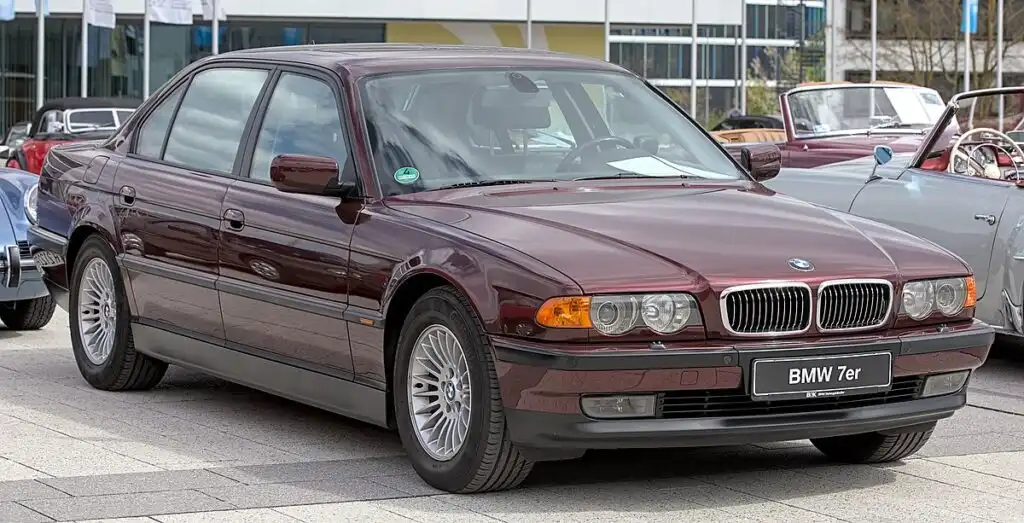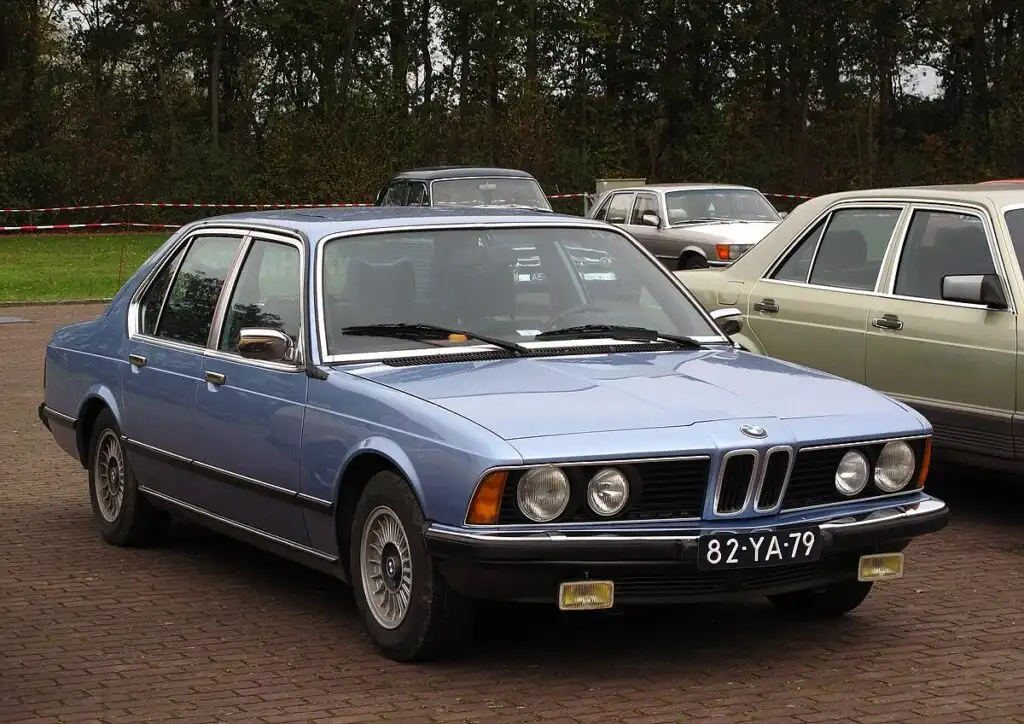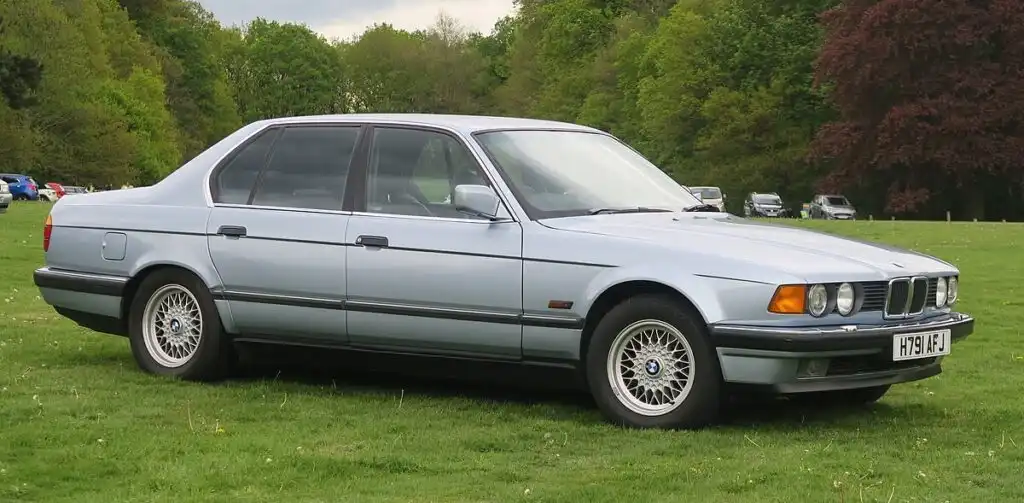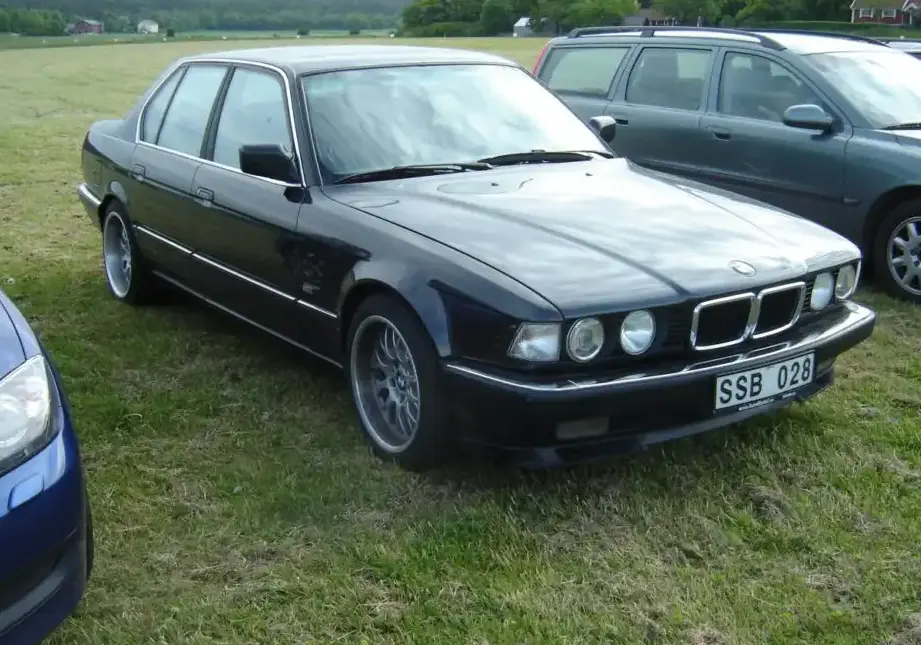
The BMW 750i, produced between 1992 and 1994, represents the pinnacle of the E32 7 Series facelift. This variant, equipped with the potent M70B50 5.0-liter V12 engine and a four-speed automatic transmission, was positioned as the flagship model, offering a blend of luxury, performance, and advanced technology for its time. It served as a direct competitor to the Mercedes-Benz S-Class and aimed to solidify BMW’s reputation for building driver-focused luxury sedans. The E32 generation, launched in 1987, was a significant departure from its predecessor, the E28, introducing a more modern design, increased size, and a wider range of technological features.
Technical Specifications
| Brand | BMW |
| Model | 7 Series |
| Generation | 7 Series (E32, facelift 1992) |
| Type (Engine) | 750i (300 Hp) Automatic |
| Start of production | 1992 |
| End of production | 1994 |
| Powertrain Architecture | Internal Combustion engine |
| Body type | Sedan |
| Seats | 5 |
| Doors | 4 |
| Fuel consumption (urban) | 19.8 l/100 km (11.9 US mpg, 14.3 UK mpg, 5.1 km/l) |
| Fuel consumption (extra urban) | 8.9 l/100 km (26.4 US mpg, 31.7 UK mpg, 11.2 km/l) |
| Fuel consumption (combined) | 13.2 l/100 km (17.8 US mpg, 21.4 UK mpg, 7.6 km/l) |
| Fuel Type | Petrol (Gasoline) |
| Acceleration 0 – 100 km/h | 7.4 sec |
| Acceleration 0 – 62 mph | 7.4 sec |
| Acceleration 0 – 60 mph | 7 sec |
| Maximum speed | 250 km/h (155.34 mph) |
| Weight-to-power ratio | 6 kg/Hp, 166.7 Hp/tonne |
| Weight-to-torque ratio | 4 kg/Nm, 250 Nm/tonne |
| Power | 300 Hp @ 5200 rpm |
| Power per litre | 60.1 Hp/l |
| Torque | 450 Nm @ 4100 rpm (331.9 lb.-ft. @ 4100 rpm) |
| Engine layout | Front, Longitudinal |
| Engine Model/Code | M70B50 |
| Engine displacement | 4988 cm3 (304.39 cu. in.) |
| Number of cylinders | 12 |
| Engine configuration | V-engine |
| Cylinder Bore | 84 mm (3.31 in.) |
| Piston Stroke | 75 mm (2.95 in.) |
| Compression ratio | 8.8:1 |
| Number of valves per cylinder | 4 |
| Fuel injection system | Multi-port manifold injection |
| Engine aspiration | Naturally aspirated engine |
| Valvetrain | DOHC |
| Engine oil capacity | 7.5 l (7.93 US qt | 6.6 UK qt) |
| Coolant | 13 l (13.74 US qt | 11.44 UK qt) |
| Kerb Weight | 1800 kg (3968.32 lbs.) |
| Max. weight | 2320 kg (5114.72 lbs.) |
| Max load | 520 kg (1146.4 lbs.) |
| Trunk (boot) space – minimum | 500 l (17.66 cu. ft.) |
| Fuel tank capacity | 102 l (26.95 US gal | 22.44 UK gal) |
| Length | 4910 mm (193.31 in.) |
| Width | 1845 mm (72.64 in.) |
| Height | 1400 mm (55.12 in.) |
| Wheelbase | 2832 mm (111.5 in.) |
| Front track | 1528 mm (60.16 in.) |
| Rear (Back) track | 1556 mm (61.26 in.) |
| Drag coefficient (Cd) | 0.34 |
| Minimum turning circle | 11.6 m (38.06 ft.) |
| Drivetrain Architecture | Rear wheel drive |
| Drive wheel | Rear wheel drive |
| Number of gears and type of gearbox | 4 gears, automatic transmission |
| Front suspension | Coil spring |
| Rear suspension | Coil spring |
| Front brakes | Ventilated discs |
| Rear brakes | Disc |
| Assisting systems | ABS (Anti-lock braking system) |
| Steering type | Steering rack and pinion |
| Power steering | Hydraulic Steering |
| Tires size | 225/60 ZR 15 |
| Wheel rims size | 15 |
Powertrain & Engine Architecture
The heart of the 750i is the M70B50, a 5.0-liter (4988 cc) V12 engine. This engine, a naturally aspirated masterpiece, features a 60-degree V-angle and utilizes a cast iron block with aluminum cylinder heads. It employs multi-port fuel injection and a double overhead camshaft (DOHC) valvetrain with four valves per cylinder. The M70 engine was known for its smooth power delivery and refined character, a hallmark of BMW’s V12 tradition. The 8.8:1 compression ratio contributed to its robust performance. Paired with the M70 was a four-speed automatic transmission, specifically the 4HP22. This transmission, while not offering the latest in gear ratios, was known for its durability and smooth shifting characteristics. It was designed to handle the substantial torque output of the V12 engine.
Driving Characteristics
The 750i offered a distinctly different driving experience compared to the six-cylinder 735i or 740i models. The V12 provided effortless acceleration, reaching 60 mph in approximately 7 seconds and a governed top speed of 155 mph. The automatic transmission, while smooth, wasn’t particularly sporty. Gear changes were deliberate, prioritizing comfort over aggressive downshifts. The torque curve was broad and flat, providing ample power for overtaking maneuvers. However, the added weight of the V12 engine and automatic transmission did impact handling slightly, making the 750i feel less nimble than its six-cylinder counterparts.
Equipment & Trim Levels
The 750i came standard with a comprehensive list of luxury features, including leather upholstery, power-adjustable front seats with memory function, automatic climate control, a premium sound system, and a sunroof. Optional extras included rear climate control, a telephone system, and upgraded leather options. The interior trim was typically finished in wood veneer, adding to the car’s opulent ambiance. The 750i also featured BMW’s Check Control system, which monitored various vehicle functions and alerted the driver to any issues.
Chassis & Braking
The E32 7 Series utilized a robust chassis with independent suspension all around. The front suspension employed coil springs and MacPherson struts, while the rear featured coil springs and semi-trailing arms. The 750i benefited from slightly stiffer springs and dampers compared to the lower-spec models to manage the increased weight. Braking duties were handled by ventilated disc brakes at all four corners, supplemented by an Anti-lock Braking System (ABS) as standard equipment. The braking system provided ample stopping power, although the weight of the vehicle required a firm pedal input.
Market Reception & Comparison
The 750i was generally well-received by automotive critics, who praised its powerful engine, luxurious interior, and refined ride quality. However, its high price tag and relatively poor fuel economy (around 18 mpg combined) limited its appeal to a niche market. Compared to the 740i, the 750i offered significantly more performance but came at a substantial price premium. The 740i, with its inline-six engine, was often considered a more sensible choice for buyers prioritizing fuel efficiency and value.
Legacy
The M70B50 engine, while superseded by the more efficient M73, remains a highly regarded powerplant among BMW enthusiasts. The E32 750i is now a sought-after classic car, appreciated for its combination of luxury, performance, and technological innovation. Reliability can be a concern with older examples, as the complex V12 engine and associated systems require diligent maintenance. However, well-maintained 750i models continue to provide a unique and rewarding driving experience, representing a high point in BMW’s engineering history. Parts availability, while not as plentiful as for more common models, is generally adequate through specialist suppliers.