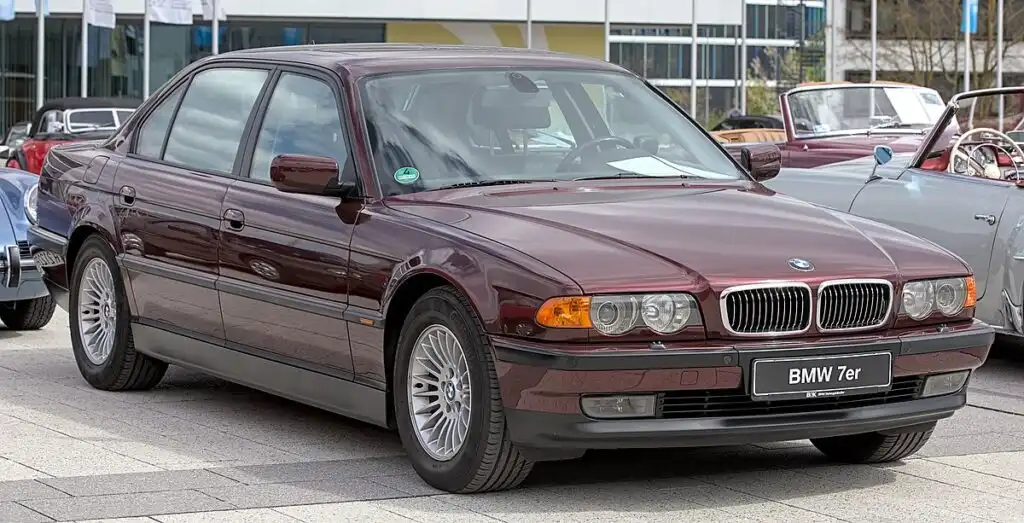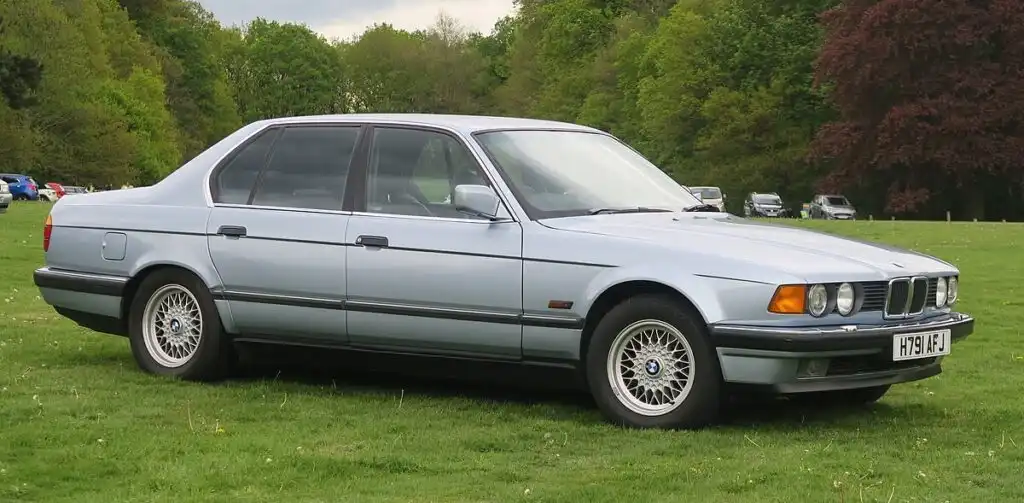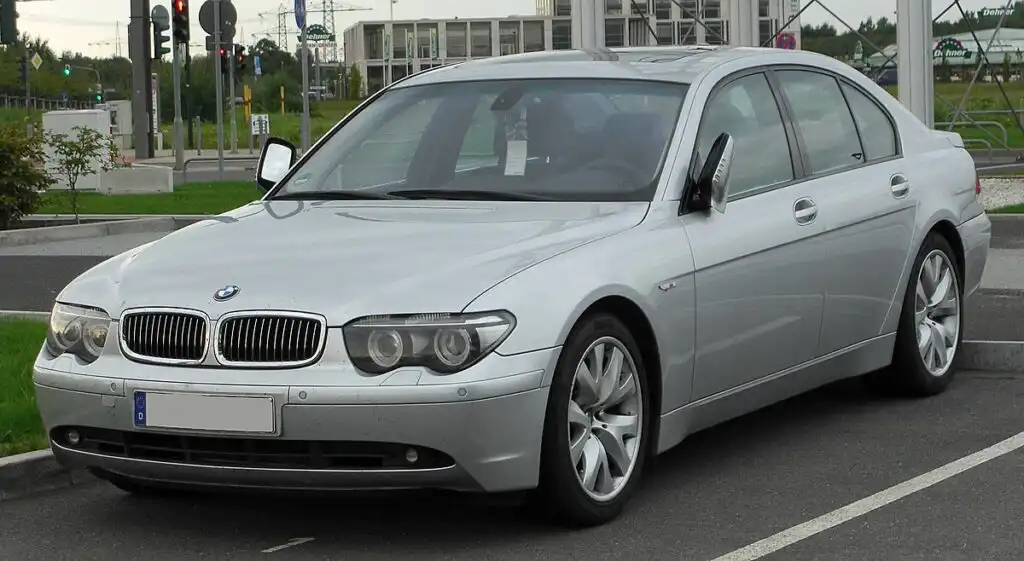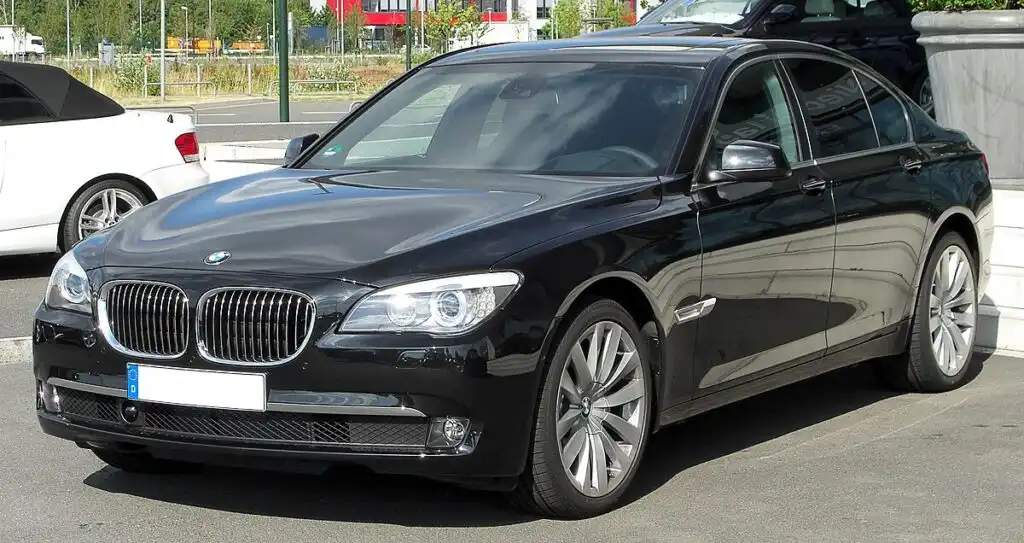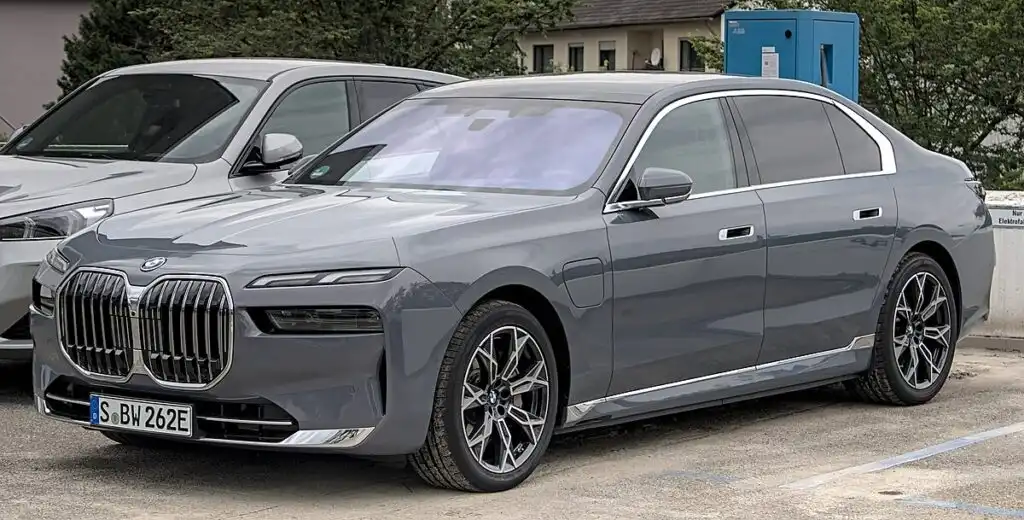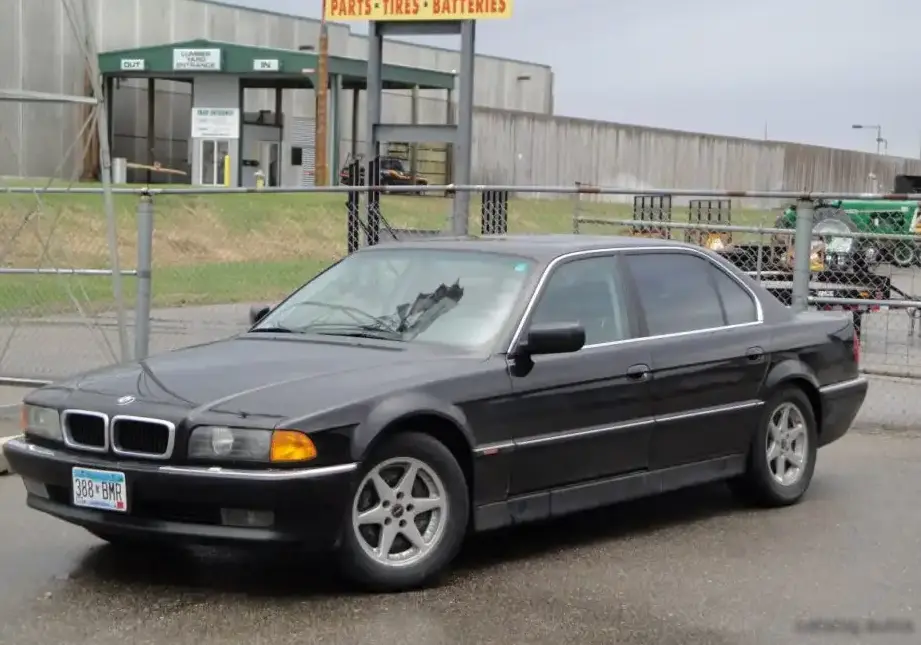
The BMW 735i (E38) represented a significant entry point into the flagship 7 Series range during its 1996-1998 production run. Part of the second generation (E38) of the 7 Series, launched in 1994, the 735i offered a blend of luxury, performance, and technology that defined BMW’s position in the full-size luxury sedan segment. While the 750iL with its V12 engine garnered much of the attention, the 735i provided a more accessible, yet still highly capable, alternative for buyers prioritizing a balance of features and driving dynamics. It served as the foundational engine option for the E38 in many markets, offering a compelling package for those seeking a premium experience without the top-tier price tag.
Technical Specifications
| Brand | BMW |
| Model | 7 Series |
| Generation | 7 Series (E38) |
| Type (Engine) | 735i (235 Hp) |
| Start of production | 1996 |
| End of production | 1998 |
| Powertrain Architecture | Internal Combustion engine |
| Body type | Sedan |
| Seats | 5 |
| Doors | 4 |
| Fuel consumption (urban) | 18 l/100 km (13.1 US mpg, 15.7 UK mpg, 5.6 km/l) |
| Fuel consumption (extra urban) | 8.9 l/100 km (26.4 US mpg, 31.7 UK mpg, 11.2 km/l) |
| Fuel consumption (combined) | 12.3 l/100 km (19.1 US mpg, 23 UK mpg, 8.1 km/l) |
| Fuel Type | Petrol (Gasoline) |
| Acceleration 0 – 100 km/h | 7.6 sec |
| Acceleration 0 – 62 mph | 7.6 sec |
| Acceleration 0 – 60 mph | 7.2 sec |
| Maximum speed | 244 km/h (151.61 mph) |
| Weight-to-power ratio | 7.4 kg/Hp, 134.7 Hp/tonne |
| Weight-to-torque ratio | 5.5 kg/Nm, 183.4 Nm/tonne |
| Power | 235 Hp @ 5700 rpm |
| Power per litre | 67.2 Hp/l |
| Torque | 320 Nm @ 3300 rpm (236.02 lb.-ft. @ 3300 rpm) |
| Engine layout | Front, Longitudinal |
| Engine Model/Code | M62B35 |
| Engine displacement | 3498 cm3 (213.46 cu. in.) |
| Number of cylinders | 8 |
| Engine configuration | V-engine |
| Cylinder Bore | 84 mm (3.31 in.) |
| Piston Stroke | 78.9 mm (3.11 in.) |
| Compression ratio | 10:1 |
| Number of valves per cylinder | 4 |
| Fuel injection system | Multi-port manifold injection |
| Engine aspiration | Naturally aspirated engine |
| Valvetrain | DOHC |
| Engine oil capacity | 7.5 l (7.93 US qt | 6.6 UK qt) |
| Coolant | 12.5 l (13.21 US qt | 11 UK qt) |
| Kerb Weight | 1745 kg (3847.07 lbs.) |
| Max. weight | 2280 kg (5026.54 lbs.) |
| Max load | 535 kg (1179.47 lbs.) |
| Trunk (boot) space – minimum | 500 l (17.66 cu. ft.) |
| Fuel tank capacity | 85 l (22.45 US gal | 18.7 UK gal) |
| Length | 4984 mm (196.22 in.) |
| Width | 1862 mm (73.31 in.) |
| Height | 1435 mm (56.5 in.) |
| Wheelbase | 2930 mm (115.35 in.) |
| Front track | 1552 mm (61.1 in.) |
| Rear (Back) track | 1568 mm (61.73 in.) |
| Drag coefficient (Cd) | 0.30 |
| Minimum turning circle | 11.6 m (38.06 ft.) |
| Drivetrain Architecture | Rear wheel drive |
| Drive wheel | Rear wheel drive |
| Number of gears | 5 |
| Type of gearbox | Manual transmission |
| Front suspension | Wishbone |
| Rear suspension | Inclined Lever |
| Front brakes | Ventilated discs |
| Rear brakes | Disc |
| Assisting systems | ABS (Anti-lock braking system) |
| Steering type | Steering rack and pinion |
| Power steering | Hydraulic Steering |
| Tires size | 235/60 R16 |
| Wheel rims size | 16 |
Powertrain & Engine Architecture
The heart of the 735i was the M62B35 engine, a 3.5-liter naturally aspirated V8. This engine represented a departure from the previous M30 inline-six engines used in the 7 Series, offering increased refinement and power. The M62 featured all-aluminum construction, a significant weight saving measure, and utilized BMW’s Double-VANOS variable valve timing system on both intake and exhaust camshafts. This system optimized engine breathing across the rev range, contributing to both performance and fuel efficiency. Fuel delivery was handled by a multi-port fuel injection system. The engine produced 235 horsepower at 5700 rpm and 320 Nm (236 lb-ft) of torque at 3300 rpm. The 735i was typically paired with a 5-speed manual transmission, although an optional 5-speed automatic transmission was also available. The automatic, while offering convenience, did slightly impact acceleration times compared to the manual.
Driving Characteristics
The 735i offered a comfortable and refined driving experience. While not as overtly sporty as some of its rivals, it provided ample power for effortless cruising and confident overtaking. The V8 engine delivered smooth, linear power delivery, making it easy to modulate throttle response. The 0-60 mph time of around 7.2 seconds (with the manual transmission) was respectable for the era. The automatic transmission, while smooth, could feel somewhat hesitant at times, particularly during quick downshifts. The suspension, tuned for comfort, absorbed bumps and imperfections in the road well, providing a composed ride. Steering was precise and well-weighted, offering good feedback to the driver.
Equipment & Trim Levels
The 735i came standard with a generous array of features, befitting its luxury status. These included leather upholstery, power-adjustable front seats with memory function, automatic climate control, a premium sound system, and a sunroof. Optional extras included rear seat entertainment, upgraded leather trim, and a navigation system. The interior design was characterized by its understated elegance and high-quality materials. The dashboard layout was clean and functional, with intuitive controls.
Chassis & Braking
The E38 7 Series featured a robust chassis with independent suspension all around. The front suspension utilized a double wishbone design, while the rear employed an inclined lever setup. This configuration provided a good balance of ride comfort and handling. Braking duties were handled by ventilated disc brakes at all four corners, with ABS standard. The braking system provided ample stopping power and good pedal feel.
Market Reception & Comparison
The 735i was generally well-received by automotive critics. It was praised for its comfortable ride, refined engine, and luxurious interior. However, some critics noted that it lacked the outright performance of the 750iL. Compared to the 750iL, the 735i offered a more affordable entry point into the E38 range, but with a noticeable trade-off in terms of power and prestige. It also differed from the later 740i models, which featured a larger 4.4-liter V8 engine with increased output. The 735i’s fuel economy was considered reasonable for a large luxury sedan, but it was still significantly lower than that of smaller, more fuel-efficient vehicles.
Legacy
The BMW E38 735i has developed a reputation for reliability, particularly the M62B35 engine. While maintenance costs can be higher than those of more mainstream vehicles, the engine is generally considered durable and capable of high mileage with proper care. Today, the E38 735i is a sought-after classic among BMW enthusiasts, appreciated for its blend of luxury, performance, and timeless design. Well-maintained examples command respectable prices in the used car market, and the car continues to provide a comfortable and rewarding driving experience.