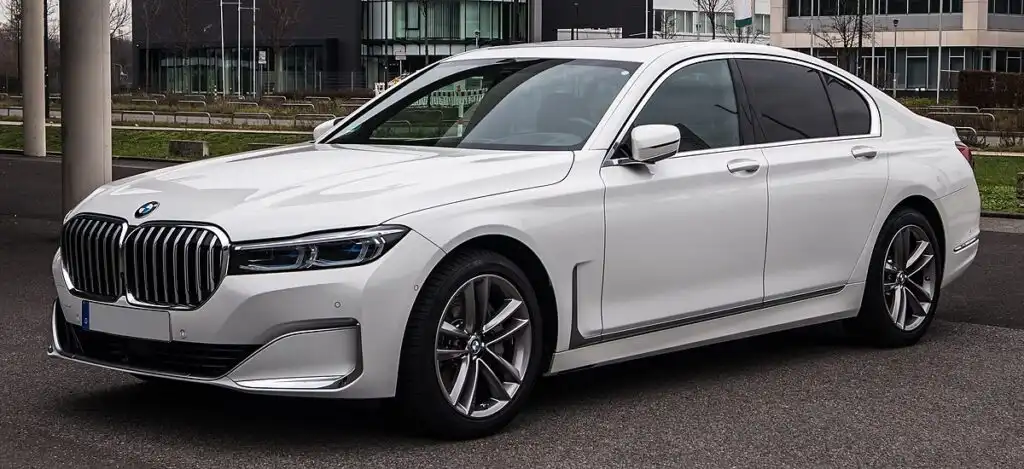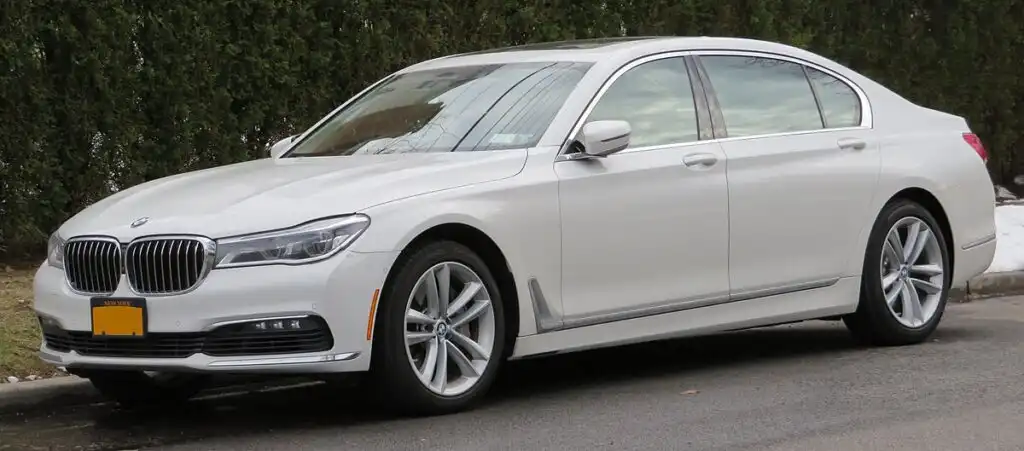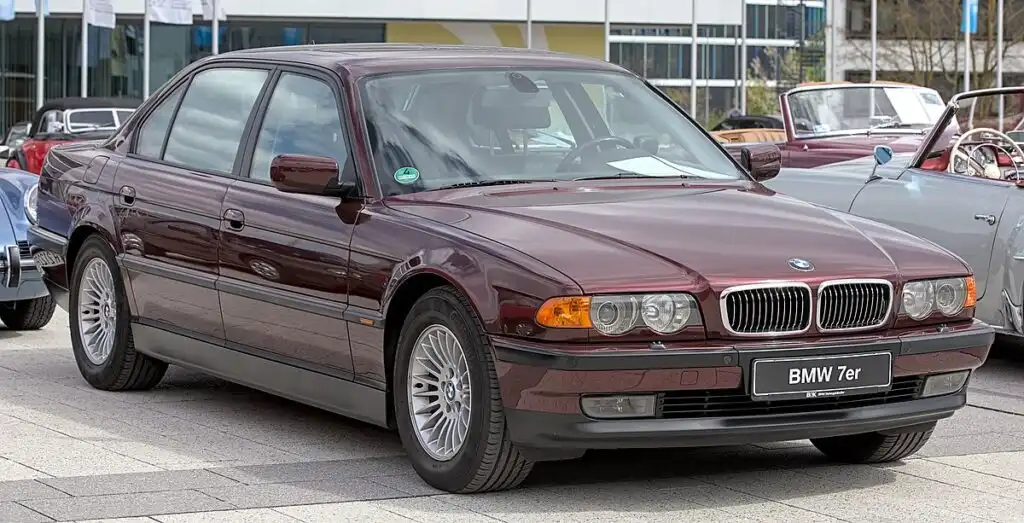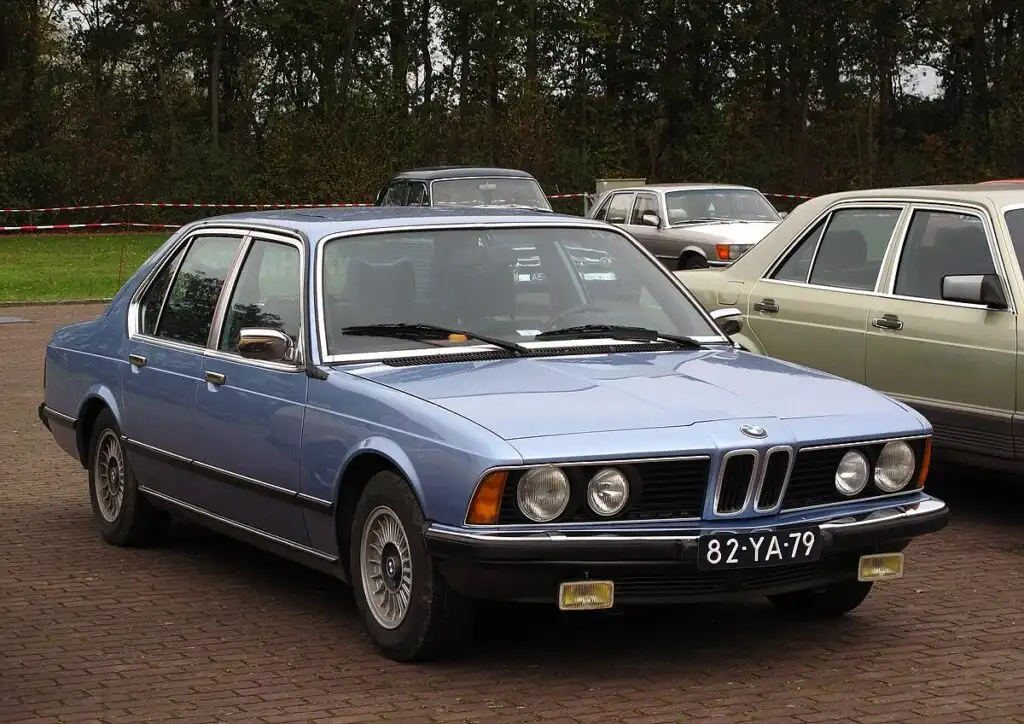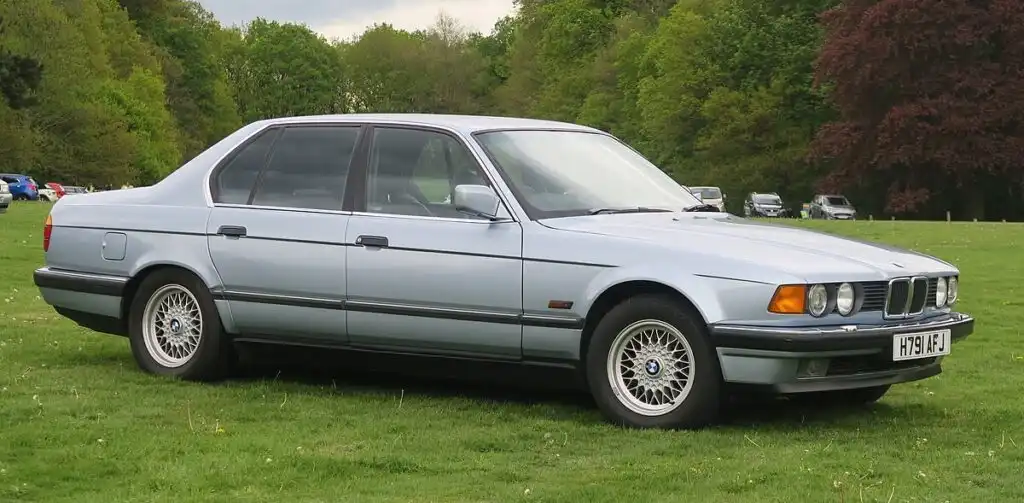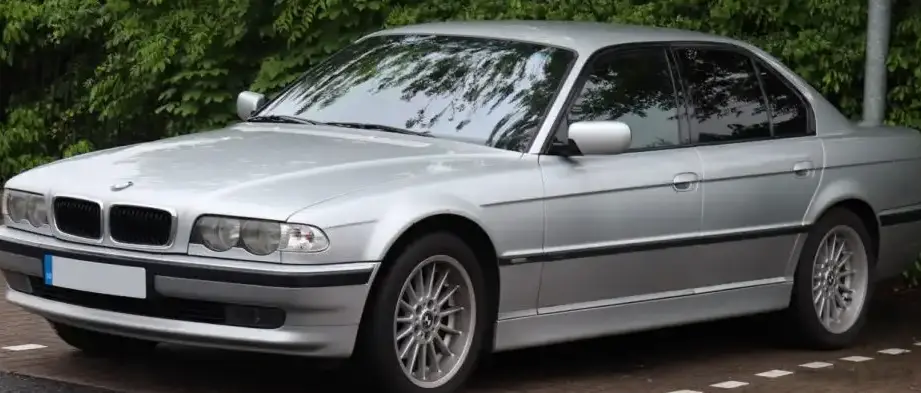
The BMW 730d Steptronic, produced from 2000 to 2001, was a variant of the E38 7 Series, representing BMW’s foray into diesel power for its flagship sedan. Introduced during the facelift of the E38 generation (1998-2001), the 730d aimed to offer a more fuel-efficient alternative to the gasoline-powered models, particularly appealing to European markets where diesel engines were increasingly popular. This model occupied a mid-range position within the 7 Series lineup, offering a balance between performance, luxury, and economy. It was positioned below the more powerful 740d and 750iL models, and above any base-level gasoline offerings.
Technical Specifications
| Brand | BMW |
| Model | 7 Series |
| Generation | 7 Series (E38, facelift 1998) |
| Type (Engine) | 730d (193 Hp) Steptronic |
| Start of production | 2000 year |
| End of production | 2001 year |
| Powertrain Architecture | Internal Combustion engine |
| Body type | Sedan |
| Seats | 5 |
| Doors | 4 |
| Fuel consumption (economy) – urban | 12.1 l/100 km (19.4 US mpg, 23.3 UK mpg, 8.3 km/l) |
| Fuel consumption (economy) – extra urban | 6.8 l/100 km (34.6 US mpg, 41.5 UK mpg, 14.7 km/l) |
| Fuel Type | Diesel |
| Acceleration 0 – 100 km/h | 8.9 sec |
| Acceleration 0 – 62 mph | 8.9 sec |
| Acceleration 0 – 60 mph | 8.5 sec |
| Maximum speed | 220 km/h (136.7 mph) |
| Weight-to-power ratio | 9.5 kg/Hp, 105.5 Hp/tonne |
| Weight-to-torque ratio | 4.3 kg/Nm, 235 Nm/tonne |
| Power | 193 Hp @ 4000 rpm |
| Power per litre | 66 Hp/l |
| Torque | 430 Nm @ 2000 rpm (317.15 lb.-ft. @ 2000 rpm) |
| Engine layout | Front, Longitudinal |
| Engine Model/Code | M57D30 |
| Engine displacement | 2926 cm3 (178.56 cu. in.) |
| Number of cylinders | 6 |
| Engine configuration | Inline |
| Compression ratio | 18:1 |
| Number of valves per cylinder | 4 |
| Fuel injection system | Diesel Commonrail |
| Engine aspiration | Turbocharger, Intercooler |
| Engine oil capacity | 7 l (7.4 US qt | 6.16 UK qt) |
| Coolant | 9.2 l (9.72 US qt | 8.09 UK qt) |
| Kerb Weight | 1830 kg (4034.46 lbs.) |
| Max. weight | 2365 kg (5213.93 lbs.) |
| Max load | 535 kg (1179.47 lbs.) |
| Trunk (boot) space – minimum | 500 l (17.66 cu. ft.) |
| Fuel tank capacity | 85 l (22.45 US gal | 18.7 UK gal) |
| Length | 4984 mm (196.22 in.) |
| Width | 1862 mm (73.31 in.) |
| Height | 1435 mm (56.5 in.) |
| Wheelbase | 2930 mm (115.35 in.) |
| Front track | 1552 mm (61.1 in.) |
| Rear (Back) track | 1568 mm (61.73 in.) |
| Drivetrain Architecture | The Internal combustion engine (ICE) drives the rear wheels of the vehicle. |
| Drive wheel | Rear wheel drive |
| Number of gears and type of gearbox | 5 gears, automatic transmission Steptronic |
| Front suspension | Coil spring |
| Rear suspension | Coil spring |
| Front brakes | Disc |
| Rear brakes | Disc |
| Assisting systems | ABS (Anti-lock braking system), Hydraulic Steering |
| Tires size | 215/65 R16 |
| Wheel rims size | 16 |
Powertrain & Engine Architecture
The heart of the 730d was the M57D30, a 2.9-liter inline-six cylinder diesel engine. This engine was a significant step forward for BMW, utilizing common rail direct injection technology to deliver improved fuel efficiency and reduced emissions compared to earlier diesel offerings. The M57D30 featured a single turbocharger with an intercooler, boosting power output to 193 horsepower and 430 Nm (317 lb-ft) of torque. The engine’s robust construction and advanced fuel injection system contributed to its durability and relatively smooth operation for a diesel engine of that era. The “Steptronic” transmission was BMW’s name for its 5-speed automatic gearbox. This transmission was designed to provide smooth and responsive gear changes, complementing the diesel engine’s torque characteristics. It offered both fully automatic operation and a manual shift mode for greater driver control.
Driving Characteristics
The 730d Steptronic offered a distinctly different driving experience compared to its gasoline-powered siblings. While it didn’t possess the outright acceleration of the 740i or 750iL, the 730d excelled in providing effortless cruising and strong mid-range torque. The automatic transmission was well-matched to the engine, providing smooth shifts and allowing the driver to exploit the engine’s torque band. Acceleration from 0 to 60 mph took approximately 8.5 seconds, and top speed was limited to 136.7 mph. The 730d felt less eager to rev than the gasoline engines, but its abundant torque made it a capable performer in everyday driving situations. The weight distribution, typical of BMW sedans, contributed to balanced handling, although the added weight of the diesel engine and automatic transmission was noticeable compared to lighter models.
Equipment & Trim Levels
The 730d Steptronic came standard with a comprehensive array of luxury features, befitting BMW’s flagship model. Standard equipment included leather upholstery, power-adjustable front seats with memory function, automatic climate control, a premium sound system, and a sunroof. Optional extras included features like active suspension, upgraded leather trim, rear seat entertainment, and a navigation system. The interior design was characterized by BMW’s understated elegance, with high-quality materials and a focus on driver ergonomics. The dashboard layout was typical of the E38 generation, featuring a clear and concise instrument cluster and logically arranged controls.
Chassis & Braking
The 730d shared its chassis and suspension components with other E38 7 Series models. It featured a fully independent suspension system with coil springs and shock absorbers. The front suspension utilized MacPherson struts, while the rear suspension employed a multi-link design. This setup provided a comfortable ride and good handling characteristics. Braking duties were handled by disc brakes on all four wheels, equipped with ABS (Anti-lock Braking System). The braking system provided ample stopping power, although the added weight of the 730d required slightly more stopping distance compared to lighter models. Power steering was standard, offering precise and responsive steering feel.
Market Reception & Comparison
The 730d was generally well-received by automotive critics, particularly in Europe. It was praised for its fuel efficiency, smooth ride, and refined diesel engine. However, some critics noted that the 730d lacked the outright performance of its gasoline-powered counterparts. Compared to the 740i, the 730d offered significantly better fuel economy but less horsepower and acceleration. Against the 750iL, the performance difference was even more pronounced. The 730d appealed to buyers who prioritized fuel efficiency and long-distance comfort over outright performance. It offered a compelling alternative to the gasoline models, particularly for those who frequently drove long distances.
Legacy
The M57D30 engine proved to be remarkably durable and reliable, and many 730d models have accumulated high mileage without major mechanical issues. The 730d Steptronic has become a sought-after classic among BMW enthusiasts, particularly those who appreciate the unique combination of luxury, fuel efficiency, and diesel power. On the used car market, well-maintained examples of the 730d command reasonable prices, reflecting their enduring appeal and reputation for reliability. While modern diesel technology has advanced significantly, the 730d remains a testament to BMW’s early efforts in bringing diesel power to its flagship sedan.