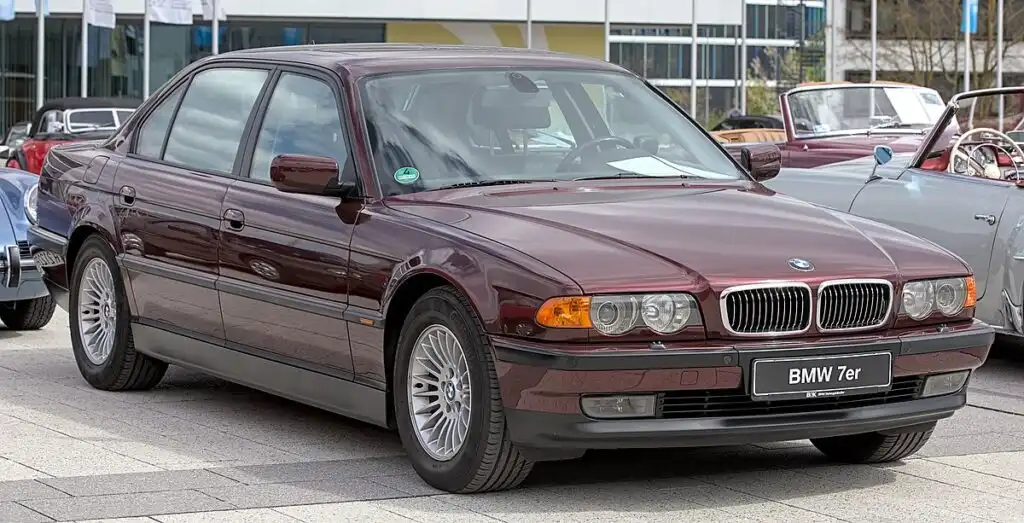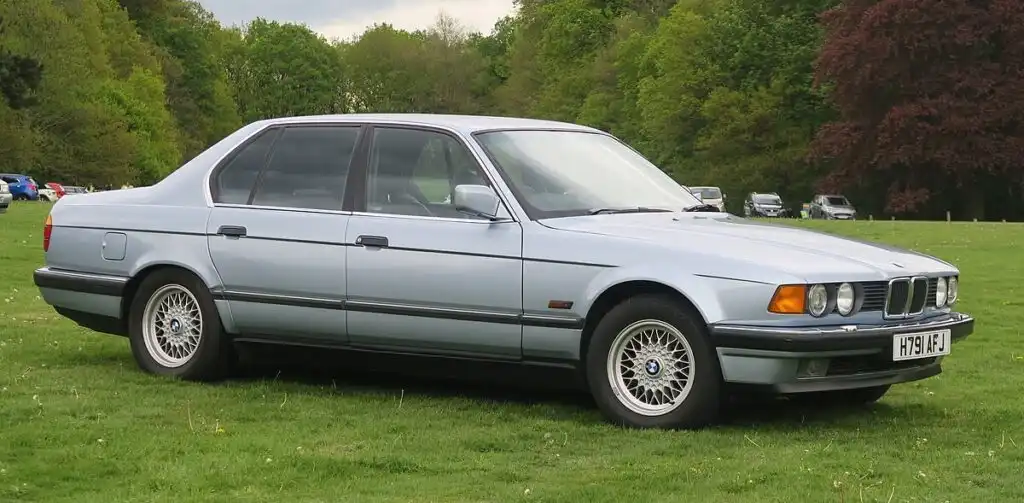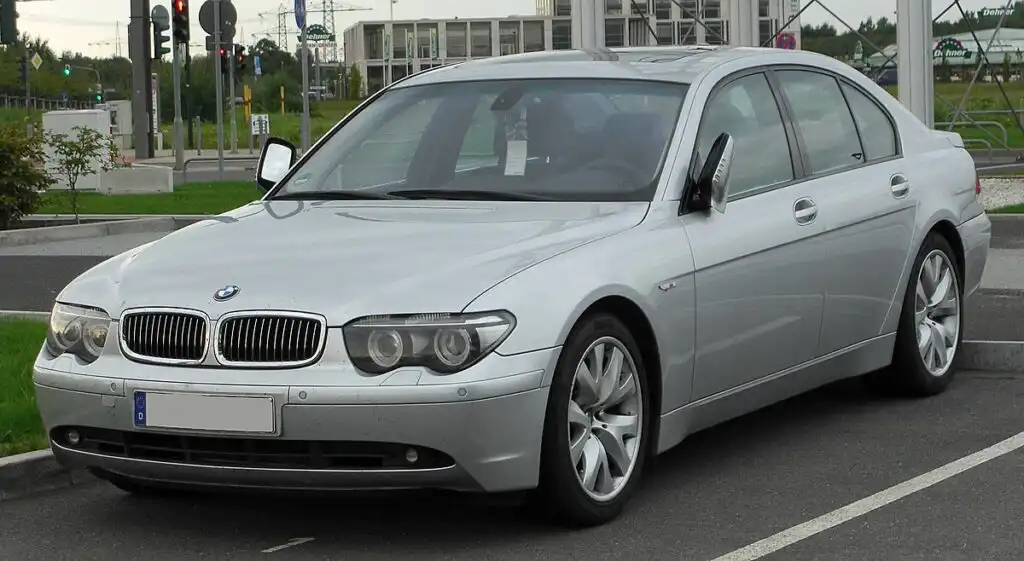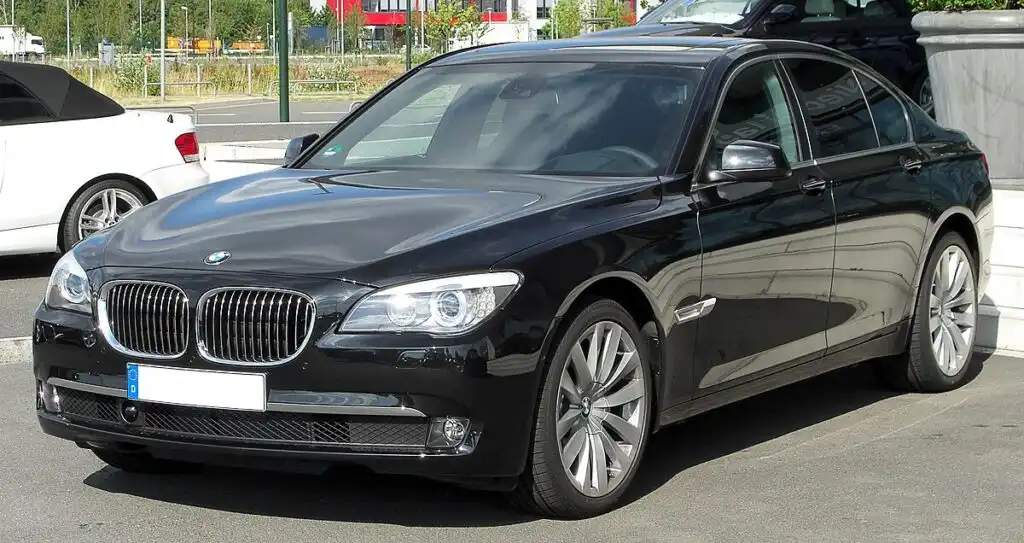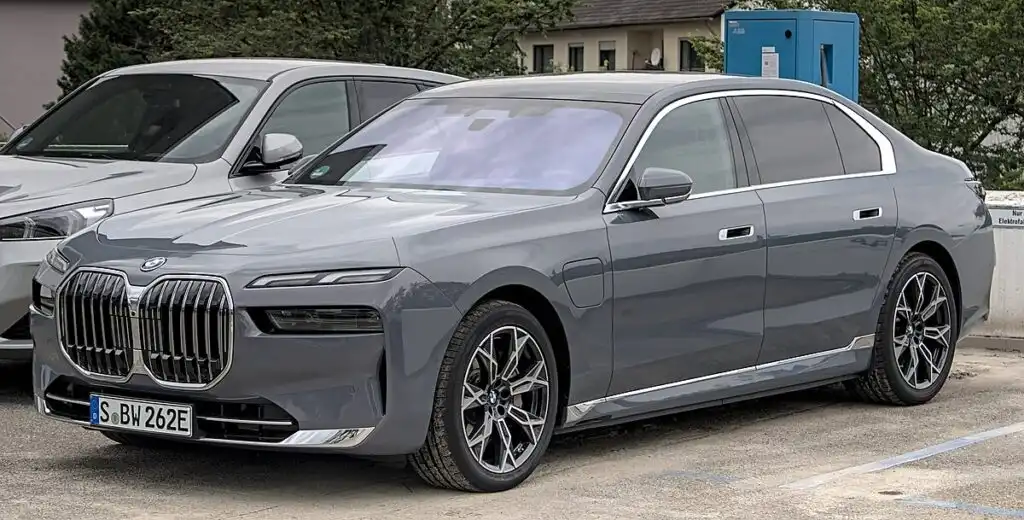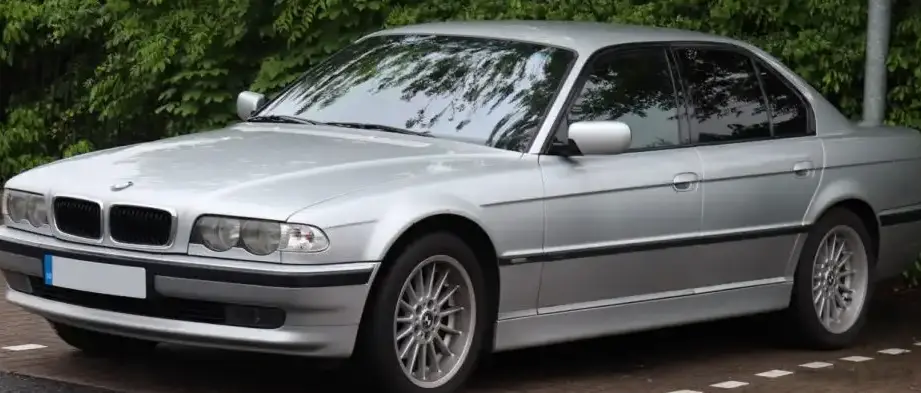
The BMW 740d Steptronic, introduced as part of the E38 7 Series facelift in 1999 and continuing through 2001, represented a significant step for BMW in offering a diesel-powered flagship sedan. Positioned as a more efficient and torque-rich alternative to the gasoline-powered 740i and 750iL, the 740d aimed to appeal to buyers prioritizing long-distance comfort and fuel economy without sacrificing luxury. It was a key model in BMW’s expansion of diesel technology into the premium segment, particularly in Europe where diesel engines held a strong market share. The E38 facelift brought subtle styling revisions and, crucially, the introduction of this new diesel engine option.
Technical Specifications
| Brand | BMW |
| Model | 7 Series |
| Generation | 7 Series (E38, facelift 1998) |
| Type (Engine) | 740d (245 Hp) Steptronic |
| Start of production | 1999 |
| End of production | 2001 |
| Powertrain Architecture | Internal Combustion engine |
| Body type | Sedan |
| Seats | 5 |
| Doors | 4 |
| Fuel consumption (urban) | 14.7 l/100 km (16 US mpg, 19.2 UK mpg, 6.8 km/l) |
| Fuel consumption (extra urban) | 7 l/100 km (33.6 US mpg, 40.4 UK mpg, 14.3 km/l) |
| Fuel consumption (combined) | 9.8 l/100 km (24 US mpg, 28.8 UK mpg, 10.2 km/l) |
| Fuel Type | Diesel |
| Acceleration 0 – 100 km/h | 8.4 sec |
| Acceleration 0 – 62 mph | 8.4 sec |
| Acceleration 0 – 60 mph | 8 sec |
| Maximum speed | 242 km/h (150.37 mph) |
| Weight-to-power ratio | 8 kg/Hp, 125 Hp/tonne |
| Weight-to-torque ratio | 3.5 kg/Nm, 285.7 Nm/tonne |
| Power | 245 Hp @ 4000 rpm |
| Power per litre | 62.8 Hp/l |
| Torque | 560 Nm @ 1750-2500 rpm (413.03 lb.-ft. @ 1750-2500 rpm) |
| Engine layout | Front, Longitudinal |
| Engine Model/Code | M67D40 |
| Engine displacement | 3901 cm3 (238.05 cu. in.) |
| Number of cylinders | 8 |
| Engine configuration | V-engine |
| Cylinder Bore | 84 mm (3.31 in.) |
| Piston Stroke | 88 mm (3.46 in.) |
| Compression ratio | 18:1 |
| Number of valves per cylinder | 4 |
| Fuel injection system | Diesel Commonrail |
| Engine aspiration | BiTurbo, Intercooler |
| Engine oil capacity | 9.5 l (10.04 US qt, 8.36 UK qt) |
| Coolant | 16 l (16.91 US qt, 14.08 UK qt) |
| Kerb Weight | 1960 kg (4321.06 lbs.) |
| Max. weight | 2495 kg (5500.53 lbs.) |
| Max load | 535 kg (1179.47 lbs.) |
| Trunk (boot) space – minimum | 500 l (17.66 cu. ft.) |
| Fuel tank capacity | 95 l (25.1 US gal, 20.9 UK gal) |
| Length | 4984 mm (196.22 in.) |
| Width | 1862 mm (73.31 in.) |
| Height | 1435 mm (56.5 in.) |
| Wheelbase | 2930 mm (115.35 in.) |
| Front track | 1552 mm (61.1 in.) |
| Rear (Back) track | 1568 mm (61.73 in.) |
| Drag coefficient (Cd) | 0.31 |
| Minimum turning circle | 11.6 m (38.06 ft.) |
| Drivetrain Architecture | Rear wheel drive |
| Number of gears and type of gearbox | 5 gears, automatic transmission Steptronic |
| Front suspension | Wishbone |
| Rear suspension | Inclined Lever |
| Front brakes | Ventilated discs |
| Rear brakes | Disc |
| Assisting systems | ABS (Anti-lock braking system) |
| Steering type | Steering rack and pinion |
| Power steering | Hydraulic Steering |
| Tires size | 235/60 R16 W |
| Wheel rims size | 16 |
Powertrain & Engine Architecture
The heart of the 740d was the M67D40, a 3.9-liter V8 diesel engine. This engine was a significant departure for BMW, marking their entry into the high-performance diesel market. The M67 featured common rail direct injection, a technology that allowed for precise fuel delivery and improved combustion efficiency. Two turbochargers, along with an intercooler, were employed to boost power and torque. The engine produced 245 horsepower at 4000 rpm and a substantial 560 Nm (413 lb-ft) of torque between 1750 and 2500 rpm. This torque output was a key selling point, providing effortless acceleration and strong pulling power. The engine’s 18:1 compression ratio was typical for a diesel engine of the era. Paired with the engine was a 5-speed Steptronic automatic transmission, offering both fully automatic operation and the ability for the driver to manually select gears. This transmission was tuned to complement the engine’s torque characteristics, providing smooth and responsive shifts.
Driving Characteristics
The 740d Steptronic offered a distinctly different driving experience compared to its gasoline counterparts. While not as outright quick as the 740i or 750iL, the 740d excelled in providing relaxed, effortless cruising. The abundant torque meant strong acceleration in everyday driving situations, and overtaking was accomplished with ease. The Steptronic transmission, while not as sporty as a manual, provided smooth and well-timed shifts. The gear ratios were optimized for fuel efficiency and comfortable highway driving. Compared to the 740i, the 740d felt heavier due to the diesel engine’s construction, and the engine lacked the high-revving character of the gasoline V8. However, the 740d’s superior fuel economy and lower running costs appealed to a different type of buyer.
Equipment & Trim Levels
The 740d Steptronic typically came well-equipped, reflecting its status as a flagship luxury sedan. Standard features included leather upholstery, power-adjustable front seats with memory function, automatic climate control, a premium sound system, and a sunroof. Wood trim adorned the interior, adding to the luxurious ambiance. Optional extras included rear seat entertainment, upgraded leather options, active suspension, and various driver assistance systems. The trim level was generally consistent across the 740d models, with options allowing for personalization.
Chassis & Braking
The E38 7 Series chassis was designed to provide a comfortable and refined ride. The 740d utilized a wishbone front suspension and an inclined lever rear suspension. Ventilated disc brakes were fitted to all four wheels, providing ample stopping power. ABS (Anti-lock Braking System) was standard. Due to the increased weight of the diesel engine, the suspension was often tuned slightly differently compared to the gasoline models to maintain ride quality and handling balance. The 740d typically featured a slightly thicker stabilizer bar to counteract body roll.
Market Reception & Comparison
The 740d was generally well-received by automotive critics, particularly in Europe. Reviewers praised its fuel efficiency, strong torque, and comfortable ride. However, some criticized the engine’s lack of refinement compared to the gasoline engines and the slightly heavier feel of the car. Compared to the 740i, the 740d offered significantly better fuel economy, making it a more practical choice for high-mileage drivers. Compared to the 750iL, the 740d offered a more balanced combination of performance and economy. Reliability was generally good, although the complex common rail injection system required careful maintenance.
Legacy
The BMW 740d (E38) played a crucial role in establishing BMW as a leader in the luxury diesel market. The M67D40 engine proved to be a robust and reliable powerplant, and many examples remain on the road today. While the E38 has been superseded by newer generations of the 7 Series, it remains a sought-after classic among BMW enthusiasts. The 740d, in particular, is valued for its unique combination of luxury, performance, and fuel efficiency. In the used car market, well-maintained examples command a premium, reflecting their rarity and desirability. The engine’s longevity and relatively straightforward maintenance (compared to later diesel technologies) contribute to its continued appeal.