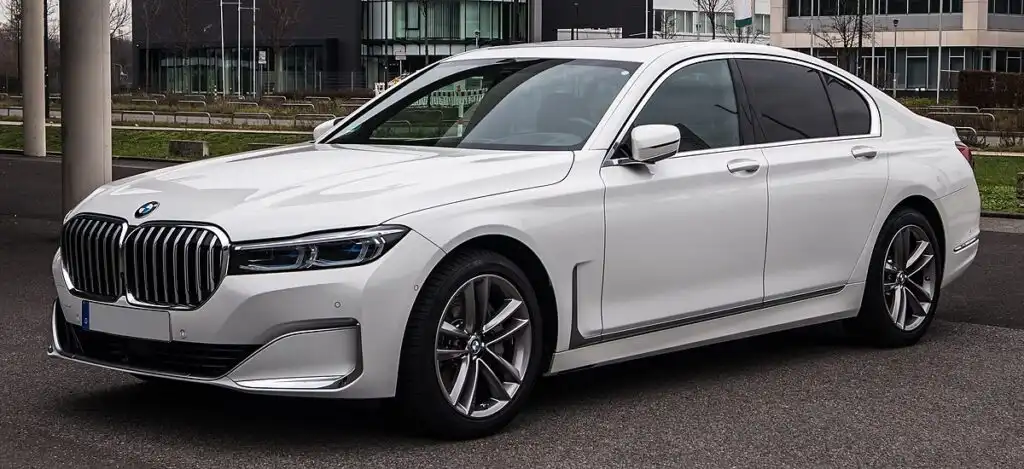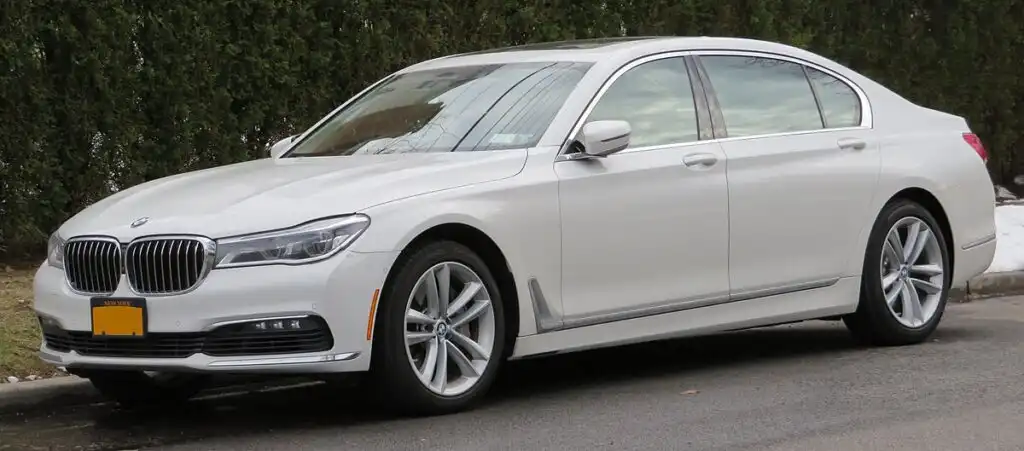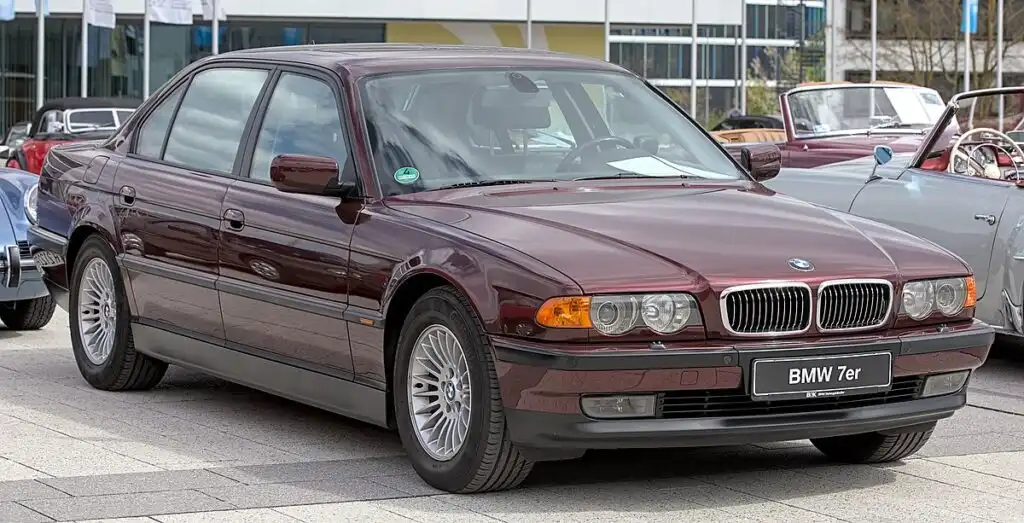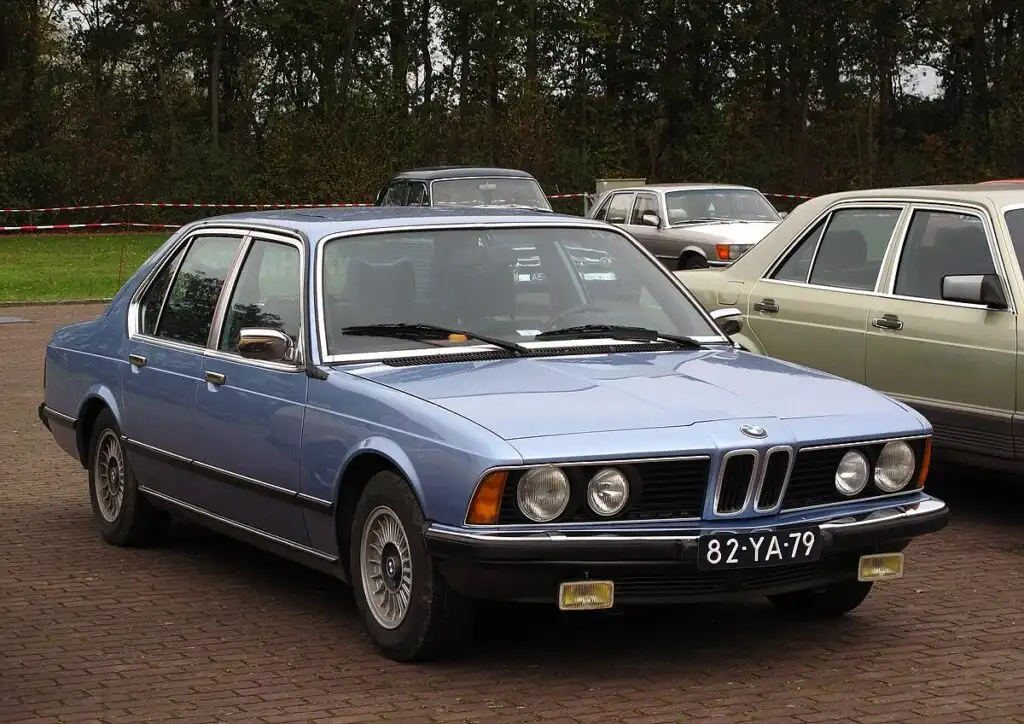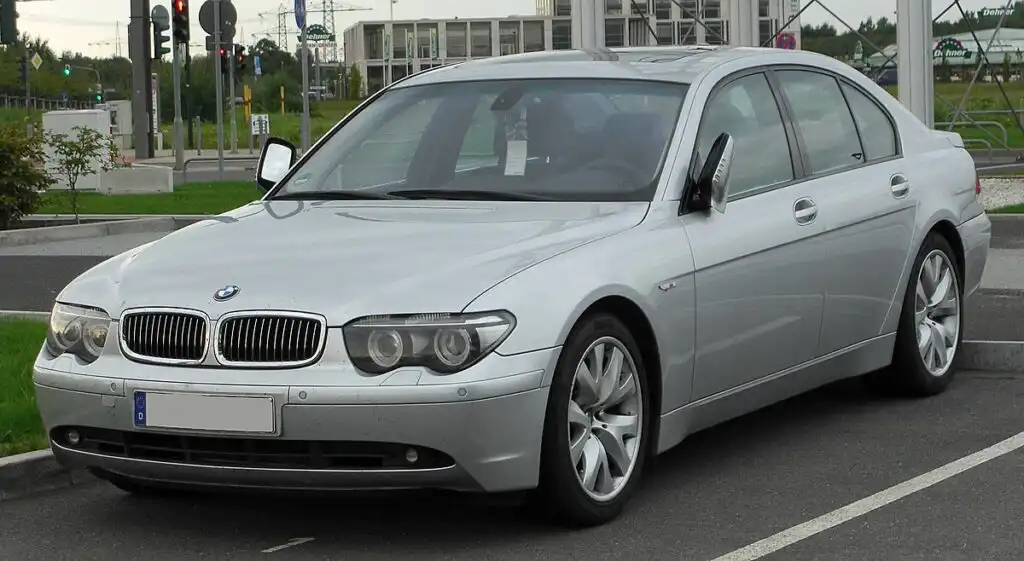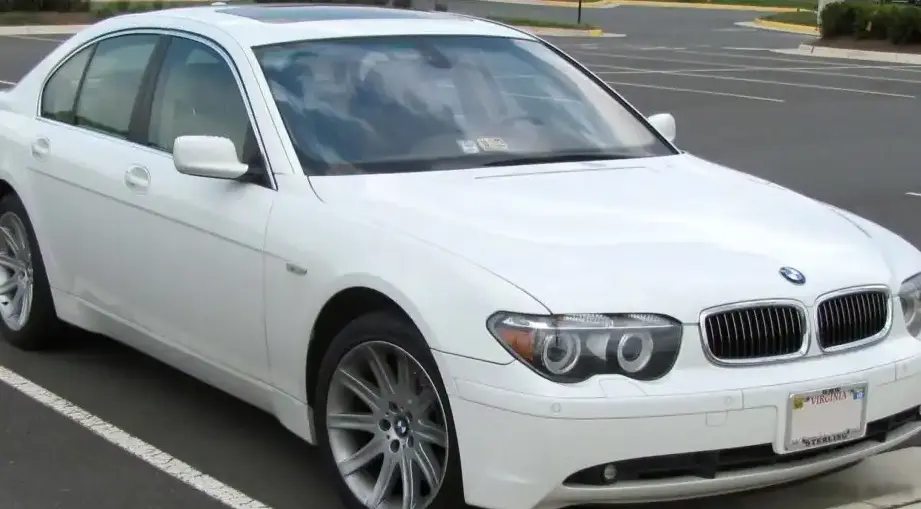
The BMW 740d Steptronic, produced between 2002 and 2005, was a diesel-powered variant of the E65 generation 7 Series. Positioned as a mid-range offering within the 7 Series lineup, it aimed to provide a balance between performance, fuel efficiency, and luxury. This model represented BMW’s increasing focus on diesel technology for its flagship sedan, particularly in European markets where diesel fuel was more prevalent and favorably taxed. The 740d occupied a space between the entry-level 730d and the high-performance 760i, appealing to buyers seeking a refined driving experience without the higher costs associated with the V12 model.
Technical Specifications
| Brand | BMW |
| Model | 7 Series |
| Generation | 7 Series (E65) |
| Type (Engine) | 740d (258 Hp) Steptronic |
| Start of production | 2002 |
| End of production | 2005 |
| Powertrain Architecture | Internal Combustion engine |
| Body type | Sedan |
| Seats | 5 |
| Doors | 4 |
| Fuel consumption (urban) | 13.8 l/100 km (17 US mpg, 20.5 UK mpg, 7.2 km/l) |
| Fuel consumption (extra urban) | 7.5 l/100 km (31.4 US mpg, 37.7 UK mpg, 13.3 km/l) |
| Fuel consumption (combined) | 9.7 l/100 km (24.2 US mpg, 29.1 UK mpg, 10.3 km/l) |
| Fuel Type | Diesel |
| Acceleration 0 – 100 km/h | 7.4 sec |
| Acceleration 0 – 62 mph | 7.4 sec |
| Acceleration 0 – 60 mph | 7 sec |
| Maximum speed | 250 km/h (155.34 mph) |
| Emission standard | Euro 3 |
| Weight-to-power ratio | 7.8 kg/Hp, 128 Hp/tonne |
| Weight-to-torque ratio | 3.4 kg/Nm, 297.8 Nm/tonne |
| Power | 258 Hp @ 4000 rpm |
| Power per litre | 66.1 Hp/l |
| Torque | 600 Nm @ 1900-2500 rpm (442.54 lb.-ft. @ 1900-2500 rpm) |
| Engine layout | Front, Longitudinal |
| Engine Model/Code | M67D40 |
| Engine displacement | 3901 cm3 (238.05 cu. in.) |
| Number of cylinders | 8 |
| Engine configuration | V-engine |
| Cylinder Bore | 84 mm (3.31 in.) |
| Piston Stroke | 88 mm (3.46 in.) |
| Compression ratio | 18:1 |
| Number of valves per cylinder | 4 |
| Fuel injection system | Diesel Commonrail |
| Engine aspiration | BiTurbo, Intercooler |
| Valvetrain | DOHC |
| Engine oil capacity | 9.5 l (10.04 US qt, 8.36 UK qt) |
| Coolant | 16.4 l (17.33 US qt, 14.43 UK qt) |
| Kerb Weight | 2015 kg (4442.31 lbs.) |
| Max. weight | 2595 kg (5721 lbs.) |
| Max load | 580 kg (1278.68 lbs.) |
| Trunk (boot) space (minimum) | 500 l (17.66 cu. ft.) |
| Fuel tank capacity | 88 l (23.25 US gal, 19.36 UK gal) |
| Length | 5029 mm (197.99 in.) |
| Width | 1902 mm (74.88 in.) |
| Height | 1492 mm (58.74 in.) |
| Wheelbase | 2990 mm (117.72 in.) |
| Front track | 1578 mm (62.13 in.) |
| Rear (Back) track | 1582 mm (62.28 in.) |
| Drag coefficient (Cd) | 0.29 |
| Minimum turning circle | 12.1 m (39.7 ft.) |
| Drivetrain Architecture | Rear wheel drive |
| Number of gears and type of gearbox | 6 gears, automatic transmission Steptronic |
| Front suspension | Spring Strut |
| Rear suspension | Coil spring |
| Front brakes | Ventilated discs |
| Rear brakes | Disc |
| Assisting systems | ABS (Anti-lock braking system) |
| Steering type | Steering rack and pinion |
| Power steering | Hydraulic Steering |
| Tires size | 245/55 R17 |
| Wheel rims size | 8J x 17 |
Powertrain & Engine Architecture
The heart of the 740d Steptronic was the M67D40, a 3.9-liter V8 diesel engine. This engine utilized common rail direct injection, a technology that allowed for precise fuel delivery and improved combustion efficiency. The M67D40 featured twin turbochargers with variable geometry turbine (VGT) technology, which minimized turbo lag and provided a broad torque curve. The engine also incorporated an intercooler to further enhance performance by cooling the intake air. The valvetrain employed double overhead camshafts (DOHC) with four valves per cylinder, optimizing airflow for increased power output. Paired with the engine was a six-speed Steptronic automatic transmission, BMW’s branded automatic gearbox. This transmission offered both fully automatic operation and a manual shift mode, allowing drivers to have more control over gear selection. The transmission was tuned to complement the engine’s torque characteristics, providing smooth and responsive shifts.
Driving Characteristics
The 740d Steptronic offered a distinctly different driving experience compared to its gasoline-powered siblings. While not as overtly sporty as the 750i, the 740d delivered strong acceleration thanks to its substantial 600 Nm (442 lb-ft) of torque, available from a low 1900 rpm. This made it particularly well-suited for effortless highway cruising and overtaking. The Steptronic transmission, while smooth, wasn’t as quick-shifting as some contemporary automatics, but it provided a comfortable and refined driving experience. Compared to the manual transmission options available in other 7 Series models, the automatic prioritized ease of use over outright performance. The 740d’s weight, approximately 2015 kg (4442 lbs), was noticeable, but the engine’s torque helped to mitigate the effects of the mass.
Equipment & Trim Levels
The 740d Steptronic typically came well-equipped, reflecting its position as a luxury sedan. Standard features included leather upholstery, automatic climate control, a premium sound system, and power-adjustable front seats with memory function. Optional extras were plentiful, including features like active suspension, heated seats, a navigation system, and a rear entertainment system. Interior trim options included various wood veneers and aluminum accents. The dashboard layout was consistent with other E65 7 Series models, featuring a prominent iDrive controller for managing vehicle functions.
Chassis & Braking
The E65 7 Series featured a robust chassis designed for comfort and stability. The 740d utilized a spring strut front suspension and a coil spring rear suspension. The braking system consisted of ventilated discs at the front and solid discs at the rear. Anti-lock braking system (ABS) was standard. The suspension was tuned to provide a comfortable ride, prioritizing isolation from road imperfections. The steering was a hydraulic rack and pinion system, offering precise and responsive control.
Market Reception & Comparison
The 740d Steptronic was generally well-received by automotive critics, particularly in Europe. It was praised for its fuel efficiency, strong torque output, and refined driving experience. However, some reviewers noted that the diesel engine lacked the smoothness and responsiveness of the gasoline engines. Compared to the 730d, the 740d offered a significant performance upgrade, while remaining more affordable than the flagship 760i. Fuel economy was a key selling point, with the 740d achieving combined fuel consumption figures of around 9.7 l/100 km (24.2 US mpg). Reliability was generally good, although diesel engines can be more susceptible to issues with the fuel injection system and turbochargers over time.
Legacy
The BMW 740d Steptronic represents an important step in BMW’s adoption of diesel technology for its luxury vehicles. The M67D40 engine proved to be a durable and capable powerplant, and many examples remain on the road today. In the used car market, the 740d offers a compelling value proposition, providing a luxurious and well-equipped sedan at a relatively affordable price. However, potential buyers should be aware of the potential maintenance costs associated with a high-mileage diesel engine, including the fuel injection system, turbochargers, and diesel particulate filter (DPF). Despite these potential issues, the 740d remains a popular choice for those seeking a refined and fuel-efficient luxury sedan.