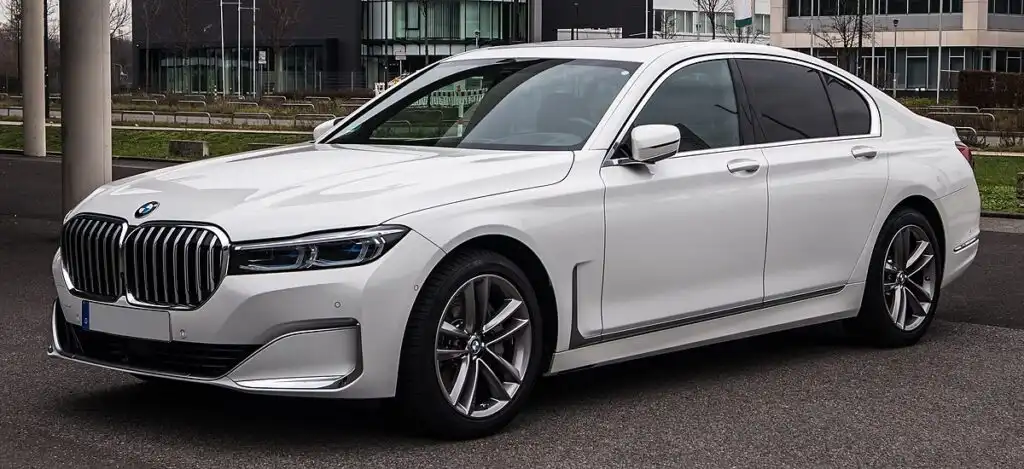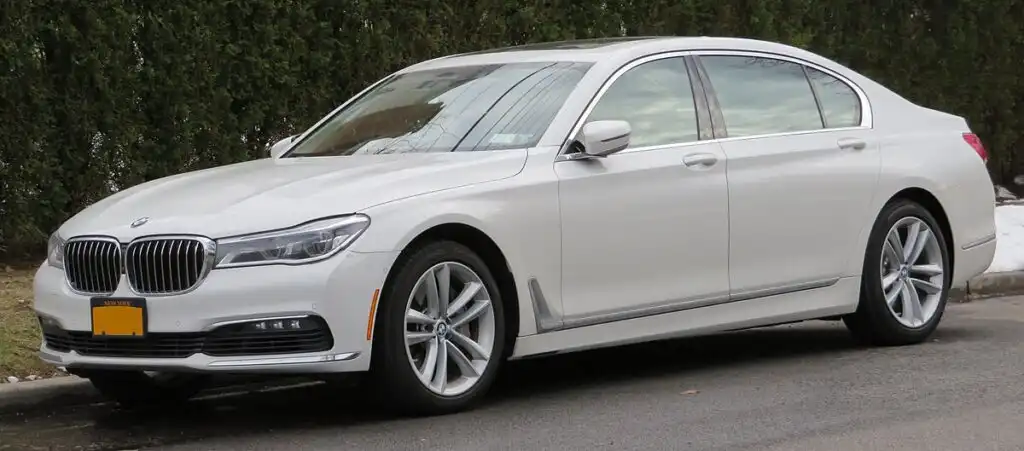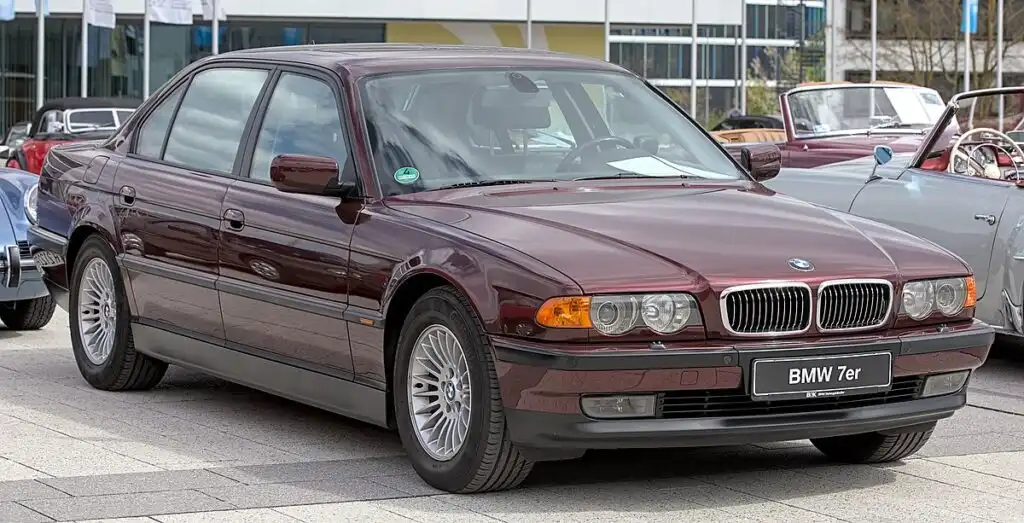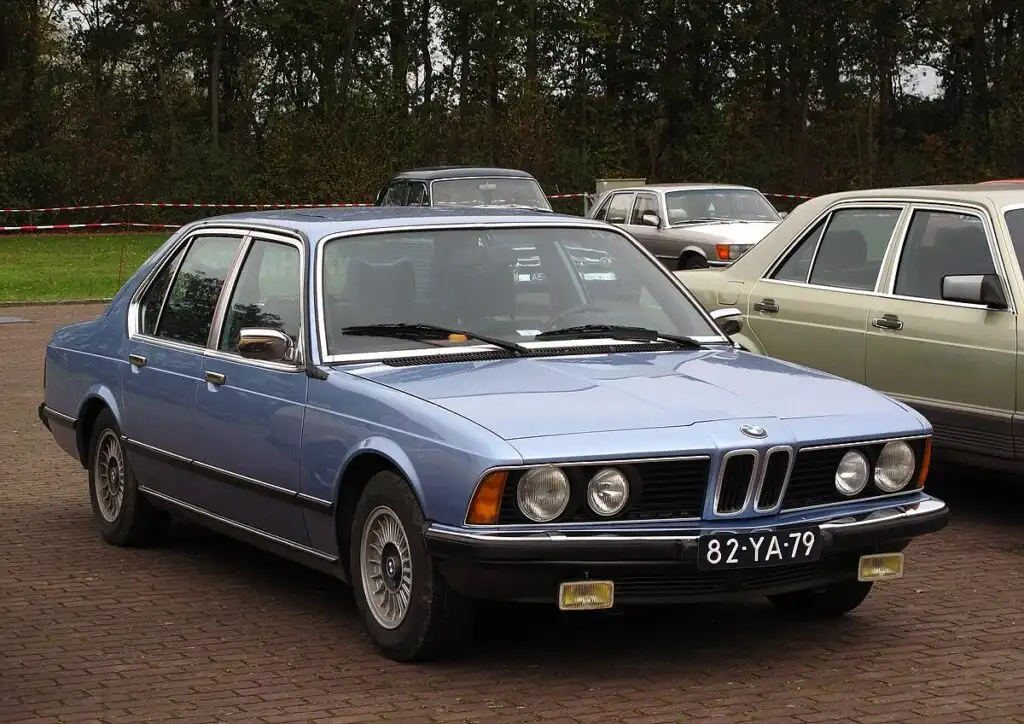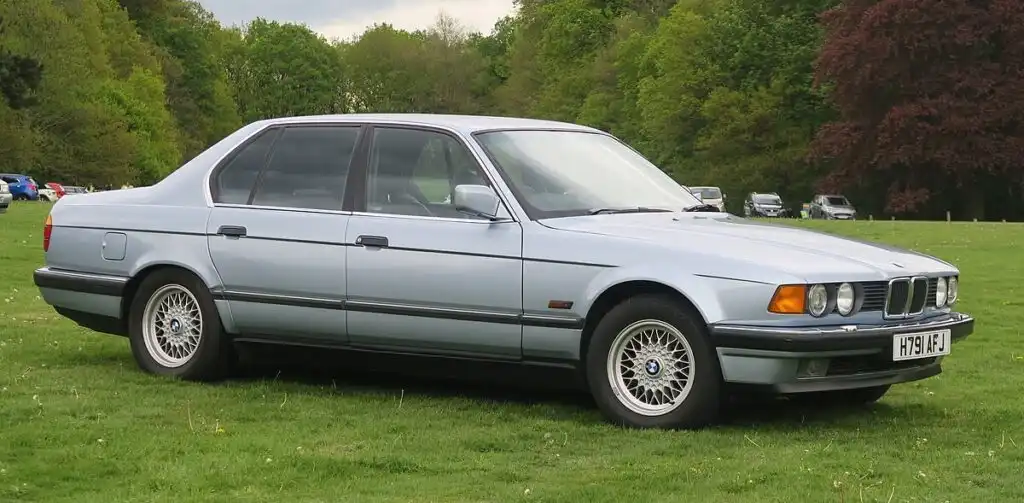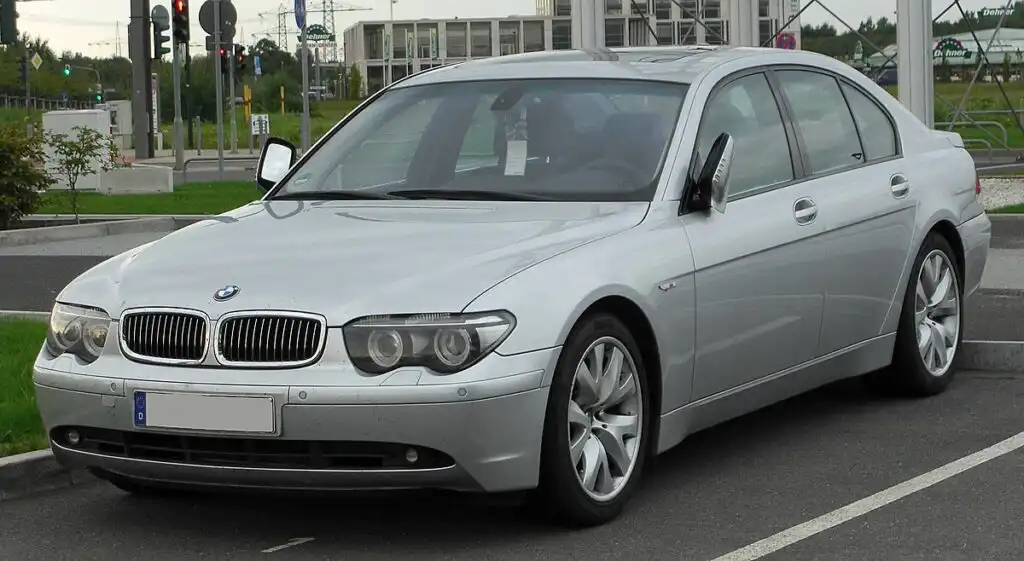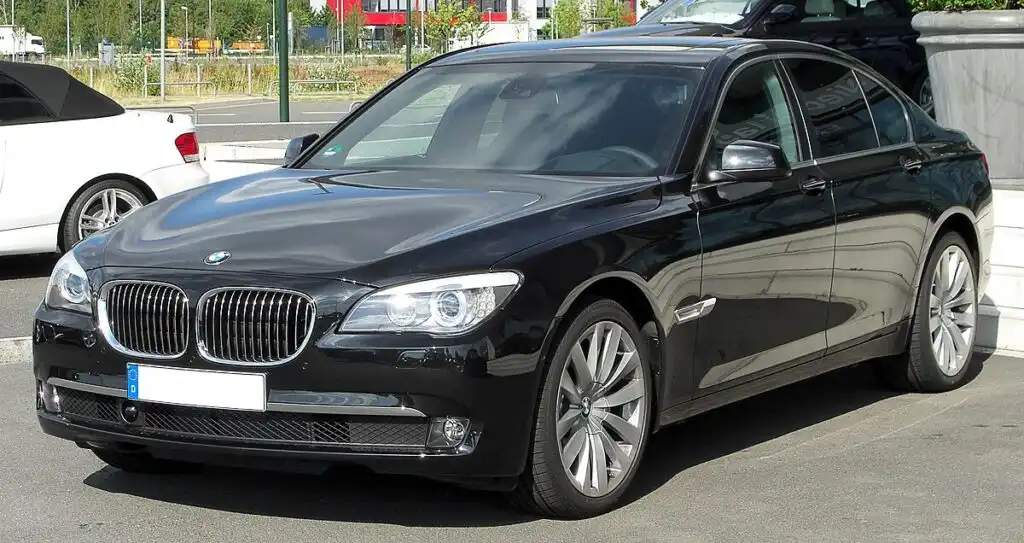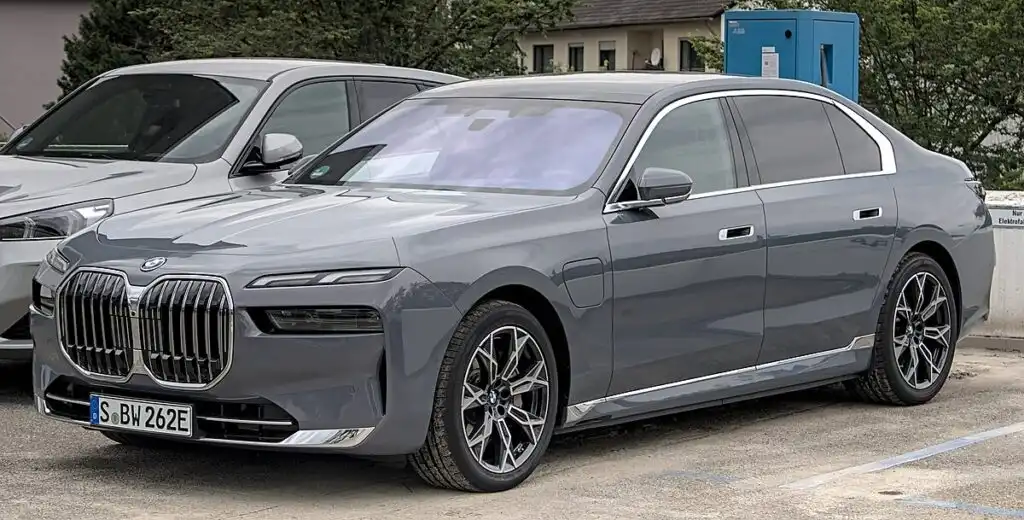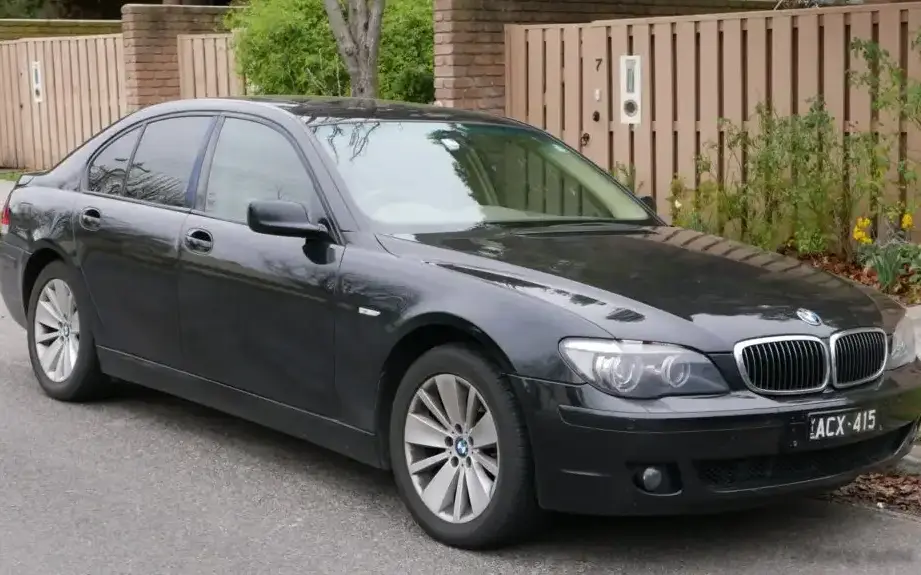
The BMW 730d Steptronic, produced from 2005 to 2008, represents a significant iteration of the E65 generation 7 Series. Introduced as part of the facelifted E65 range, this model aimed to offer a balance of luxury, performance, and fuel efficiency within BMW’s flagship sedan lineup. Powered by a 3.0-liter inline-six diesel engine, the 730d Steptronic was positioned as a more economical alternative to the higher-powered 745i and 760i models, appealing to buyers prioritizing refinement and long-distance comfort over outright speed. It played a key role in expanding the 7 Series’ appeal in European markets, where diesel engines were – and continue to be – highly favored for their fuel economy.
Technical Specifications
| Brand | BMW |
| Model | 7 Series |
| Generation | 7 Series (E65, facelift 2005) |
| Type (Engine) | 730d (231 Hp) Steptronic |
| Start of production | 2005 |
| End of production | 2008 |
| Powertrain Architecture | Internal Combustion engine |
| Body type | Sedan |
| Seats | 5 |
| Doors | 4 |
| Fuel consumption (urban) | 10.9 l/100 km (21.6 US mpg) |
| Fuel consumption (extra urban) | 6.2 l/100 km (37.9 US mpg) |
| Fuel consumption (combined) | 7.9 l/100 km (29.8 US mpg) |
| Fuel Type | Diesel |
| Acceleration 0 – 100 km/h | 7.8 sec |
| Acceleration 0 – 62 mph | 7.8 sec |
| Acceleration 0 – 60 mph | 7.4 sec |
| Maximum speed | 235 km/h (146.02 mph) |
| Emission standard | Euro 4 |
| Weight-to-power ratio | 8.2 kg/Hp |
| Weight-to-torque ratio | 3.7 kg/Nm |
| Power | 231 Hp @ 4000 rpm |
| Torque | 520 Nm @ 2000-2750 rpm (383.53 lb.-ft.) |
| Engine layout | Front, Longitudinal |
| Engine Model/Code | M57D30 |
| Engine displacement | 2993 cm3 (182.64 cu. in.) |
| Number of cylinders | 6 |
| Engine configuration | Inline |
| Cylinder Bore | 84 mm (3.31 in.) |
| Piston Stroke | 90 mm (3.54 in.) |
| Compression ratio | 17:1 |
| Number of valves per cylinder | 4 |
| Fuel injection system | Diesel Commonrail |
| Engine aspiration | Turbocharger, Intercooler |
| Valvetrain | DOHC |
| Engine oil capacity | 8.25 l (8.72 US qt | 7.26 UK qt) |
| Coolant | 10 l (10.57 US qt | 8.8 UK qt) |
| Kerb Weight | 1900 kg (4188.78 lbs.) |
| Max. weight | 2480 kg (5467.46 lbs.) |
| Max load | 580 kg (1278.68 lbs.) |
| Trunk (boot) space – minimum | 500 l (17.66 cu. ft.) |
| Fuel tank capacity | 88 l (23.25 US gal | 19.36 UK gal) |
| Length | 5039 mm (198.39 in.) |
| Width | 1902 mm (74.88 in.) |
| Height | 1491 mm (58.7 in.) |
| Wheelbase | 2990 mm (117.72 in.) |
| Front track | 1578 mm (62.13 in.) |
| Rear (Back) track | 1596 mm (62.83 in.) |
| Drag coefficient (Cd) | 0.29 |
| Minimum turning circle | 12.1 m (39.7 ft.) |
| Drivetrain Architecture | Rear wheel drive |
| Number of gears | 6 |
| Gearbox type | Automatic transmission Steptronic |
| Front suspension | Spring Strut |
| Rear suspension | Coil spring |
| Front brakes | Ventilated discs |
| Rear brakes | Disc |
| Assisting systems | ABS (Anti-lock braking system) |
| Steering type | Steering rack and pinion |
| Power steering | Hydraulic Steering |
| Tires size | 245/55 R17 |
| Wheel rims size | 17 |
Powertrain & Engine Architecture
The heart of the 730d Steptronic is the M57D30, a 3.0-liter inline-six diesel engine. This engine, a mainstay of BMW’s diesel offerings in the mid-2000s, utilizes a common rail direct injection system, delivering fuel at extremely high pressure for optimized combustion. The M57D30 features a single variable geometry turbocharger (VGT) and an intercooler, boosting power output to 231 horsepower and 383 lb-ft of torque. The engine’s valvetrain employs double overhead camshafts (DOHC) with four valves per cylinder, contributing to its efficient operation. The “Steptronic” transmission is BMW’s name for its automatic gearbox, a six-speed unit designed for smooth and responsive shifting. This transmission offered both fully automatic operation and a manual shift mode, allowing drivers to exert more control over gear selection.
Driving Characteristics
The 730d Steptronic offered a distinctly different driving experience compared to its gasoline-powered siblings. While lacking the outright acceleration of the 745i, the 730d provided ample torque from low engine speeds, resulting in strong and effortless performance in everyday driving situations. The six-speed Steptronic transmission was well-matched to the engine’s characteristics, providing smooth gear changes and contributing to a relaxed cruising experience. The gear ratios were tuned for fuel efficiency and comfortable highway driving, rather than aggressive acceleration. Compared to the manual transmission options available on other 7 Series models, the Steptronic prioritized convenience and ease of use, making it ideal for city driving and long journeys.
Equipment & Trim Levels
The 730d Steptronic typically came well-equipped, reflecting its position as a luxury sedan. Standard features included leather upholstery, automatic climate control, a premium sound system, and power-adjustable front seats. Optional extras were plentiful, allowing buyers to customize their vehicles with features such as a navigation system, heated seats, a sunroof, and advanced driver-assistance systems. Interior trim options included various wood veneers and aluminum accents. The overall interior design emphasized luxury and sophistication, with high-quality materials and meticulous attention to detail.
Chassis & Braking
The E65 7 Series featured a robust chassis designed for both comfort and handling. The 730d Steptronic utilized a spring strut front suspension and a coil spring rear suspension. The braking system consisted of ventilated discs at the front and solid discs at the rear, providing adequate stopping power for the vehicle’s weight. Anti-lock braking system (ABS) was standard, enhancing safety and stability during emergency braking. The steering system employed a rack-and-pinion setup with hydraulic power assistance, offering precise and responsive steering feel.
Market Reception & Comparison
The 730d Steptronic was generally well-received by automotive critics, who praised its fuel efficiency, comfortable ride, and refined interior. It was often seen as a sensible alternative to the more expensive and less economical gasoline-powered models. Compared to the 745i, the 730d offered significantly better fuel economy, making it a more attractive option for drivers covering long distances. However, it lacked the 745i’s outright performance. Reliability was generally good, although some owners reported issues with the electronic systems and the Steptronic transmission.
Legacy
The BMW 730d Steptronic (E65) has become a relatively affordable entry point into the world of BMW luxury. The M57D30 engine is known for its durability and longevity, provided it receives regular maintenance. While the E65 generation 7 Series is now considered a classic, the 730d Steptronic remains a popular choice for buyers seeking a comfortable, refined, and fuel-efficient luxury sedan. The Steptronic transmission, while generally reliable, may require attention as the vehicle ages, and finding qualified technicians familiar with BMW’s older systems can be a challenge. Overall, the 730d Steptronic represents a compelling blend of luxury, performance, and economy, cementing its place as a significant model in BMW’s history.