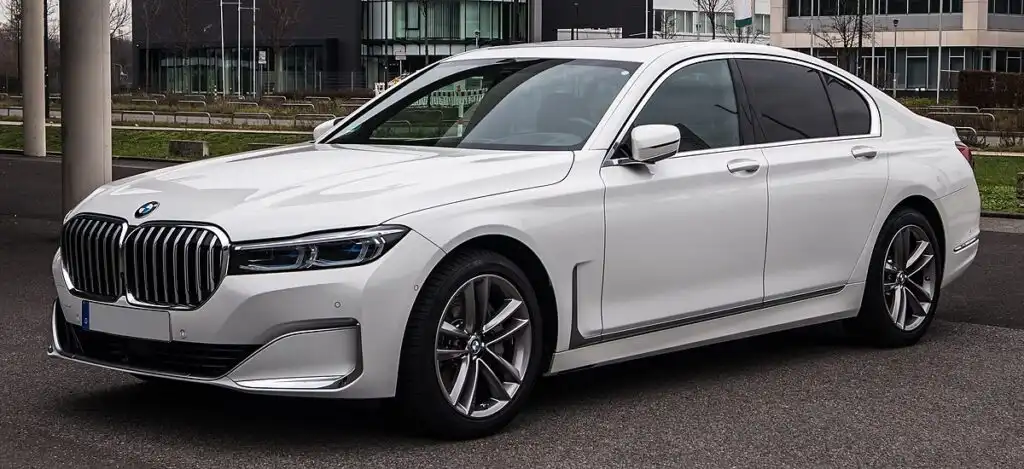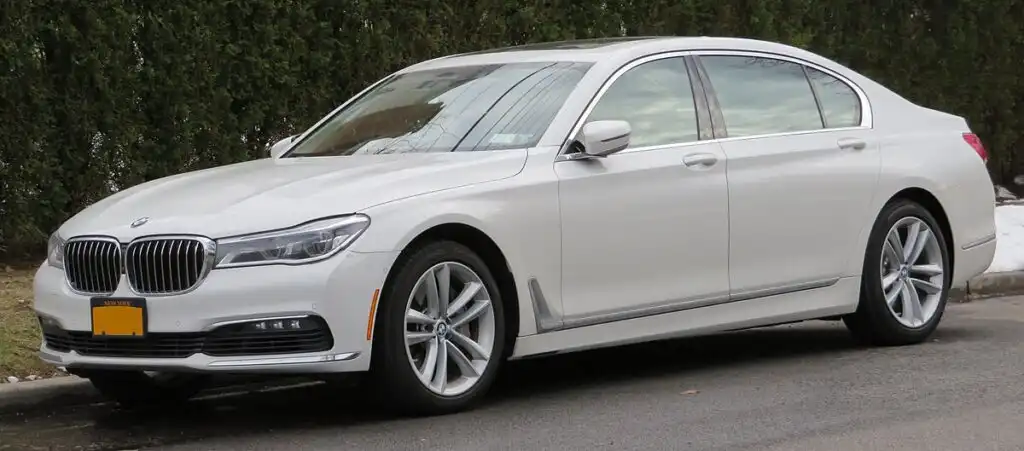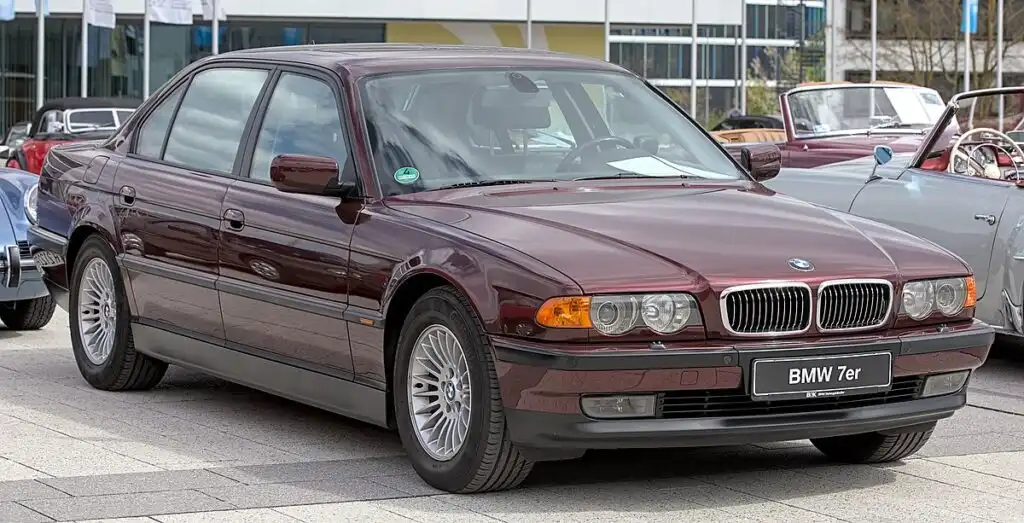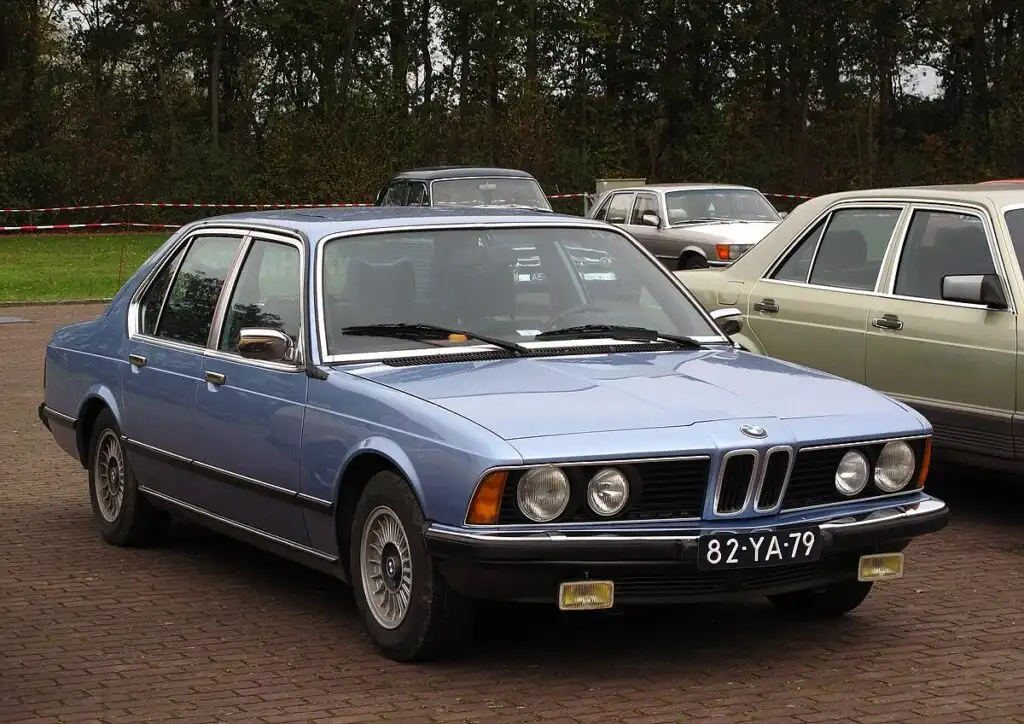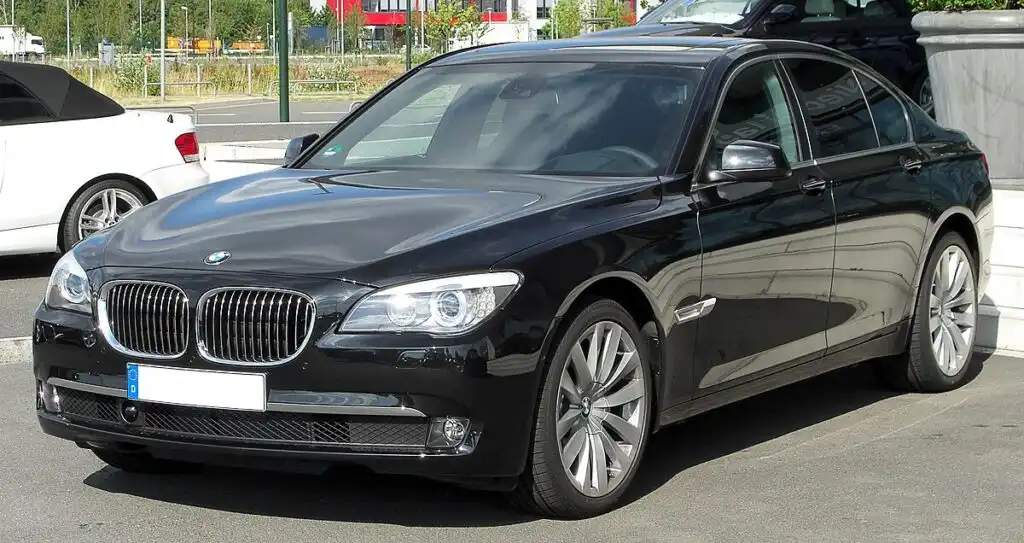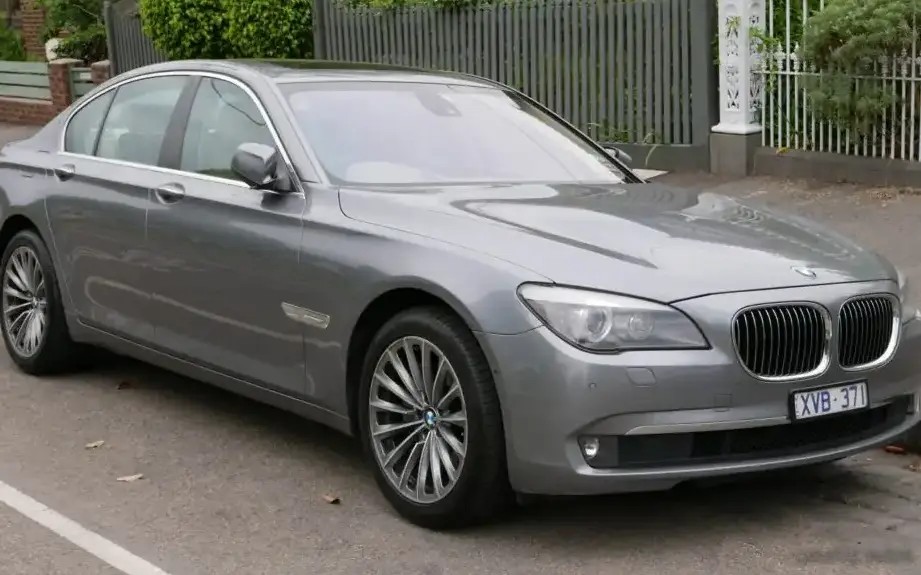
The BMW 740d xDrive, produced between 2008 and 2011 as part of the F01 generation of the 7 Series, represented a significant offering in the luxury sedan segment. Positioned as a diesel-powered alternative to the gasoline-fueled 750i, the 740d xDrive aimed to deliver a blend of performance, efficiency, and sophisticated technology. It served as a key model for BMW in European and Asian markets, where diesel engines held a larger market share, while also gaining traction among US buyers seeking improved fuel economy without sacrificing luxury. This variant distinguished itself with its potent inline-six diesel engine and standard all-wheel drive, offering a unique driving experience within the 7 Series lineup.
Technical Specifications
| Brand | BMW |
| Model | 7 Series |
| Generation | 7 Series (F01) |
| Type (Engine) | 740d (306 Hp) xDrive |
| Start of production | 2008 |
| End of production | 2011 |
| Powertrain Architecture | Internal Combustion engine |
| Body type | Sedan |
| Seats | 5 |
| Doors | 4 |
| Fuel consumption (urban) | 8.8 l/100 km (26.7 US mpg) |
| Fuel consumption (extra urban) | 5.9 l/100 km (39.9 US mpg) |
| Fuel consumption (combined) | 7 l/100 km (33.6 US mpg) |
| Fuel Type | Diesel |
| Acceleration 0 – 100 km/h | 6 sec |
| Acceleration 0 – 62 mph | 6 sec |
| Acceleration 0 – 60 mph | 5.7 sec |
| Maximum speed | 250 km/h (155.34 mph) |
| Weight-to-power ratio | 6.6 kg/Hp |
| Weight-to-torque ratio | 3.4 kg/Nm |
| Power | 306 Hp @ 4400 rpm |
| Torque | 600 Nm @ 1500-2500 rpm (442.54 lb.-ft.) |
| Engine layout | Front, Longitudinal |
| Engine Model/Code | N57D30B |
| Engine displacement | 2993 cm3 (182.64 cu. in.) |
| Number of cylinders | 6 |
| Engine configuration | Inline |
| Cylinder Bore | 84 mm (3.31 in.) |
| Piston Stroke | 90 mm (3.54 in.) |
| Number of valves per cylinder | 4 |
| Fuel injection system | Diesel Commonrail |
| Engine aspiration | Twin-power turbo, Intercooler |
| Engine oil capacity | 6.5 l (6.87 US qt) |
| Coolant | 8.9 l (9.4 US qt) |
| Kerb Weight | 2025 kg (4464.36 lbs.) |
| Max. weight | 2605 kg (5743.04 lbs.) |
| Max load | 580 kg (1278.68 lbs.) |
| Fuel tank capacity | 80 l (21.13 US gal) |
| Length | 5072 mm (199.69 in.) |
| Width | 1902 mm (74.88 in.) |
| Height | 1479 mm (58.23 in.) |
| Wheelbase | 3070 mm (120.87 in.) |
| Front track | 1611 mm (63.43 in.) |
| Rear track | 1650 mm (64.96 in.) |
| Drive wheel | All wheel drive (4×4) |
| Number of gears | 6 |
| Gearbox type | Automatic transmission |
| Assisting systems | ABS (Anti-lock braking system) |
| Steering type | Steering rack and pinion |
| Tires size | 245/50 R 18 Y |
| Wheel rims size | 8J x 18 |
Powertrain & Engine Architecture
The heart of the 740d xDrive is the N57D30B, a 3.0-liter inline-six diesel engine. This engine represented a significant advancement in BMW’s diesel technology, featuring common-rail direct injection and a variable geometry turbocharger. The second-generation common-rail system, operating at significantly higher pressures than its predecessor, allowed for finer fuel atomization and more complete combustion, resulting in improved efficiency and reduced emissions. The twin-turbo setup, with a smaller turbo for immediate response and a larger turbo for peak power, contributed to the engine’s broad torque curve. The engine produced 306 horsepower at 4400 rpm and a substantial 600 Nm (442.54 lb-ft) of torque between 1500 and 2500 rpm. This torque output was a defining characteristic of the 740d, providing effortless acceleration and strong pulling power. The engine was paired with a six-speed automatic transmission, specifically tuned to handle the engine’s torque output and provide smooth shifts. While not as quick-shifting as some later transmissions, it was known for its reliability and refinement.
Driving Characteristics
The 740d xDrive offered a distinctly different driving experience compared to its gasoline-powered siblings. The abundant low-end torque meant that the car felt remarkably responsive in everyday driving situations, requiring less frequent downshifting. While the 0-60 mph time of around 5.7 seconds was respectable, the 740d’s strength lay in its mid-range acceleration and effortless cruising ability. The all-wheel-drive system provided excellent traction in all weather conditions, enhancing stability and confidence. Compared to the 730d (with a lower-powered engine) and the 750i (with a V8 gasoline engine), the 740d struck a balance between performance and economy. It wasn’t as overtly sporty as the 750i, but it offered more than enough power for most drivers, while significantly outperforming the 730d in terms of acceleration. The automatic transmission, while smooth, could sometimes feel a bit hesitant when attempting quick downshifts.
Equipment & Trim Levels
The 740d xDrive typically came well-equipped, reflecting its position as a flagship luxury sedan. Standard features included leather upholstery, power-adjustable heated front seats, a premium sound system, automatic climate control, and a navigation system. BMW’s iDrive infotainment system was also standard, offering control over various vehicle functions. Optional extras included features like massaging seats, rear-seat entertainment, adaptive cruise control, and a head-up display. Trim levels were relatively limited, with most customization options available through individual selections rather than distinct packages. The interior design was characterized by high-quality materials and a focus on comfort and refinement.
Chassis & Braking
The F01 7 Series featured a sophisticated chassis designed to provide a comfortable and controlled ride. The 740d xDrive utilized a double-wishbone front suspension and an integral-arm rear suspension. The xDrive all-wheel-drive system employed a multi-plate clutch to distribute torque between the front and rear axles, optimizing traction and stability. The braking system consisted of ventilated disc brakes on all four wheels, coupled with ABS, dynamic stability control (DSC), and electronic brakeforce distribution (EBD). The suspension was tuned to prioritize ride comfort, but it also offered good body control and handling. The standard tire size was 245/50 R18, providing a good balance between grip and ride quality.
Market Reception & Comparison
The 740d xDrive was generally well-received by automotive critics. It was praised for its powerful and efficient engine, comfortable ride, and luxurious interior. However, some reviewers noted that the steering lacked the feedback of some competitors, and the iDrive system could be complex to learn. Compared to other trims in the 7 Series lineup, the 740d offered a compelling value proposition for buyers who prioritized fuel economy and torque. It was more economical than the 750i, while offering more performance than the 730d. In terms of reliability, the N57 engine proved to be relatively robust, although some owners reported issues with the diesel particulate filter (DPF) and turbocharger over the long term.
Legacy
The BMW 740d xDrive (F01) remains a desirable used car today, particularly for those seeking a blend of luxury, performance, and fuel efficiency. The N57 engine is known for its durability and potential for tuning, making it a popular choice among enthusiasts. While maintenance costs can be higher than those of some other vehicles in its class, the 740d’s overall reliability is generally good. The car’s sophisticated technology and comfortable interior continue to impress, making it a competitive option in the luxury sedan market. The F01 generation 7 Series, and the 740d xDrive in particular, represents a significant chapter in BMW’s history, showcasing the company’s commitment to innovation and engineering excellence.