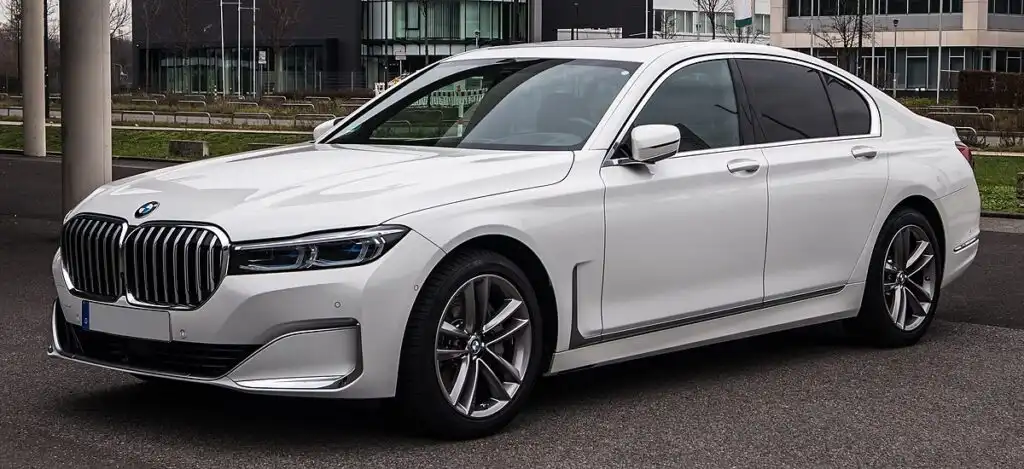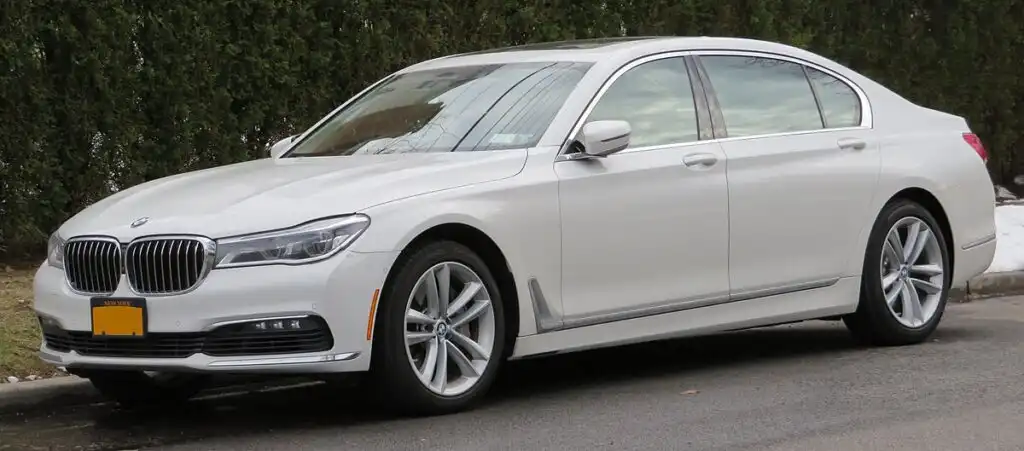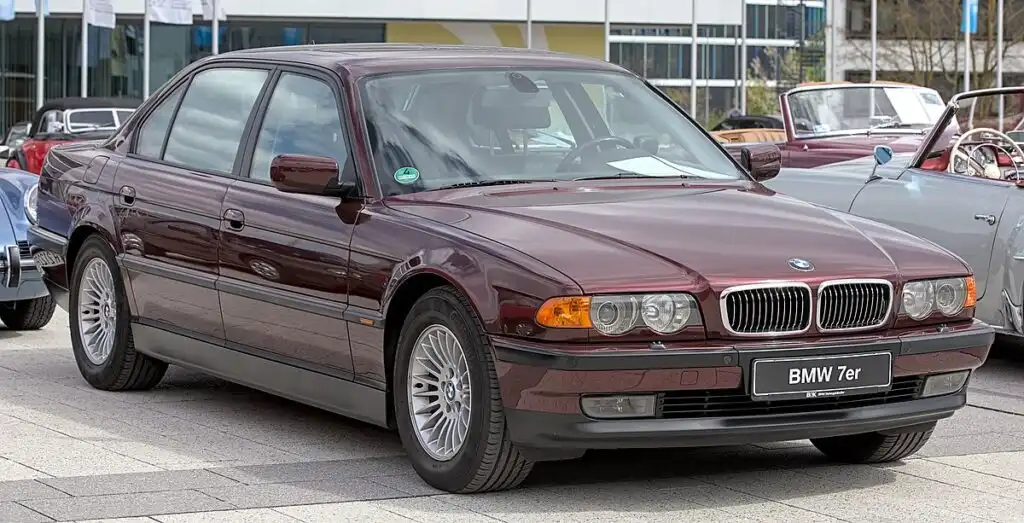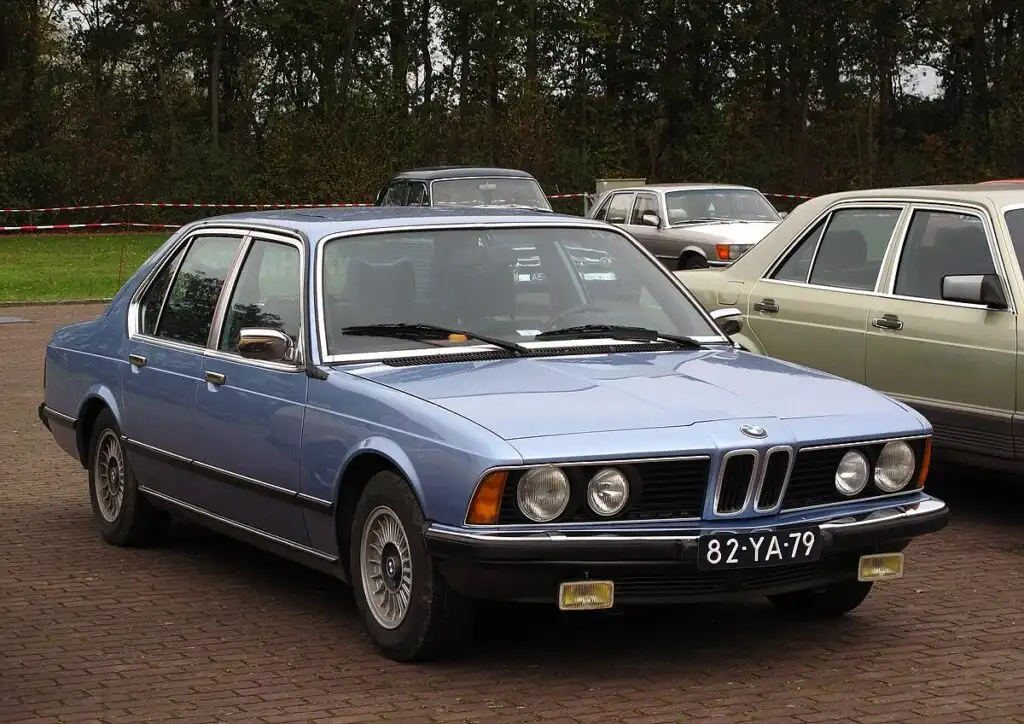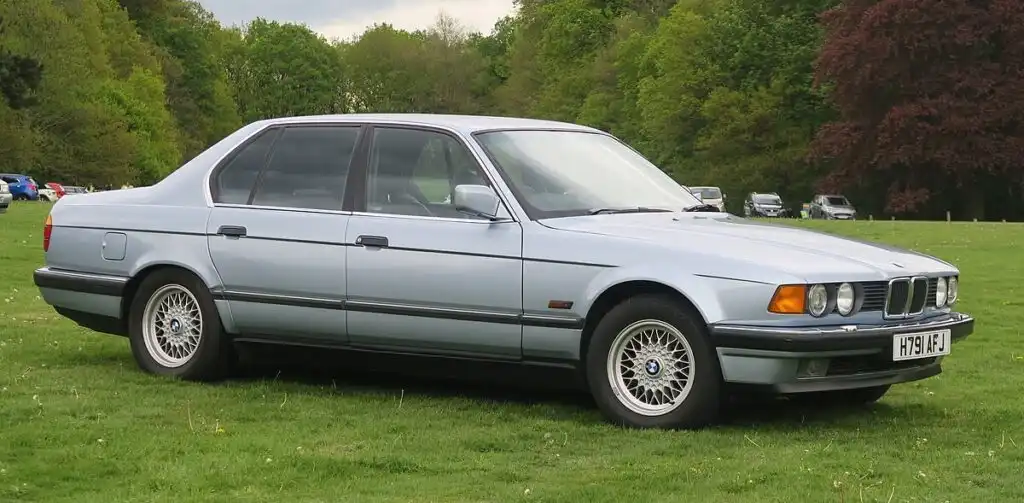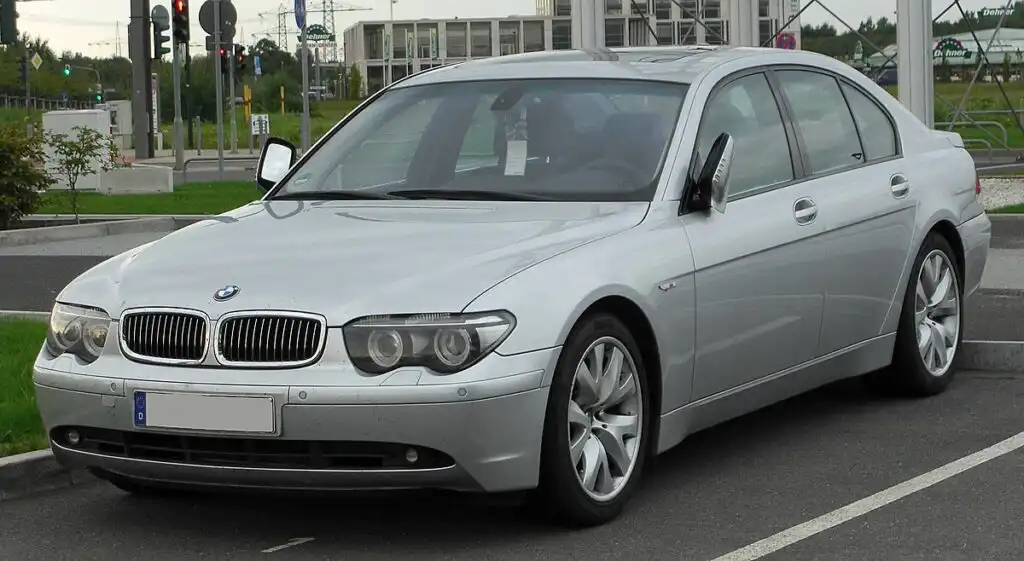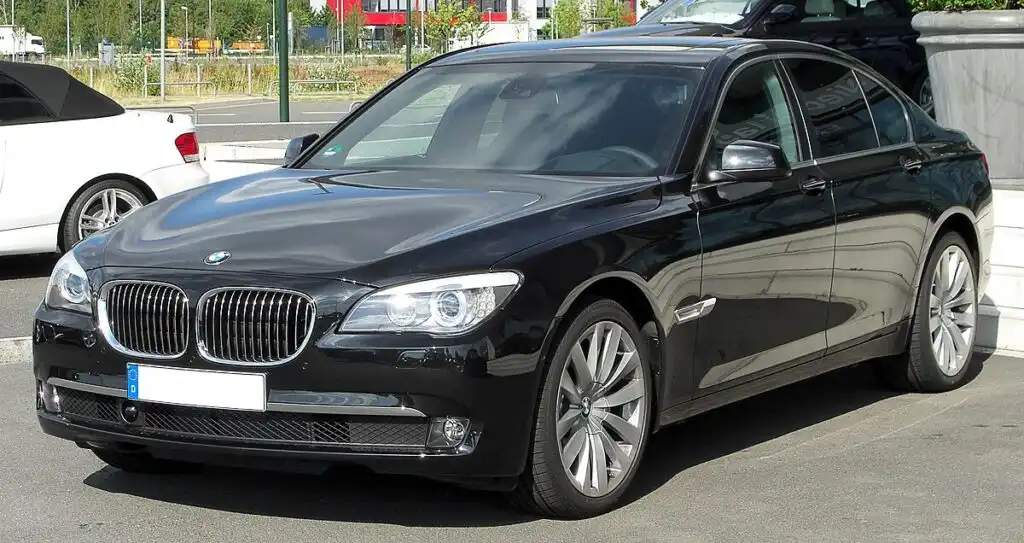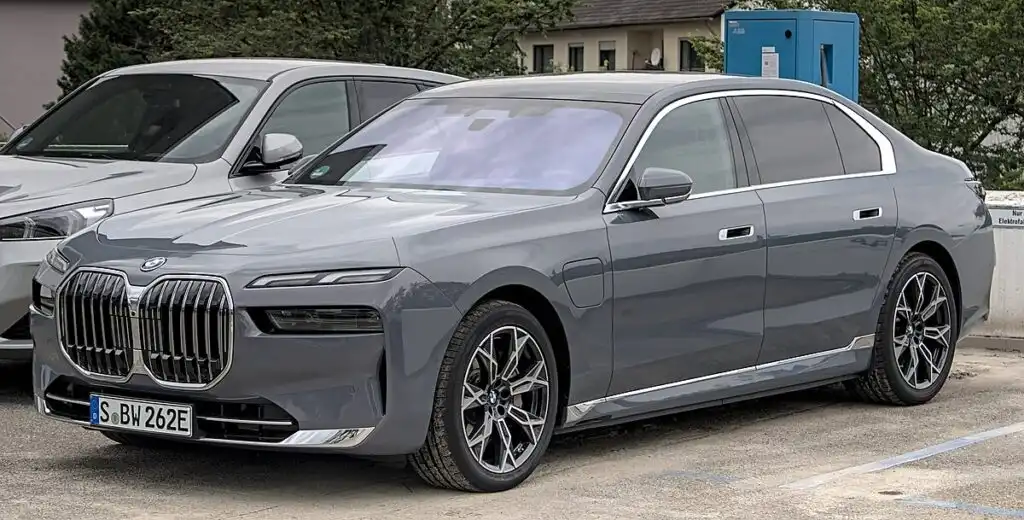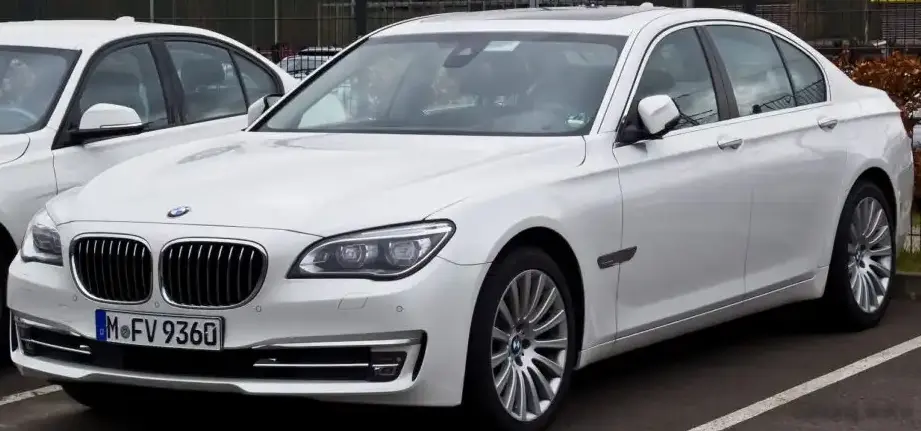
The BMW 730d, specifically the F01 LCI (Life Cycle Impulse) facelift model produced from 2012 to 2015, represented a key offering in BMW’s flagship sedan lineup. Positioned as a more efficient alternative to its higher-powered siblings, the 730d combined a potent diesel engine with BMW’s renowned luxury and technology. This variant aimed to appeal to buyers seeking a sophisticated, long-distance grand tourer with reduced running costs. It sat in the mid-range of the 7 Series offerings, below the 740i and 750i models, but above any potential base-level trims. The F01 LCI brought styling updates and technological enhancements to the 7 Series, solidifying its position in the competitive luxury sedan segment.
Technical Specifications
| Brand | BMW |
| Model | 7 Series |
| Generation | 7 Series (F01 LCI, facelift 2012) |
| Type (Engine) | 730d (258 Hp) Steptronic |
| Start of production | 2012 |
| End of production | 2015 |
| Powertrain Architecture | Internal Combustion engine |
| Body type | Sedan |
| Seats | 5 |
| Doors | 4 |
| Fuel consumption (urban) | 6.8 l/100 km (34.6 US mpg, 41.5 UK mpg, 14.7 km/l) |
| Fuel consumption (extra urban) | 4.9 l/100 km (48 US mpg, 57.6 UK mpg, 20.4 km/l) |
| Fuel consumption (combined) | 5.6 l/100 km (42 US mpg, 50.4 UK mpg, 17.9 km/l) |
| Fuel Type | Diesel |
| Acceleration 0 – 100 km/h | 6.1 sec |
| Acceleration 0 – 62 mph | 6.1 sec |
| Acceleration 0 – 60 mph | 5.8 sec |
| Maximum speed | 250 km/h (155.34 mph) |
| Weight-to-power ratio | 7.4 kg/Hp, 134.7 Hp/tonne |
| Weight-to-torque ratio | 3.4 kg/Nm, 292.4 Nm/tonne |
| Power | 258 Hp @ 4000 rpm |
| Power per litre | 86.2 Hp/l |
| Torque | 560 Nm @ 1500 rpm (413.03 lb.-ft. @ 1500 rpm) |
| Engine layout | Front, Longitudinal |
| Engine Model/Code | N57D30A |
| Engine displacement | 2993 cm3 (182.64 cu. in.) |
| Number of cylinders | 6 |
| Engine configuration | Inline |
| Cylinder Bore | 84 mm (3.31 in.) |
| Piston Stroke | 90 mm (3.54 in.) |
| Compression ratio | 16.5:1 |
| Number of valves per cylinder | 4 |
| Fuel injection system | Diesel Commonrail |
| Engine aspiration | Turbocharger, Intercooler |
| Engine oil capacity | 6.5 l (6.87 US qt | 5.72 UK qt) |
| Coolant | 8.9 l (9.4 US qt | 7.83 UK qt) |
| Kerb Weight | 1915 kg (4221.85 lbs.) |
| Max. weight | 2505 kg (5522.58 lbs.) |
| Max load | 590 kg (1300.73 lbs.) |
| Fuel tank capacity | 80 l (21.13 US gal | 17.6 UK gal) |
| Length | 5079 mm (199.96 in.) |
| Width | 1902 mm (74.88 in.) |
| Height | 1471 mm (57.91 in.) |
| Wheelbase | 3070 mm (120.87 in.) |
| Front track | 1611 mm (63.43 in.) |
| Rear (Back) track | 1650 mm (64.96 in.) |
| Drivetrain Architecture | Rear wheel drive |
| Drive wheel | Rear wheel drive |
| Number of gears and type of gearbox | 8 gears, automatic transmission Steptronic |
| Front brakes | Ventilated discs |
| Rear brakes | Ventilated discs |
| Assisting systems | ABS (Anti-lock braking system) |
| Steering type | Steering rack and pinion |
| Tires size | 245/55 R17 102W |
| Wheel rims size | 8J x 17 |
INTRODUCTION
The BMW 730d (F01 LCI) was introduced as part of the facelifted F01 7 Series range in 2012. Building upon the already luxurious and technologically advanced F01 platform, the LCI brought revised styling, enhanced efficiency, and updated infotainment systems. The 730d specifically targeted buyers who desired the prestige and comfort of a 7 Series but prioritized fuel economy and lower running costs compared to the larger displacement gasoline engines. It was a significant model for BMW in Europe and other markets where diesel engines are popular, offering a compelling blend of performance and efficiency in the luxury segment. The Steptronic 8-speed automatic transmission was standard, designed to optimize both fuel consumption and driving experience.
Powertrain & Engine Architecture
At the heart of the 730d lies the N57D30A inline-six diesel engine. This engine is a highly sophisticated design featuring common-rail direct injection, a variable geometry turbocharger, and intercooling. The N57 family of engines is known for its robust construction and ability to deliver high torque at low engine speeds. The 730d’s version produces 258 horsepower at 4000 rpm and a substantial 560 Nm (413 lb-ft) of torque from just 1500 rpm. This torque output is a key characteristic, providing effortless acceleration and strong in-gear performance. The Steptronic 8-speed automatic transmission is crucial to maximizing the engine’s efficiency and delivering smooth gear changes. This transmission features adaptive shift programs that adjust to the driver’s style and road conditions. The transmission’s wide gear ratio spread allows the engine to operate in its most efficient range more often, contributing to the 730d’s impressive fuel economy.
Driving Characteristics
The 730d, with its 258 hp and 8-speed automatic, delivers a refined and comfortable driving experience. While not as overtly sporty as the 740i or 750i, it offers ample power for confident overtaking and highway cruising. The abundance of low-end torque means that the engine feels responsive even at lower speeds, making it well-suited for city driving. The Steptronic transmission shifts smoothly and intelligently, rarely exhibiting any noticeable hesitation. Compared to manual transmission versions (which were not commonly offered in this configuration), the automatic prioritizes ease of use and comfort. Against the higher-output 7 Series models, the 730d feels less urgent in its acceleration, but the difference is often negligible in everyday driving. The focus is more on relaxed, effortless progress than outright performance.
Equipment & Trim Levels
The 730d LCI came standard with a comprehensive array of luxury features. Interior appointments typically included leather upholstery, power-adjustable seats with memory function, a premium sound system, and a multi-function steering wheel. Standard technology included BMW’s iDrive infotainment system with a high-resolution display, navigation, and Bluetooth connectivity. Optional extras were plentiful, including features like active steering, adaptive cruise control, a head-up display, massaging seats, and a rear-seat entertainment system. Trim levels varied slightly depending on the market, but generally, the 730d offered a high level of standard equipment, making it a well-appointed vehicle even without opting for numerous extras. Interior color schemes and wood/metal trim options allowed for a degree of personalization.
Chassis & Braking
The F01 7 Series featured a sophisticated chassis designed to provide both comfort and handling. The 730d utilized a double-wishbone front suspension and an integral-link rear suspension. Air suspension was standard, providing a smooth and controlled ride. The braking system consisted of ventilated discs on all four wheels, coupled with ABS, Dynamic Stability Control (DSC), and other electronic safety aids. The 730d’s weight (approximately 1915 kg or 4222 lbs) meant that the braking system needed to be robust to provide confident stopping power. Stabilizer bars were fitted front and rear to minimize body roll during cornering.
Market Reception & Comparison
The 730d was generally well-received by automotive critics. It was praised for its refined engine, comfortable ride, and impressive fuel economy. Compared to the gasoline-powered 7 Series models, the 730d offered a significant advantage in fuel efficiency, making it a more practical choice for high-mileage drivers. Against competitors like the Mercedes-Benz S 350 CDI and Audi A8 3.0 TDI, the 730d held its own in terms of performance, luxury, and technology. Some critics noted that the diesel engine’s sound was not as refined as the gasoline engines, but this was a minor complaint given the overall package. Reliability reports generally indicated that the N57 engine was durable, although preventative maintenance was crucial.
Legacy
The BMW 730d (F01 LCI) remains a desirable used car today, particularly for those seeking a luxurious and efficient grand tourer. The N57 engine has proven to be relatively reliable, although regular servicing and attention to potential issues like turbocharger wear and glow plug failure are important. The 730d’s combination of comfort, technology, and fuel economy continues to appeal to buyers in the used car market. Its position as a mid-range offering within the 7 Series lineup made it a popular choice, resulting in a relatively plentiful supply of examples available for sale. The F01 LCI generation, and the 730d specifically, represents a significant step forward in BMW’s luxury sedan offerings, blending traditional values with modern technology.