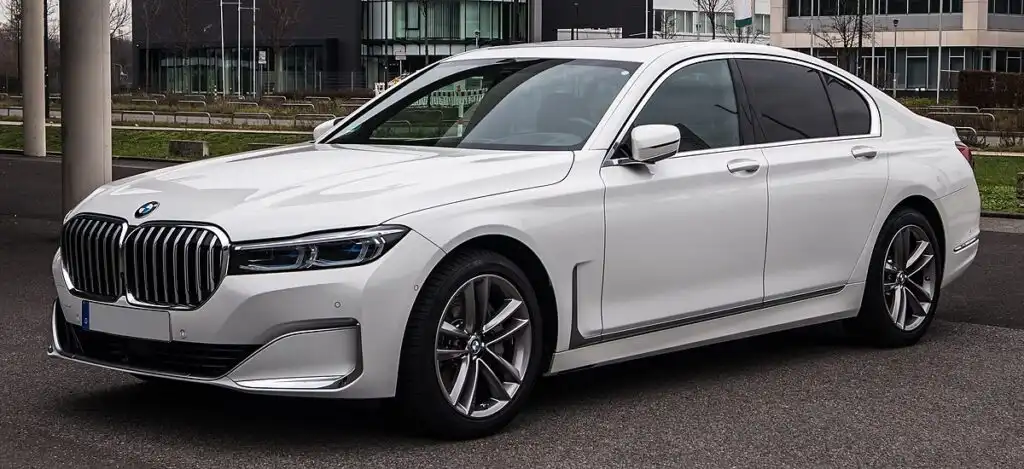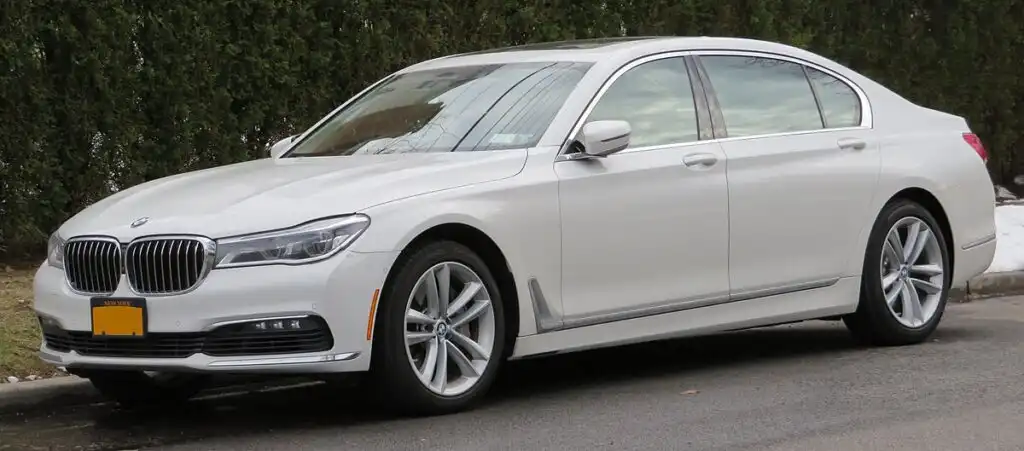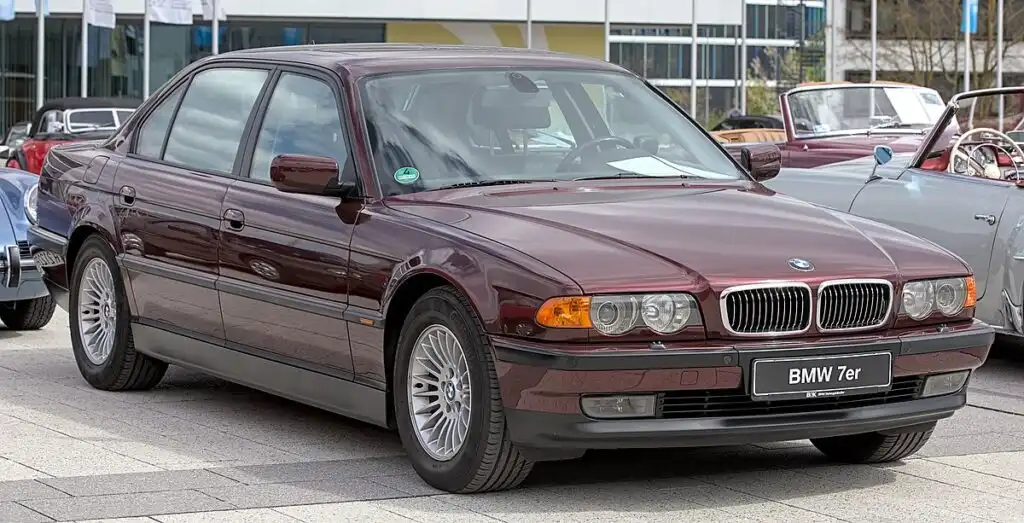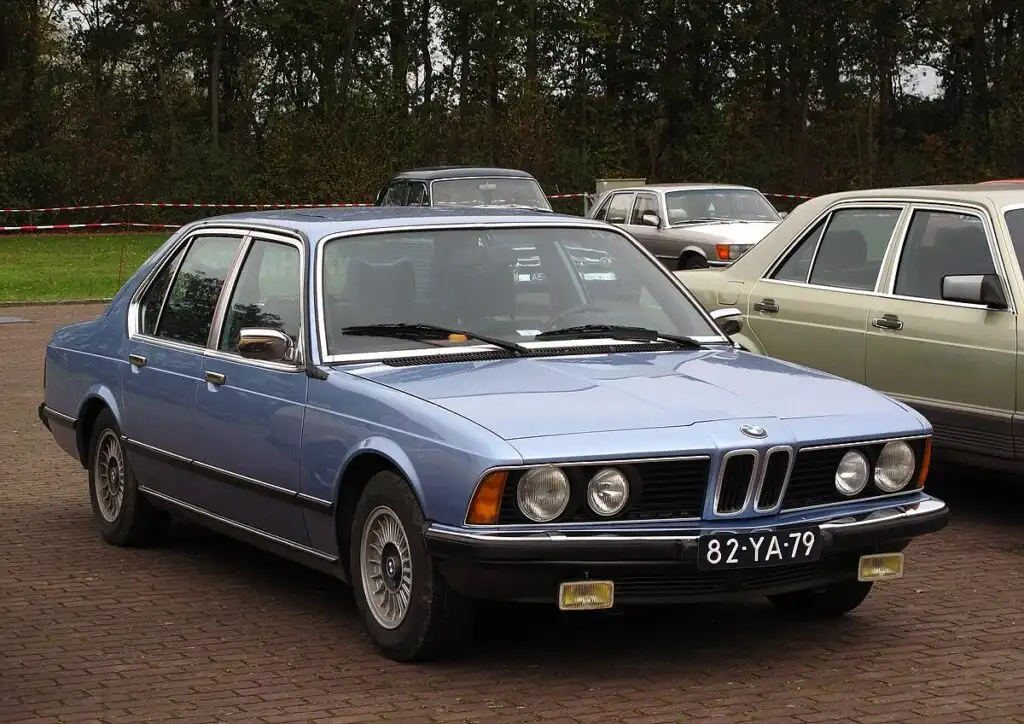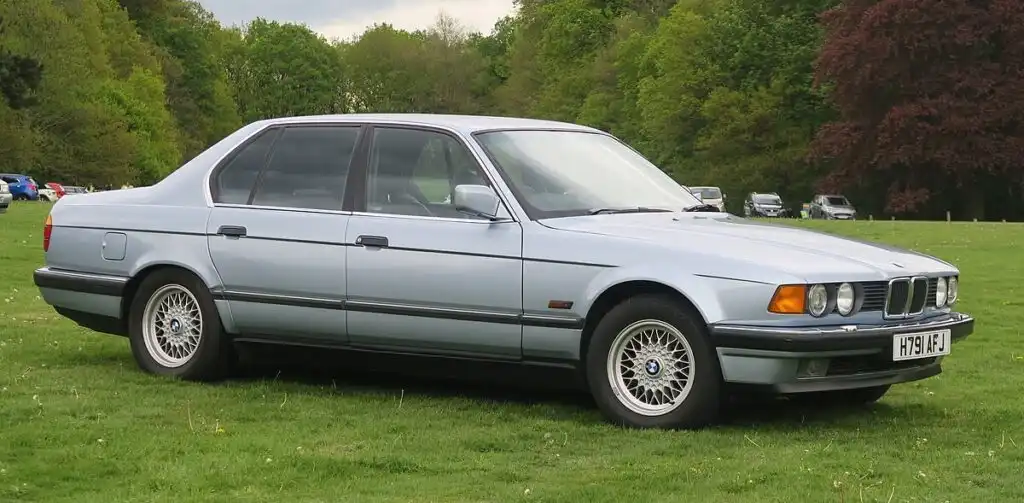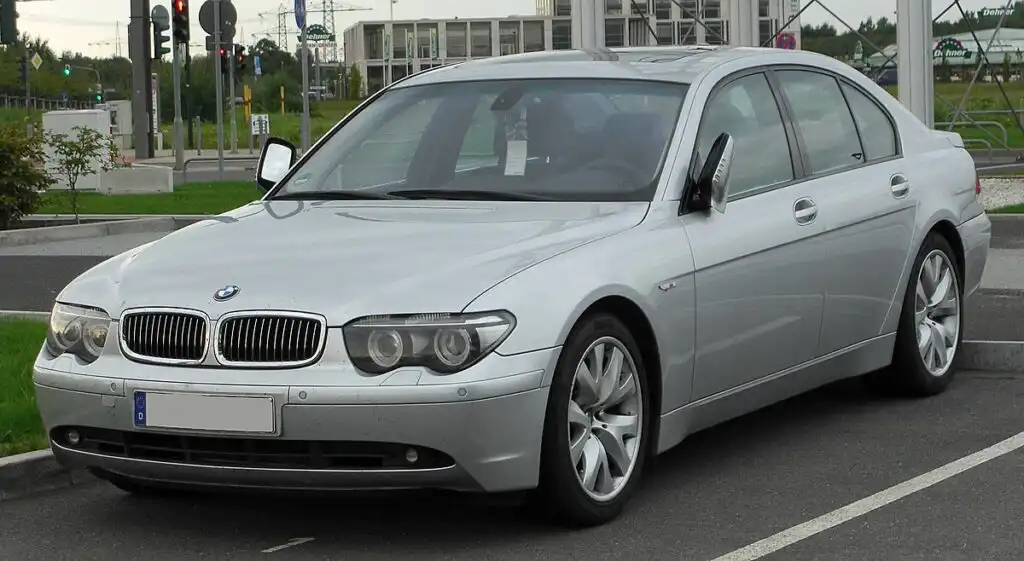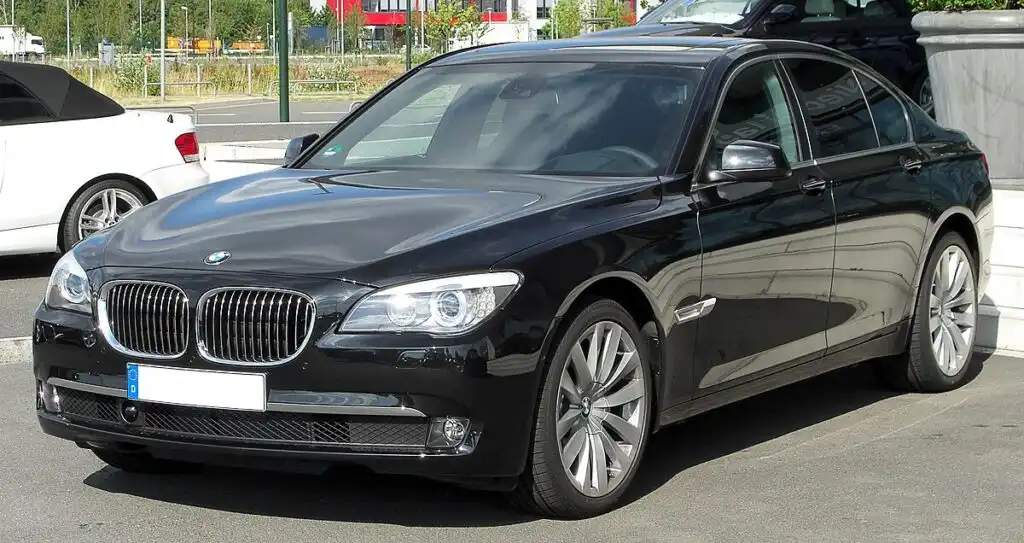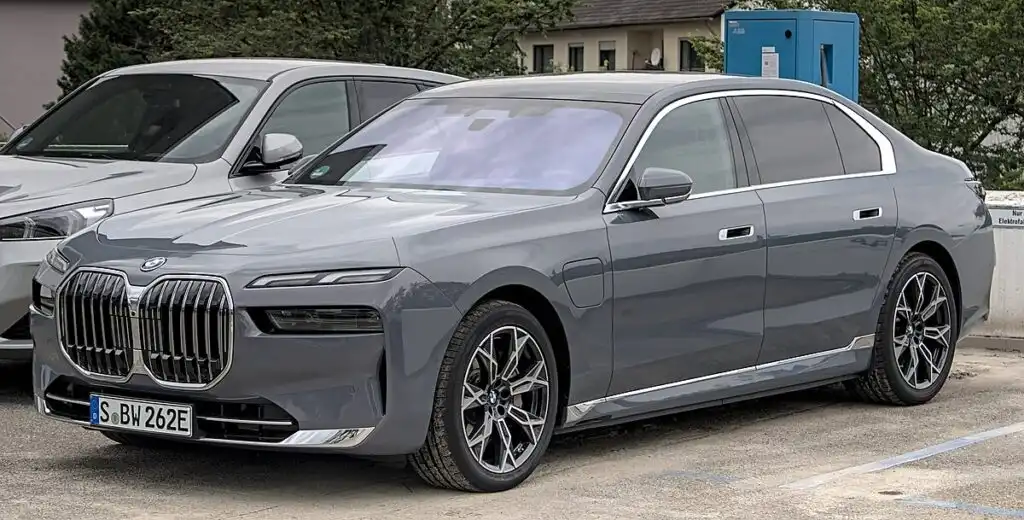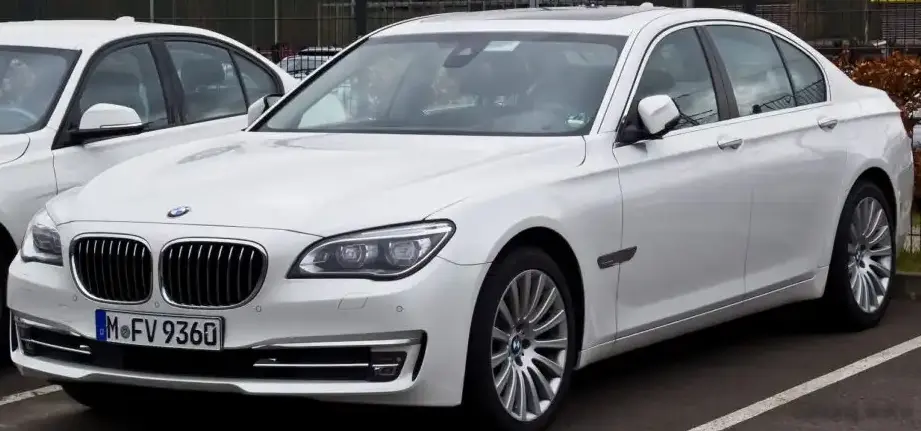
The BMW 730i, part of the F01 LCI (Life Cycle Impulse) facelift generation of the 7 Series produced from 2012 to 2015, represented a key entry point into BMW’s flagship sedan range. Positioned below the 740i and 750i models, the 730i offered a blend of luxury, performance, and efficiency aimed at buyers prioritizing a comfortable driving experience over outright speed. This variant was primarily sold in European and Asian markets, where smaller displacement engines were favored due to tax regulations and fuel costs. The F01 LCI brought styling updates, improved technology, and refined engine options compared to the initial F01 generation.
Technical Specifications
| Brand | BMW |
| Model | 7 Series |
| Generation | 7 Series (F01 LCI, facelift 2012) |
| Type (Engine) | 730i (258 Hp) Steptronic |
| Start of production | 2012 |
| End of production | 2015 |
| Powertrain Architecture | Internal Combustion engine |
| Body type | Sedan |
| Seats | 5 |
| Doors | 4 |
| Fuel consumption (economy) – urban | 12.4 l/100 km (19 US mpg, 22.8 UK mpg, 8.1 km/l) |
| Fuel consumption (economy) – extra urban | 6.3 l/100 km (37.3 US mpg, 44.8 UK mpg, 15.9 km/l) |
| Fuel consumption (economy) – combined | 8.6 l/100 km (27.4 US mpg, 32.8 UK mpg, 11.6 km/l) |
| CO2 emissions | 199 g/km |
| Fuel Type | Petrol (Gasoline) |
| Acceleration 0 – 100 km/h | 7.4 sec |
| Acceleration 0 – 62 mph | 7.4 sec |
| Acceleration 0 – 60 mph | 7 sec |
| Maximum speed | 250 km/h (155.34 mph), Electronically limited |
| Emission standard | Euro 5 |
| Weight-to-power ratio | 6.8 kg/Hp, 146.2 Hp/tonne |
| Weight-to-torque ratio | 5.7 kg/Nm, 175.6 Nm/tonne |
| Power | 258 Hp @ 6600 rpm |
| Torque | 310 Nm @ 2600-3000 rpm (228.64 lb.-ft. @ 2600-3000 rpm) |
| Engine layout | Front, Longitudinal |
| Engine Model/Code | N52B30 |
| Engine displacement | 2996 cm3 (182.83 cu. in.) |
| Number of cylinders | 6 |
| Engine configuration | Inline |
| Cylinder Bore | 85 mm (3.35 in.) |
| Piston Stroke | 88 mm (3.46 in.) |
| Compression ratio | 10.7:1 |
| Number of valves per cylinder | 4 |
| Fuel injection system | Multi-port manifold injection |
| Engine aspiration | Naturally aspirated engine |
| Valvetrain | DOHC, Double-VANOS |
| Engine oil capacity | 6.5 l (6.87 US qt | 5.72 UK qt) |
| Coolant | 8.1 l (8.56 US qt | 7.13 UK qt) |
| Kerb Weight | 1765 kg (3891.16 lbs.) |
| Max. weight | 2505 kg (5522.58 lbs.) |
| Max load | 740 kg (1631.42 lbs.) |
| Trunk (boot) space – minimum | 500 l (17.66 cu. ft.) |
| Fuel tank capacity | 80 l (21.13 US gal | 17.6 UK gal) |
| Max. roof load | 100 kg (220.46 lbs.) |
| Permitted trailer load with brakes (12%) | 2100 kg (4629.71 lbs.) |
| Permitted trailer load without brakes | 750 kg (1653.47 lbs.) |
| Permitted towbar download | 100 kg (220.46 lbs.) |
| Length | 5079 mm (199.96 in.) |
| Width | 1902 mm (74.88 in.) |
| Height | 1471 mm (57.91 in.) |
| Wheelbase | 3070 mm (120.87 in.) |
| Front track | 1611 mm (63.43 in.) |
| Rear (Back) track | 1650 mm (64.96 in.) |
| Front overhang | 866 mm (34.09 in.) |
| Rear overhang | 1143 mm (45 in.) |
| Ride height (ground clearance) | 152 mm (5.98 in.) |
| Drag coefficient (Cd) | 0.28 |
| Minimum turning circle (turning diameter) | 12.2 m (40.03 ft.) |
| Drivetrain Architecture | The Internal combustion engine (ICE) drives the rear wheels of the vehicle. |
| Drive wheel | Rear wheel drive |
| Number of gears and type of gearbox | 8 gears, automatic transmission Steptronic |
| Front suspension | Double wishbone |
| Rear suspension | Independent multi-link suspension, Air suspension |
| Front brakes | Ventilated discs |
| Rear brakes | Ventilated discs |
| Assisting systems | ABS (Anti-lock braking system) |
| Steering type | Steering rack and pinion |
| Power steering | Electric Steering |
| Tires size | 245/55 R17 |
| Wheel rims size | 8J x 17 |
Powertrain & Engine Architecture
The 730i was powered by the N52B30, a 3.0-liter inline-six cylinder engine. This engine was a naturally aspirated powerplant known for its smooth operation and relatively high specific output. The N52 featured Double-VANOS, BMW’s variable valve timing system for both intake and exhaust valves, optimizing performance and efficiency across the rev range. Fuel delivery was handled by a multi-port fuel injection system. The engine produced 258 horsepower at 6600 rpm and 310 Nm (228.64 lb-ft) of torque between 2600 and 3000 rpm. Paired with the engine was BMW’s 8-speed Steptronic automatic transmission. This transmission offered smooth shifts and a wide range of gear ratios, contributing to both fuel economy and responsive acceleration. The transmission could be operated in automatic mode or manually shifted via steering wheel-mounted paddles or the gear selector.
Driving Characteristics
The 730i, with its 3.0-liter engine and 8-speed automatic, provided a comfortable and refined driving experience. While not as overtly sporty as the 740i or 750i, it offered sufficient power for everyday driving and highway cruising. Acceleration from 0 to 60 mph took approximately 7 seconds. The automatic transmission was well-tuned, providing seamless gear changes and contributing to a relaxed driving style. Compared to the manual transmission options available on other 7 Series models, the automatic prioritized comfort and ease of use over driver engagement. The gear ratios were optimized for fuel efficiency, particularly at highway speeds. The 730i’s weight and suspension tuning focused on providing a smooth ride, absorbing bumps and imperfections in the road effectively.
Equipment & Trim Levels
The 730i came standard with a comprehensive list of luxury features. Standard equipment typically included leather upholstery, power-adjustable front seats with memory function, a premium sound system, a navigation system, automatic climate control, and a sunroof. Optional extras included upgraded leather options, rear-seat entertainment systems, active steering, and various driver-assistance features like lane departure warning and adaptive cruise control. The interior design was characterized by high-quality materials and a focus on creating a comfortable and sophisticated cabin environment. Dashboard configuration was typical of the F01 LCI, featuring a central information display and intuitive controls.
Chassis & Braking
The 730i utilized a double wishbone front suspension and an independent multi-link rear suspension, often paired with air suspension for enhanced ride comfort. The air suspension allowed for adjustable ride height and damping, further improving ride quality. Braking duties were handled by ventilated disc brakes on all four wheels, providing ample stopping power. The car was equipped with ABS (Anti-lock Braking System) and electronic stability control as standard safety features. The suspension was tuned to prioritize comfort and stability, rather than outright sportiness, reflecting the 730i’s positioning as a luxury cruiser.
Market Reception & Comparison
The 730i was generally well-received by automotive critics as a sensible and refined entry point into the 7 Series range. It was praised for its comfortable ride, quiet cabin, and fuel efficiency. However, some reviewers noted that its performance was not as exhilarating as the higher-powered models. Compared to the 740i, which featured a turbocharged inline-six engine, the 730i offered less power and torque. The 750i, with its V8 engine, provided significantly more performance but at a higher price point and with increased fuel consumption. The 730i’s fuel economy was a key selling point, particularly in markets with high fuel taxes. Its reliability was generally considered good, although maintenance costs for a luxury vehicle of this caliber remained relatively high.
Legacy
The BMW 730i (F01 LCI) has established itself as a reliable and comfortable luxury sedan in the used car market. The N52B30 engine is known for its durability, although regular maintenance is crucial to prevent issues such as oil leaks and VANOS system malfunctions. The 8-speed Steptronic transmission has also proven to be robust. Today, these vehicles offer a relatively affordable way to experience BMW’s flagship luxury and technology. While not the fastest or most prestigious 7 Series variant, the 730i provides a compelling combination of comfort, refinement, and value for buyers seeking a well-equipped and reliable luxury sedan.