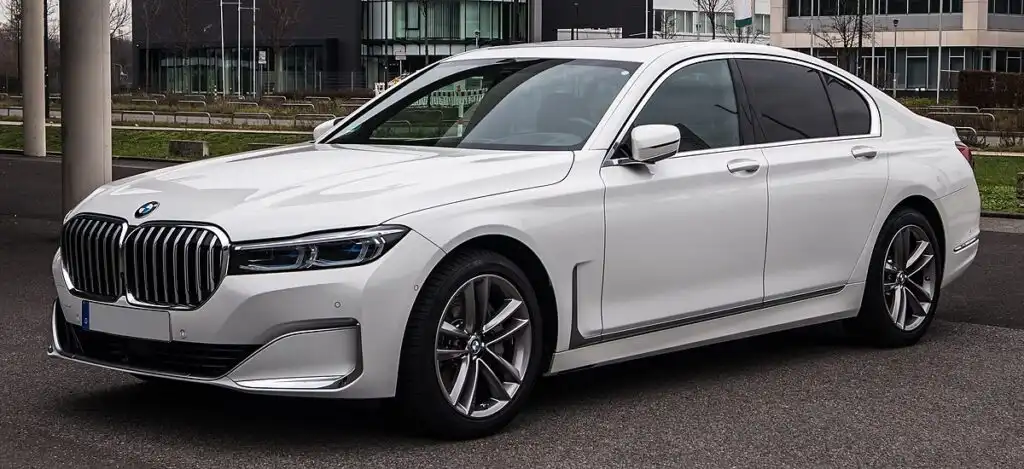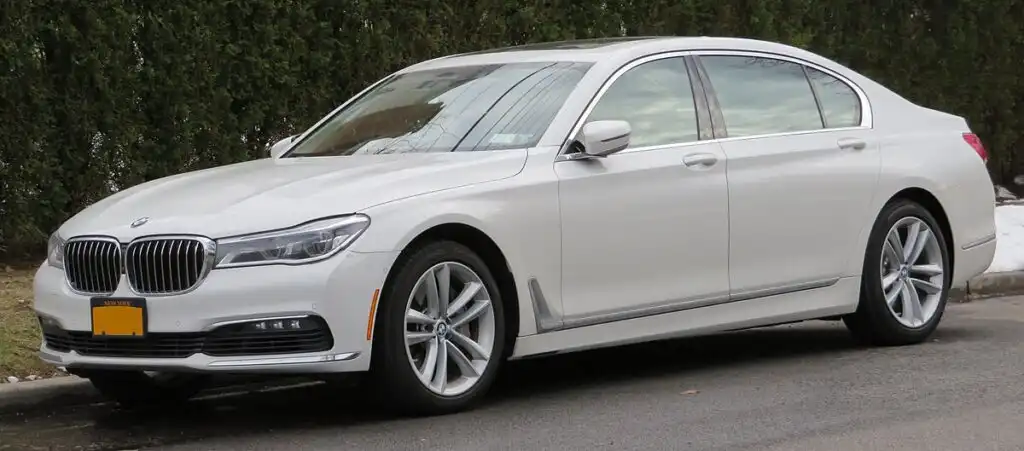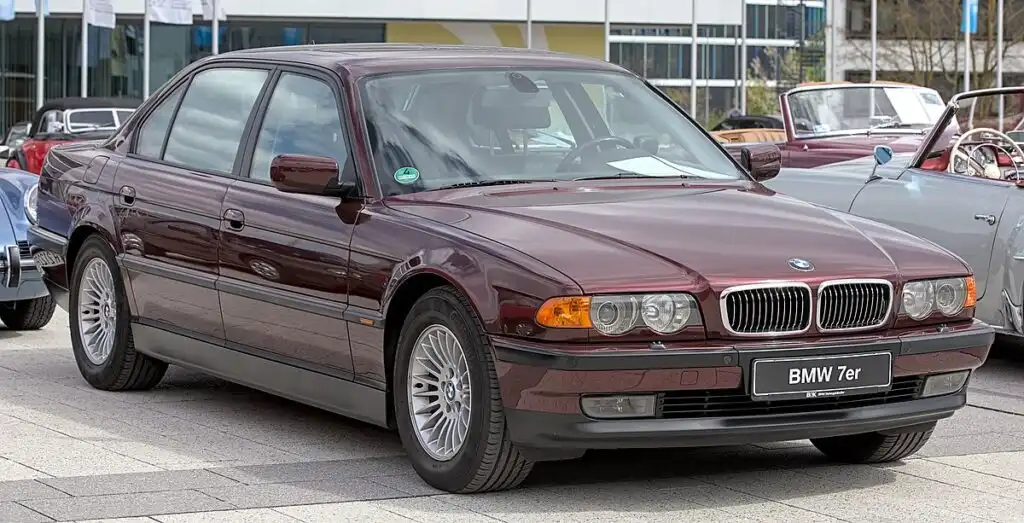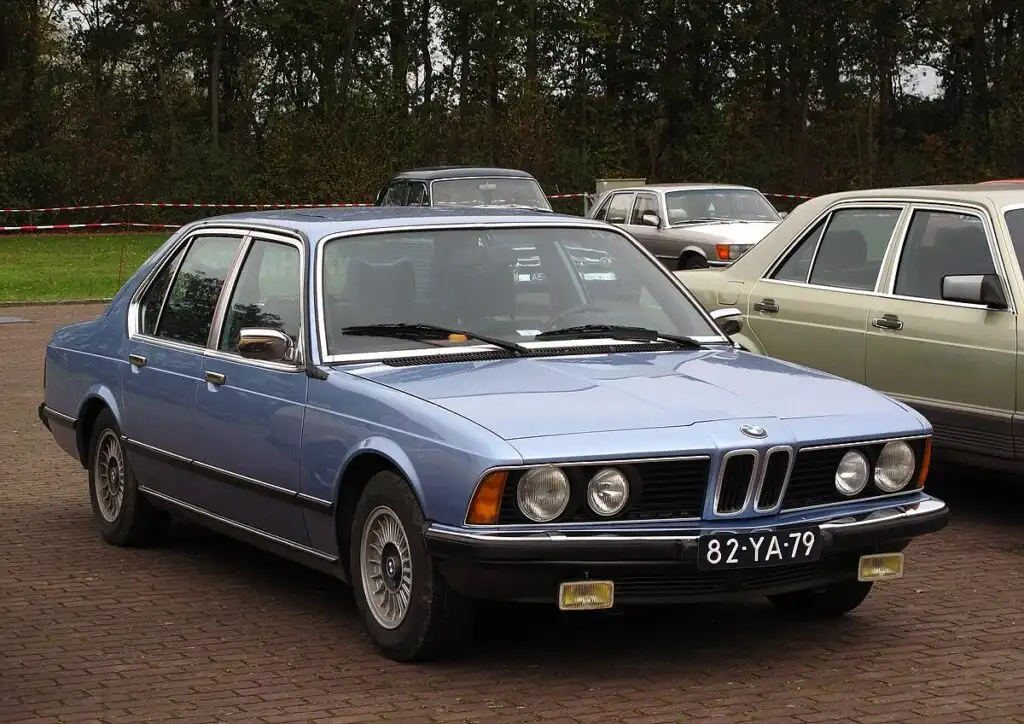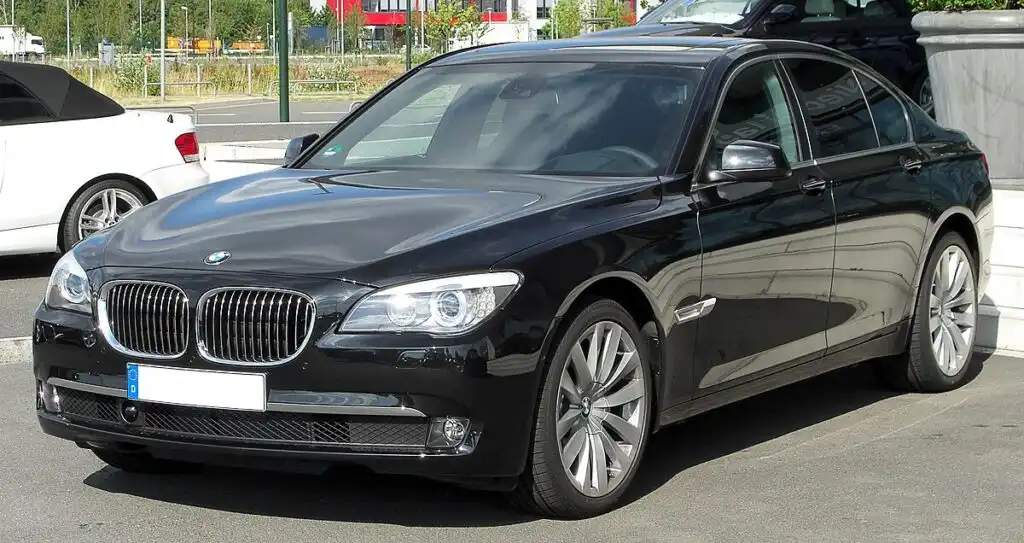
The BMW 750d xDrive, produced between 2012 and 2015 as part of the F01 LCI (Life Cycle Impulse) facelift of the seventh-generation 7 Series, represented a significant offering in the large luxury sedan segment. This variant combined a potent diesel engine with BMW’s xDrive all-wheel-drive system and the Steptronic automatic transmission, aiming to deliver both performance and efficiency. Positioned as a high-end trim, the 750d sat near the top of the 7 Series range, below only the flagship V12-powered 760i. It was primarily marketed in Europe and other regions where diesel engines were favored for their fuel economy and torque characteristics, though a limited number were imported to the United States as grey market vehicles.
Technical Specifications
| Brand | BMW |
| Model | 7 Series |
| Generation | 7 Series (F01 LCI, facelift 2012) |
| Type (Engine) | 750d (381 Hp) xDrive Steptronic |
| Start of production | 2012 |
| End of production | 2015 |
| Powertrain Architecture | Internal Combustion engine |
| Body type | Sedan |
| Seats | 5 |
| Doors | 4 |
| Fuel consumption (urban) | 7.3 l/100 km (32.2 US mpg) |
| Fuel consumption (extra urban) | 5.9 l/100 km (39.9 US mpg) |
| Fuel consumption (combined) | 6.4 l/100 km (36.8 US mpg) |
| Fuel Type | Diesel |
| Acceleration 0 – 100 km/h | 4.9 sec |
| Acceleration 0 – 62 mph | 4.9 sec |
| Acceleration 0 – 60 mph | 4.7 sec |
| Maximum speed | 250 km/h (155.34 mph) |
| Weight-to-power ratio | 5.4 kg/Hp |
| Weight-to-torque ratio | 2.8 kg/Nm |
| Power | 381 Hp @ 4000-4400 rpm |
| Torque | 740 Nm @ 2000 rpm (545.8 lb.-ft. @ 2000 rpm) |
| Engine layout | Front, Longitudinal |
| Engine Model/Code | N57D30C |
| Engine displacement | 2993 cm3 (182.64 cu. in.) |
| Number of cylinders | 6 |
| Engine configuration | Inline |
| Cylinder Bore | 84 mm (3.31 in.) |
| Piston Stroke | 90 mm (3.54 in.) |
| Compression ratio | 16.5:1 |
| Number of valves per cylinder | 4 |
| Fuel injection system | Diesel Commonrail |
| Engine aspiration | Turbocharger, Intercooler |
| Engine oil capacity | 6.5 l (6.87 US qt | 5.72 UK qt) |
| Coolant | 11.9 l (12.57 US qt | 10.47 UK qt) |
| Kerb Weight | 2070 kg (4563.57 lbs.) |
| Max. weight | 2635 kg (5809.18 lbs.) |
| Max load | 565 kg (1245.61 lbs.) |
| Fuel tank capacity | 80 l (21.13 US gal | 17.6 UK gal) |
| Length | 5079 mm (199.96 in.) |
| Width | 1902 mm (74.88 in.) |
| Height | 1471 mm (57.91 in.) |
| Wheelbase | 3070 mm (120.87 in.) |
| Front track | 1611 mm (63.43 in.) |
| Rear track | 1650 mm (64.96 in.) |
| Drive wheel | All wheel drive (4×4) |
| Number of gears | 8 |
| Gearbox type | automatic transmission Steptronic |
| Front brakes | Ventilated discs |
| Rear brakes | Ventilated discs |
| Assisting systems | ABS (Anti-lock braking system) |
| Steering type | Steering rack and pinion |
| Tires size | 245/50 R18 100Y |
| Wheel rims size | 8J x 18 |
Powertrain & Engine Architecture
The heart of the 750d xDrive was the N57D30C, a 3.0-liter inline-six diesel engine. This engine was a highly refined unit, featuring common-rail direct injection, a variable geometry turbocharger, and intercooling. The N57 family of engines were known for their robust construction and ability to handle significant power output. The N57D30C specifically produced 381 horsepower at 4000-4400 rpm and a substantial 740 Nm (545.8 lb-ft) of torque at just 2000 rpm. This high torque output was a key characteristic of the engine, providing effortless acceleration and strong pulling power. The engine utilized four valves per cylinder and a compression ratio of 16.5:1. The Steptronic 8-speed automatic transmission was specifically tuned to complement the engine’s torque curve, offering smooth and responsive shifts. The transmission featured adaptive shift programs, allowing it to adjust to the driver’s style and road conditions.
Driving Characteristics
The 750d xDrive offered a unique driving experience. The abundant torque from the diesel engine meant that the car felt remarkably quick in everyday driving situations. Acceleration from a standstill to 60 mph was achieved in approximately 4.7-4.9 seconds, making it competitive with many gasoline-powered performance sedans. While not as rev-happy as a gasoline engine, the N57D30C provided a broad and usable powerband. The xDrive all-wheel-drive system ensured excellent traction in all weather conditions, enhancing stability and confidence. Compared to the 730d or 740d variants, the 750d offered a noticeable performance upgrade. The higher output engine and more aggressive transmission tuning resulted in a more engaging and dynamic driving experience. However, it didn’t possess the outright sporting character of the gasoline-powered 750i.
Equipment & Trim Levels
The 750d xDrive was typically well-equipped, reflecting its position as a premium model. Standard features included leather upholstery, power-adjustable heated front seats, a premium sound system, a navigation system, and a comprehensive suite of safety features. The LCI facelift brought updated interior trim options and improved infotainment systems. Optional extras included rear-seat entertainment, massaging seats, a panoramic sunroof, and advanced driver-assistance systems such as adaptive cruise control and lane-keeping assist. Interior color schemes were customizable, with a range of leather and wood trim options available. The dashboard layout was typical of BMW at the time, with a driver-focused design and intuitive controls.
Chassis & Braking
The F01 LCI 7 Series featured a sophisticated chassis design, incorporating double-wishbone front suspension and integral-arm rear suspension. The suspension was tuned to provide a comfortable ride while maintaining good handling characteristics. The 750d xDrive typically came equipped with ventilated disc brakes on all four wheels, providing ample stopping power. Anti-lock braking system (ABS) and electronic stability control (ESC) were standard features. The xDrive all-wheel-drive system distributed power between the front and rear axles as needed, optimizing traction and stability. The steering was a rack-and-pinion system with power assistance, offering precise and responsive control.
Market Reception & Comparison
The 750d xDrive was generally well-received by automotive critics, who praised its combination of performance, efficiency, and luxury. The diesel engine was lauded for its smooth operation and impressive torque output. Fuel economy was a significant selling point, particularly in Europe, where diesel fuel was often cheaper than gasoline. Compared to the gasoline-powered 750i, the 750d offered comparable performance with significantly better fuel economy. However, some critics noted that the diesel engine lacked the refinement and responsiveness of the gasoline counterpart. Reliability was generally good, although diesel engines can be more susceptible to issues with the fuel injection system and diesel particulate filter (DPF) over time.
Legacy
The BMW 750d xDrive (F01 LCI) represents a compelling example of BMW’s engineering prowess. The N57D30C engine proved to be a durable and reliable powerplant, and many examples remain on the road today. On the used car market, the 750d xDrive typically commands a premium over the lower-trim 7 Series models, reflecting its higher performance and more luxurious features. While diesel emissions regulations have become stricter in recent years, the 750d remains a desirable option for those seeking a luxurious and efficient grand tourer. The combination of a powerful diesel engine, all-wheel drive, and a well-appointed interior continues to appeal to discerning buyers.