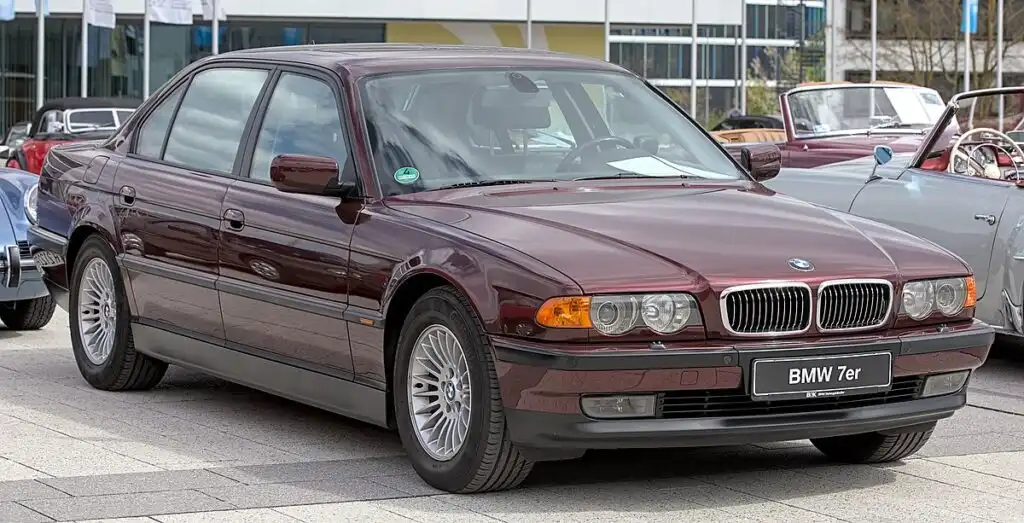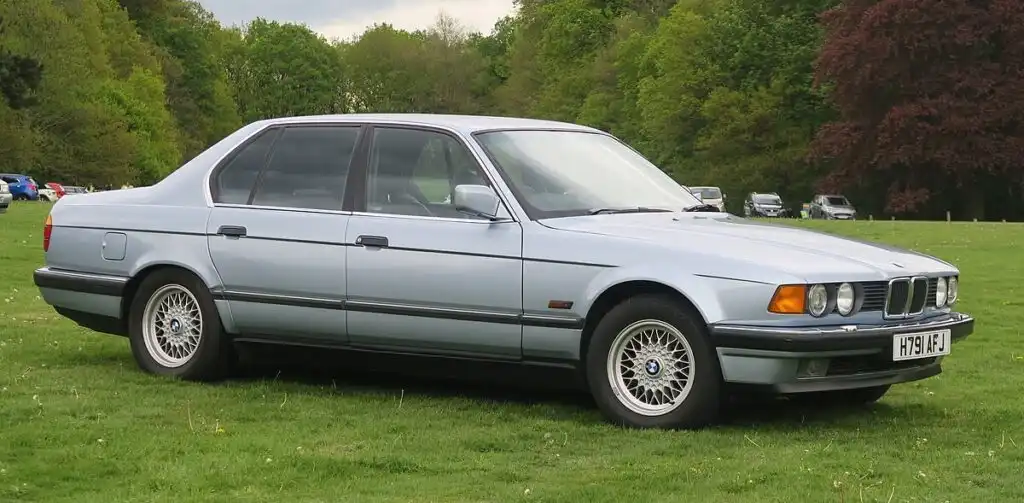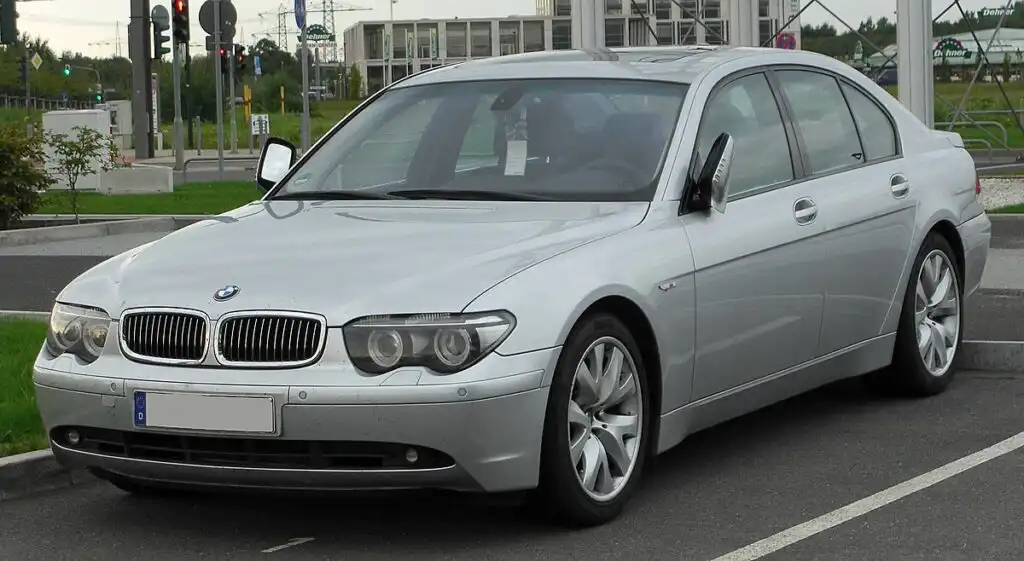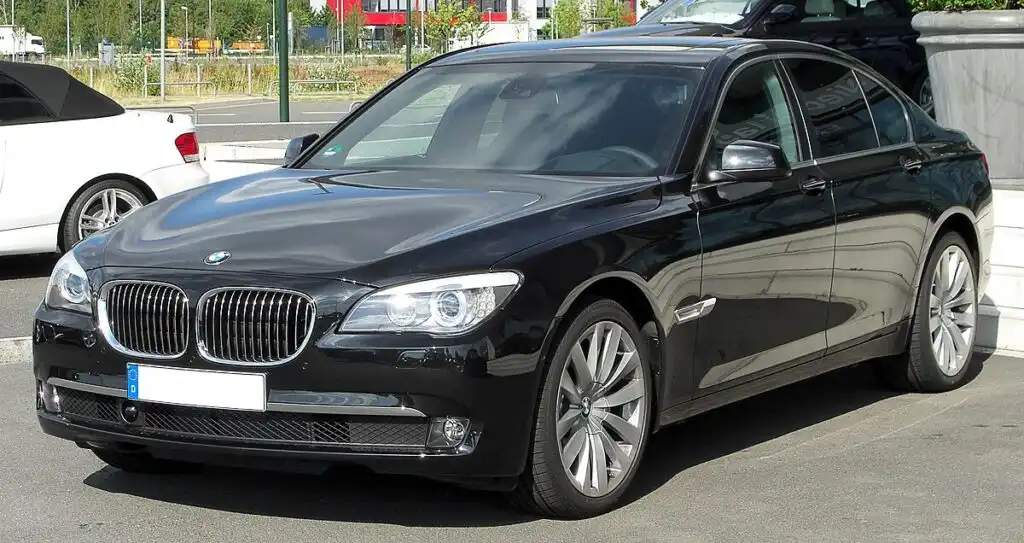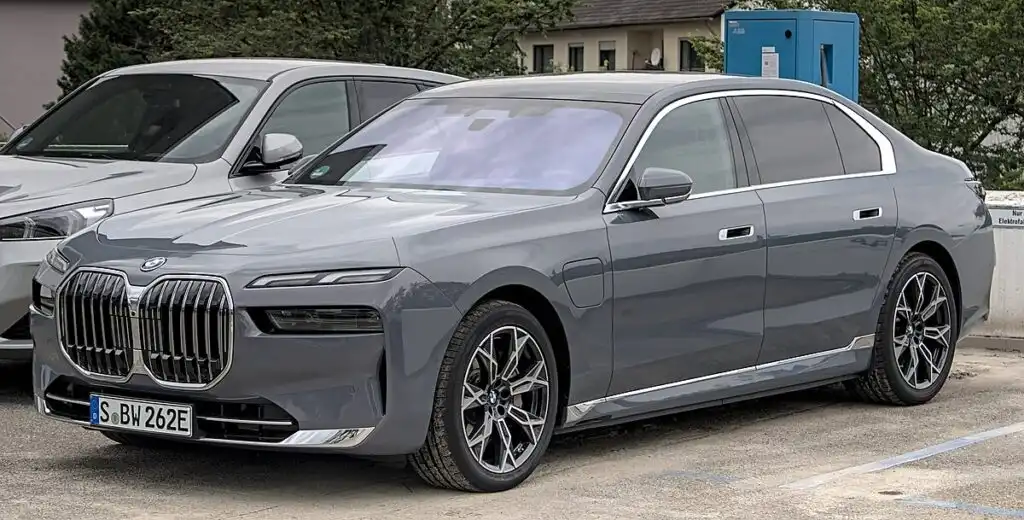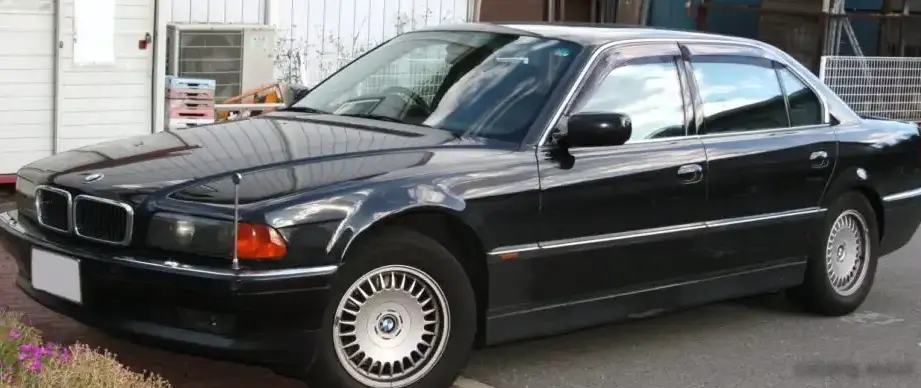
The BMW 730iL, produced between 1994 and 1996, was a long-wheelbase variant of the E38 generation 7 Series. Positioned as an entry-level offering within the luxurious 7 Series lineup, the 730iL aimed to provide a comfortable and spacious experience with a focus on refinement rather than outright performance. It was primarily marketed towards buyers seeking the prestige of a 7 Series without the higher price tag of the V12 or more powerful inline-six models. The “L” designation signified the extended wheelbase, adding approximately 80mm (3.1 inches) to the standard 730i, primarily benefiting rear passenger legroom. This model was significant as it introduced a more accessible price point to the flagship BMW sedan, broadening its appeal.
Technical Specifications
| Brand | BMW |
| Model | 7 Series |
| Generation | 7 Series Long (E38) |
| Type (Engine) | 730iL (218 Hp) |
| Start of production | 1994 |
| End of production | 1996 |
| Powertrain Architecture | Internal Combustion engine |
| Body type | Sedan |
| Seats | 5 |
| Doors | 4 |
| Fuel consumption (economy) – urban | 14.9 l/100 km (15.8 US mpg, 19 UK mpg, 6.7 km/l) |
| Fuel consumption (economy) – extra urban | 8 l/100 km (29.4 US mpg, 35.3 UK mpg, 12.5 km/l) |
| Fuel consumption (economy) – combined | 10.8 l/100 km (21.8 US mpg, 26.2 UK mpg, 9.3 km/l) |
| Fuel Type | Petrol (Gasoline) |
| Acceleration 0 – 100 km/h | 8.3 sec |
| Acceleration 0 – 62 mph | 8.3 sec |
| Acceleration 0 – 60 mph | 7.9 sec |
| Maximum speed | 235 km/h (146.02 mph) |
| Weight-to-power ratio | 8 kg/Hp, 124.6 Hp/tonne |
| Weight-to-torque ratio | 6 kg/Nm, 165.7 Nm/tonne |
| Power | 218 Hp @ 5800 rpm |
| Power per litre | 72.7 Hp/l |
| Torque | 290 Nm @ 4500 rpm (213.89 lb.-ft. @ 4500 rpm) |
| Engine layout | Front, Longitudinal |
| Engine Model/Code | M60B30 |
| Engine displacement | 2997 cm3 (182.89 cu. in.) |
| Number of cylinders | 8 |
| Engine configuration | V-engine |
| Cylinder Bore | 84 mm (3.31 in.) |
| Piston Stroke | 67.6 mm (2.66 in.) |
| Compression ratio | 10.5:1 |
| Number of valves per cylinder | 4 |
| Fuel injection system | Multi-port manifold injection |
| Engine aspiration | Naturally aspirated engine |
| Valvetrain | DOHC |
| Engine oil capacity | 7.5 l (7.93 US qt | 6.6 UK qt) |
| Coolant | 12.5 l (13.21 US qt | 11 UK qt) |
| Kerb Weight | 1750 kg (3858.09 lbs.) |
| Max. weight | 2285 kg (5037.56 lbs.) |
| Max load | 535 kg (1179.47 lbs.) |
| Trunk (boot) space – minimum | 500 l (17.66 cu. ft.) |
| Fuel tank capacity | 85 l (22.45 US gal | 18.7 UK gal) |
| Length | 5124 mm (201.73 in.) |
| Width | 1862 mm (73.31 in.) |
| Height | 1425 mm (56.1 in.) |
| Wheelbase | 3070 mm (120.87 in.) |
| Front track | 1552 mm (61.1 in.) |
| Rear (Back) track | 1568 mm (61.73 in.) |
| Drag coefficient (Cd) | 0.30 |
| Minimum turning circle (turning diameter) | 12.2 m (40.03 ft.) |
| Drivetrain Architecture | The Internal combustion engine (ICE) drives the rear wheels of the vehicle. |
| Drive wheel | Rear wheel drive |
| Number of gears and type of gearbox | 5 gears, manual transmission |
| Front suspension | Wishbone |
| Rear suspension | Inclined Lever |
| Front brakes | Ventilated discs |
| Rear brakes | Disc |
| Assisting systems | ABS (Anti-lock braking system) |
| Steering type | Steering rack and pinion |
| Power steering | Hydraulic Steering |
| Tires size | 215/65 R16 |
| Wheel rims size | 16 |
Powertrain & Engine Architecture
The 730iL was powered by the M60B30, a 3.0-liter naturally aspirated V8 engine. This engine, part of BMW’s M60 family, featured a 60-degree V-angle and utilized aluminum alloy cylinder heads and block. The M60B30 employed multi-port fuel injection and a double overhead camshaft (DOHC) valvetrain with four valves per cylinder. This configuration allowed for a relatively high power output for its displacement. The engine produced 218 horsepower at 5800 rpm and 290 Nm (213.89 lb-ft) of torque at 4500 rpm. The 5-speed manual transmission was standard, providing a direct connection between the engine and the rear wheels. The engine’s longitudinal mounting and rear-wheel-drive layout were typical for BMW sedans of the era.
Driving Characteristics
The 730iL, with its 3.0-liter V8 and manual transmission, offered a balanced driving experience. While not as overtly sporty as the higher-powered 740i or 750iL models, it provided ample power for comfortable cruising and confident overtaking. The manual gearbox allowed for greater driver engagement, but the long wheelbase and substantial weight (1750 kg / 3858.09 lbs) meant it wasn’t a particularly nimble car. Acceleration from 0 to 60 mph took approximately 7.9 seconds, and the top speed was electronically limited to 235 km/h (146.02 mph). The gear ratios were tuned for relaxed highway driving, with a focus on smooth power delivery rather than aggressive acceleration. Compared to the automatic transmission options available in other 7 Series models, the manual version offered a more direct and responsive feel.
Equipment & Trim Levels
The 730iL came standard with a comprehensive list of features befitting a luxury sedan. These included leather upholstery, power-adjustable front seats with memory function, automatic climate control, a premium sound system, and power windows and locks. The extended wheelbase provided significantly more rear legroom than the standard 730i, enhancing the comfort for rear passengers. Optional extras included a sunroof, upgraded sound systems, rear seat entertainment, and various trim options. The interior design was characterized by its understated elegance and high-quality materials. The dashboard layout was clean and functional, with a focus on ease of use.
Chassis & Braking
The E38 7 Series featured an independent suspension system with wishbone front suspension and an inclined lever rear suspension. This setup provided a comfortable ride and good handling characteristics. The 730iL was equipped with ventilated disc brakes at the front and solid disc brakes at the rear. Anti-lock braking system (ABS) was standard, enhancing braking performance and stability. The steering was a rack-and-pinion system with hydraulic power assistance, providing precise and responsive steering feel. The standard tire size was 215/65 R16, mounted on 16-inch alloy wheels.
Market Reception & Comparison
The 730iL was generally well-received by automotive critics, who praised its spacious interior, comfortable ride, and refined driving experience. However, some reviewers noted that its performance was not as exhilarating as that of the more powerful 7 Series models. Compared to the 740i, which featured a larger inline-six engine, the 730iL offered a smoother and more refined power delivery, but lacked the same level of outright acceleration. Fuel economy was reasonable for a V8-powered luxury sedan, averaging around 21.8 US mpg in combined driving. Reliability was generally good, although maintenance costs could be high due to the complexity of the engine and the vehicle’s numerous electronic systems.
Legacy
The E38 730iL remains a sought-after classic among BMW enthusiasts. The M60B30 engine is known for its durability and relatively straightforward maintenance, although age-related issues such as oil leaks and sensor failures are common. The extended wheelbase and luxurious interior make it a particularly appealing option for those seeking a comfortable and spacious classic sedan. While not as collectible as the V12-powered 750iL, the 730iL offers a compelling combination of luxury, performance, and value in the used car market. Its introduction helped broaden the appeal of the E38 7 Series, making it accessible to a wider range of buyers.