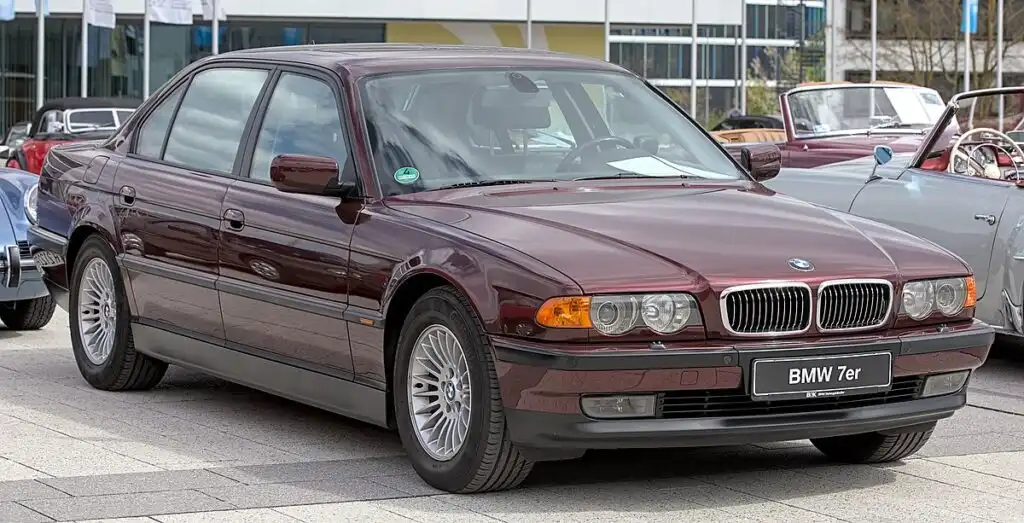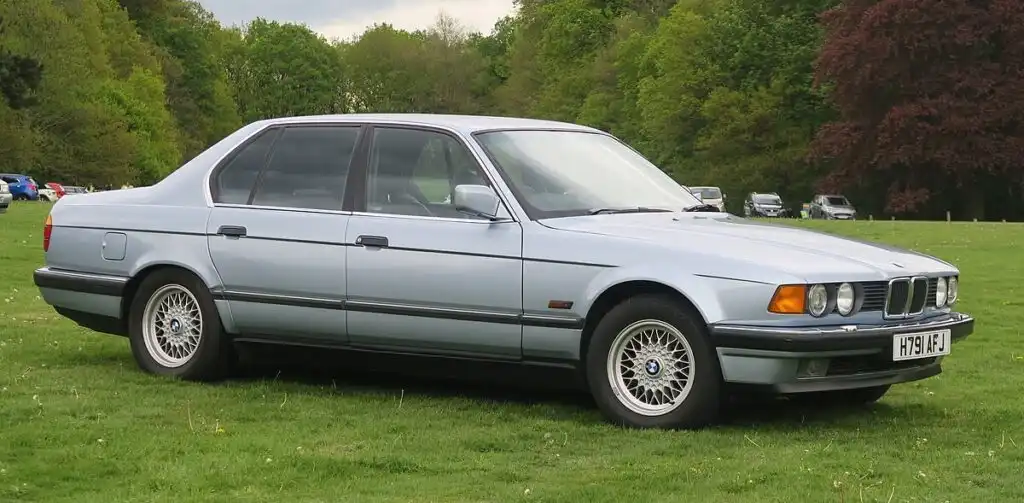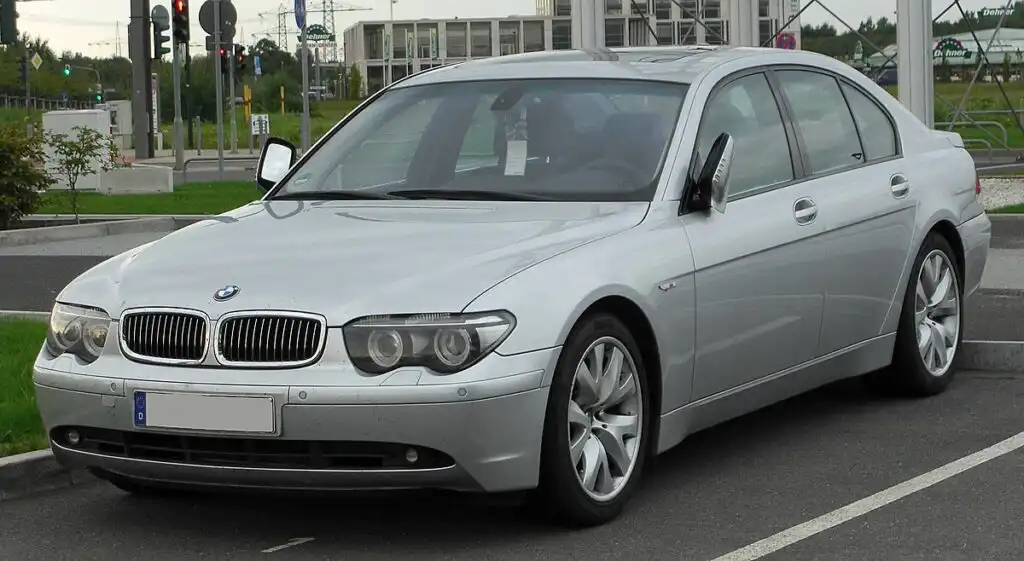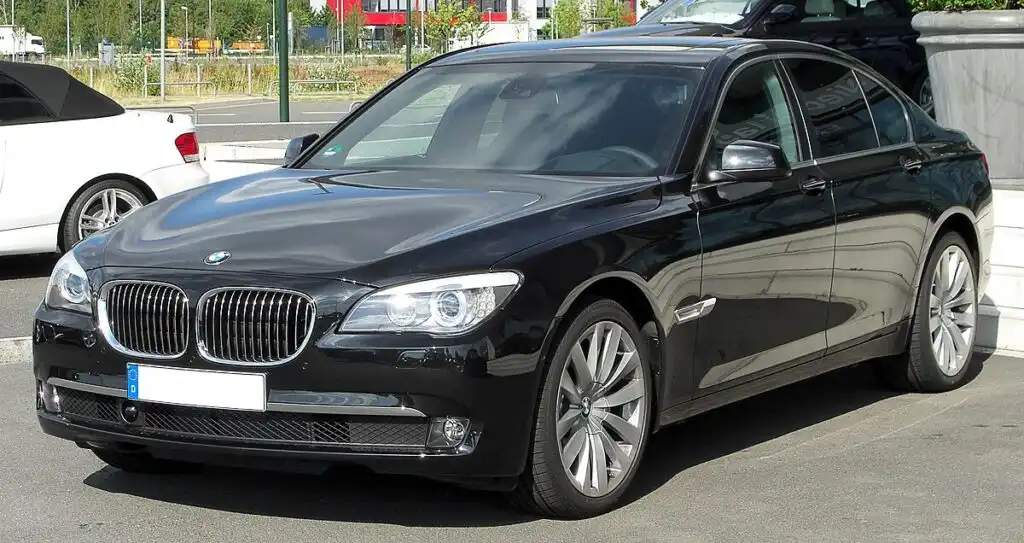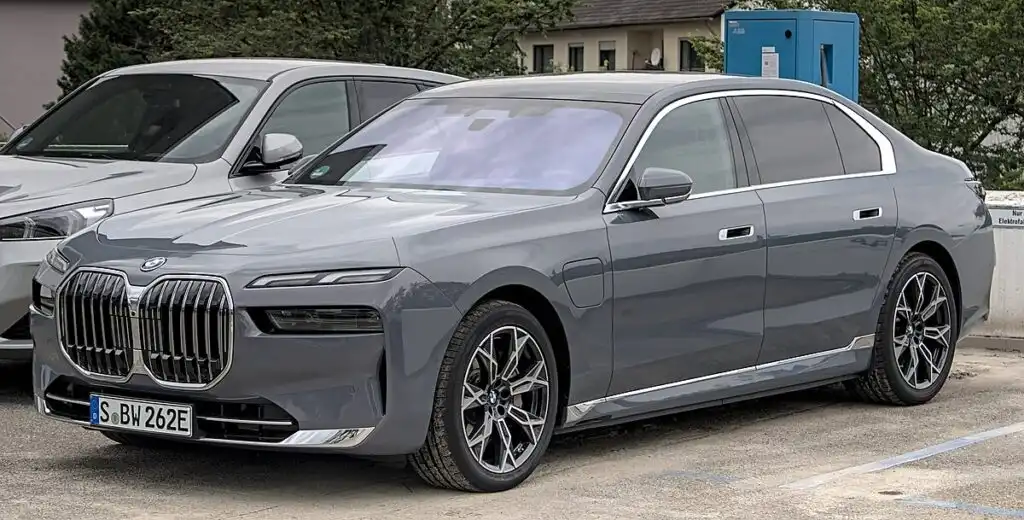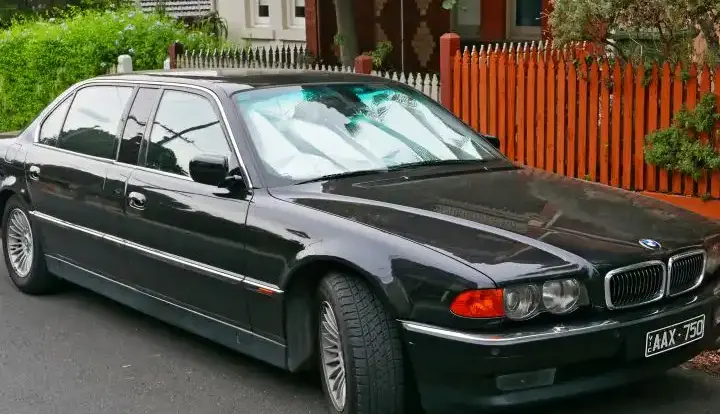
The BMW 750iL, part of the E38 7 Series “Long” wheelbase generation produced from 1998 to 2001, represented the pinnacle of BMW’s luxury sedan offerings. This facelifted version of the E38, introduced in 1998, refined the already sophisticated design and incorporated updated technology. The 750iL, equipped with the M73B54 5.4-liter V12 engine and a 5-speed Steptronic automatic transmission, was positioned as the flagship model, offering a blend of immense power, opulent comfort, and advanced features. It catered to buyers seeking the ultimate in luxury and performance, often serving as a statement of success and technological prowess.
Technical Specifications
| Brand | BMW |
| Model | 7 Series |
| Generation | 7 Series Long (E38, facelift 1998) |
| Type (Engine) | 750iL (326 Hp) Steptronic |
| Start of production | 1998 |
| End of production | 2001 |
| Powertrain Architecture | Internal Combustion engine |
| Body type | Sedan |
| Seats | 5 |
| Doors | 4 |
| Fuel consumption (economy) – urban | 19.6 l/100 km (12 US mpg, 14.4 UK mpg, 5.1 km/l) |
| Fuel consumption (economy) – extra urban | 10.1 l/100 km (23.3 US mpg, 28 UK mpg, 9.9 km/l) |
| Fuel consumption (economy) – combined | 13.6 l/100 km (17.3 US mpg, 20.8 UK mpg, 7.4 km/l) |
| Fuel Type | Petrol (Gasoline) |
| Acceleration 0 – 100 km/h | 6.6 sec |
| Acceleration 0 – 62 mph | 6.6 sec |
| Acceleration 0 – 60 mph | 6.3 sec |
| Maximum speed | 250 km/h (155.34 mph) |
| Weight-to-power ratio | 6.1 kg/Hp, 163.4 Hp/tonne |
| Weight-to-torque ratio | 4.1 kg/Nm, 245.6 Nm/tonne |
| Power | 326 Hp @ 5000 rpm |
| Power per litre | 60.6 Hp/l |
| Torque | 490 Nm @ 3900 rpm (361.41 lb.-ft. @ 3900 rpm) |
| Engine layout | Front, Longitudinal |
| Engine Model/Code | M73B54 |
| Engine displacement | 5379 cm3 (328.25 cu. in.) |
| Number of cylinders | 12 |
| Engine configuration | V-engine |
| Cylinder Bore | 85 mm (3.35 in.) |
| Piston Stroke | 79 mm (3.11 in.) |
| Compression ratio | 10:1 |
| Number of valves per cylinder | 4 |
| Fuel injection system | Multi-port manifold injection |
| Engine aspiration | Naturally aspirated engine |
| Valvetrain | SOHC |
| Engine oil capacity | 8 l (8.45 US qt | 7.04 UK qt) |
| Coolant | 13 l (13.74 US qt | 11.44 UK qt) |
| Kerb Weight | 1995 kg (4398.22 lbs.) |
| Max. weight | 2530 kg (5577.7 lbs.) |
| Max load | 535 kg (1179.47 lbs.) |
| Trunk (boot) space – minimum | 500 l (17.66 cu. ft.) |
| Fuel tank capacity | 95 l (25.1 US gal | 20.9 UK gal) |
| Length | 5124 mm (201.73 in.) |
| Width | 1862 mm (73.31 in.) |
| Height | 1425 mm (56.1 in.) |
| Wheelbase | 3070 mm (120.87 in.) |
| Front track | 1552 mm (61.1 in.) |
| Rear (Back) track | 1568 mm (61.73 in.) |
| Drag coefficient (Cd) | 0.32 |
| Minimum turning circle | 12.2 m (40.03 ft.) |
| Drivetrain Architecture | Rear wheel drive |
| Number of gears and type of gearbox | 5 gears, automatic transmission Steptronic |
| Front suspension | Wishbone |
| Rear suspension | Inclined Lever |
| Front brakes | Ventilated discs |
| Rear brakes | Disc |
| Assisting systems | ABS (Anti-lock braking system) |
| Steering type | Steering rack and pinion |
| Power steering | Hydraulic Steering |
| Tires size | 235/60 R16 |
| Wheel rims size | 16 |
Powertrain & Engine Architecture
The heart of the 750iL is the M73B54 5.4-liter V12 engine. This naturally aspirated powerplant featured aluminum alloy block and cylinder heads, a single overhead camshaft (SOHC) per bank, and four valves per cylinder. The M73 engine family was known for its smoothness and refinement, characteristics enhanced by its balanced V12 configuration. Fuel delivery was managed by a multi-port fuel injection system, providing precise control over the air-fuel mixture. The engine produced 326 horsepower at 5,000 rpm and a substantial 490 Nm (361 lb-ft) of torque at 3,900 rpm. Paired with this engine was a 5-speed Steptronic automatic transmission, BMW’s branded automatic with manual shift capabilities. This transmission was designed to provide both seamless automatic operation and driver control when desired. The Steptronic system allowed for both fully automatic shifting and the ability to manually select gears, offering a balance between convenience and engagement.
Driving Characteristics
The 750iL delivered a driving experience markedly different from its six-cylinder siblings. The V12 engine provided effortless acceleration, with a 0-60 mph time of around 6.3 seconds and a governed top speed of 155 mph. The Steptronic transmission, while smooth, wasn’t as quick-shifting as some contemporary automatics. However, it was well-matched to the engine’s torque curve, providing ample power for both highway cruising and spirited driving. Compared to the 740i (inline-six) or the 735i (also inline-six), the 750iL offered a significantly more relaxed and refined experience. The V12’s inherent smoothness minimized vibrations, and the increased power allowed for effortless overtaking. The longer wheelbase of the “L” model further enhanced ride comfort, making it ideal for long-distance travel.
Equipment & Trim Levels
The 750iL came standard with a comprehensive list of luxury features. Leather upholstery was standard, along with power-adjustable heated front seats with memory function. A multi-function steering wheel, automatic climate control, a premium sound system, and a sunroof were also included. The “L” designation indicated an extended wheelbase, providing significantly more rear legroom. Optional extras included rear seat entertainment systems, upgraded leather options, active suspension, and various cosmetic enhancements. The interior trim could be customized with wood veneers or aluminum accents, allowing buyers to personalize their vehicle.
Chassis & Braking
The E38 7 Series featured a robust chassis with independent suspension at all four wheels. The front suspension utilized a double wishbone design, while the rear employed an inclined lever setup. This configuration provided a comfortable ride and precise handling. The 750iL was equipped with ventilated disc brakes at all four corners, providing ample stopping power. Anti-lock braking system (ABS) was standard, enhancing safety and control. The steering system was a rack-and-pinion setup with hydraulic power assistance, offering precise and responsive steering feel.
Market Reception & Comparison
The 750iL was generally well-received by automotive critics, who praised its powerful engine, luxurious interior, and refined driving experience. However, its high price and relatively poor fuel economy were often cited as drawbacks. Compared to the 740i, the 750iL offered significantly more performance and prestige, but at a substantial cost premium. The 740i, with its inline-six engine, provided a more fuel-efficient and affordable alternative. Reliability was generally good, although the complex V12 engine and its associated systems required more meticulous maintenance than the simpler six-cylinder engines.
Legacy
The E38 750iL remains a sought-after classic among BMW enthusiasts. While maintenance costs can be high due to the complexity of the V12 engine, the car’s enduring appeal lies in its combination of luxury, performance, and technological innovation. Well-maintained examples command premium prices in the used car market. The M73B54 engine, while demanding in terms of maintenance, is known for its durability when properly cared for. The E38 750iL represents a high point in BMW’s engineering and design history, and continues to be admired for its timeless elegance and impressive capabilities.