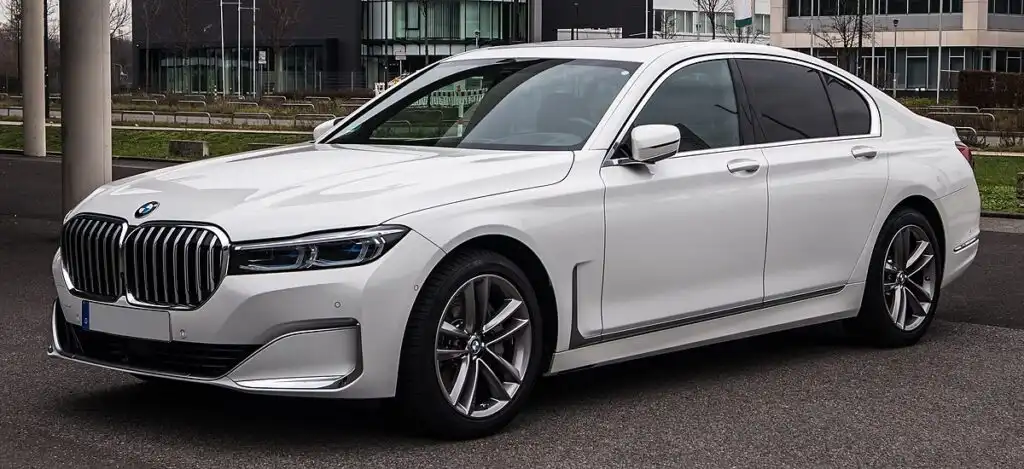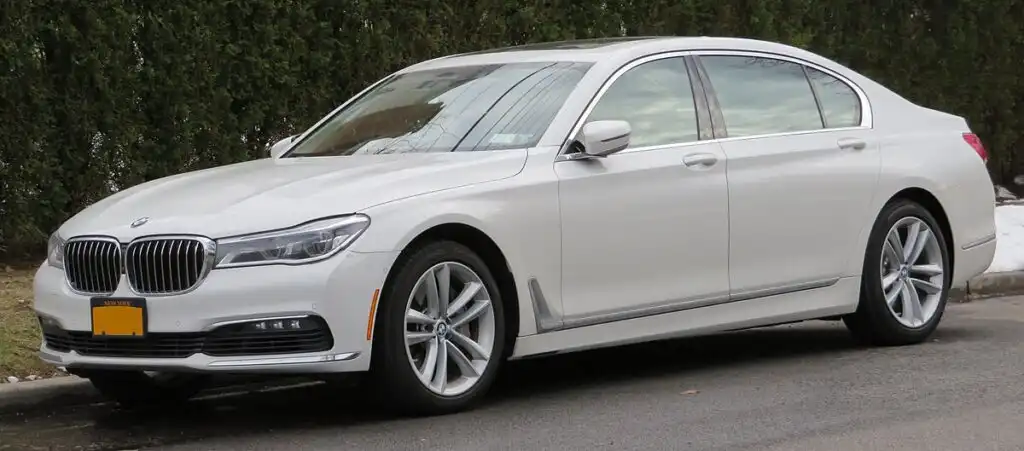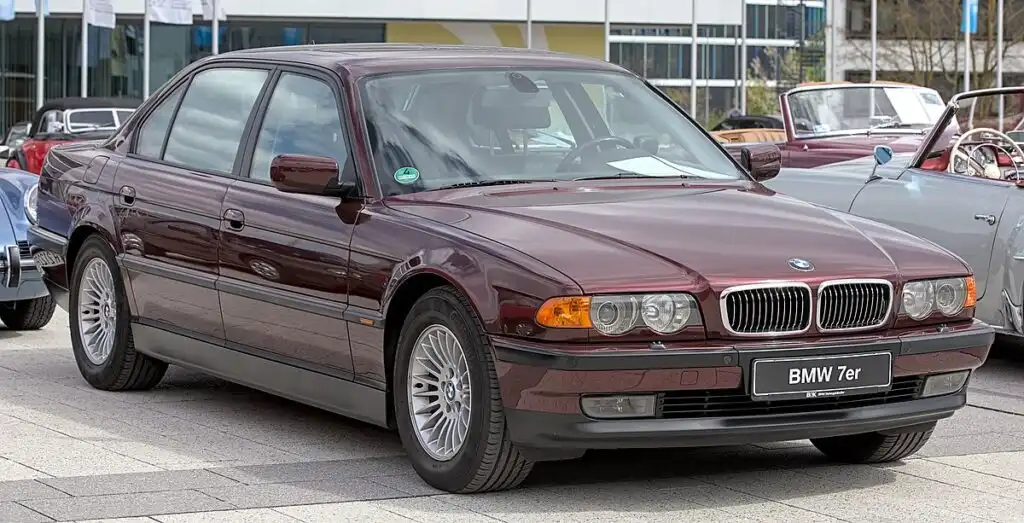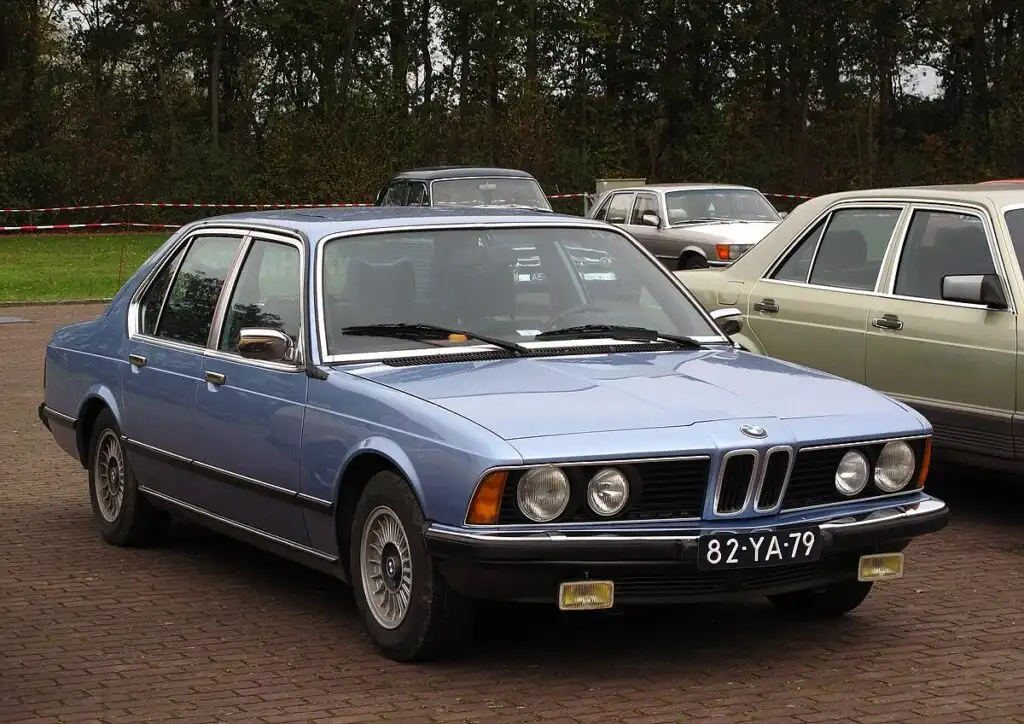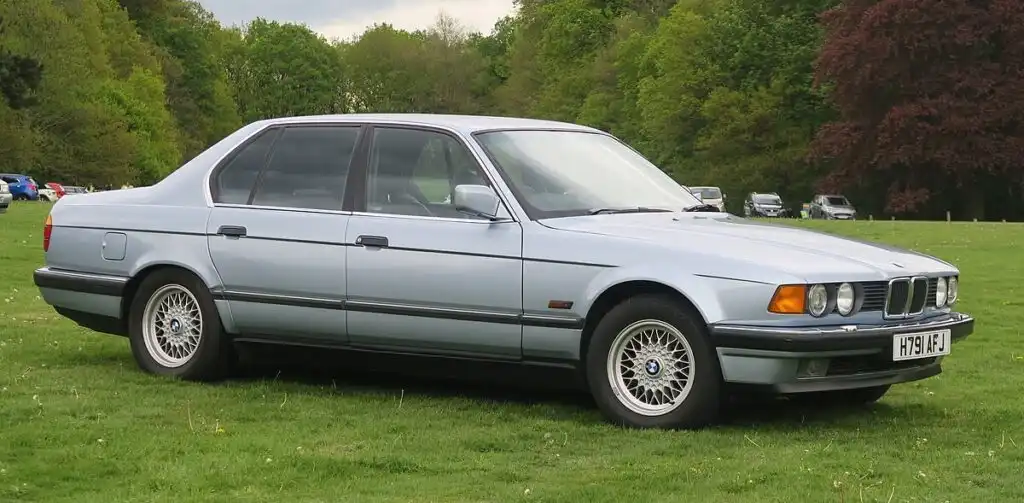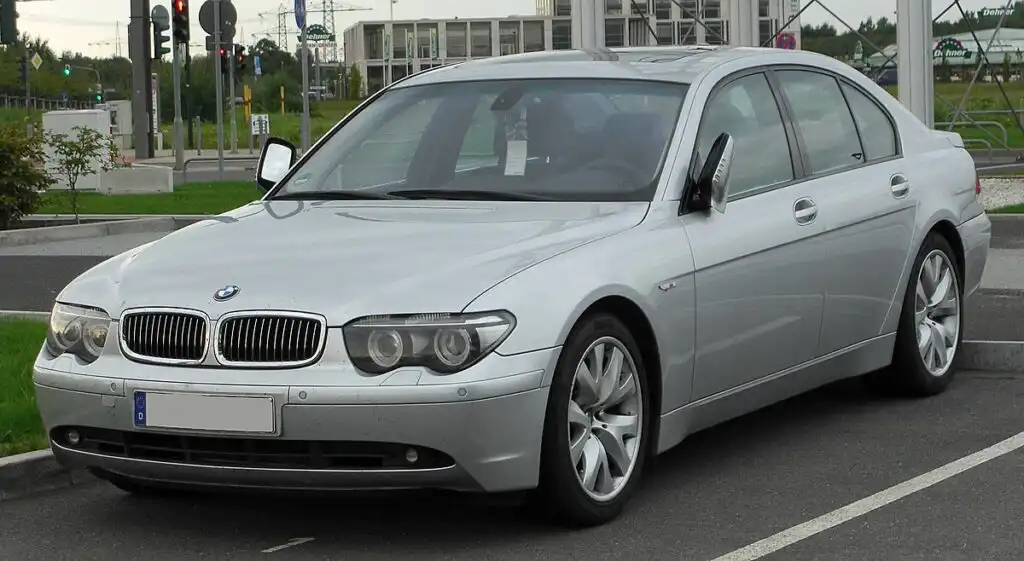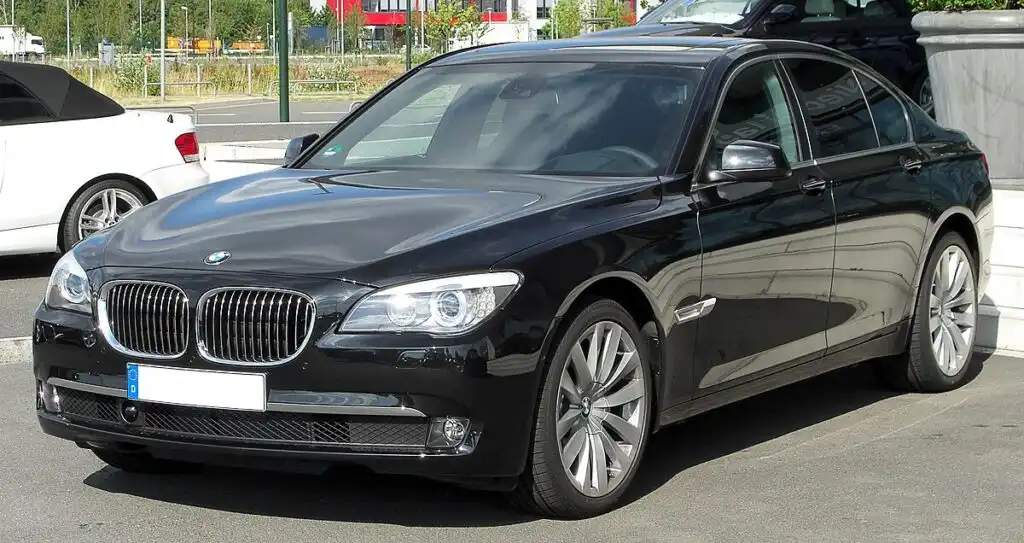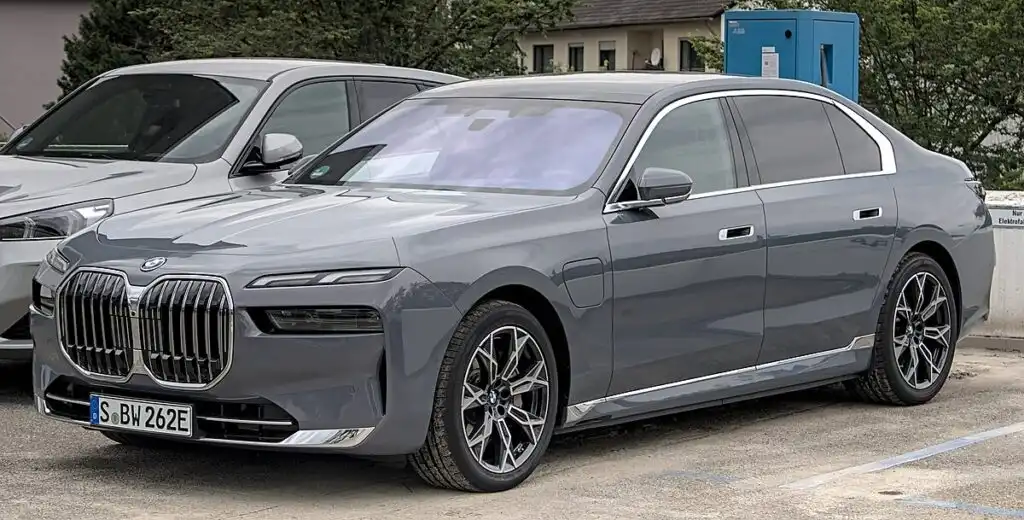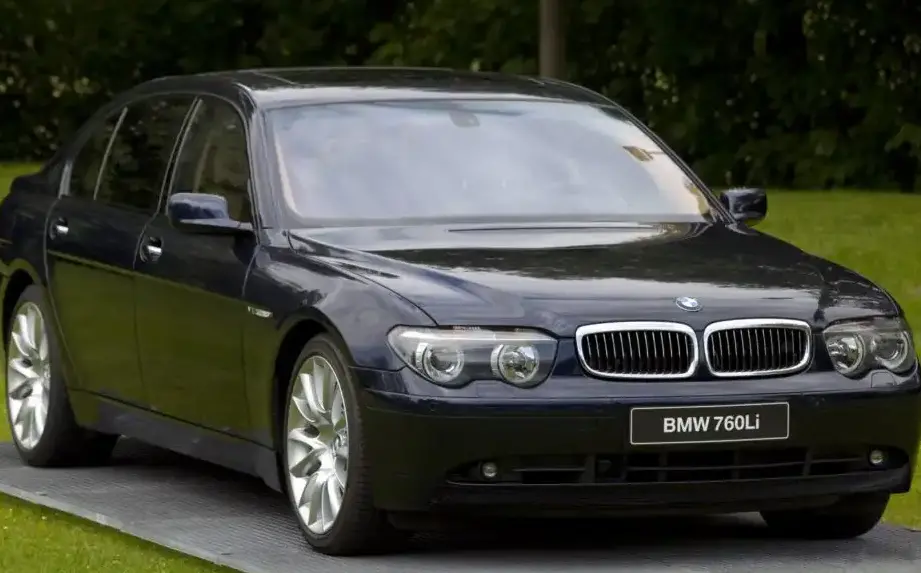
The BMW 730Li (E66) was a long-wheelbase variant of the E66 7 Series, produced from 2004 to 2005. Positioned as an entry-level offering within the 7 Series lineup, particularly in markets outside of North America, it aimed to provide the luxury and prestige of the flagship sedan with a more accessible price point. The “Li” designation signified the extended wheelbase, offering increased rear passenger legroom – a key feature for markets like China where chauffeur-driven luxury sedans were highly sought after. This model served as a bridge between the more powerful 745i and 760i models, offering a balance of performance and efficiency.
Technical Specifications
| Brand | BMW |
| Model | 7 Series |
| Generation | 7 Series Long (E66) |
| Type (Engine) | 730Li (231 Hp) Steptronic |
| Start of production | 2004 |
| End of production | 2005 |
| Powertrain Architecture | Internal Combustion engine |
| Body type | Sedan |
| Seats | 5 |
| Doors | 4 |
| Fuel consumption (urban) | 15.7 l/100 km (15 US mpg, 18 UK mpg, 6.4 km/l) |
| Fuel consumption (extra urban) | 8 l/100 km (29.4 US mpg, 35.3 UK mpg, 12.5 km/l) |
| Fuel consumption (combined) | 10.8 l/100 km (21.8 US mpg, 26.2 UK mpg, 9.3 km/l) |
| Fuel Type | Petrol (Gasoline) |
| Acceleration 0 – 100 km/h | 8.3 sec |
| Acceleration 0 – 62 mph | 8.3 sec |
| Acceleration 0 – 60 mph | 7.9 sec |
| Maximum speed | 237 km/h (147.26 mph) |
| Weight-to-power ratio | 7.6 kg/Hp, 132.4 Hp/tonne |
| Weight-to-torque ratio | 5.8 kg/Nm, 171.9 Nm/tonne |
| Power | 231 Hp @ 5900 rpm |
| Power per litre | 77.5 Hp/l |
| Torque | 300 Nm @ 3500 rpm (221.27 lb.-ft. @ 3500 rpm) |
| Engine layout | Front, Longitudinal |
| Engine Model/Code | M54B30 |
| Engine displacement | 2979 cm3 (181.79 cu. in.) |
| Number of cylinders | 6 |
| Engine configuration | Inline |
| Cylinder Bore | 84 mm (3.31 in.) |
| Piston Stroke | 89.6 mm (3.53 in.) |
| Compression ratio | 10.2:1 |
| Number of valves per cylinder | 4 |
| Fuel injection system | Multi-port manifold injection |
| Engine aspiration | Naturally aspirated engine |
| Valvetrain | DOHC |
| Engine oil capacity | 6.5 l (6.87 US qt | 5.72 UK qt) |
| Coolant | 11.4 l (12.05 US qt | 10.03 UK qt) |
| Kerb Weight | 1745 kg (3847.07 lbs.) |
| Max. weight | 2440 kg (5379.28 lbs.) |
| Max load | 695 kg (1532.21 lbs.) |
| Trunk (boot) space – minimum | 500 l (17.66 cu. ft.) |
| Fuel tank capacity | 88 l (23.25 US gal | 19.36 UK gal) |
| Length | 5169 mm (203.5 in.) |
| Width | 1902 mm (74.88 in.) |
| Height | 1492 mm (58.74 in.) |
| Wheelbase | 3130 mm (123.23 in.) |
| Front track | 1578 mm (62.13 in.) |
| Rear (Back) track | 1582 mm (62.28 in.) |
| Drag coefficient (Cd) | 0.28 |
| Minimum turning circle | 12.6 m (41.34 ft.) |
| Drivetrain Architecture | Rear wheel drive |
| Drive wheel | Rear wheel drive |
| Number of gears | 6 |
| Gearbox type | automatic transmission Steptronic |
| Front suspension | Spring Strut |
| Rear suspension | Coil spring |
| Front brakes | Ventilated discs |
| Rear brakes | Disc |
| Assisting systems | ABS (Anti-lock braking system) |
| Steering type | Steering rack and pinion |
| Power steering | Hydraulic Steering |
| Tires size | 245/55 R17 |
| Wheel rims size | 17 |
Powertrain & Engine Architecture
The 730Li was powered by the BMW M54B30, a 3.0-liter inline-six engine. This engine was a mainstay of BMW’s mid-size and larger models during the early 2000s. The M54 featured double overhead camshafts (DOHC), four valves per cylinder, and a cast iron block with an aluminum cylinder head. Fuel delivery was handled by a multi-port fuel injection system, providing precise fuel metering for optimal combustion. The engine produced 231 horsepower at 5900 rpm and 300 Nm (221 lb-ft) of torque at 3500 rpm. The engine’s relatively high compression ratio of 10.2:1 contributed to its efficiency and responsiveness. Paired with the engine was a six-speed Steptronic automatic transmission, BMW’s branded automatic gearbox offering both fully automatic operation and manual shift control via steering wheel-mounted paddles or the gear selector.
Driving Characteristics
The 730Li, with its 3.0-liter engine and automatic transmission, offered a comfortable and refined driving experience. While not as overtly sporty as the higher-powered 745i or 760i, it provided adequate acceleration for everyday driving. The 0-60 mph time of around 7.9 seconds was respectable for a large luxury sedan. The Steptronic transmission was programmed for smooth shifts and prioritized comfort over aggressive performance. Compared to the manual transmission options available on other 7 Series models, the automatic offered less driver engagement but greater convenience. The gear ratios were tuned for relaxed cruising and efficient fuel economy, making it well-suited for long highway journeys. The extended wheelbase contributed to a smoother ride quality, absorbing bumps and imperfections in the road more effectively.
Equipment & Trim Levels
The 730Li came standard with a comprehensive array of luxury features. Interior appointments typically included leather upholstery, wood trim, and power-adjustable front seats with memory function. Standard equipment also included automatic climate control, a premium sound system, and a multi-function steering wheel. The extended wheelbase translated into significantly more rear legroom, enhancing the comfort of rear passengers. Optional extras included features like a rear entertainment system, active suspension, and upgraded leather options. The trim level was generally consistent across the 730Li models, with options being the primary way to personalize the vehicle.
Chassis & Braking
The E66 7 Series featured a robust chassis designed for both comfort and handling. The front suspension utilized a spring strut design, while the rear suspension employed a coil spring setup. The 730Li was equipped with ventilated disc brakes at the front and solid disc brakes at the rear, providing adequate stopping power for its weight class. Anti-lock braking system (ABS) was standard. The steering system was a rack-and-pinion setup with hydraulic power assistance, offering precise and responsive steering feel. The standard tire size was 245/55 R17, mounted on 17-inch alloy wheels.
Market Reception & Comparison
The 730Li was generally well-received by automotive critics, particularly for its comfortable ride, spacious interior, and refined driving experience. However, some reviewers noted that the 3.0-liter engine felt somewhat underpowered for a vehicle of its size and weight, especially when compared to the more potent 745i and 760i models. Fuel economy was considered reasonable for a luxury sedan, but not exceptional. Compared to the 745i, the 730Li offered a more affordable entry point into the 7 Series range, but at the expense of performance. The 730Li’s primary appeal lay in its balance of luxury, comfort, and value.
Legacy
The M54B30 engine, found in the 730Li, is generally considered a reliable and durable powerplant. With proper maintenance, these engines can accumulate high mileage without major issues. The Steptronic automatic transmission is also known for its longevity, although like any automatic transmission, it requires regular fluid changes to ensure smooth operation. Today, the E66 730Li represents an affordable entry point into BMW’s flagship luxury sedan lineage. While not as desirable as the higher-powered models, it offers a comfortable and well-equipped driving experience at a reasonable price point in the used car market. Common issues to look for include cooling system components, electronic systems, and suspension components, typical for a vehicle of this age and complexity.