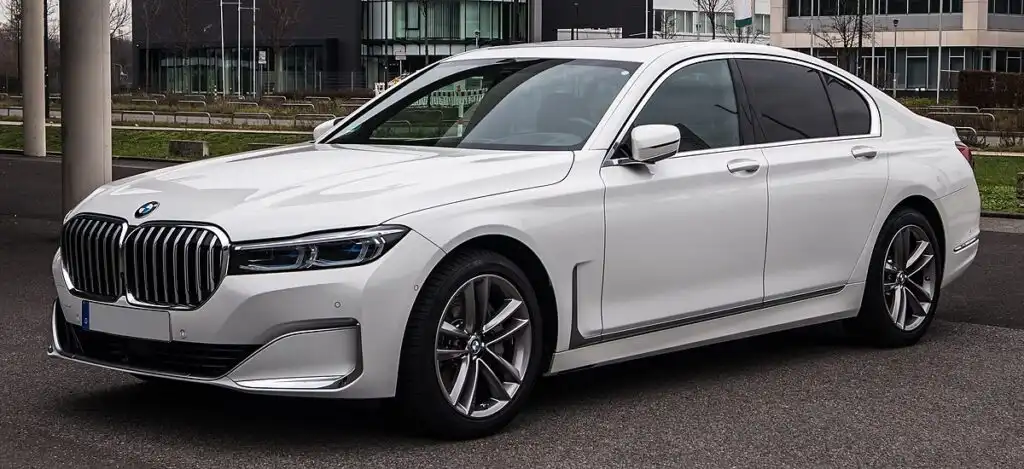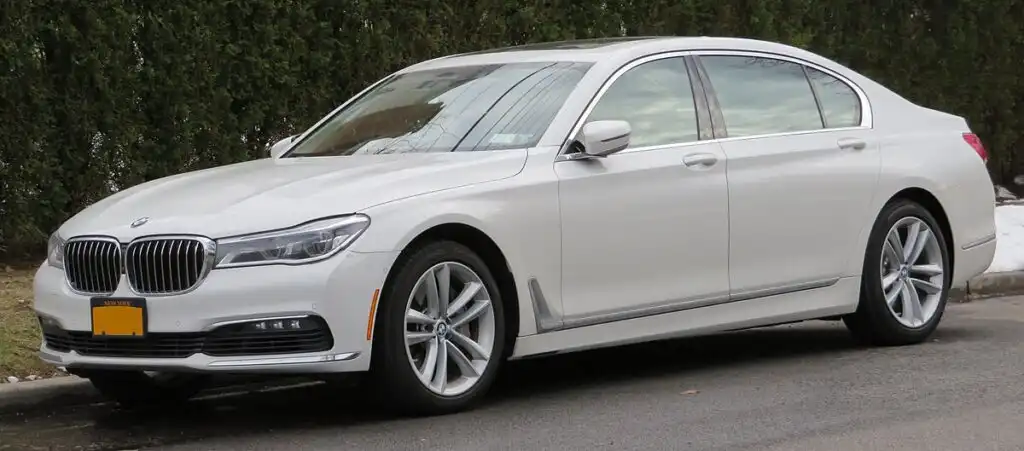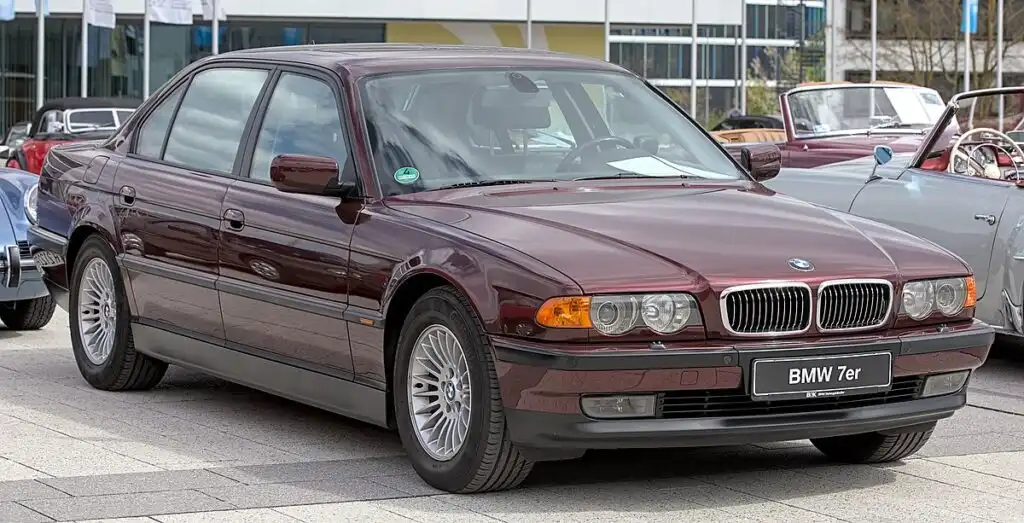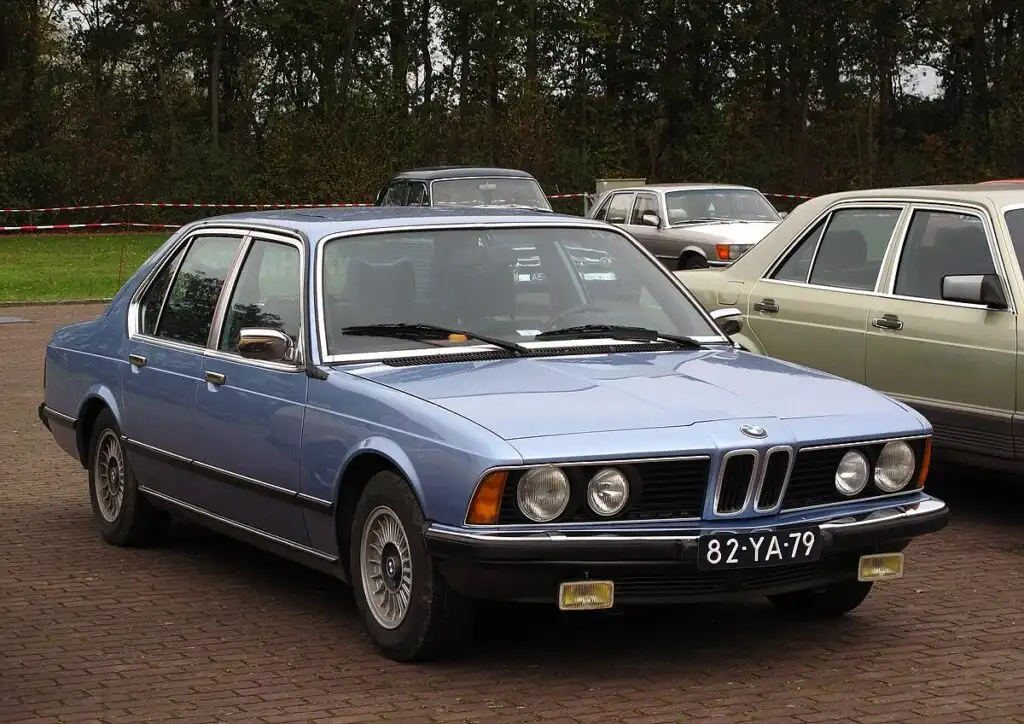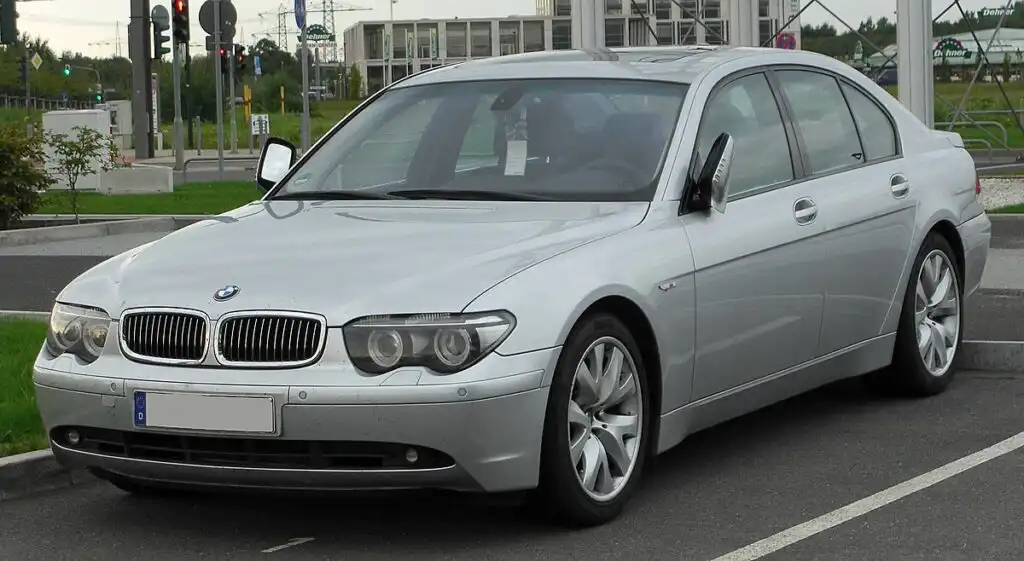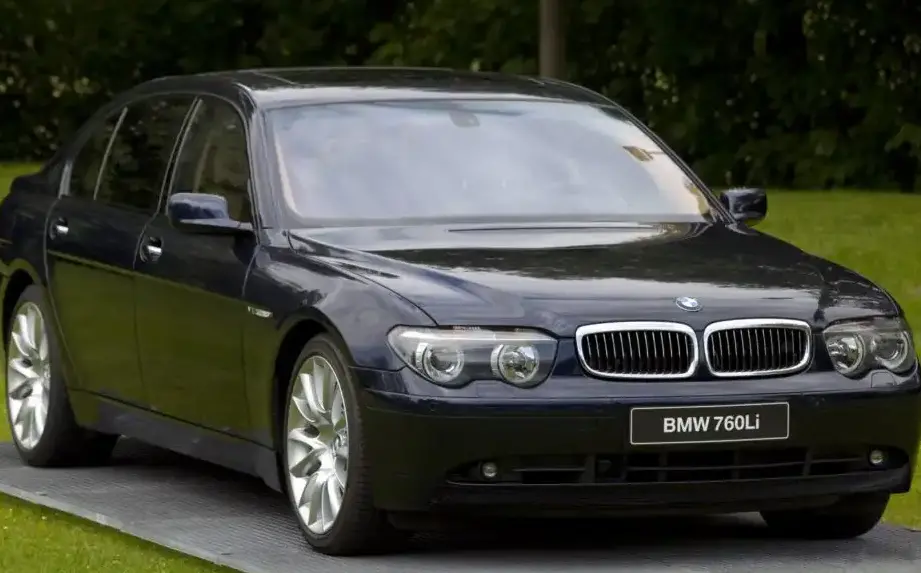
The BMW 760Li, part of the E66 long-wheelbase 7 Series generation produced from 2002 to 2005, represented the pinnacle of BMW’s luxury and performance offerings. Positioned as the flagship model, the 760Li distinguished itself with a powerful V12 engine and extended wheelbase, catering to buyers seeking the utmost in comfort and prestige. This variant was primarily sold in markets where large, luxury sedans were highly valued, including North America, Europe, and parts of Asia. It aimed to compete directly with the Mercedes-Benz S-Class and Audi A8, offering a more driver-focused experience alongside its opulent features.
Technical Specifications
| Brand | BMW |
| Model | 7 Series |
| Generation | 7 Series Long (E66) |
| Type (Engine) | 760Li (445 Hp) Steptronic |
| Start of production | 2002 |
| End of production | 2005 |
| Powertrain Architecture | Internal Combustion engine |
| Body type | Sedan |
| Seats | 5 |
| Doors | 4 |
| Fuel consumption (economy) – urban | 20.5 l/100 km (11.5 US mpg, 13.8 UK mpg, 4.9 km/l) |
| Fuel consumption (economy) – extra urban | 9.7 l/100 km (24.2 US mpg, 29.1 UK mpg, 10.3 km/l) |
| Fuel consumption (economy) – combined | 13.6 l/100 km (17.3 US mpg, 20.8 UK mpg, 7.4 km/l) |
| Fuel Type | Petrol (Gasoline) |
| Acceleration 0 – 100 km/h | 5.6 sec |
| Acceleration 0 – 62 mph | 5.6 sec |
| Acceleration 0 – 60 mph | 5.3 sec |
| Maximum speed | 250 km/h (155.34 mph) |
| Weight-to-power ratio | 4.7 kg/Hp, 214.5 Hp/tonne |
| Weight-to-torque ratio | 3.5 kg/Nm, 289.2 Nm/tonne |
| Power | 445 Hp @ 6000 rpm |
| Power per litre | 74.5 Hp/l |
| Torque | 600 Nm @ 3950 rpm (442.54 lb.-ft. @ 3950 rpm) |
| Engine layout | Front, Longitudinal |
| Engine Model/Code | N73B60 |
| Engine displacement | 5972 cm3 (364.43 cu. in.) |
| Number of cylinders | 12 |
| Engine configuration | V-engine |
| Cylinder Bore | 89 mm (3.5 in.) |
| Piston Stroke | 80 mm (3.15 in.) |
| Compression ratio | 11.3:1 |
| Number of valves per cylinder | 4 |
| Fuel injection system | Direct injection |
| Engine aspiration | Naturally aspirated engine |
| Valvetrain | DOHC |
| Engine oil capacity | 8.5 l (8.98 US qt | 7.48 UK qt) |
| Kerb Weight | 2075 kg (4574.59 lbs.) |
| Max. weight | 2670 kg (5886.34 lbs.) |
| Max load | 595 kg (1311.75 lbs.) |
| Trunk (boot) space – minimum | 500 l (17.66 cu. ft.) |
| Fuel tank capacity | 88 l (23.25 US gal | 19.36 UK gal) |
| Length | 5169 mm (203.5 in.) |
| Width | 1902 mm (74.88 in.) |
| Height | 1492 mm (58.74 in.) |
| Wheelbase | 3130 mm (123.23 in.) |
| Front track | 1578 mm (62.13 in.) |
| Rear (Back) track | 1582 mm (62.28 in.) |
| Drag coefficient (Cd) | 0.29 |
| Minimum turning circle | 12.6 m (41.34 ft.) |
| Drivetrain Architecture | Rear wheel drive |
| Number of gears and type of gearbox | 6 gears, automatic transmission Steptronic |
| Front suspension | Spring Strut |
| Rear suspension | Air suspension |
| Front brakes | Ventilated discs |
| Rear brakes | Ventilated discs |
| Assisting systems | ABS (Anti-lock braking system) |
| Steering type | Steering rack and pinion |
| Power steering | Hydraulic Steering |
| Tires size | 245/50 R18 |
| Wheel rims size | 18 |
INTRODUCTION
The E66 7 Series, launched in 2002, represented a significant departure from its predecessor, the E38. The 760Li, the range-topping model, was characterized by its extended wheelbase, adding approximately 140mm (5.5 inches) to the standard 7 Series length. This increase in length translated directly into enhanced rear passenger legroom, a key selling point for buyers in markets like China and the United States. The “Li” designation, signifying “long,” became a standard feature for BMW’s extended-wheelbase models. The E66 generation was notable for its controversial iDrive system and innovative features like active steering and adaptive cruise control, all aimed at enhancing the driving and passenger experience.
Powertrain & Engine Architecture
At the heart of the 760Li lay the N73B60, a 6.0-liter naturally aspirated V12 engine. This engine was a marvel of engineering, featuring all-aluminum construction, double overhead camshafts (DOHC) with four valves per cylinder, and BMW’s Valvetronic variable valve timing system. The N73 employed direct fuel injection, delivering fuel directly into the combustion chamber for improved efficiency and power. The engine produced 445 horsepower at 6000 rpm and a substantial 600 Nm (442.54 lb-ft) of torque at 3950 rpm. This power was channeled through a six-speed Steptronic automatic transmission, BMW’s name for its torque converter automatic. The Steptronic transmission offered both fully automatic operation and a manual shift mode, allowing drivers to exert more control over gear selection. The transmission was tuned for smooth, refined shifts, prioritizing comfort over outright performance.
Driving Characteristics
The 760Li, despite its size and weight, offered surprisingly agile handling for a large luxury sedan. The V12 engine provided effortless acceleration, with a 0-60 mph time of around 5.3 seconds. The Steptronic transmission, while smooth, wasn’t as quick-shifting as some of its competitors. The long wheelbase contributed to a comfortable ride, absorbing bumps and imperfections in the road with ease. However, the added length also made the car feel less nimble in tight corners compared to the standard-wheelbase 7 Series. The steering, while precise, lacked some of the feedback preferred by driving enthusiasts. Overall, the 760Li prioritized a grand touring experience, offering a blend of power, comfort, and refinement.
Equipment & Trim Levels
The 760Li came standard with a comprehensive array of luxury features. Interior appointments included premium leather upholstery, wood trim, and power-adjustable, heated, and ventilated front seats. Rear passengers enjoyed ample legroom, heated seats, and available rear-seat entertainment options. Standard equipment also included a premium sound system, automatic climate control, and BMW’s iDrive infotainment system. Optional extras included adaptive cruise control, active steering, a head-up display, and various customization options for interior trim and exterior paint.
Chassis & Braking
The E66 760Li featured a sophisticated chassis designed for both comfort and handling. The front suspension utilized a spring strut design, while the rear suspension employed an air suspension system, providing adjustable ride height and damping. This allowed the car to adapt to varying road conditions and driving styles. Braking duties were handled by ventilated disc brakes on all four wheels, coupled with an anti-lock braking system (ABS). The 760Li also featured BMW’s Dynamic Stability Control (DSC) system, which helped to maintain stability during cornering and emergency maneuvers.
Market Reception & Comparison
The 760Li was generally well-received by automotive critics, who praised its powerful engine, luxurious interior, and comfortable ride. However, the iDrive system was a frequent source of criticism, with many reviewers finding it complex and unintuitive. Compared to the 750i (V8) and 745i (inline-six) models, the 760Li offered significantly more power and a more refined driving experience, but at a substantial price premium. Fuel economy was predictably lower than its siblings, reflecting the V12 engine’s larger displacement and higher output. Reliability was generally good, although the complex electronics and advanced features of the E66 generation could be prone to occasional issues.
Legacy
The E66 760Li remains a desirable luxury car among collectors and enthusiasts. The N73 V12 engine, while complex, is known for its durability when properly maintained. The extended wheelbase and luxurious interior continue to appeal to buyers seeking a comfortable and prestigious grand tourer. While the iDrive system may seem dated by today’s standards, the E66 760Li represents a significant chapter in BMW’s history, showcasing the brand’s commitment to innovation and luxury. Well-maintained examples command a premium in the used car market, reflecting their rarity and unique appeal.