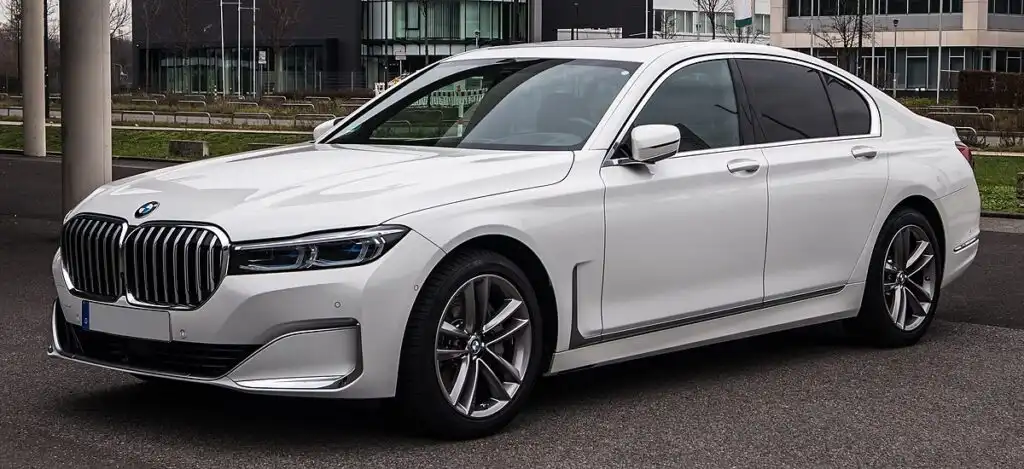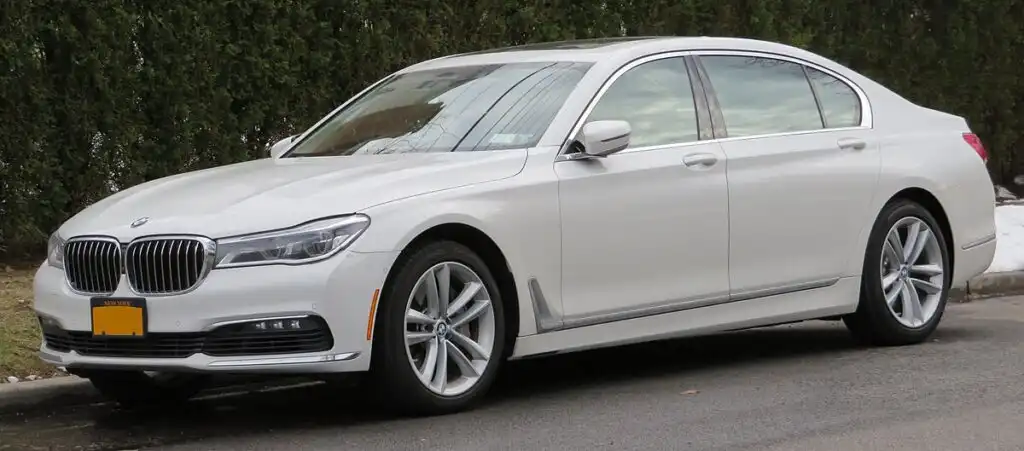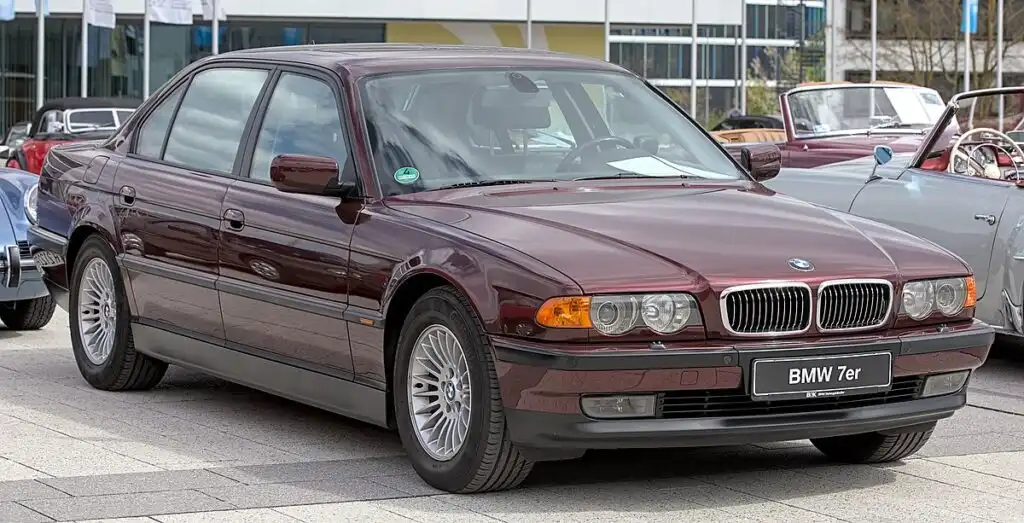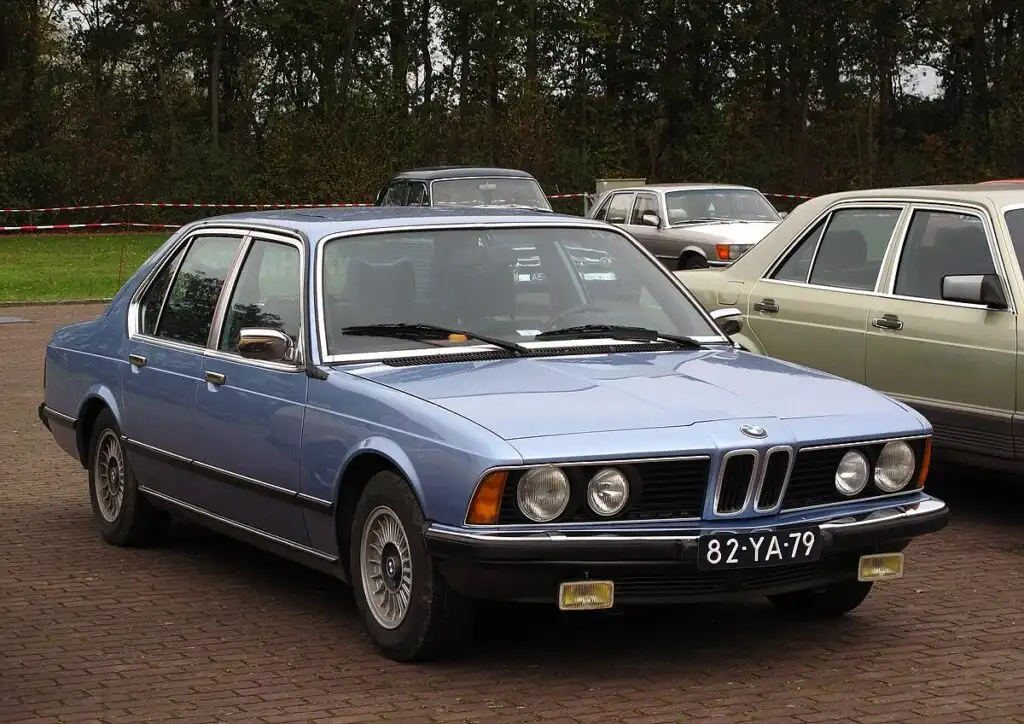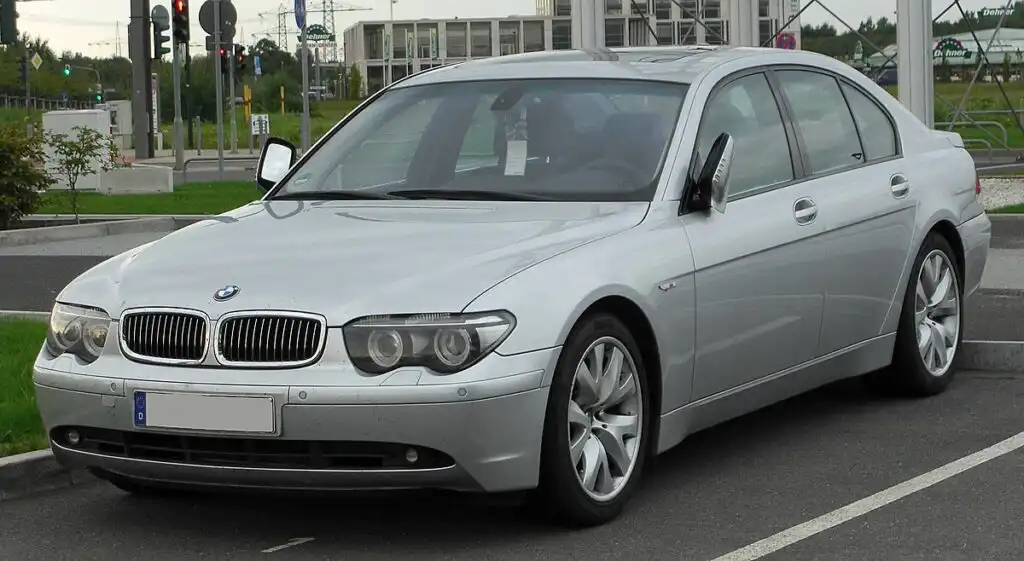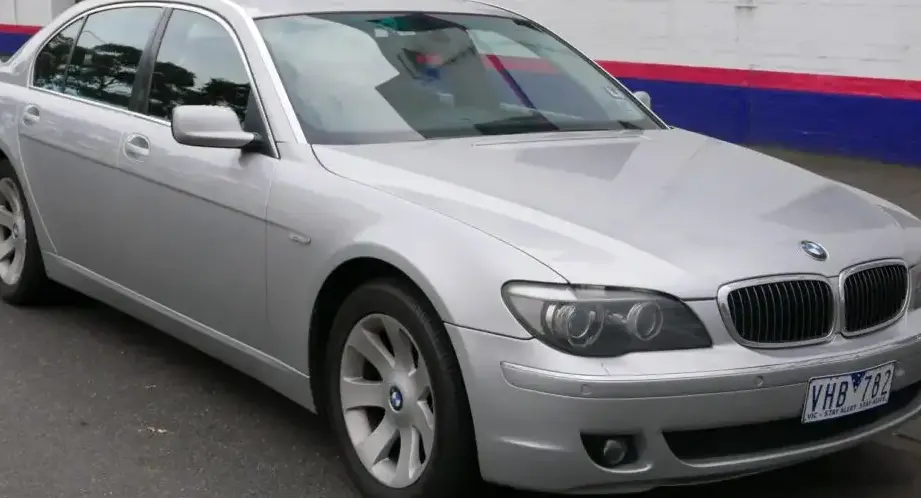
The BMW 730Li, part of the E66 generation of the 7 Series and specifically the 2005-2008 facelift models, represented a key offering in BMW’s flagship sedan lineup. Positioned as the entry point to the long-wheelbase 7 Series, the 730Li aimed to provide a luxurious experience with a balance of performance and efficiency. The “Li” designation signifies the extended wheelbase, offering increased rear passenger legroom – a particularly important feature in markets like China, where the E66 7 Series saw significant sales. This variant was designed to appeal to buyers who desired the prestige of a 7 Series but didn’t necessarily require the higher horsepower outputs of the 745i or 750i models.
Technical Specifications
| Brand | BMW |
| Model | 7 Series |
| Generation | 7 Series Long (E66, facelift 2005) |
| Type (Engine) | 730Li (258 Hp) Steptronic |
| Start of production | 2005 |
| End of production | 2008 |
| Powertrain Architecture | Internal Combustion engine |
| Body type | Sedan |
| Seats | 5 |
| Doors | 4 |
| Fuel consumption (urban) | 14.6 l/100 km (16.1 US mpg, 19.3 UK mpg) |
| Fuel consumption (extra urban) | 7.5 l/100 km (31.4 US mpg, 37.7 UK mpg) |
| Fuel consumption (combined) | 10.1 l/100 km (23.3 US mpg, 28 UK mpg) |
| Fuel Type | Petrol (Gasoline) |
| Acceleration 0 – 100 km/h | 7.9 sec |
| Acceleration 0 – 62 mph | 7.9 sec |
| Acceleration 0 – 60 mph | 7.5 sec |
| Maximum speed | 237 km/h (147.26 mph) |
| Emission standard | Euro 4 |
| Weight-to-power ratio | 7.1 kg/Hp |
| Weight-to-torque ratio | 6.1 kg/Nm |
| Power | 258 Hp @ 6600 rpm |
| Torque | 300 Nm @ 2500-4000 rpm (221.27 lb.-ft. @ 2500-4000 rpm) |
| Engine layout | Front, Longitudinal |
| Engine Model/Code | N52B30A |
| Engine displacement | 2996 cm3 (182.83 cu. in.) |
| Number of cylinders | 6 |
| Engine configuration | Inline |
| Cylinder Bore | 85 mm (3.35 in.) |
| Piston Stroke | 88 mm (3.46 in.) |
| Compression ratio | 10.7:1 |
| Number of valves per cylinder | 4 |
| Fuel injection system | Multi-port manifold injection |
| Engine aspiration | Naturally aspirated engine |
| Valvetrain | DOHC |
| Engine oil capacity | 6.5 l (6.87 US qt | 5.72 UK qt) |
| Coolant | 11.4 l (12.05 US qt | 10.03 UK qt) |
| Kerb Weight | 1835 kg (4045.48 lbs.) |
| Max. weight | 2415 kg (5324.16 lbs.) |
| Max load | 580 kg (1278.68 lbs.) |
| Trunk (boot) space – minimum | 500 l (17.66 cu. ft.) |
| Fuel tank capacity | 88 l (23.25 US gal | 19.36 UK gal) |
| Length | 5179 mm (203.9 in.) |
| Width | 1902 mm (74.88 in.) |
| Height | 1484 mm (58.43 in.) |
| Wheelbase | 3130 mm (123.23 in.) |
| Front track | 1578 mm (62.13 in.) |
| Rear (Back) track | 1596 mm (62.83 in.) |
| Drag coefficient (Cd) | 0.29 |
| Minimum turning circle | 12.6 m (41.34 ft.) |
| Drivetrain Architecture | Rear wheel drive |
| Number of gears | 6 |
| Gearbox type | Automatic transmission Steptronic |
| Front suspension | Spring Strut |
| Rear suspension | Coil spring |
| Front brakes | Ventilated discs |
| Rear brakes | Disc |
| Assisting systems | ABS (Anti-lock braking system) |
| Steering type | Steering rack and pinion |
| Power steering | Hydraulic Steering |
| Tires size | 245/55 R17 |
| Wheel rims size | 17 |
Powertrain & Engine Architecture
The 730Li was powered by the N52B30A, a 3.0-liter inline-six engine. This engine was a cornerstone of BMW’s naturally aspirated engine lineup during the mid-2000s, known for its smooth power delivery and relatively high efficiency. The N52 featured double overhead camshafts (DOHC), four valves per cylinder, and BMW’s VANOS variable valve timing system on both the intake and exhaust camshafts. This allowed for optimized engine performance across a wide range of engine speeds. Fuel was delivered via multi-port fuel injection. The engine produced 258 horsepower at 6600 rpm and 300 Nm (221 lb-ft) of torque between 2500 and 4000 rpm. The engine’s longitudinal mounting and rear-wheel-drive configuration were typical for BMW sedans of this era.
The “Steptronic” transmission refers to BMW’s 6-speed automatic gearbox. This transmission offered both fully automatic operation and a manual shift mode, allowing drivers to have more control over gear selection. The transmission was designed to provide smooth and responsive shifts, complementing the engine’s characteristics. Gear ratios were tuned to balance acceleration with fuel economy, prioritizing a comfortable driving experience over outright performance.
Driving Characteristics
The 730Li, with its 3.0-liter engine and automatic transmission, offered a refined and comfortable driving experience. Acceleration from 0 to 60 mph took approximately 7.5 seconds, which was respectable for a large luxury sedan but noticeably slower than the 745i or 750i models. The automatic transmission, while smooth, could sometimes feel hesitant during quick acceleration maneuvers. The emphasis was on providing a relaxed and effortless cruising experience, making it well-suited for long highway journeys. The longer wheelbase of the “Li” model contributed to a more comfortable ride, absorbing bumps and imperfections in the road effectively.
Equipment & Trim Levels
The 730Li came standard with a comprehensive list of luxury features, including leather upholstery, power-adjustable front seats with memory function, automatic climate control, a premium sound system, and a navigation system. Optional extras included rear-seat entertainment, upgraded leather options, active suspension, and various driver-assistance systems. The interior design was characterized by high-quality materials and a focus on ergonomics. Dashboard configuration was typical of the E66 generation, with a central information display and intuitive controls.
Chassis & Braking
The E66 7 Series featured a robust chassis with a MacPherson strut front suspension and a multi-link rear suspension. The 730Li utilized a coil spring rear suspension setup. Braking duties were handled by ventilated discs at the front and solid discs at the rear, equipped with ABS (Anti-lock Braking System). The steering system was a hydraulic rack-and-pinion setup, providing precise and responsive steering feel. The standard tire size was 245/55 R17.
Market Reception & Comparison
The 730Li was generally well-received by critics as a comfortable and luxurious entry point into the 7 Series range. However, some reviewers noted that the 3.0-liter engine felt somewhat underpowered for a car of its size and weight, especially when compared to the more powerful 745i and 750i models. Fuel economy was considered reasonable for a luxury sedan, but not exceptional. Compared to the 745i, the 730Li offered a lower price point but sacrificed performance. Compared to diesel variants, like the 730d, the 730Li offered a different driving character, with a more linear power delivery and a higher-revving engine.
Legacy
The N52B30A engine, found in the 730Li, has proven to be a relatively reliable powertrain when properly maintained. Common issues include oil leaks, VANOS system failures, and cooling system problems. However, these issues are generally well-documented and can be addressed with preventative maintenance. Today, the E66 730Li represents an affordable entry point into BMW’s flagship sedan lineage. While it may not offer the same level of performance as its more powerful siblings, it provides a comfortable and luxurious driving experience at a reasonable price. The long-wheelbase configuration remains a desirable feature, particularly for those seeking a spacious and comfortable rear seat.