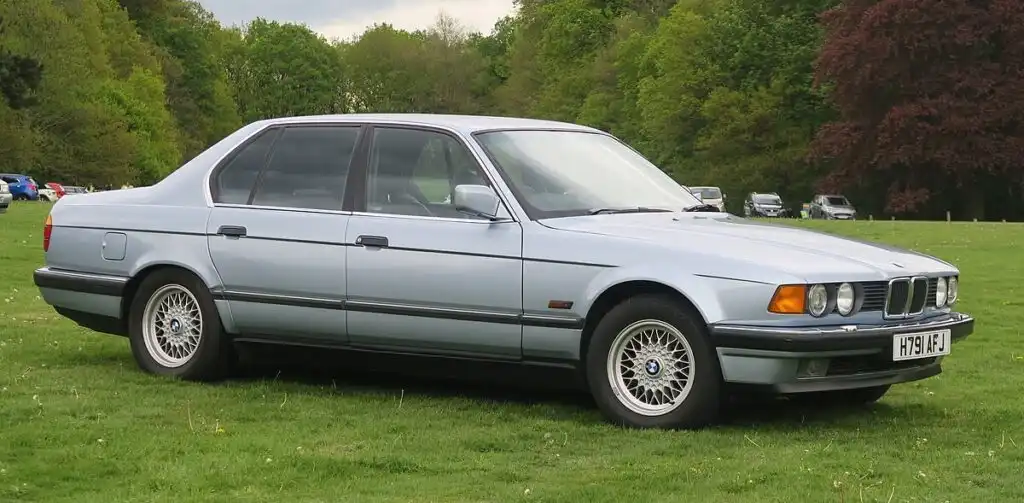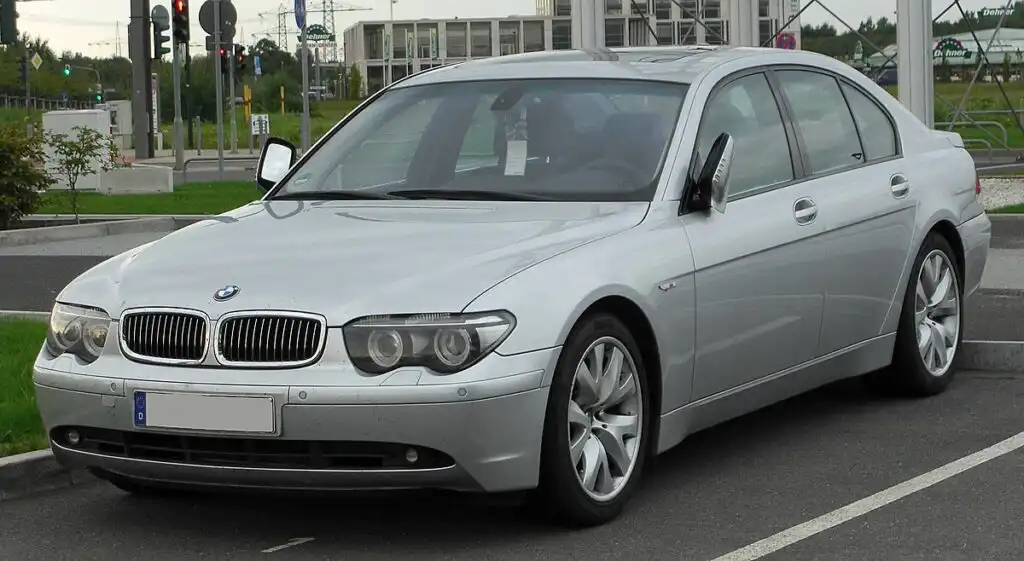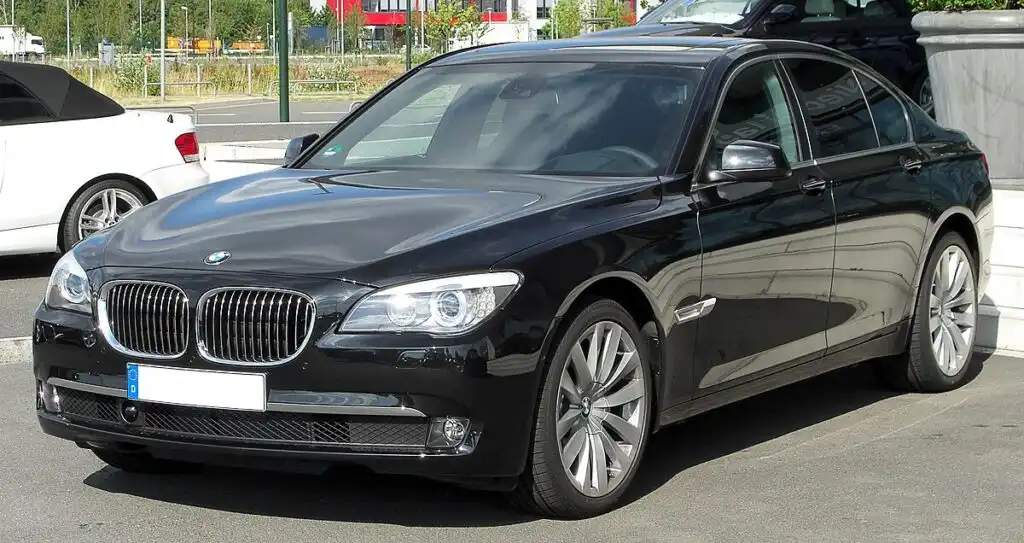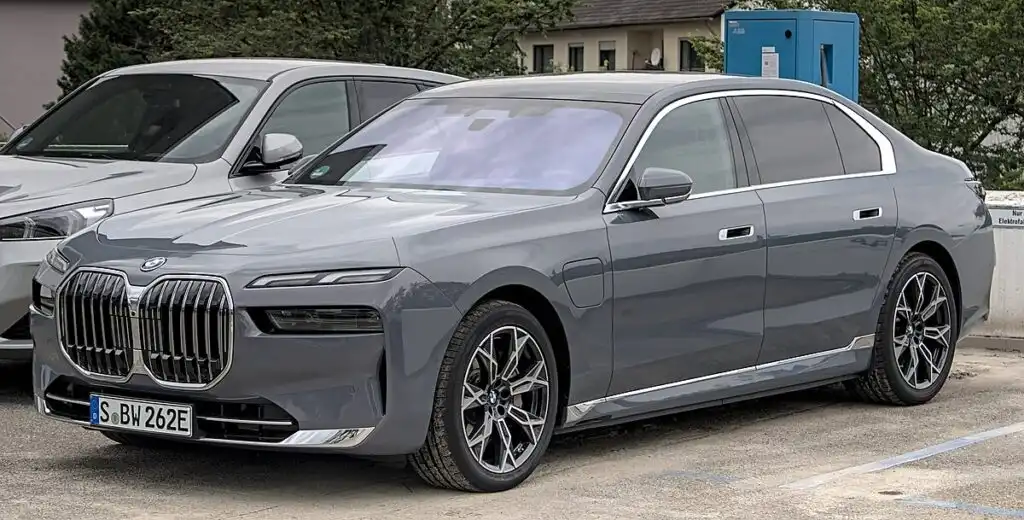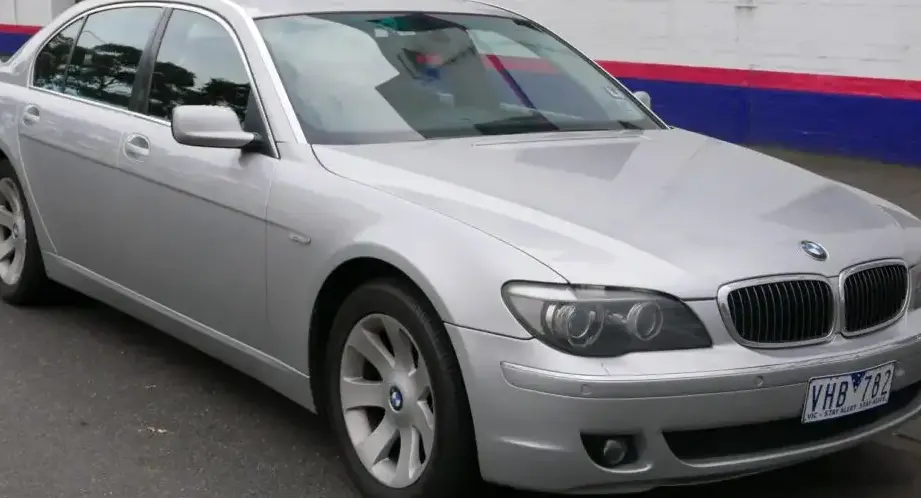
The BMW 750Li, part of the E66 long-wheelbase 7 Series generation produced from 2005 to 2008, represented the pinnacle of BMW’s luxury sedan offerings. Positioned as the flagship model, the 750Li featured a naturally aspirated V8 engine and a six-speed automatic transmission, catering to buyers seeking a blend of performance, comfort, and prestige. The “Li” designation signified an extended wheelbase, providing significantly more rear passenger legroom, making it particularly popular in markets like China and the United States where chauffeur-driven luxury was highly valued. This variant sat at the top of the 7 Series range, above the 745i and 730i models, offering the most powerful engine option.
Technical Specifications
| Brand | BMW |
| Model | 7 Series |
| Generation | 7 Series Long (E66, facelift 2005) |
| Type (Engine) | 750Li (367 Hp) Steptronic |
| Start of production | 2005 |
| End of production | 2008 |
| Powertrain Architecture | Internal Combustion engine |
| Body type | Sedan |
| Seats | 5 |
| Doors | 4 |
| Fuel consumption (economy) – urban | 16.9 l/100 km (13.9 US mpg, 16.7 UK mpg, 5.9 km/l) |
| Fuel consumption (economy) – extra urban | 8.3 l/100 km (28.3 US mpg, 34 UK mpg, 12 km/l) |
| Fuel consumption (economy) – combined | 11.4 l/100 km (20.6 US mpg, 24.8 UK mpg, 8.8 km/l) |
| Fuel Type | Petrol (Gasoline) |
| Acceleration 0 – 100 km/h | 6 sec |
| Acceleration 0 – 62 mph | 6 sec |
| Acceleration 0 – 60 mph | 5.7 sec |
| Maximum speed | 250 km/h (155.34 mph) |
| Emission standard | Euro 4 |
| Weight-to-power ratio | 5.3 kg/Hp, 188.2 Hp/tonne |
| Weight-to-torque ratio | 4 kg/Nm, 251.3 Nm/tonne |
| Power | 367 Hp @ 6300 rpm |
| Power per litre | 76.5 Hp/l |
| Torque | 490 Nm @ 3400 rpm (361.41 lb.-ft. @ 3400 rpm) |
| Engine layout | Front, Longitudinal |
| Engine Model/Code | N62B48 |
| Engine displacement | 4799 cm3 (292.85 cu. in.) |
| Number of cylinders | 8 |
| Engine configuration | V-engine |
| Cylinder Bore | 93 mm (3.66 in.) |
| Piston Stroke | 88.3 mm (3.48 in.) |
| Compression ratio | 10.5:1 |
| Number of valves per cylinder | 4 |
| Fuel injection system | Multi-port manifold injection |
| Engine aspiration | Naturally aspirated engine |
| Valvetrain | DOHC |
| Engine oil capacity | 8 l (8.45 US qt | 7.04 UK qt) |
| Coolant | 14.5 l (15.32 US qt | 12.76 UK qt) |
| Kerb Weight | 1950 kg (4299.01 lbs.) |
| Max. weight | 2530 kg (5577.7 lbs.) |
| Max load | 580 kg (1278.68 lbs.) |
| Trunk (boot) space – minimum | 500 l (17.66 cu. ft.) |
| Fuel tank capacity | 88 l (23.25 US gal | 19.36 UK gal) |
| Length | 5179 mm (203.9 in.) |
| Width | 1902 mm (74.88 in.) |
| Height | 1484 mm (58.43 in.) |
| Wheelbase | 3130 mm (123.23 in.) |
| Front track | 1578 mm (62.13 in.) |
| Rear (Back) track | 1596 mm (62.83 in.) |
| Drag coefficient (Cd) | 0.29 |
| Minimum turning circle (turning diameter) | 12.6 m (41.34 ft.) |
| Drivetrain Architecture | The Internal combustion engine (ICE) drives the rear wheels of the vehicle. |
| Drive wheel | Rear wheel drive |
| Number of gears and type of gearbox | 6 gears, automatic transmission Steptronic |
| Front suspension | Spring Strut |
| Rear suspension | Coil spring |
| Front brakes | Ventilated discs |
| Rear brakes | Ventilated discs |
| Assisting systems | ABS (Anti-lock braking system) |
| Steering type | Steering rack and pinion |
| Power steering | Hydraulic Steering |
| Tires size | 245/55 R17 |
| Wheel rims size | 17 |
INTRODUCTION
The E66 generation of the BMW 7 Series, launched in 2002, represented a significant departure in design and technology for the German automaker. The facelifted version in 2005, including the 750Li, addressed some of the initial criticisms and refined the overall package. The 750Li specifically targeted the luxury segment with its extended wheelbase and powerful V8 engine. It was designed to compete with the Mercedes-Benz S-Class long-wheelbase models and offered a sophisticated driving experience combined with opulent comfort. Production of this specific configuration ran from 2005 through 2008, before being superseded by the F01/F02 7 Series.
Powertrain & Engine Architecture
At the heart of the 750Li lay the N62B48 engine, a 4.8-liter naturally aspirated V8. This engine was a significant evolution of BMW’s V8 architecture, featuring double overhead camshafts (DOHC) and four valves per cylinder. The N62 utilized a multi-port fuel injection system, delivering fuel directly into the intake ports. The engine produced 367 horsepower at 6300 rpm and 490 Nm (361 lb-ft) of torque at 3400 rpm. Paired with the engine was a six-speed Steptronic automatic transmission. This transmission offered both fully automatic operation and a manual shift mode, allowing drivers to have more control over gear selection. The Steptronic system was known for its smooth and responsive shifts, contributing to a refined driving experience. The transmission’s gear ratios were tuned to balance acceleration with fuel efficiency, prioritizing smooth cruising at highway speeds.
Driving Characteristics
The 750Li, despite its size and weight, offered surprisingly agile handling for a large luxury sedan. The V8 engine provided ample power for effortless acceleration, with a 0-60 mph time of around 5.7 seconds. While not a sports car, the 750Li delivered a confident and composed driving experience. The automatic transmission, while smooth, wasn’t as quick-shifting as some of the newer dual-clutch transmissions available in later models. However, it was well-suited to the car’s intended purpose of providing a comfortable and relaxed ride. The extended wheelbase contributed to a smoother ride quality, absorbing bumps and imperfections in the road with ease. Compared to the 745i (with its smaller V8) and the 730i (with its inline-six), the 750Li offered a noticeable performance advantage, particularly in terms of mid-range torque.
Equipment & Trim Levels
The 750Li came standard with a comprehensive list of luxury features. Interior appointments included premium leather upholstery, wood trim, and power-adjustable seats with memory function. Standard equipment also included a multi-function steering wheel, a premium sound system, automatic climate control, and a navigation system. Optional extras included features like massaging seats, rear-seat entertainment, adaptive cruise control, and upgraded leather options. The long wheelbase provided generous rear passenger space, with reclining seats and individual climate controls. The dashboard layout was typical of BMW at the time, with a driver-focused design and intuitive controls.
Chassis & Braking
The E66 7 Series utilized a sophisticated chassis design, featuring a MacPherson strut front suspension and a multi-link rear suspension. This setup provided a good balance of ride comfort and handling precision. The 750Li was equipped with ventilated disc brakes on all four wheels, providing ample stopping power. An Anti-lock Braking System (ABS) was standard, enhancing safety and stability during hard braking. The steering system was a hydraulic rack-and-pinion setup, offering precise and responsive steering feel. The car rode on 17-inch alloy wheels with 245/55 R17 tires.
Market Reception & Comparison
The 750Li was generally well-received by automotive critics, who praised its powerful engine, luxurious interior, and comfortable ride. However, the E66 7 Series as a whole faced criticism for its controversial styling, particularly the rear end design. Compared to the 745i, the 750Li offered a significant performance upgrade, but at a higher price point. The 730i, while more affordable, lacked the power and prestige of the 750Li. Fuel economy was a concern for some, with the V8 engine consuming a considerable amount of fuel, especially in city driving. Reliability was also a mixed bag, with some owners reporting issues with the cooling system and electronic components.
Legacy
The E66 750Li remains a desirable luxury sedan in the used car market, particularly among enthusiasts who appreciate its powerful V8 engine and comfortable ride. While maintenance costs can be higher than those of more modern vehicles, the N62 engine is generally considered to be relatively reliable if properly maintained. The car’s extended wheelbase and luxurious interior continue to appeal to buyers seeking a spacious and comfortable grand tourer. The E66 generation, despite its initial criticisms, paved the way for the technologically advanced and highly regarded F01/F02 7 Series, solidifying BMW’s position as a leader in the luxury sedan segment.