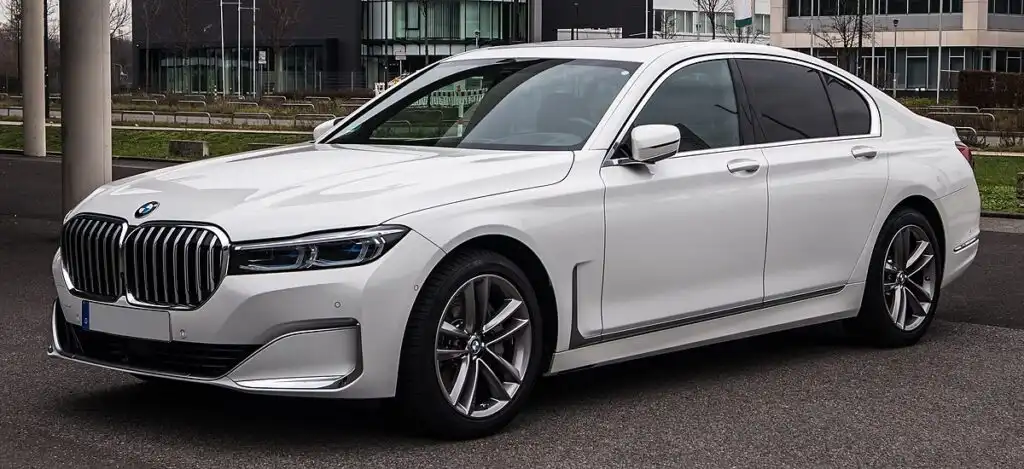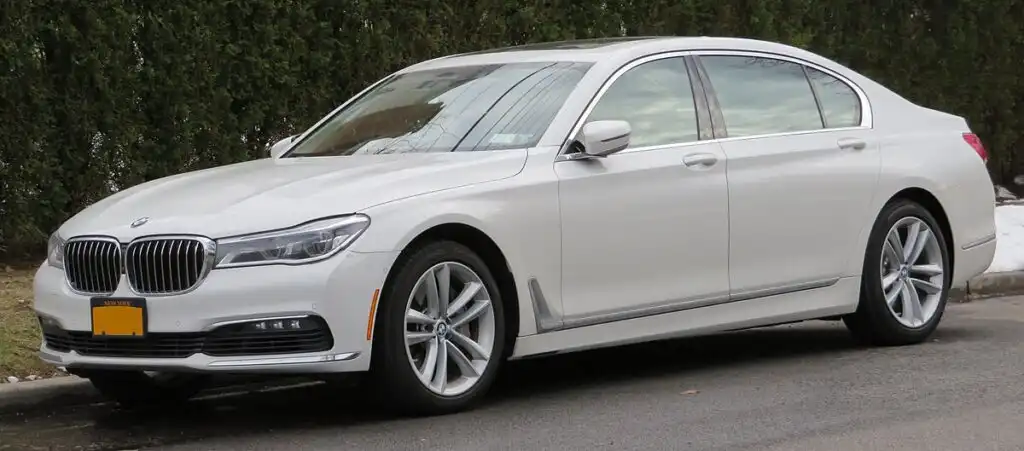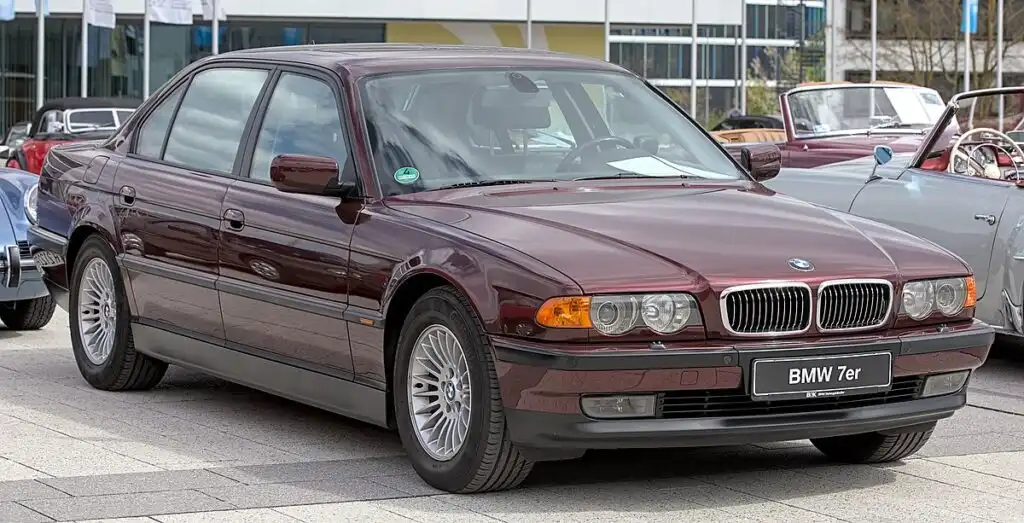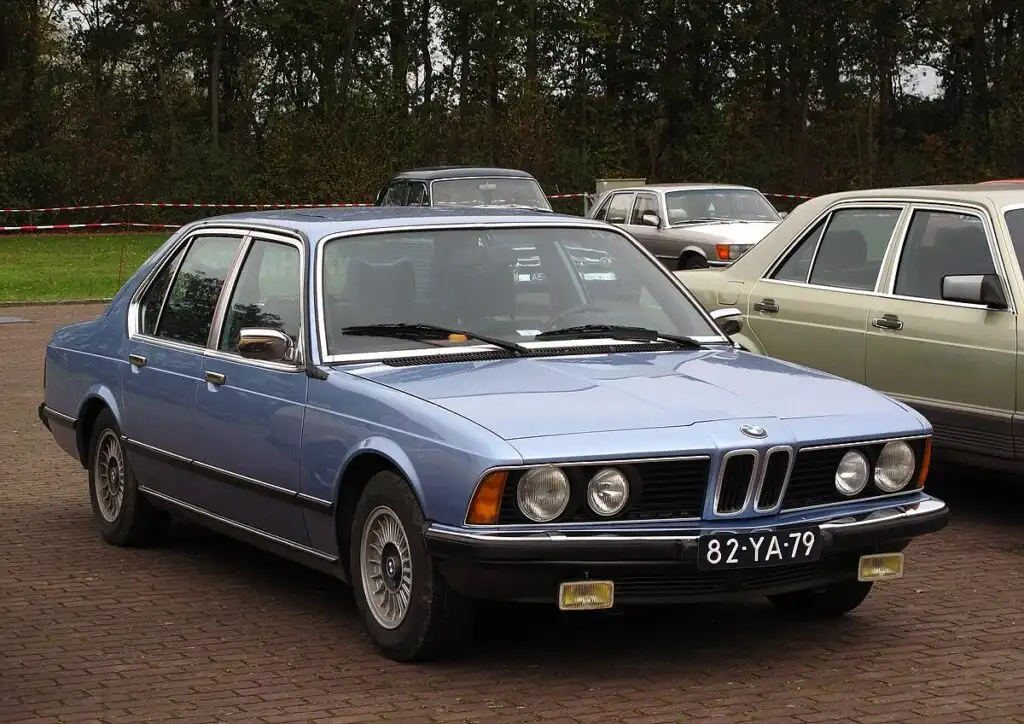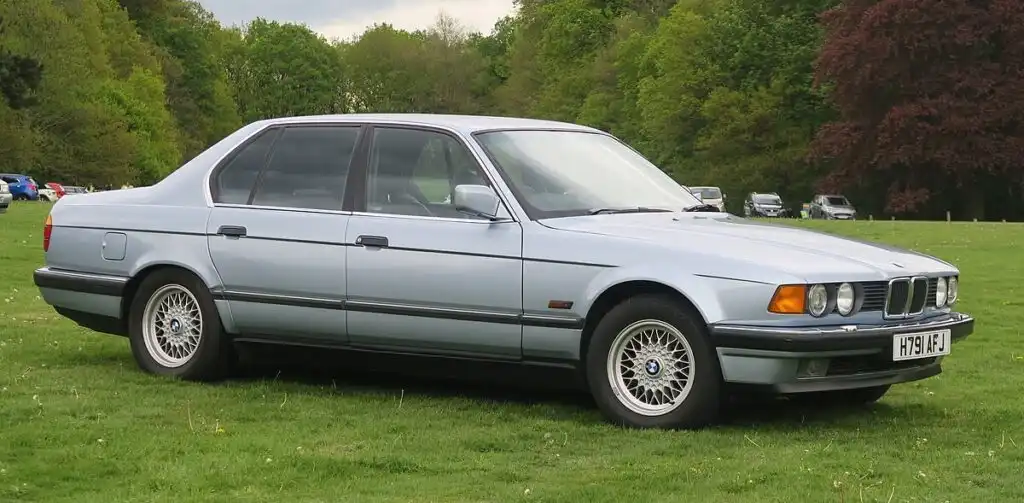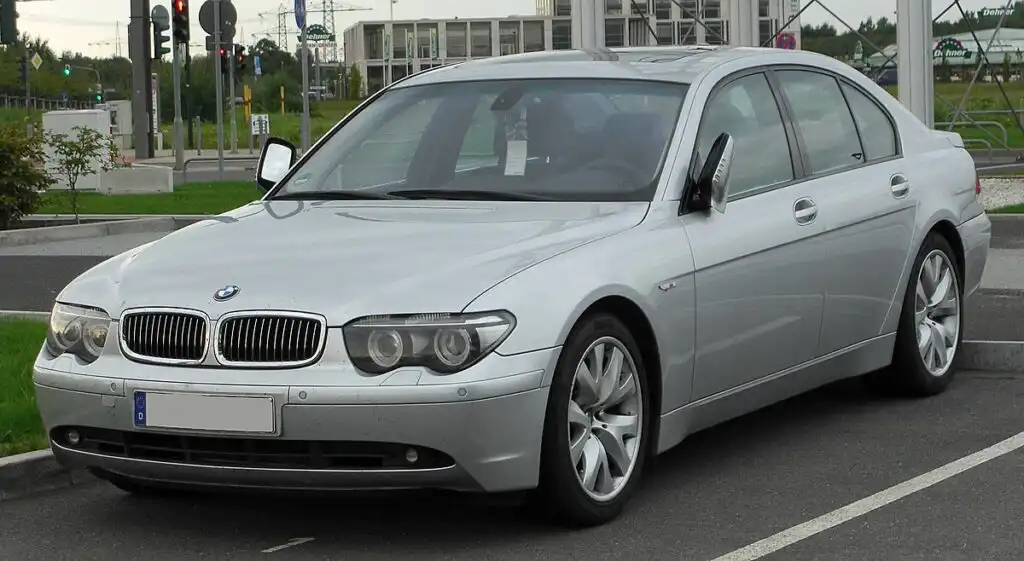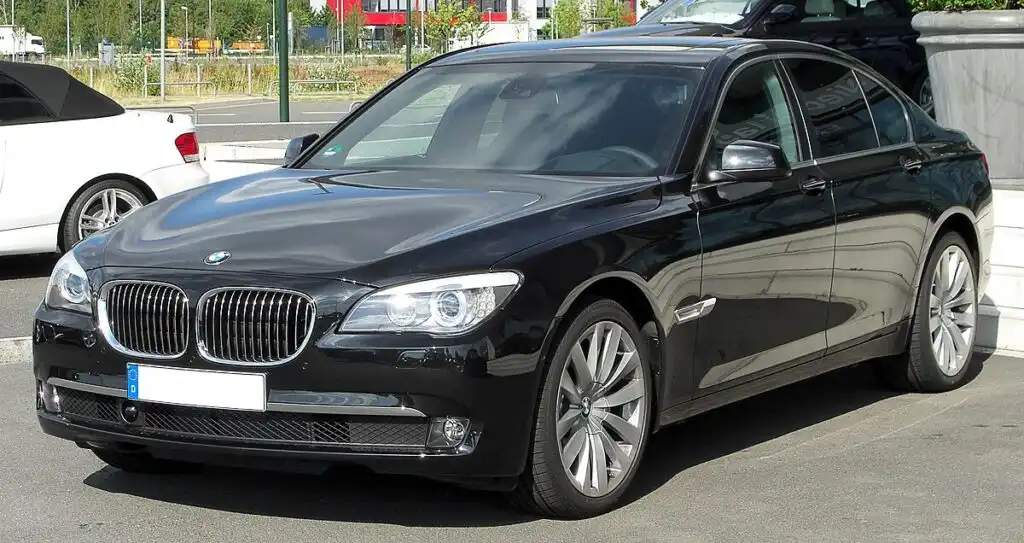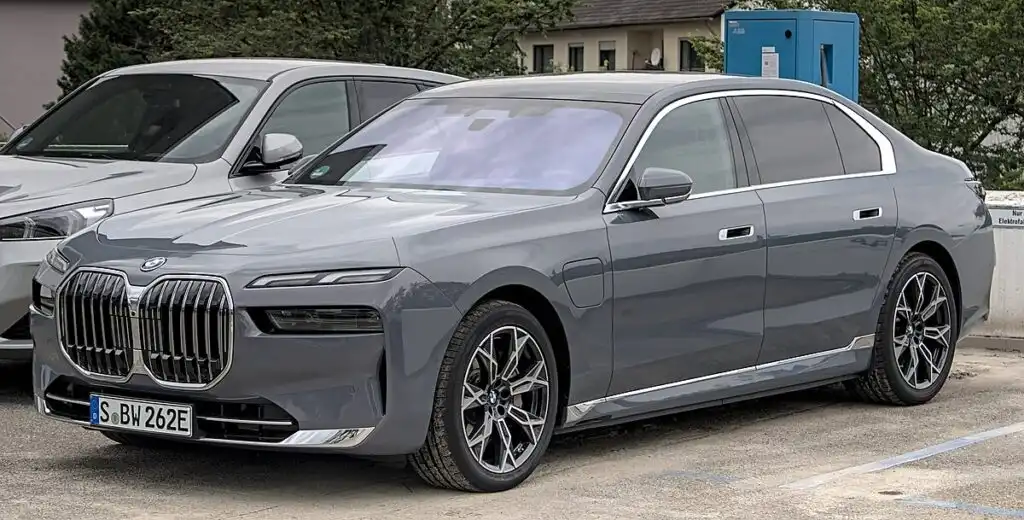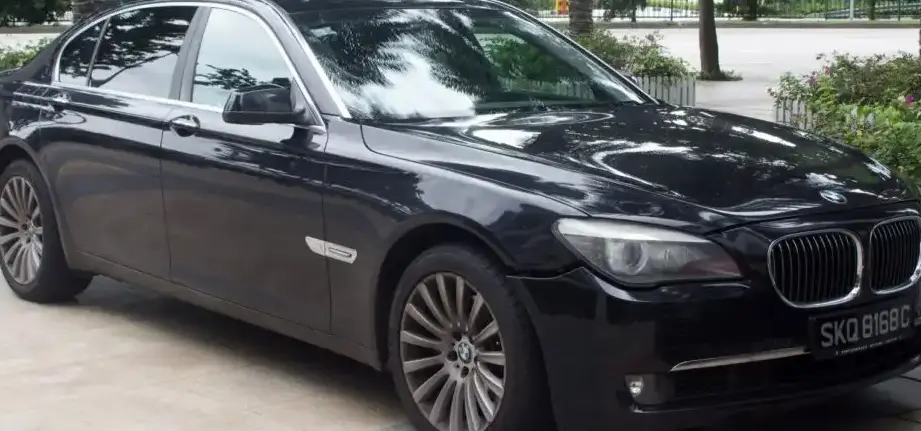
The BMW 7 Series Long (F02) 730Ld Steptronic, produced from 2008 to 2011, represented a significant offering in the luxury sedan segment, particularly in European and Asian markets. As a long-wheelbase variant of the F02 generation 7 Series, the 730Ld was specifically designed to cater to customers prioritizing rear passenger comfort and a refined driving experience. This model occupied a middle ground within the 7 Series lineup, positioned below the higher-performance 740i and 750i, and offering a diesel-powered alternative to the gasoline engines. The “Ld” designation signified a long wheelbase and a diesel engine, while “Steptronic” denoted BMW’s automatic transmission.
Technical Specifications
| Brand | BMW |
| Model | 7 Series |
| Generation | 7 Series Long (F02) |
| Type (Engine) | 730Ld (245 Hp) Steptronic |
| Start of production | 2008 |
| End of production | 2011 |
| Powertrain Architecture | Internal Combustion engine |
| Body type | Sedan |
| Seats | 5 |
| Doors | 4 |
| Fuel consumption (economy) – urban (NEDC) | 9.1 l/100 km (25.8 US mpg, 31 UK mpg, 11 km/l) |
| Fuel consumption (economy) – extra urban (NEDC) | 5.6 l/100 km (42 US mpg, 50.4 UK mpg, 17.9 km/l) |
| Fuel consumption (economy) – combined (NEDC) | 6.9 l/100 km (34.1 US mpg, 40.9 UK mpg, 14.5 km/l) |
| CO2 emissions (NEDC) | 180 g/km |
| Fuel Type | Diesel |
| Acceleration 0 – 100 km/h | 7.3 sec |
| Acceleration 0 – 62 mph | 7.3 sec |
| Acceleration 0 – 60 mph | 6.9 sec |
| Maximum speed | 245 km/h (152.24 mph) |
| Emission standard | Euro 5 |
| Weight-to-power ratio | 7.8 kg/Hp, 128.9 Hp/tonne |
| Weight-to-torque ratio | 3.5 kg/Nm, 284.2 Nm/tonne |
| Power | 245 Hp @ 4000 rpm |
| Power per litre | 81.9 Hp/l |
| Torque | 540 Nm @ 1750-3000 rpm (398.28 lb.-ft. @ 1750-3000 rpm) |
| Engine layout | Front, Longitudinal |
| Engine Model/Code | N57D30A |
| Engine displacement | 2993 cm3 (182.64 cu. in.) |
| Number of cylinders | 6 |
| Engine configuration | Inline |
| Cylinder Bore | 84 mm (3.31 in.) |
| Piston Stroke | 90 mm (3.54 in.) |
| Compression ratio | 16.5:1 |
| Number of valves per cylinder | 4 |
| Fuel injection system | Diesel Commonrail |
| Engine aspiration | Twin-power turbo, Intercooler |
| Valvetrain | DOHC |
| Engine oil capacity | 6.5 l (6.87 US qt | 5.72 UK qt) |
| Coolant | 8.9 l (9.4 US qt | 7.83 UK qt) |
| Kerb Weight | 1900 kg (4188.78 lbs.) |
| Max. weight | 2530 kg (5577.7 lbs.) |
| Max load | 630 kg (1388.91 lbs.) |
| Trunk (boot) space – minimum | 500 l (17.66 cu. ft.) |
| Fuel tank capacity | 80 l (21.13 US gal | 17.6 UK gal) |
| Max. roof load | 100 kg (220.46 lbs.) |
| Permitted trailer load with brakes (12%) | 2100 kg (4629.71 lbs.) |
| Permitted trailer load without brakes | 750 kg (1653.47 lbs.) |
| Permitted towbar download | 100 kg (220.46 lbs.) |
| Length | 5212 mm (205.2 in.) |
| Width | 1902 mm (74.88 in.) |
| Height | 1479 mm (58.23 in.) |
| Wheelbase | 3210 mm (126.38 in.) |
| Front track | 1611 mm (63.43 in.) |
| Rear (Back) track | 1650 mm (64.96 in.) |
| Ride height (ground clearance) | 147 mm (5.79 in.) |
| Drag coefficient (Cd) | 0.29 |
| Minimum turning circle (turning diameter) | 12.7 m (41.67 ft.) |
| Drivetrain Architecture | The Internal combustion engine (ICE) drives the rear wheels of the vehicle. |
| Drive wheel | Rear wheel drive |
| Number of gears and type of gearbox | 6 gears, automatic transmission Steptronic |
| Front suspension | Independent multi-link suspension |
| Rear suspension | Independent multi-link suspension |
| Front brakes | Ventilated discs, 348×36 mm |
| Rear brakes | Ventilated discs, 345×24 mm |
| Assisting systems | ABS (Anti-lock braking system) |
| Steering type | Steering rack and pinion |
| Power steering | Hydraulic Steering |
| Tires size | 245/55 R 17 |
| Wheel rims size | 8J x 17 |
Powertrain & Engine Architecture
The heart of the 730Ld was the N57D30A, a 3.0-liter inline-six diesel engine. This engine was a cornerstone of BMW’s diesel offerings during this period, known for its blend of performance and efficiency. The N57 featured common-rail direct injection, delivering fuel at extremely high pressure for optimized combustion. A twin-turbocharger setup, incorporating a variable geometry turbocharger (VGT) and a smaller turbocharger, provided a broad torque curve and minimized turbo lag. The engine also incorporated an intercooler to further enhance performance. The Steptronic automatic transmission, a six-speed unit, was specifically tuned to complement the diesel engine’s characteristics, prioritizing smooth shifts and efficient power delivery. The transmission offered both automatic and manual shift modes, allowing drivers to tailor the driving experience.
Driving Characteristics
The 730Ld, with its 245 horsepower and 540 Nm (398 lb-ft) of torque, offered a relaxed and refined driving experience. While not as overtly sporty as its gasoline-powered siblings, the diesel engine provided ample torque from low engine speeds, resulting in strong acceleration in everyday driving situations. The 0-60 mph time of around 6.9 seconds was respectable for a large luxury sedan. The Steptronic transmission contributed to a smooth and seamless driving experience, with well-spaced gear ratios optimized for both fuel economy and performance. Compared to the 730i (gasoline), the 730Ld prioritized fuel efficiency and low-end torque, making it ideal for long-distance cruising. It lacked the high-revving character of the gasoline engines, but offered a more effortless and economical driving experience.
Equipment & Trim Levels
The 730Ld Long wheelbase model came standard with a comprehensive array of luxury features. Interior appointments typically included leather upholstery, power-adjustable front seats with memory function, and a premium sound system. Standard features also included automatic climate control, a navigation system, and parking sensors. The long wheelbase provided significantly more rear legroom, enhancing passenger comfort. Optional extras included features like massaging seats, a rear entertainment system, upgraded leather trim, and various driver-assistance systems. Trim levels were relatively streamlined, with options primarily focused on individual customization rather than distinct packages.
Chassis & Braking
The F02 7 Series featured an advanced chassis design focused on ride comfort and handling. The 730Ld utilized an independent multi-link suspension system at both the front and rear axles, providing a smooth and controlled ride. The suspension was electronically controlled, adapting to road conditions and driving style. Braking duties were handled by ventilated disc brakes on all four wheels, coupled with ABS (Anti-lock Braking System) and electronic stability control. The 730Ld’s weight, approximately 1900 kg (4189 lbs), was managed effectively by the suspension and braking systems, providing confident stopping power and stable handling.
Market Reception & Comparison
The 730Ld was generally well-received by automotive critics, particularly for its fuel efficiency and refined driving experience. It was often praised for its comfortable ride, spacious interior, and strong torque output. However, some critics noted that the diesel engine lacked the responsiveness and refinement of the gasoline engines. Compared to the 740i, the 730Ld offered a more economical alternative, while the 750i provided significantly more power and performance. In terms of reliability, the N57 engine proved to be generally robust, although some issues related to the diesel particulate filter (DPF) and turbocharger were reported.
Legacy
The BMW 730Ld (F02) remains a desirable used luxury sedan, particularly for those seeking a comfortable and fuel-efficient long-distance cruiser. The N57 engine has proven to be relatively durable, although regular maintenance, including DPF regeneration and oil changes, is crucial. The Steptronic transmission is also generally reliable, but requires proper servicing. Today, these vehicles represent a good value proposition in the used luxury car market, offering a blend of comfort, performance, and technology at a more accessible price point. The 730Ld’s success helped solidify BMW’s position as a leader in the luxury diesel segment, paving the way for future generations of efficient and refined diesel-powered vehicles.