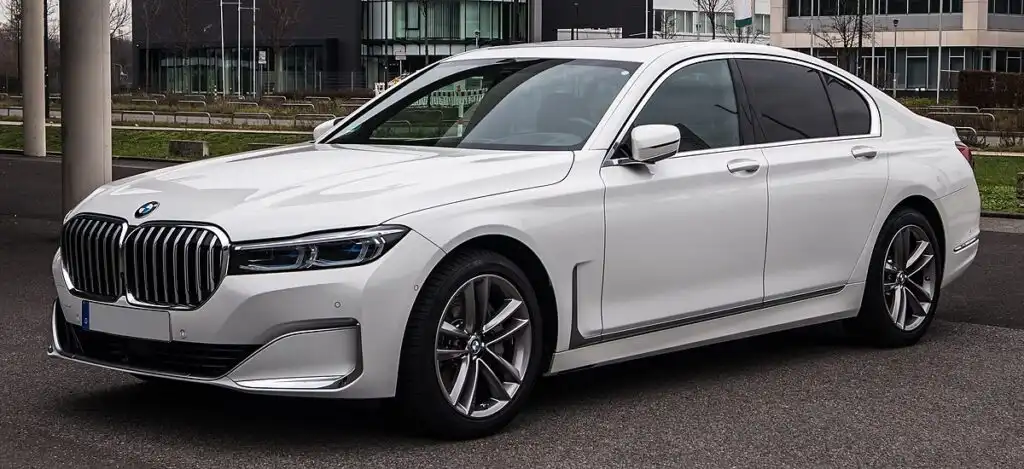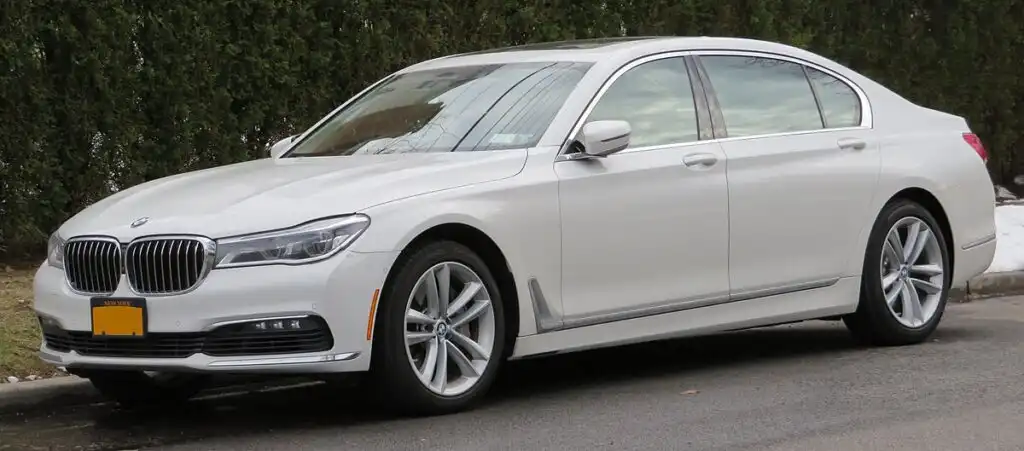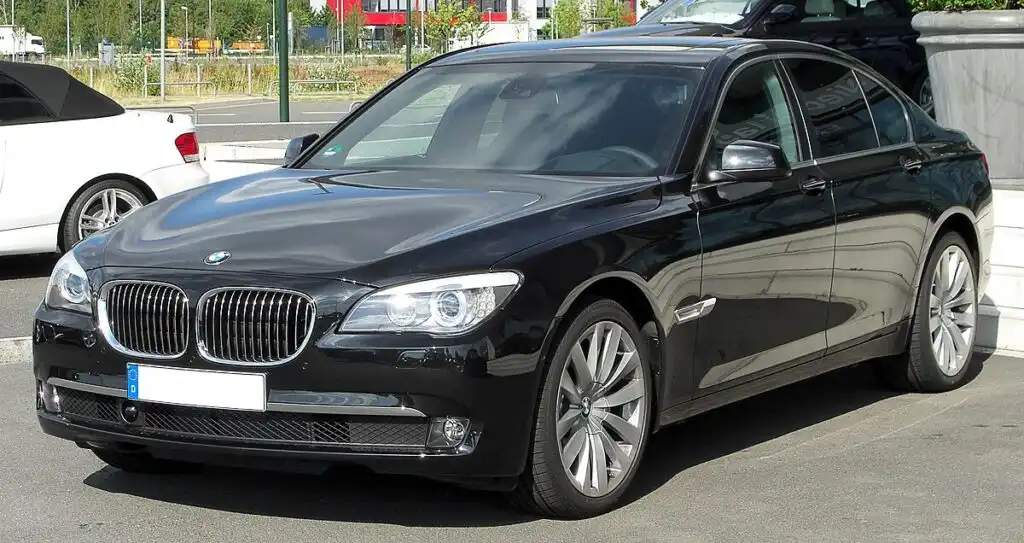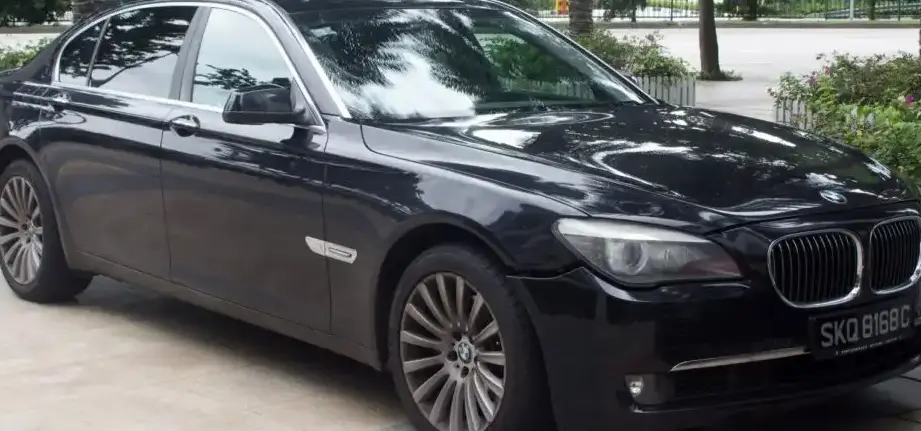
The BMW 750Li (F02) represents the long-wheelbase variant of the sixth-generation BMW 7 Series, produced from 2008 to 2011. Positioned as a flagship luxury sedan, the 750Li specifically denotes the model equipped with the N63B44A 4.4-liter twin-turbocharged V8 engine and BMW’s six-speed Steptronic automatic transmission. This combination aimed to deliver a blend of high performance and refined comfort, primarily targeting buyers in markets where larger, chauffeur-driven vehicles were preferred, including the United States, China, and parts of Europe. The “Li” designation signifies the extended wheelbase, offering increased rear passenger legroom compared to the standard 750i.
Technical Specifications
| Brand | BMW |
| Model | 7 Series |
| Generation | 7 Series Long (F02) |
| Type (Engine) | 750Li (408 Hp) Steptronic |
| Start of production | 2008 |
| End of production | 2011 |
| Powertrain Architecture | Internal Combustion engine |
| Body type | Sedan |
| Seats | 5 |
| Doors | 4 |
| Fuel consumption (economy) – urban | 16.4 l/100 km (14.3 US mpg, 17.2 UK mpg, 6.1 km/l) |
| Fuel consumption (economy) – extra urban | 8.5 l/100 km (27.7 US mpg, 33.2 UK mpg, 11.8 km/l) |
| Fuel consumption (economy) – combined | 11.4 l/100 km (20.6 US mpg, 24.8 UK mpg, 8.8 km/l) |
| Fuel Type | Petrol (Gasoline) |
| Acceleration 0 – 100 km/h | 5.3 sec |
| Acceleration 0 – 62 mph | 5.3 sec |
| Acceleration 0 – 60 mph | 5 sec |
| Maximum speed | 250 km/h (155.34 mph) |
| Emission standard | Euro 5 |
| Weight-to-power ratio | 4.9 kg/Hp, 206.1 Hp/tonne |
| Weight-to-torque ratio | 3.3 kg/Nm, 303 Nm/tonne |
| Power | 408 Hp @ 6400 rpm |
| Power per litre | 92.8 Hp/l |
| Torque | 600 Nm @ 4500 rpm (442.54 lb.-ft. @ 4500 rpm) |
| Engine layout | Front, Longitudinal |
| Engine Model/Code | N63B44A |
| Engine displacement | 4395 cm3 (268.2 cu. in.) |
| Number of cylinders | 8 |
| Engine configuration | V-engine |
| Cylinder Bore | 89 mm (3.5 in.) |
| Piston Stroke | 88.3 mm (3.48 in.) |
| Compression ratio | 10:1 |
| Number of valves per cylinder | 4 |
| Fuel injection system | Direct injection |
| Engine aspiration | Turbocharger, Intercooler |
| Valvetrain | DOHC |
| Engine oil capacity | 8.5 l (8.98 US qt | 7.48 UK qt) |
| Coolant | 13.5 l (14.27 US qt | 11.88 UK qt) |
| Kerb Weight | 1980 kg (4365.15 lbs.) |
| Max. weight | 2610 kg (5754.07 lbs.) |
| Max load | 630 kg (1388.91 lbs.) |
| Trunk (boot) space – minimum | 500 l (17.66 cu. ft.) |
| Fuel tank capacity | 82 l (21.66 US gal | 18.04 UK gal) |
| Length | 5212 mm (205.2 in.) |
| Width | 1902 mm (74.88 in.) |
| Height | 1478 mm (58.19 in.) |
| Wheelbase | 3210 mm (126.38 in.) |
| Front track | 1611 mm (63.43 in.) |
| Rear (Back) track | 1650 mm (64.96 in.) |
| Minimum turning circle | 12.2 m (40.03 ft.) |
| Drivetrain Architecture | Rear wheel drive |
| Number of gears and type of gearbox | 6 gears, automatic transmission Steptronic |
| Front suspension | Double wishbone |
| Rear suspension | Independent multi-link spring suspension with stabilizer |
| Front brakes | Ventilated discs |
| Rear brakes | Ventilated discs |
| Assisting systems | ABS (Anti-lock braking system) |
| Steering type | Steering rack and pinion |
| Power steering | Hydraulic Steering |
| Tires size | 245/50 R18 100Y RSC |
| Wheel rims size | 8J x 18EH2+IS30 |
Powertrain & Engine Architecture
The heart of the 750Li is the N63B44A 4.4-liter V8 engine. This engine utilizes direct fuel injection and twin-turbochargers to produce 408 horsepower and 600 Nm (442 lb-ft) of torque. The twin-turbo setup employs two small turbochargers positioned within the V of the engine, minimizing turbo lag and providing a broad torque curve. The engine also features variable valve timing (VANOS) and variable valve lift (Valvetronic) on both intake and exhaust sides, optimizing engine efficiency and responsiveness. The six-speed Steptronic automatic transmission is a conventional torque-converter automatic, but it offers a manual shift mode for more driver control. This transmission was known for its smooth shifts and responsiveness, though it lacked the efficiency of newer eight-speed automatics.
Driving Characteristics
The 750Li, with its 408 hp and 442 lb-ft of torque, delivered brisk acceleration. The 0-60 mph sprint was achieved in around 5 seconds, making it a genuinely quick luxury sedan. The Steptronic transmission, while smooth, wasn’t as aggressively geared as some competitors, prioritizing comfort over outright performance. Compared to the 750i with the same engine, the 750Li felt slightly heavier due to the extended wheelbase, but the difference in performance was minimal. The longer wheelbase also contributed to a more comfortable and stable ride, particularly at highway speeds. Compared to the 730d or 740i models, the 750Li offered significantly more power and a more luxurious experience, but at the cost of increased fuel consumption.
Equipment & Trim Levels
The 750Li came standard with a comprehensive list of luxury features, including leather upholstery, power-adjustable heated front seats, a premium sound system, a navigation system, and a sunroof. Rear passengers benefited from the extended wheelbase, enjoying increased legroom and available features like rear-seat entertainment. Optional extras included massaging seats, a rear refrigerator, and upgraded leather trim. The interior design emphasized elegance and sophistication, with high-quality materials and meticulous attention to detail. Dashboard configuration was typical of BMW at the time, with a driver-focused layout and intuitive controls.
Chassis & Braking
The 750Li featured a double-wishbone front suspension and an independent multi-link rear suspension, both with stabilizer bars. This setup provided a comfortable ride while maintaining good handling characteristics. The car was equipped with ventilated disc brakes on all four wheels, and an anti-lock braking system (ABS) was standard. The steering was hydraulic power-assisted, offering precise and responsive control. The suspension was tuned for comfort, prioritizing a smooth ride over sporty handling, but it still provided a secure and confident feel in corners.
Market Reception & Comparison
The 750Li was generally well-received by automotive critics, who praised its powerful engine, luxurious interior, and comfortable ride. However, some critics noted that the car’s fuel economy was relatively poor, and the Steptronic transmission wasn’t as advanced as those offered by some competitors. Compared to the Mercedes-Benz S-Class and Audi A8, the 750Li offered a more driver-focused experience, but the S-Class was often considered to have a more opulent interior. The 750Li’s fuel economy was significantly lower than the 730d, which offered comparable luxury with much better fuel efficiency.
Legacy
The N63B44A engine, while powerful, had some early reliability issues related to the turbochargers and fuel injectors. However, these issues were largely addressed with later revisions. Today, the F02 750Li is considered a desirable used luxury car, offering a blend of performance, comfort, and prestige. Maintenance costs can be high, particularly for the engine and transmission, but well-maintained examples can provide years of reliable service. The 750Li represents a significant step forward in BMW’s luxury sedan offerings, showcasing the brand’s engineering prowess and commitment to innovation.