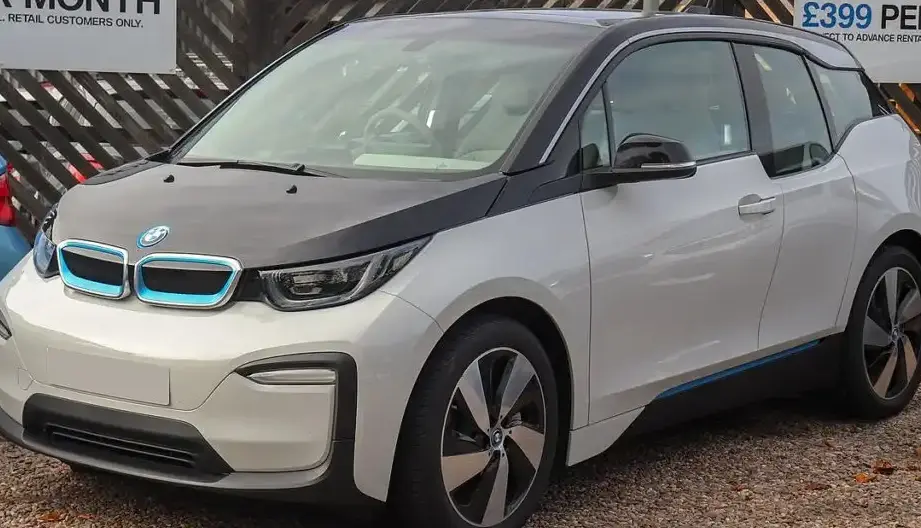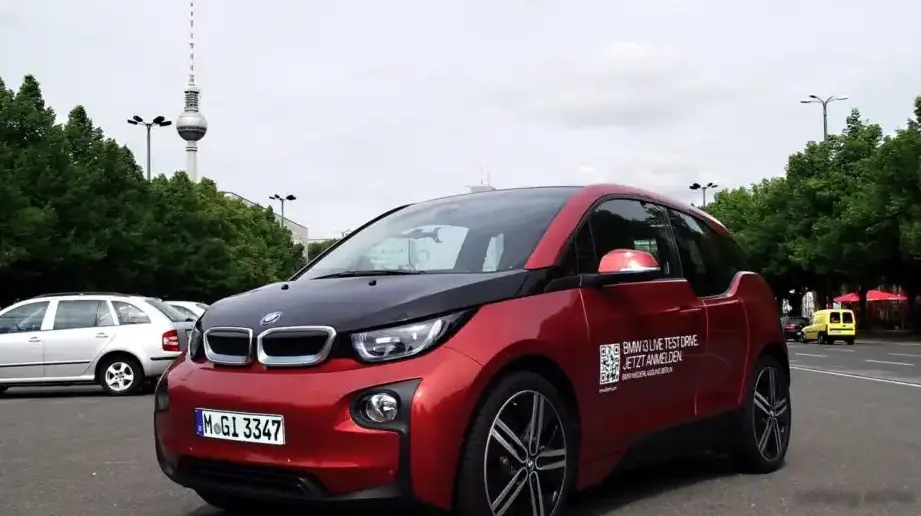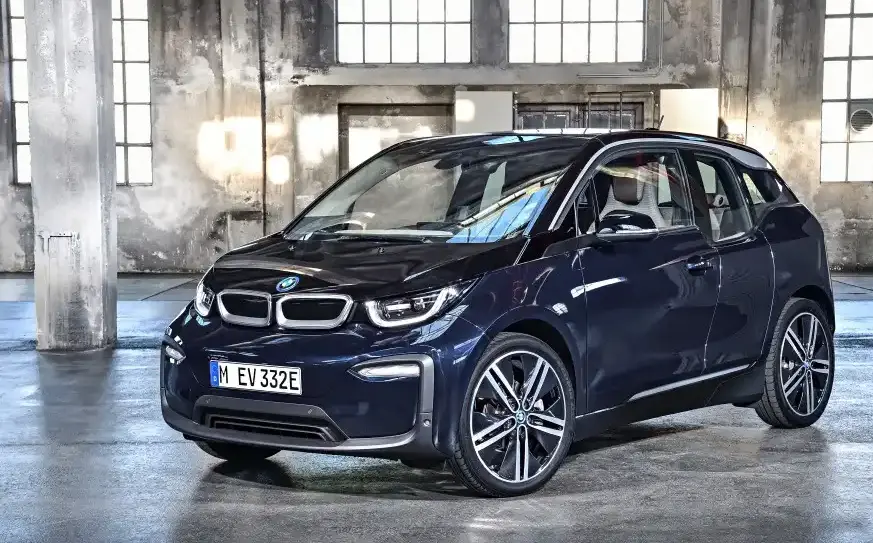
The BMW i3 (L01, facelifted in 2017) with the 33.2 kWh battery pack and 170 horsepower electric motor represents a significant evolution in BMW’s foray into electric vehicle technology. Produced from November 2017 to November 2018, this variant occupied a central position within the i3 lineup, offering a balance between range, performance, and price. It built upon the radical design and carbon fiber reinforced plastic (CFRP) construction of the original i3, addressing some early criticisms regarding battery capacity and real-world usability. This model was primarily aimed at the European and North American markets, where demand for compact, urban-focused electric vehicles was growing.
Technical Specifications
| Brand | BMW |
| Model | i3 |
| Generation | i3 (L01, facelift 2017) |
| Type (Engine) | 33.2 kWh (170 Hp) |
| Start of production | November, 2017 |
| End of production | November, 2018 |
| Powertrain Architecture | BEV (Electric Vehicle) |
| Body type | Hatchback |
| Seats | 4 |
| Doors | 5 |
| Fuel Type | Electricity |
| Acceleration 0 – 100 km/h | 7.3 sec |
| Acceleration 0 – 62 mph | 7.3 sec |
| Acceleration 0 – 60 mph | 6.9 sec |
| Maximum speed | 150 km/h (93.21 mph) |
| Weight-to-power ratio | 7.3 kg/Hp, 136.5 Hp/tonne |
| Weight-to-torque ratio | 5 kg/Nm, 200.8 Nm/tonne |
| Gross battery capacity | 33.2 kWh |
| Net (usable) battery capacity | 27.2 kWh |
| Battery voltage | 353 V |
| Battery technology | Lithium-ion (Li-Ion) |
| Battery weight | 270 kg (595.25 lbs) |
| Battery location | Below the floor |
| Recuperation output | 50 kW |
| All-electric range (WLTP) | 235-255 km (146.02 – 158.45 mi) |
| All-electric range | 290-300 km (180.2 – 186.41 mi) |
| Average Energy consumption | 13.1-13.6 kWh/100 km (21.08 – 21.89 kWh/100 mi) |
| MPGe | 160 – 154 |
| km/kWh | 7.6 – 7.4 |
| mi/kWh | 4.7 – 4.6 |
| Electric motor power | 170 Hp @ 4800 rpm |
| Electric motor Torque | 250 Nm (184.39 lb.-ft.) @ 0 rpm |
| Electric motor model/code | IB1P23M0 |
| Maximum revolutions of the electric motor | 12000 rpm |
| Electric motor location | Rear axle, Transverse |
| Electric motor type | Synchronous |
| System power | 170 Hp @ 4800 rpm |
| System torque | 250 Nm (184.39 lb.-ft.) |
| Kerb Weight | 1245 kg (2744.76 lbs) |
| Max. weight | 1670 kg (3681.72 lbs) |
| Max load | 425 kg (936.96 lbs) |
| Trunk (boot) space – minimum | 260 l (9.18 cu. ft.) |
| Trunk (boot) space – maximum | 1100 l (38.85 cu. ft.) |
| Length | 4011 mm (157.91 in) |
| Width | 1775 mm (69.88 in) |
| Width including mirrors | 2039 mm (80.28 in) |
| Height | 1598 mm (62.91 in) |
| Wheelbase | 2570 mm (101.18 in) |
| Front track | 1571 mm (61.85 in) |
| Rear (Back) track | 1576 mm (62.05 in) |
| Front overhang | 715 mm (28.15 in) |
| Rear overhang | 726 mm (28.58 in) |
| Ride height (ground clearance) | 139 mm (5.47 in) |
| Drag coefficient (Cd) | 0.29 |
| Minimum turning circle | 9.86 m (32.35 ft) |
| Drivetrain Architecture | One electric motor drives the rear wheels |
| Drive wheel | Rear wheel drive |
| Number of gears | 1 |
| Gearbox type | Automatic transmission |
| Front suspension | Independent type McPherson |
| Rear suspension | Independent multi-link suspension |
| Front brakes | Ventilated discs |
| Rear brakes | Ventilated discs |
| Assisting systems | ABS (Anti-lock braking system) |
| Steering type | Steering rack and pinion |
| Power steering | Electric |
| Front tires | 155/70 R19; 155/60 R20 |
| Rear tires | 155/70 R19; 175/60 R19; 175/55 R20 |
| Front wheel rims | 5J x 19; 5J x 20 |
| Rear wheel rims | 5J x 19; 5.5J x 19; 5.5J x 20 |
Powertrain & Engine Architecture
The 2017-2018 i3 facelift utilized a single, rear-mounted synchronous electric motor producing 170 horsepower and 250 Nm (184 lb-ft) of torque. This motor, designated IB1P23M0, delivered its peak power at 4800 rpm and maximum torque instantly, a characteristic of electric motors. The 33.2 kWh lithium-ion battery pack, positioned low in the vehicle’s floor, provided a usable capacity of 27.2 kWh. The battery management system (BMS) was crucial for optimizing battery life and performance, monitoring cell voltages, temperatures, and state of charge. The i3 featured a single-speed automatic transmission, simplifying the driving experience and maximizing efficiency. Regenerative braking, capable of up to 50 kW of recuperation, further enhanced range by converting kinetic energy back into electricity during deceleration.
Driving Characteristics
The i3 33.2 kWh offered a noticeably improved driving experience compared to earlier iterations with smaller battery packs. Acceleration from 0-60 mph took approximately 6.9 seconds, making it brisk for a compact city car. The instant torque delivery of the electric motor provided responsive acceleration, particularly at lower speeds. The rear-wheel-drive configuration contributed to a unique handling balance, although it required some acclimation for drivers accustomed to front-wheel-drive vehicles. The single-speed transmission meant there were no gear changes, resulting in smooth and linear acceleration. While not designed for high-speed cruising, the i3 felt stable at highway speeds, although range diminished significantly at higher velocities.
Equipment & Trim Levels
The i3 with the 33.2 kWh battery was typically offered with a generous level of standard equipment. This included features like automatic climate control, a 6.5-inch infotainment system with navigation, BMW ConnectedDrive services, and a suite of safety features such as lane departure warning and collision mitigation. Interior upholstery was typically a combination of cloth and recycled materials, reflecting BMW’s commitment to sustainability. Optional extras included larger infotainment screens, premium audio systems, leather upholstery, parking assist, and adaptive cruise control. The “Deka” interior trim was a popular option, featuring contrasting stitching and unique surface materials.
Chassis & Braking
The i3’s chassis was a defining feature, utilizing a CFRP passenger cell bonded to an aluminum drive module. This construction resulted in a remarkably lightweight vehicle, contributing to its efficiency and agility. The front suspension employed a McPherson strut design, while the rear featured a multi-link setup. Both front and rear brakes were ventilated discs, providing adequate stopping power. The electric power steering offered precise and responsive control. The relatively low weight of the vehicle meant that the braking system didn’t require excessive force to bring the car to a halt.
Market Reception & Comparison
The 2017-2018 i3 facelift was generally well-received by critics, who praised its innovative design, engaging driving dynamics, and improved range compared to earlier models. However, some criticisms remained regarding its limited rear passenger space and unconventional rear door configuration. Compared to other electric vehicles of the time, such as the Nissan Leaf and Volkswagen e-Golf, the i3 offered a more premium driving experience and a more distinctive design. Its fuel economy, measured in MPGe, was competitive with other EVs, and its reliability proved to be generally good, although battery degradation remained a concern for some owners.
Legacy
The BMW i3 33.2 kWh played a crucial role in establishing BMW as a leader in electric vehicle technology. It demonstrated the viability of CFRP construction in mass production and paved the way for future electric models from the brand. On the used car market, these i3s remain relatively sought after, particularly those with well-maintained batteries. While battery degradation is a factor to consider, the i3’s unique design, engaging driving dynamics, and commitment to sustainability continue to appeal to a niche but dedicated group of buyers. The powertrain, while not without its limitations, has proven to be reasonably durable, and parts availability remains good.