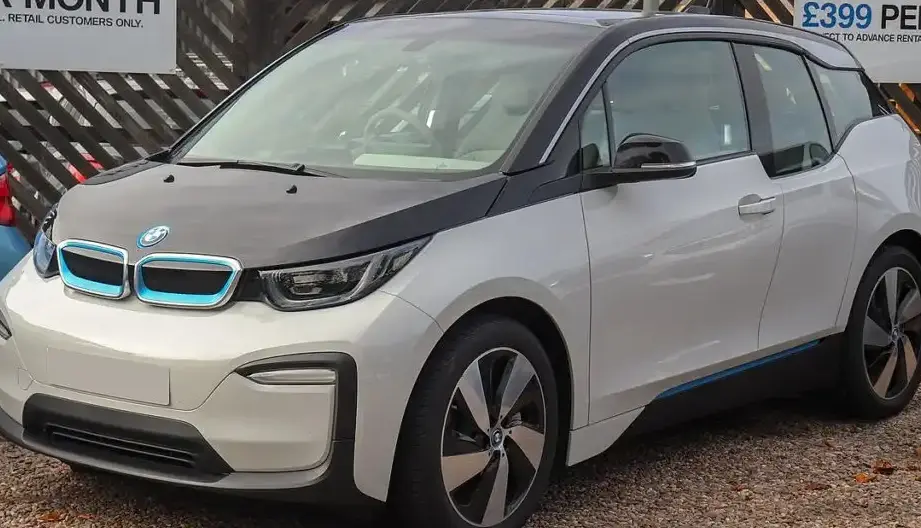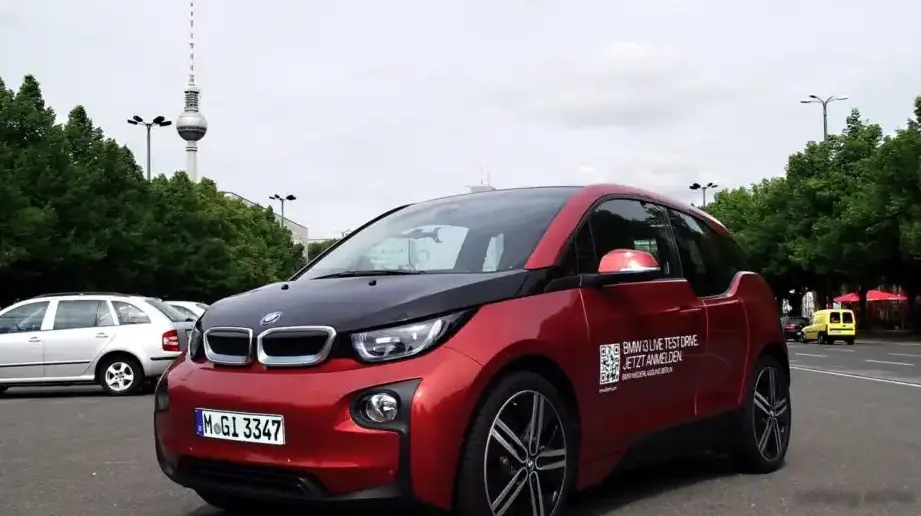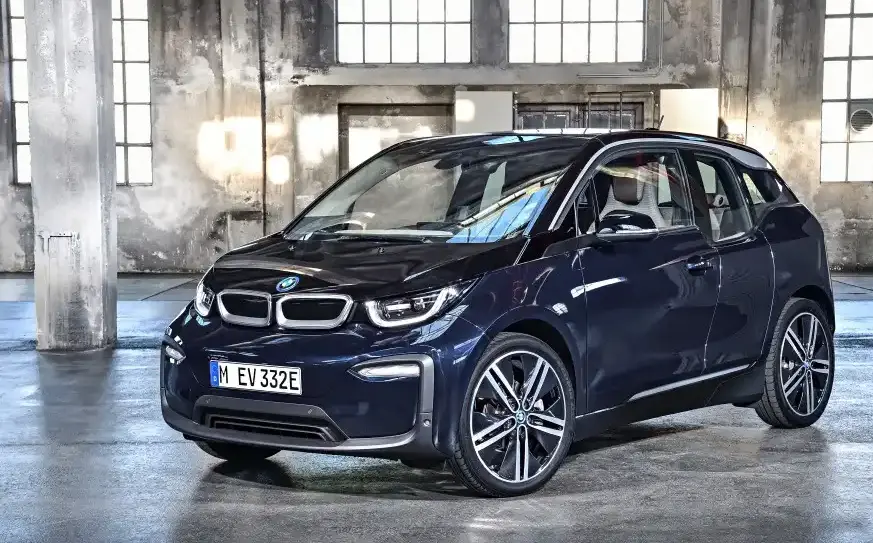
The BMW i3, specifically the 42.2 kWh variant producing 170 horsepower, represents a significant step in BMW’s early foray into mass-market electric vehicles. Introduced with the LCI (Life Cycle Impulse) facelift in November 2018 and continuing through July 2022, this version of the i3 built upon the foundation laid by the original i3 (I01) launched in 2013. It aimed to address range concerns and broaden the appeal of the innovative, yet initially niche, electric hatchback. This model year falls within the first generation of the i3, utilizing the dedicated UKL platform also underpinning the MINI Cooper Electric.
Technical Specifications
| Brand | BMW |
| Model | i3 |
| Generation | i3 (l01, facelift 2017) |
| Type (Engine) | 42.2 kWh (170 Hp) |
| Start of production | November, 2018 |
| End of production | July, 2022 |
| Powertrain Architecture | BEV (Electric Vehicle) |
| Body type | Hatchback |
| Seats | 4 |
| Doors | 5 |
| Fuel Type | Electricity |
| Acceleration 0 – 100 km/h | 7.3 sec |
| Acceleration 0 – 62 mph | 7.3 sec |
| Acceleration 0 – 60 mph | 6.9 sec |
| Maximum speed | 150 km/h (93.21 mph) |
| Weight-to-power ratio | 7.5 kg/Hp, 133.9 Hp/tonne |
| Weight-to-torque ratio | 5.1 kg/Nm, 196.9 Nm/tonne |
| Gross battery capacity | 42.2 kWh |
| Net (usable) battery capacity | 37.9 kWh |
| Battery voltage | 352 V |
| Battery technology | Lithium-ion (Li-Ion) |
| Battery location | Below the floor |
| Recuperation output | 50 kW |
| All-electric range (WLTP) | 285-310 km (177.09 – 192.63 mi) |
| All-electric range (NEDC, WLTP equivalent) | 359 km (223.07 mi) |
| Average Energy consumption (NEDC, WLTP equivalent) | 13.1 kWh/100 km (21.08 kWh/100 mi) |
| MPGe | 160 |
| km/kWh | 7.6 |
| mi/kWh | 4.7 |
| Electric motor power | 170 Hp @ 4800 rpm |
| Electric motor Torque | 250 Nm @ 0 rpm (184.39 lb.-ft.) |
| Electric motor model/code | IB1P23M0 |
| Maximum revolutions of the electric motor | 12000 rpm |
| Electric motor location | Rear axle, Transverse |
| Electric motor type | Synchronous |
| System power | 170 Hp @ 4800 rpm |
| System torque | 250 Nm (184.39 lb.-ft.) |
| Kerb Weight | 1270 kg (2799.87 lbs.) |
| Max. weight | 1710 kg (3769.9 lbs.) |
| Max load | 440 kg (970.03 lbs.) |
| Trunk (boot) space – minimum | 260 l (9.18 cu. ft.) |
| Trunk (boot) space – maximum | 1100 l (38.85 cu. ft.) |
| Length | 4011 mm (157.91 in.) |
| Width | 1775 mm (69.88 in.) |
| Width including mirrors | 2039 mm (80.28 in.) |
| Height | 1598 mm (62.91 in.) |
| Wheelbase | 2570 mm (101.18 in.) |
| Front track | 1571 mm (61.85 in.) |
| Rear (Back) track | 1576 mm (62.05 in.) |
| Front overhang | 715 mm (28.15 in.) |
| Rear overhang | 726 mm (28.58 in.) |
| Ride height (ground clearance) | 139 mm (5.47 in.) |
| Drag coefficient (Cd) | 0.29 |
| Minimum turning circle (turning diameter) | 9.86 m (32.35 ft.) |
| Drivetrain Architecture | One electric motor drives the rear wheels. |
| Drive wheel | Rear wheel drive |
| Number of gears and type of gearbox | 1 gears, automatic transmission |
| Front suspension | Independent type McPherson |
| Rear suspension | Independent multi-link suspension |
| Front brakes | Ventilated discs |
| Rear brakes | Ventilated discs |
| Assisting systems | ABS (Anti-lock braking system) |
| Steering type | Steering rack and pinion |
| Power steering | Electric Steering |
| Tires size | 155/70 R19 |
| Wheel rims size | 5J x 19 |
INTRODUCTION
The 2018-2022 BMW i3 42.2 kWh represents a pivotal update to BMW’s electric city car. The original i3, while groundbreaking in its use of carbon fiber reinforced plastic (CFRP) for the passenger cell and its unconventional design, was often criticized for its limited range. The 42.2 kWh battery pack, a significant increase from the earlier 21.6 kWh and 33 kWh options, addressed this concern, offering a real-world range of approximately 150-180 miles depending on driving conditions. Positioned as the mainstream offering within the i3 lineup, this variant aimed to appeal to a broader audience seeking a practical and environmentally conscious urban vehicle. It sat above the earlier, shorter-range models and below the i3s, which offered a slightly sportier tune.
Powertrain & Engine Architecture
At the heart of the i3 42.2 kWh is a single, rear-mounted electric motor, designated IB1P23M0. This synchronous electric motor produces 170 horsepower at 4800 rpm and 250 Nm (184 lb-ft) of torque, available instantly from 0 rpm – a characteristic of electric motors. The motor is paired with a single-speed automatic transmission, delivering seamless and linear acceleration. The 42.2 kWh battery pack, composed of lithium-ion cells, is located low in the vehicle’s floor, contributing to a low center of gravity and improved handling. The i3 utilizes a sophisticated battery management system (BMS) to optimize battery life, performance, and safety. The car also features regenerative braking, allowing the motor to recapture energy during deceleration, further extending range. The charging port is located on the front left fender and supports both AC and DC fast charging.
Driving Characteristics
The i3 42.2 kWh offers a unique driving experience. The instant torque delivery provides brisk acceleration, with 0-60 mph arriving in around 6.9 seconds. While not a performance car, it’s more than capable of keeping pace with city traffic. The single-speed transmission means there are no gear changes, resulting in smooth and effortless acceleration. The rear-wheel-drive configuration contributes to a playful and engaging driving feel, although traction can be limited in slippery conditions. Compared to the earlier i3 models with smaller batteries, the 42.2 kWh version offers a significantly more relaxed driving experience, reducing range anxiety. Compared to the i3s, which had a slightly stiffer suspension and more aggressive tuning, the 42.2 kWh model prioritizes comfort and efficiency.
Equipment & Trim Levels
The i3 42.2 kWh came standard with a comprehensive suite of features, including automatic climate control, a 10.25-inch infotainment screen with iDrive 6.0, navigation, Bluetooth connectivity, and a suite of safety features like automatic emergency braking and lane departure warning. Interior upholstery typically consisted of a combination of cloth and Sensatec (BMW’s synthetic leather). Optional extras included a sunroof, upgraded Harman Kardon audio system, parking assist, and various interior trim options. The i3’s interior design is minimalist and modern, with a focus on sustainable materials. The “Lounge” trim offered a more luxurious interior with upgraded materials and features.
Chassis & Braking
The i3’s chassis is a key element of its design. The CFRP passenger cell is exceptionally lightweight and rigid, contributing to the car’s nimble handling. The front suspension utilizes a McPherson strut design, while the rear features a multi-link setup. The i3 42.2 kWh is equipped with ventilated disc brakes on all four wheels, providing ample stopping power. ABS (Anti-lock Braking System) is standard. The relatively low weight of the vehicle, thanks to the CFRP construction, helps to minimize braking distances. The i3’s steering is electrically assisted, providing a light and precise feel.
Market Reception & Comparison
The i3 42.2 kWh was generally well-received by critics, who praised its increased range, comfortable ride, and innovative design. However, some criticized its unconventional styling and relatively high price compared to other electric vehicles in its class. Compared to the earlier i3 models, the 42.2 kWh version offered a significant improvement in range and usability. Compared to competitors like the Nissan LEAF and Chevrolet Bolt, the i3 offered a more premium driving experience and a more distinctive design, but at a higher price point. Fuel economy, expressed as MPGe, was around 160, making it highly efficient. Reliability has been generally good, with few major issues reported.
Legacy
The BMW i3 42.2 kWh played a crucial role in establishing BMW as a player in the electric vehicle market. It demonstrated BMW’s commitment to sustainable mobility and paved the way for future electric models. While production ended in 2022, the i3 remains a popular choice in the used car market, particularly among those seeking a stylish and environmentally friendly city car. The powertrain, while not without its limitations, has proven to be relatively reliable, and parts availability remains good. The i3’s innovative use of materials and its forward-thinking design continue to influence the automotive industry today.