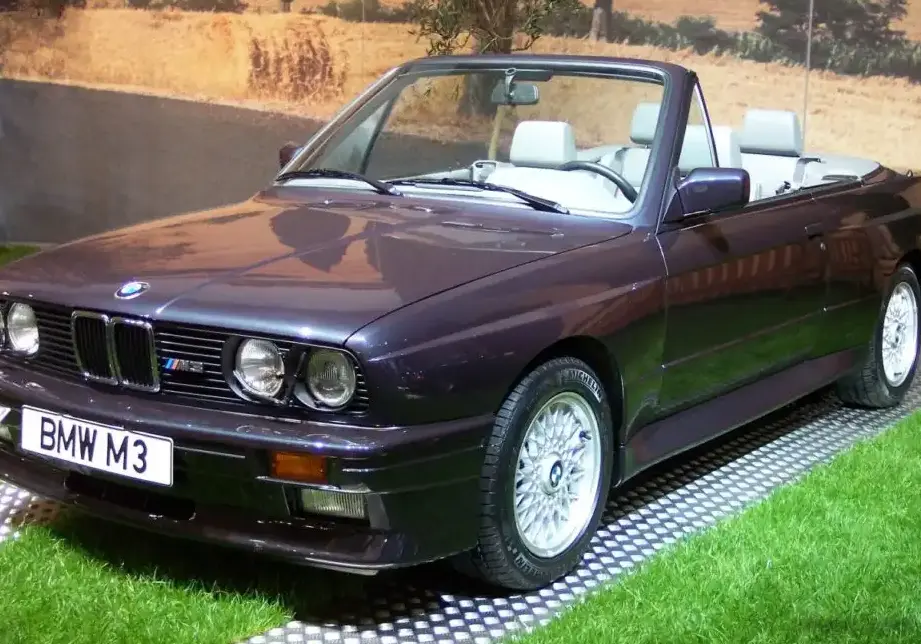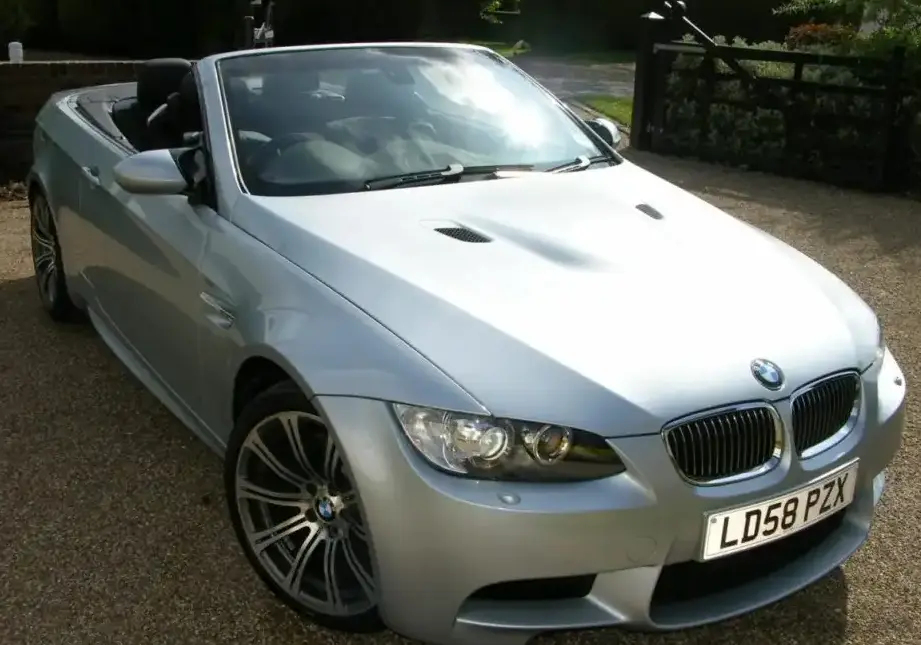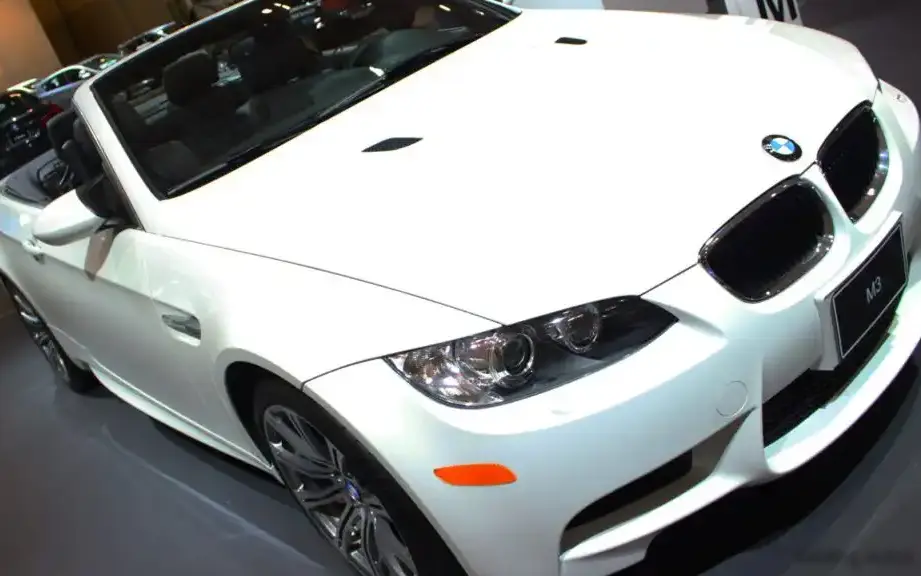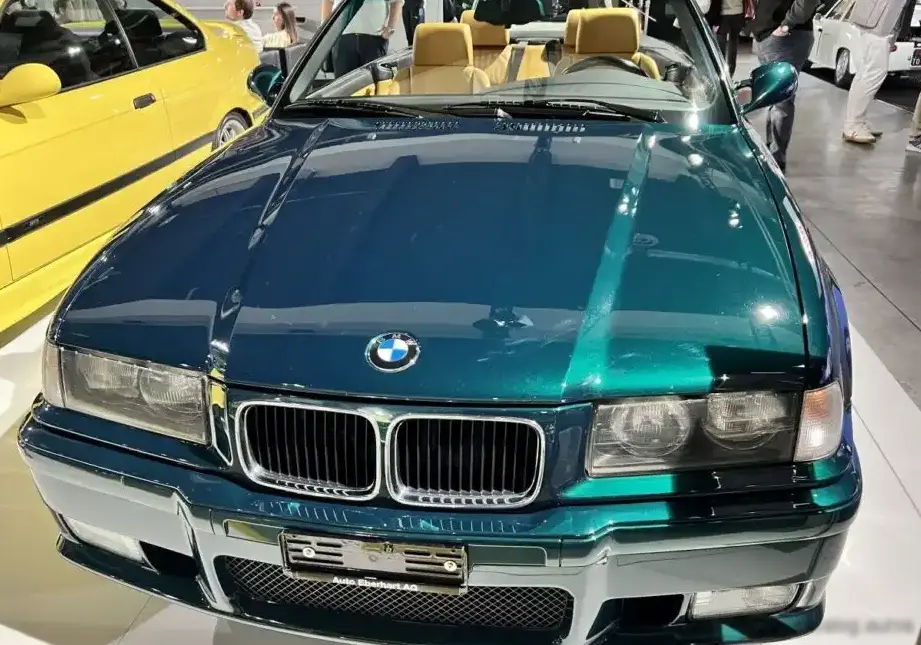
The BMW M3 Convertible (E36) 3.0i, produced from 1994 to 1995, represented the pinnacle of open-top performance within the E36 M3 generation. Positioned as the higher-performance variant of the E36 convertible, it offered a significant step up in power and handling compared to the standard 3-Series convertibles. This model was a key component of BMW’s strategy to deliver a thrilling driving experience in a stylish, open-air package, primarily targeted towards the North American and European markets. The E36 M3, in general, is highly regarded for bringing a more focused, performance-oriented approach to the 3-Series line, and the convertible version allowed enthusiasts to enjoy that experience with the added pleasure of open-air motoring.
Technical Specifications
| Brand | BMW |
| Model | M3 |
| Generation | M3 Convertible (E36) |
| Type (Engine) | 3.0i (286 Hp) |
| Start of production | 1994 |
| End of production | 1995 |
| Powertrain Architecture | Internal Combustion engine |
| Body type | Cabriolet |
| Seats | 4 |
| Doors | 2 |
| Fuel consumption (urban) | 13 l/100 km (18.1 US mpg, 21.7 UK mpg, 7.7 km/l) |
| Fuel consumption (extra urban) | 7.9 l/100 km (29.8 US mpg, 35.8 UK mpg, 12.7 km/l) |
| Fuel consumption (combined) | 9.1 l/100 km (25.8 US mpg, 31 UK mpg, 11 km/l) |
| Fuel Type | Petrol (Gasoline) |
| Acceleration 0 – 100 km/h | 6.2 sec |
| Acceleration 0 – 62 mph | 6.2 sec |
| Acceleration 0 – 60 mph | 5.9 sec |
| Maximum speed | 250 km/h (155.34 mph) |
| Weight-to-power ratio | 5.4 kg/Hp, 185.7 Hp/tonne |
| Weight-to-torque ratio | 4.8 kg/Nm, 207.8 Nm/tonne |
| Power | 286 Hp @ 7000 rpm |
| Power per litre | 95.7 Hp/l |
| Torque | 320 Nm @ 3600 rpm (236.02 lb.-ft. @ 3600 rpm) |
| Engine layout | Front, Longitudinal |
| Engine Model/Code | S50B30 |
| Engine displacement | 2990 cm3 (182.46 cu. in.) |
| Number of cylinders | 6 |
| Engine configuration | Inline |
| Cylinder Bore | 86 mm (3.39 in.) |
| Piston Stroke | 85.8 mm (3.38 in.) |
| Compression ratio | 10.8:1 |
| Number of valves per cylinder | 4 |
| Fuel injection system | Multi-port manifold injection |
| Engine aspiration | Naturally aspirated engine |
| Valvetrain | DOHC |
| Engine oil capacity | 7 l (7.4 US qt | 6.16 UK qt) |
| Coolant capacity | 10.75 l (11.36 US qt | 9.46 UK qt) |
| Kerb Weight | 1540 kg (3395.12 lbs.) |
| Max. weight | 1930 kg (4254.92 lbs.) |
| Max load | 390 kg (859.8 lbs.) |
| Trunk (boot) space – minimum | 230 l (8.12 cu. ft.) |
| Fuel tank capacity | 65 l (17.17 US gal | 14.3 UK gal) |
| Length | 4433 mm (174.53 in.) |
| Width | 1710 mm (67.32 in.) |
| Height | 1340 mm (52.76 in.) |
| Wheelbase | 2700 mm (106.3 in.) |
| Front track | 1422 mm (55.98 in.) |
| Rear (Back) track | 1444 mm (56.85 in.) |
| Drag coefficient (Cd) | 0.35 |
| Minimum turning circle | 10.7 m (35.1 ft.) |
| Drivetrain Architecture | Rear wheel drive |
| Number of gears | 5 gears, manual transmission |
| Front suspension | Wishbone |
| Rear suspension | Coil spring |
| Front brakes | Ventilated discs |
| Rear brakes | Ventilated discs |
| Assisting systems | ABS (Anti-lock braking system) |
| Steering type | Steering rack and pinion |
| Power steering | Hydraulic Steering |
| Tires size | 235/40 R17 |
| Wheel rims size | 17 |
Powertrain & Engine Architecture
The heart of the 1994-1995 M3 Convertible 3.0i is the S50B30 engine, a 3.0-liter inline-six cylinder powerplant. This engine is a derivative of the S50 engine initially developed for the European-market M3, but adapted for US emissions regulations. It features a cast iron block with an aluminum cylinder head, dual overhead camshafts (DOHC), and four valves per cylinder. The S50B30 utilizes Bosch Motronic 3.1 engine management, controlling multi-port fuel injection and ignition timing. The engine’s 86mm bore and 85.8mm stroke contribute to its 2990cc displacement. The 10.8:1 compression ratio further enhances performance. The engine’s robust design and careful engineering allowed it to produce 286 horsepower at 7000 rpm and 236 lb-ft of torque at 3600 rpm. The engine is mated to a 5-speed manual transmission, delivering power to the rear wheels. This configuration was chosen for its balance of performance and driver engagement.
Driving Characteristics
The 3.0i convertible offered a noticeably more engaging driving experience than the standard 3-Series convertibles of the time. The S50B30 engine provided strong acceleration, with a 0-60 mph time of around 5.9 seconds. While not as brutally quick as some contemporary sports cars, the M3 Convertible offered a refined and balanced driving experience. The 5-speed manual transmission provided precise shifts, allowing drivers to fully exploit the engine’s powerband. The suspension, tuned for performance, offered a firm but compliant ride, minimizing body roll during cornering. Compared to the later 3.2-liter M3, the 3.0i offered a slightly more raw and visceral driving experience, with a greater emphasis on driver involvement. The weight distribution, typical of BMW’s longitudinal engine layout, contributed to excellent handling balance.
Equipment & Trim Levels
The M3 Convertible 3.0i came standard with a comprehensive list of features, reflecting its premium positioning. Interior appointments included sport seats upholstered in leather, power windows, power locks, and a premium sound system. Standard exterior features included aerodynamic body styling, alloy wheels, and a power-operated soft top. Optional extras included a limited-slip differential, which further enhanced handling performance, and a sunroof. The interior trim was generally focused on functionality and sportiness, with a clear and concise instrument cluster and well-placed controls. The overall aesthetic was one of understated elegance, befitting a high-performance luxury vehicle.
Chassis & Braking
The E36 M3 Convertible utilized a reinforced chassis compared to the standard 3-Series, providing increased rigidity and improved handling. The suspension featured MacPherson struts in the front and a multi-link setup in the rear, optimized for performance driving. Braking duties were handled by ventilated disc brakes on all four wheels, providing ample stopping power. An Anti-lock Braking System (ABS) was standard, enhancing safety and control. The steering system was a rack-and-pinion setup with hydraulic power assistance, offering precise and responsive steering feel. The car rode on 17-inch alloy wheels, typically fitted with 235/40 R17 tires, providing a good balance of grip and ride comfort.
Market Reception & Comparison
The BMW M3 Convertible 3.0i was widely praised by automotive critics for its performance, handling, and overall driving experience. It was seen as a compelling alternative to other high-performance convertibles of the time, such as the Porsche 911 Cabriolet and the Mercedes-Benz SL. Compared to the standard 3-Series convertibles, the M3 offered a significant upgrade in terms of performance and handling. While the 3.2-liter M3 offered even more power and refinement, the 3.0i represented a sweet spot for many enthusiasts, offering a balance of performance, affordability, and driver engagement. Fuel economy was reasonable for a high-performance vehicle, averaging around 25.8 US mpg in combined driving.
Legacy
The E36 M3 Convertible 3.0i has become a highly sought-after classic among BMW enthusiasts. The S50B30 engine is known for its durability and reliability, provided it is properly maintained. These cars are increasingly collectible, with well-preserved examples commanding premium prices in the used car market. The E36 M3, in general, is considered a landmark vehicle in BMW’s history, representing a return to the brand’s performance roots. The 3.0i convertible, in particular, offers a unique combination of open-air motoring and thrilling performance, making it a desirable and rewarding vehicle for enthusiasts.