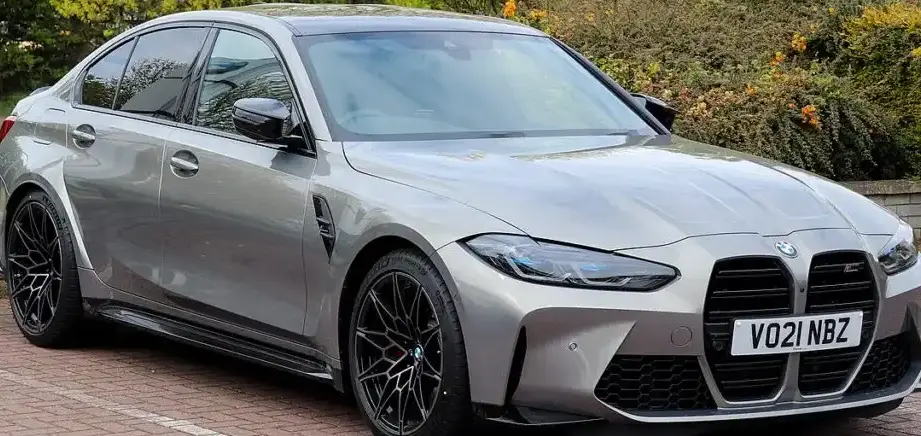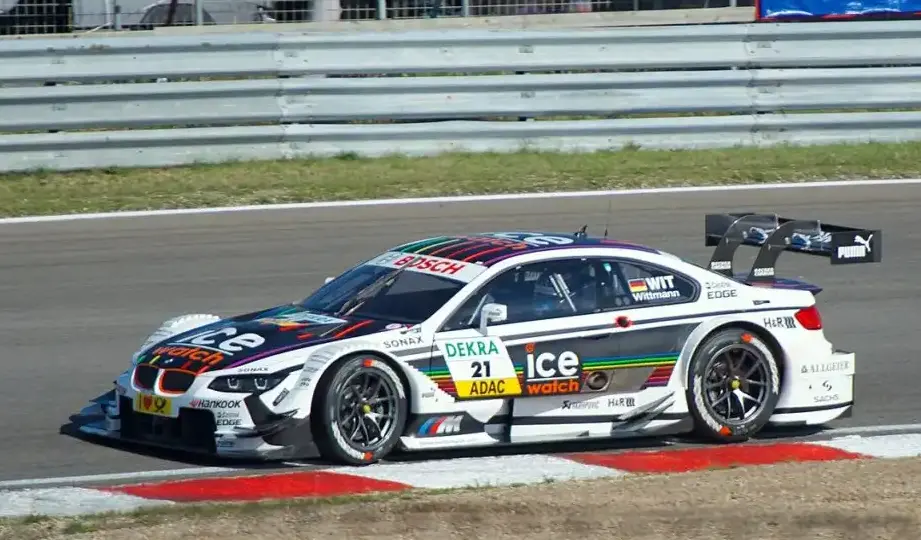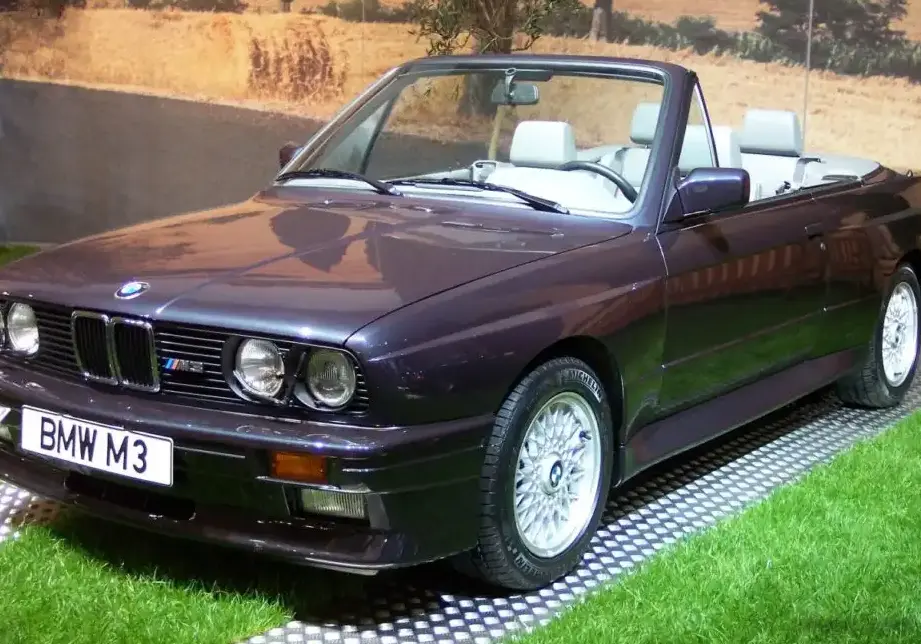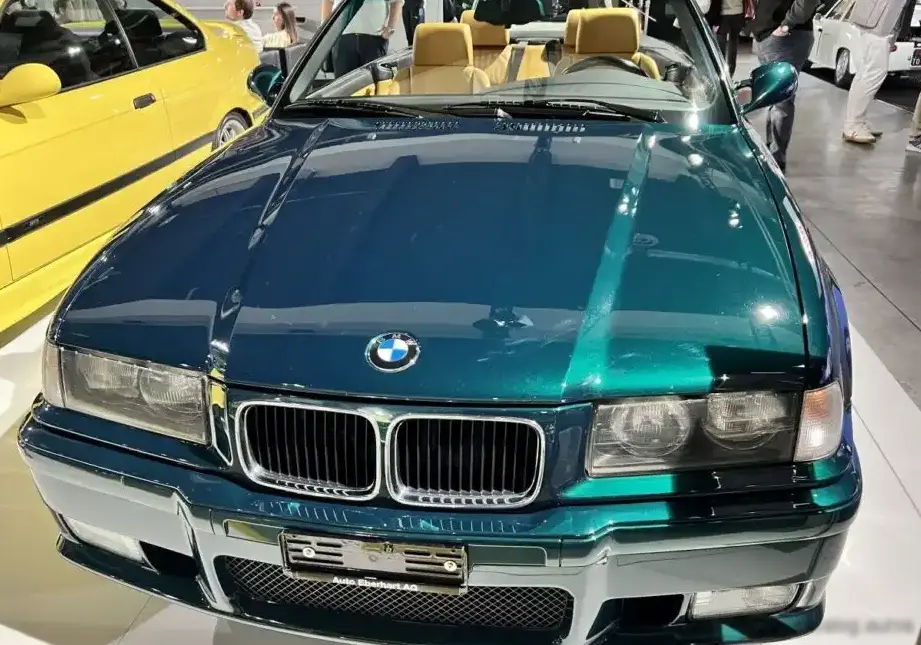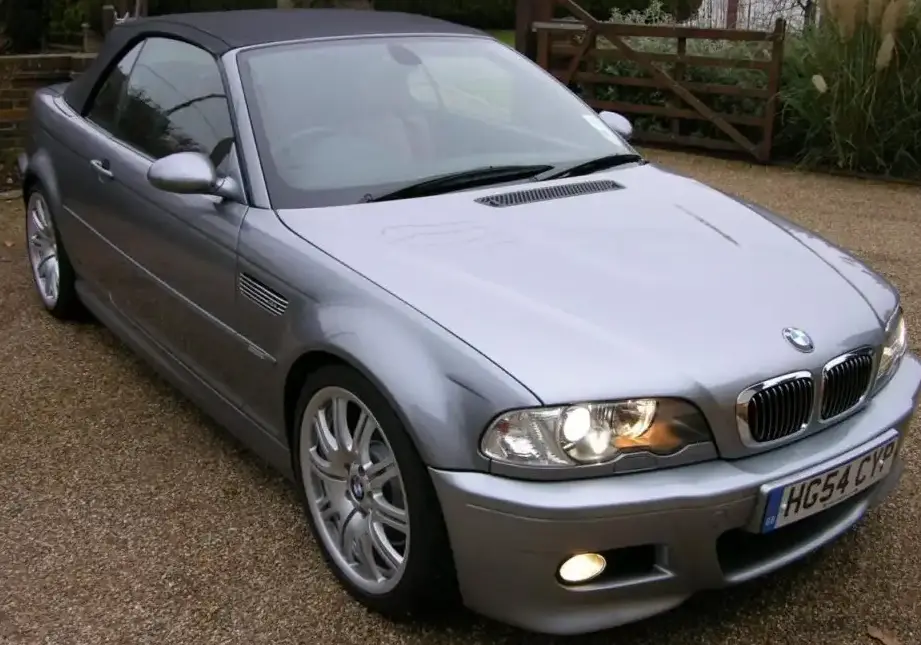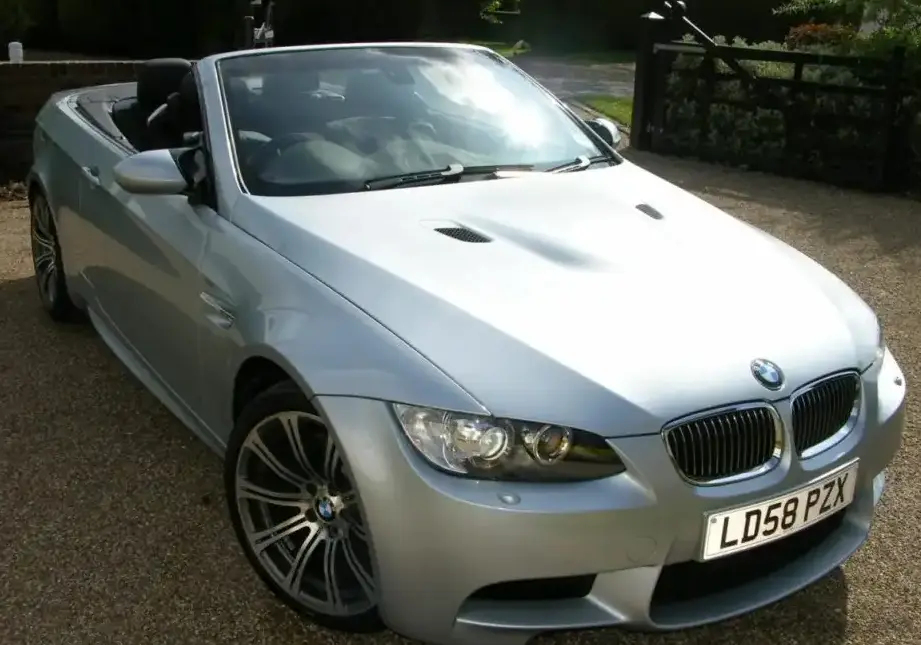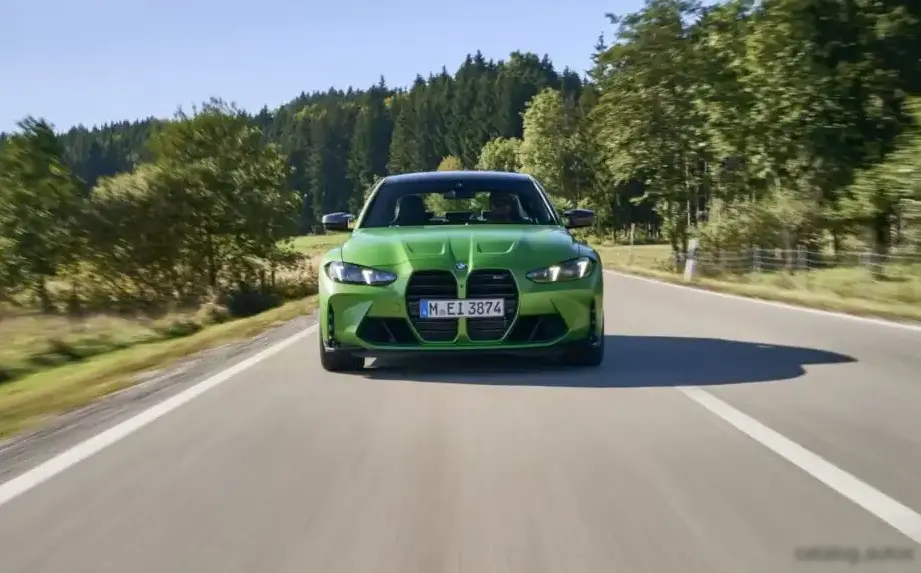
The BMW M3 (G80 LCI), introduced in July 2024, represents a significant facelift of the G80 generation M3. This iteration continues the tradition of high-performance sedans, building upon the foundation laid by its predecessor. The 3.0-liter (480 hp) variant occupies the core of the M3 lineup, offering a balance between exhilarating performance and everyday usability. It’s positioned as the primary offering, with more extreme Competition variants available for those seeking even greater power and track-focused capabilities. The G80 LCI addresses some criticisms of the initial G80 release, particularly concerning the controversial front grille design, and introduces updated technology and interior refinements.
Technical Specifications
| Brand | BMW |
| Model | M3 |
| Generation | M3 (G80 LCI, facelift 2024) |
| Type (Engine) | 3.0 (480 Hp) |
| Start of production | July, 2024 |
| Powertrain Architecture | Internal Combustion engine |
| Body type | Sedan |
| Seats | 5 |
| Doors | 4 |
| Combined fuel consumption (WLTP) | 10-10.1 l/100 km |
| Combined fuel consumption (US mpg) | 23.5 – 23.3 |
| CO2 emissions (WLTP) | 227-230 g/km |
| Fuel Type | Petrol (Gasoline) |
| Acceleration 0 – 100 km/h | 4.2 sec |
| Acceleration 0 – 62 mph | 4.2 sec |
| Acceleration 0 – 60 mph | 4.1 sec |
| Acceleration 0 – 200 km/h | 13.7 sec |
| Maximum speed | 250 km/h (155.34 mph) – Electronically limited |
| Emission standard | Euro 6e |
| Weight-to-power ratio | 3.6 kg/Hp, 281.5 Hp/tonne |
| Weight-to-torque ratio | 3.1 kg/Nm, 322.6 Nm/tonne |
| Power | 480 Hp @ 6250 rpm |
| Power per litre | 160.4 Hp/l |
| Torque | 550 Nm @ 2650-6130 rpm (405.66 lb.-ft. @ 2650-6130 rpm) |
| Engine layout | Front, Longitudinal |
| Engine Model/Code | S58B30T0 |
| Engine displacement | 2993 cm3 (182.64 cu. in.) |
| Number of cylinders | 6 |
| Engine configuration | Inline |
| Cylinder Bore | 84 mm (3.31 in.) |
| Piston Stroke | 90 mm (3.54 in.) |
| Compression ratio | 9.3:1 |
| Number of valves per cylinder | 4 |
| Fuel injection system | Direct injection |
| Engine aspiration | Twin-power turbo, Intercooler |
| Valvetrain | VALVETRONIC, Double-VANOS |
| Engine oil capacity | 7 l (7.4 US qt | 6.16 UK qt) |
| Kerb Weight | 1705 kg (3758.88 lbs.) |
| Max. weight | 2210 kg (4872.22 lbs.) |
| Max load | 505 kg (1113.33 lbs.) |
| Trunk (boot) space – minimum | 480 l (16.95 cu. ft.) |
| Fuel tank capacity | 59 l (15.59 US gal | 12.98 UK gal) |
| Length | 4794 mm (188.74 in.) |
| Width | 1903 mm (74.92 in.) |
| Width including mirrors | 2068 mm (81.42 in.) |
| Height | 1437 mm (56.57 in.) |
| Wheelbase | 2857 mm (112.48 in.) |
| Front track | 1617 mm (63.66 in.) |
| Rear (Back) track | 1605 mm (63.19 in.) |
| Front overhang | 860 mm (33.86 in.) |
| Rear overhang | 1077 mm (42.4 in.) |
| Ride height (ground clearance) | 123 mm (4.84 in.) |
| Drag coefficient (Cd) | 0.33 |
| Minimum turning circle (turning diameter) | 12.2 m (40.03 ft.) |
| Drivetrain Architecture | Rear wheel drive |
| Number of gears and type of gearbox | 6 gears, manual transmission |
| Front suspension | Spring Strut, Transverse stabilizer |
| Rear suspension | Independent multi-link spring suspension with stabilizer |
| Front brakes | Ventilated discs |
| Rear brakes | Ventilated discs |
INTRODUCTION
The BMW M3 (G80 LCI) 3.0, launched in July 2024, is a high-performance sedan that represents the latest evolution of BMW’s iconic M3. Built on the G80 platform, which shares its underpinnings with the G20 3 Series, the LCI (Life Cycle Impulse) brings refreshed styling, updated technology, and subtle mechanical improvements. This variant, powered by the 3.0-liter S58 inline-six engine producing 480 horsepower, serves as the standard M3 offering, positioned below the more potent Competition models. It aims to deliver a pure and engaging driving experience, appealing to enthusiasts who prioritize driver involvement and a balanced chassis.
Powertrain & Engine Architecture
At the heart of the M3 3.0 lies the S58B30T0, a 3.0-liter inline-six engine. This engine is a masterpiece of engineering, featuring a closed-deck block for enhanced rigidity, forged crankshaft, and lightweight connecting rods. It utilizes direct fuel injection operating at a maximum of 350 bar, ensuring precise fuel delivery and optimal combustion. The valvetrain employs BMW’s VALVETRONIC technology, allowing for fully variable valve lift and timing, and Double-VANOS, a variable valve timing system for both intake and exhaust camshafts. These technologies work in concert to optimize engine performance across the rev range. The engine is turbocharged by a twin-scroll turbocharger with an intercooler, delivering a substantial 550 Nm (405.66 lb.-ft.) of torque between 2650 and 6130 rpm. The 6-speed manual transmission is standard, providing a direct connection between the driver and the powertrain.
Driving Characteristics
The M3 3.0 with a manual transmission delivers a raw and engaging driving experience. The engine responds eagerly to throttle inputs, providing a linear power delivery that builds to a thrilling crescendo. The manual gearbox is precise and offers a satisfying mechanical feel. While not as brutally quick as the Competition models, the 4.1-second 0-60 mph acceleration is more than sufficient for most drivers. The chassis is well-balanced, offering excellent grip and predictable handling. The steering is precise and communicative, providing ample feedback to the driver. The suspension, tuned for performance, strikes a good balance between comfort and control, making it suitable for both daily driving and spirited track sessions.
Equipment & Trim Levels
The M3 3.0 comes standard with a comprehensive suite of features. Interior appointments include sport seats upholstered in Vernasca leather, a M-specific steering wheel, and carbon fiber trim. Standard technology includes BMW’s iDrive infotainment system with a 14.9-inch touchscreen display, a digital instrument cluster, and a premium sound system. Optional extras include a head-up display, adaptive cruise control, parking assist, and a variety of interior and exterior customization options. The LCI update brought revised interior trim options and updated infotainment features.
Chassis & Braking
The M3 3.0 features a robust chassis designed to handle the engine’s power. The front suspension utilizes a spring-strut design with a transverse stabilizer, while the rear suspension employs an independent multi-link setup, also with a stabilizer. This configuration provides excellent wheel control and minimizes body roll. The braking system consists of ventilated discs at all four corners, providing ample stopping power. ABS (Anti-lock braking system) is standard, along with electronic stability control and traction control. The standard wheel and tire setup consists of 18-inch front wheels with 275/40 R18 tires and 19-inch rear wheels with 285/35 R19 tires.
Market Reception & Comparison
The M3 3.0 has been well-received by automotive critics, who praise its engaging driving dynamics and balanced performance. Compared to the M3 Competition, the 3.0 is often favored by enthusiasts who prefer a more analog driving experience and a less aggressive power delivery. Fuel economy is rated at 10-10.1 l/100 km (23.5-23.3 US mpg), which is respectable for a high-performance sedan. Reliability is generally good, although preventative maintenance is crucial to ensure the longevity of the engine and drivetrain.
Legacy
The G80 M3 3.0 is poised to become a highly sought-after vehicle in the used car market. Its combination of performance, handling, and driver engagement makes it a compelling choice for enthusiasts. The S58 engine is known for its durability and tunability, and the manual transmission adds to its appeal. As with all high-performance vehicles, regular maintenance and careful driving are essential to preserve its value and ensure its long-term reliability. The LCI updates further enhance its desirability, addressing some of the initial criticisms and refining the overall package.