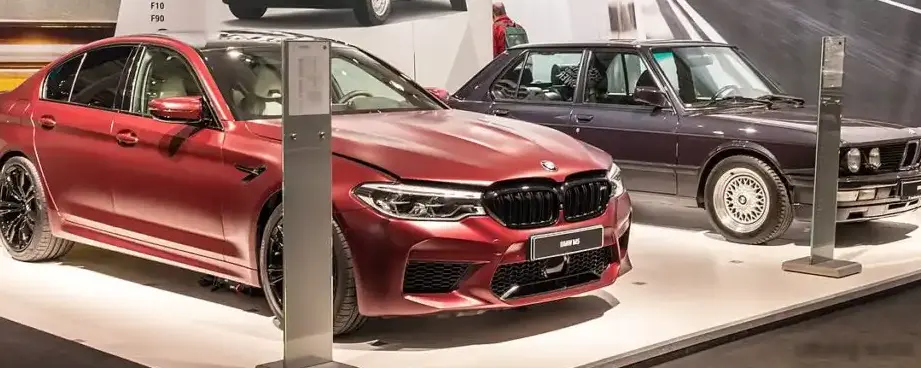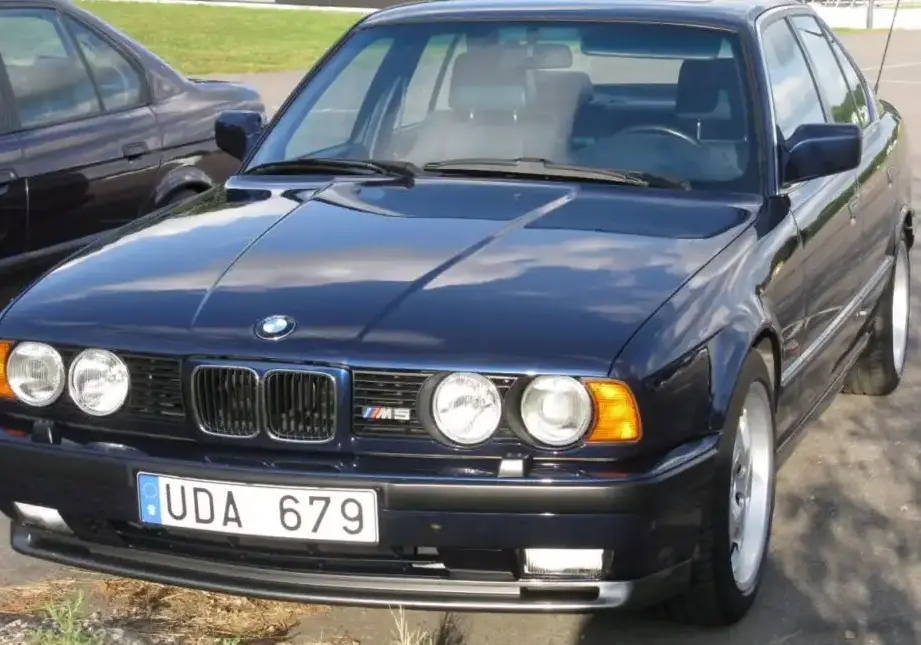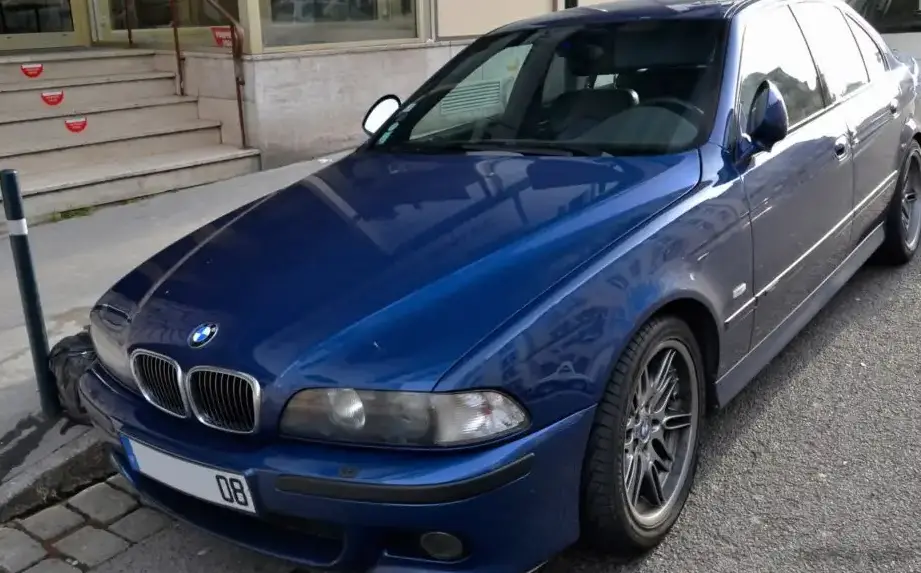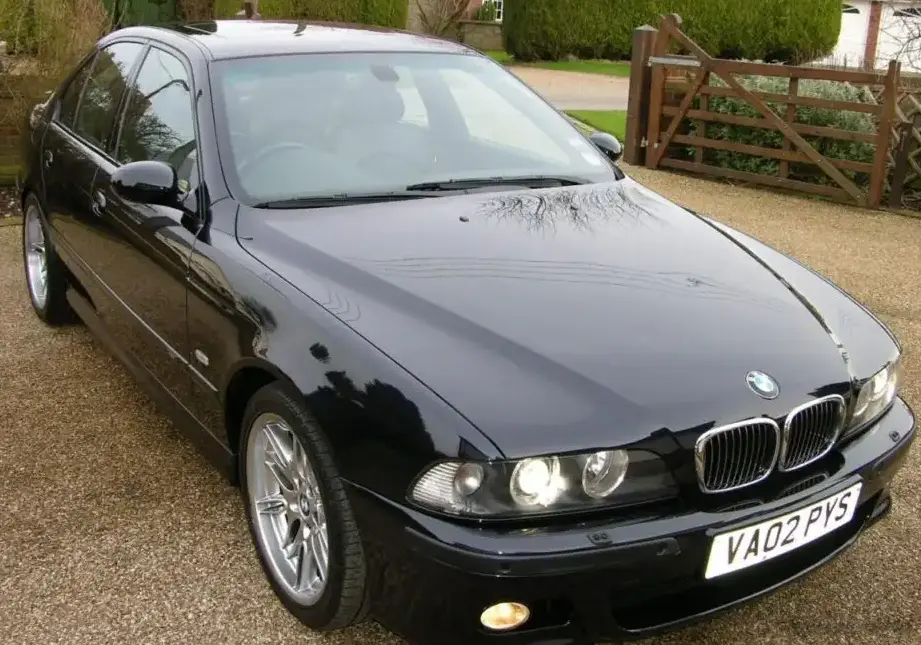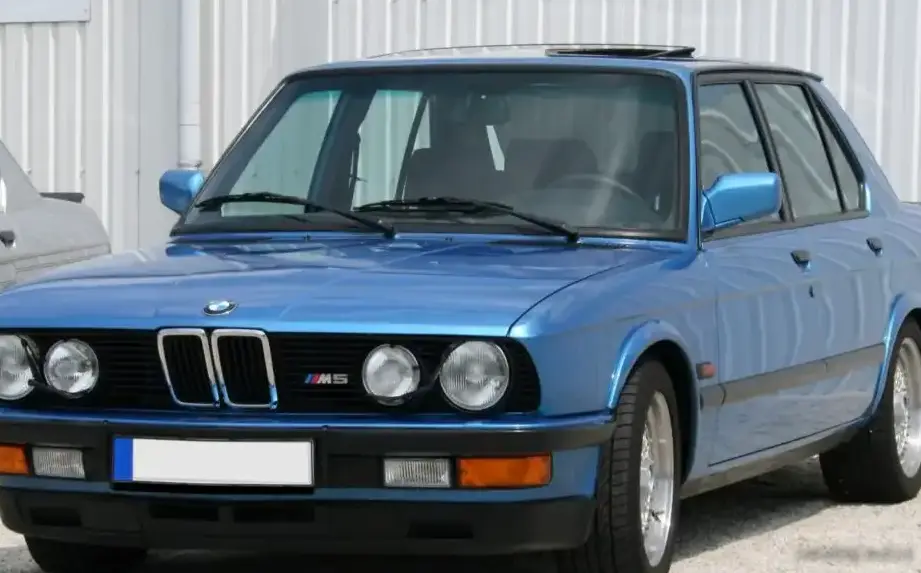
The BMW M5 (E28) 3.5, produced between 1985 and 1987, represents a pivotal moment in the history of high-performance sedans. Derived from the standard 5 Series (E28) chassis, the M5 was BMW’s answer to the growing demand for a vehicle that combined the practicality of a four-door sedan with the performance of a sports car. It was the first official “M” car based on a 5 Series, and it established a formula that continues to define the M5 today. The E28 M5 was initially conceived for homologation purposes for racing, requiring BMW to produce a road-going version to meet Group A touring car regulations. This focus on motorsport DNA is evident throughout the vehicle’s design and engineering.
Technical Specifications
| Brand | BMW |
| Model | M5 |
| Generation | M5 (E28) |
| Type (Engine) | 3.5 (286 Hp) |
| Start of production | 1985 |
| End of production | 1987 |
| Powertrain Architecture | Internal Combustion engine |
| Body type | Sedan |
| Seats | 5 |
| Doors | 4 |
| Fuel consumption (urban) | 16.5 l/100 km (14.3 US mpg, 17.1 UK mpg, 6.1 km/l) |
| Fuel Type | Petrol (Gasoline) |
| Acceleration 0 – 100 km/h | 6.5 sec |
| Acceleration 0 – 62 mph | 6.5 sec |
| Acceleration 0 – 60 mph | 6.2 sec |
| Maximum speed | 245 km/h (152.24 mph) |
| Weight-to-power ratio | 5 kg/Hp, 200 Hp/tonne |
| Weight-to-torque ratio | 4.2 kg/Nm, 237.8 Nm/tonne |
| Power | 286 Hp @ 6500 rpm |
| Power per litre | 82.8 Hp/l |
| Torque | 340 Nm @ 4500 rpm (250.77 lb.-ft. @ 4500 rpm) |
| Engine layout | Front, Longitudinal |
| Engine Model/Code | M88/3 |
| Engine displacement | 3453 cm3 (210.71 cu. in.) |
| Number of cylinders | 6 |
| Engine configuration | Inline |
| Cylinder Bore | 93.4 mm (3.68 in.) |
| Piston Stroke | 84 mm (3.31 in.) |
| Compression ratio | 10.5:1 |
| Number of valves per cylinder | 4 |
| Fuel injection system | Multi-port manifold injection |
| Engine aspiration | Naturally aspirated engine |
| Engine oil capacity | 5.75 l (6.08 US qt | 5.06 UK qt) |
| Coolant | 12 l (12.68 US qt | 10.56 UK qt) |
| Kerb Weight | 1430 kg (3152.61 lbs.) |
| Max. weight | 1900 kg (4188.78 lbs.) |
| Max load | 470 kg (1036.17 lbs.) |
| Trunk (boot) space – minimum | 640 l (22.6 cu. ft.) |
| Fuel tank capacity | 70 l (18.49 US gal | 15.4 UK gal) |
| Max. roof load | 75 kg (165.35 lbs.) |
| Length | 4620 mm (181.89 in.) |
| Width | 1700 mm (66.93 in.) |
| Height | 1400 mm (55.12 in.) |
| Wheelbase | 2625 mm (103.35 in.) |
| Front track | 1430 mm (56.3 in.) |
| Rear (Back) track | 1465 mm (57.68 in.) |
| Minimum turning circle | 11.3 m (37.07 ft.) |
| Drivetrain Architecture | Rear wheel drive |
| Number of gears | 5 gears, manual transmission |
| Front suspension | Double wishbone |
| Rear suspension | Independent coil spring |
| Front brakes | Ventilated discs |
| Rear brakes | Disc |
| Tires size | 195/70 R14 |
| Wheel rims size | 6.5J x 14 |
Powertrain & Engine Architecture
The heart of the E28 M5 is the M88/3 inline-six engine. This 3.5-liter powerplant was derived from the M88 engine used in the BMW M1 supercar, though it was detuned for road use and greater reliability. The M88/3 features a cast iron block and an aluminum cylinder head, equipped with dual overhead camshafts and four valves per cylinder. Bosch Motronic fuel injection and electronic ignition were employed to optimize performance and efficiency. The engine produced 286 horsepower at 6500 rpm and 340 Nm (250.77 lb-ft) of torque at 4500 rpm. The engine’s robust construction and sophisticated technology allowed it to rev freely and deliver a linear powerband. Power is sent to the rear wheels through a five-speed manual transmission, specifically designed to handle the engine’s output. The transmission featured a robust design with close ratios, enhancing the car’s acceleration and responsiveness.
Driving Characteristics
The E28 M5 offered a driving experience that was both exhilarating and refined. The combination of the high-revving inline-six engine and the precise manual transmission resulted in brisk acceleration and engaging performance. The 0-60 mph sprint was dispatched in approximately 6.2 seconds, and the car could reach a top speed of 152.24 mph. The suspension, featuring double wishbones at the front and an independent coil spring setup at the rear, provided excellent handling and stability. The steering was precise and communicative, offering the driver a direct connection to the road. Compared to the standard 5 Series, the M5’s suspension was stiffer and lower, contributing to its more focused handling characteristics. While not as raw or uncompromising as some contemporary sports cars, the E28 M5 struck a compelling balance between performance and everyday usability.
Equipment & Trim Levels
The E28 M5 was relatively well-equipped for its time, though options were available to further enhance the interior and comfort. Standard features included power windows, central locking, and a sunroof. The interior was typically trimmed with sport seats upholstered in either cloth or leather. A three-spoke steering wheel and a comprehensive instrument cluster were also standard. Optional extras included air conditioning, a premium sound system, and metallic paint finishes. The interior design was functional and driver-focused, reflecting the car’s performance-oriented nature. The M5 did not offer a wide range of trim levels; it was positioned as the top-of-the-line 5 Series model, and most examples were equipped with a generous level of standard equipment.
Chassis & Braking
The E28 M5’s chassis was based on the standard 5 Series platform, but it was extensively modified to improve handling and performance. Stiffer springs and dampers, along with larger stabilizer bars, were employed to reduce body roll and enhance cornering stability. The car featured ventilated disc brakes at the front and solid disc brakes at the rear, providing ample stopping power. The braking system was unassisted, requiring a firm pedal effort, but it offered excellent fade resistance. The E28 M5 rode on 14-inch alloy wheels, typically fitted with 195/70 R14 tires. The suspension geometry was carefully tuned to optimize grip and handling balance.
Market Reception & Comparison
The E28 M5 was widely praised by automotive journalists and enthusiasts alike. It was lauded for its exceptional performance, refined handling, and overall driving experience. Critics noted that the M5 offered a unique combination of practicality and performance, making it a compelling alternative to traditional sports cars. Compared to other high-performance sedans of the era, such as the Mercedes-Benz 560 SEC and the Porsche 911, the M5 offered a more balanced and accessible driving experience. Fuel economy was not a strong point, with the M5 consuming approximately 14.3 US mpg in urban driving. However, this was considered acceptable given the car’s performance capabilities.
Legacy
The E28 M5 established the M5 as a benchmark for high-performance sedans. It set the standard for future generations of M5s, and its influence can still be felt today. The M88/3 engine proved to be remarkably durable, and many examples are still running strong after decades of use. The E28 M5 has become a highly sought-after classic car, with values steadily increasing in recent years. Its combination of performance, refinement, and historical significance has cemented its place as a true automotive icon. Finding well-maintained examples can be challenging, and maintenance costs can be significant due to the car’s age and complexity. However, for enthusiasts willing to invest the time and effort, the E28 M5 offers a rewarding and unforgettable driving experience.