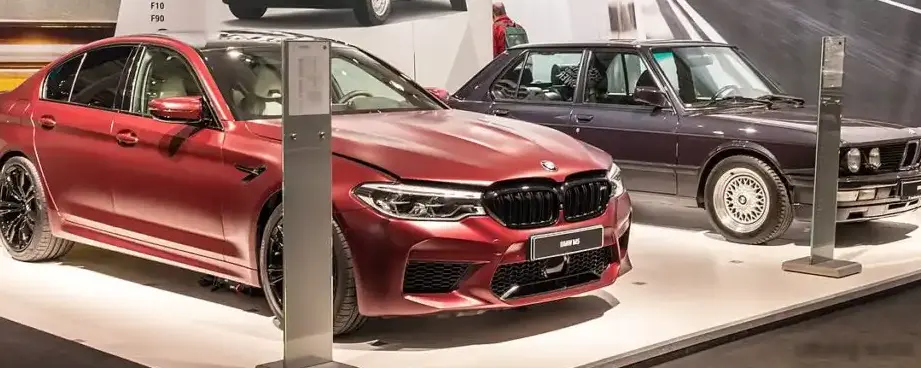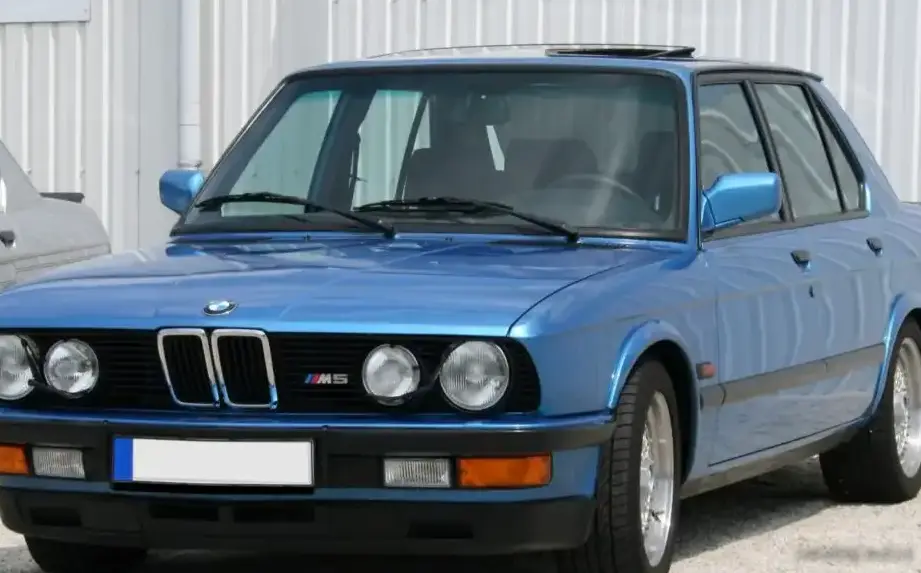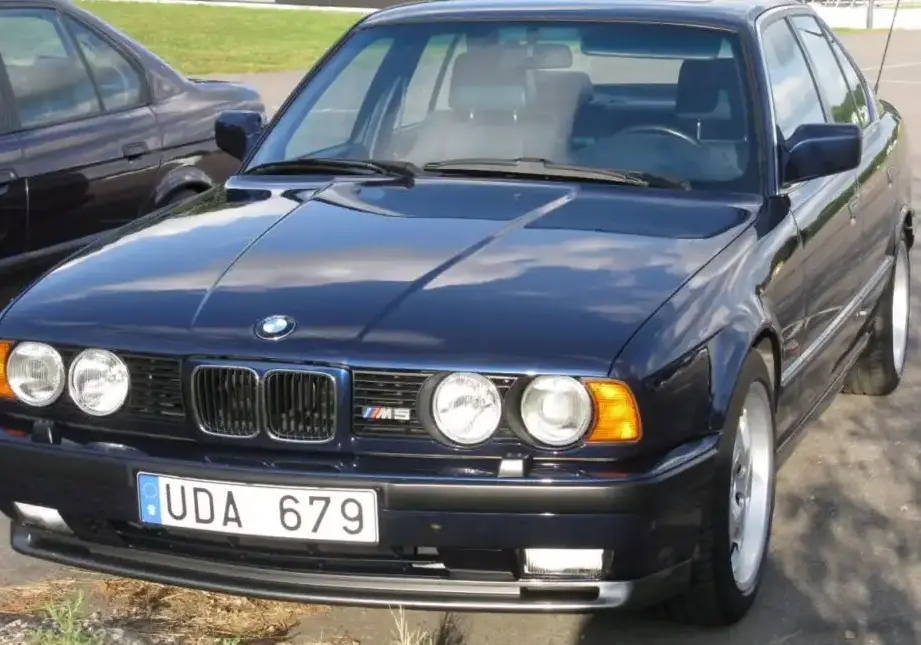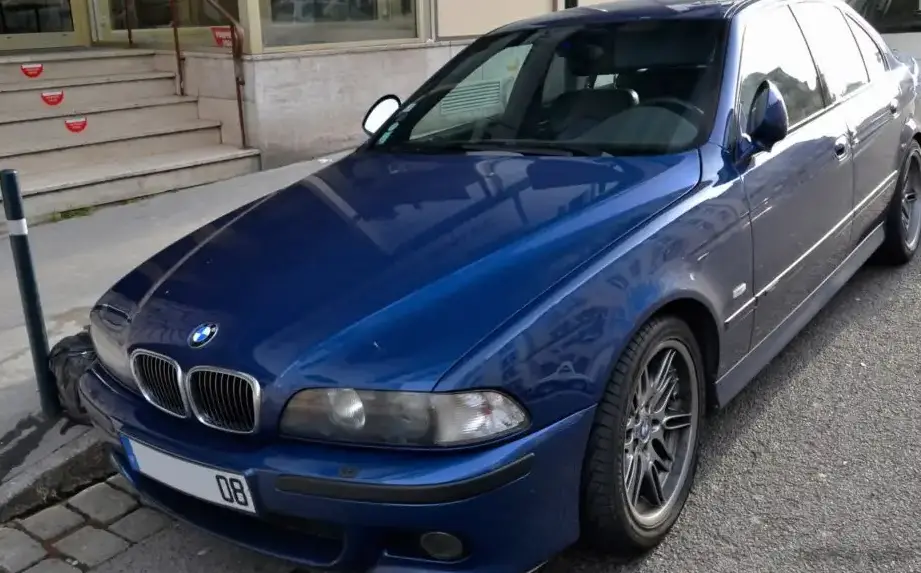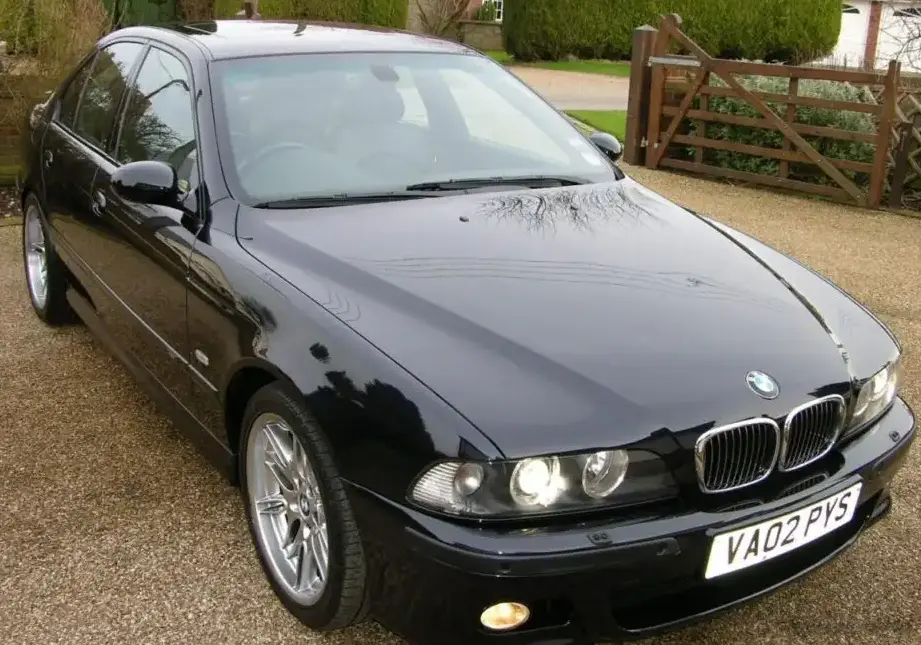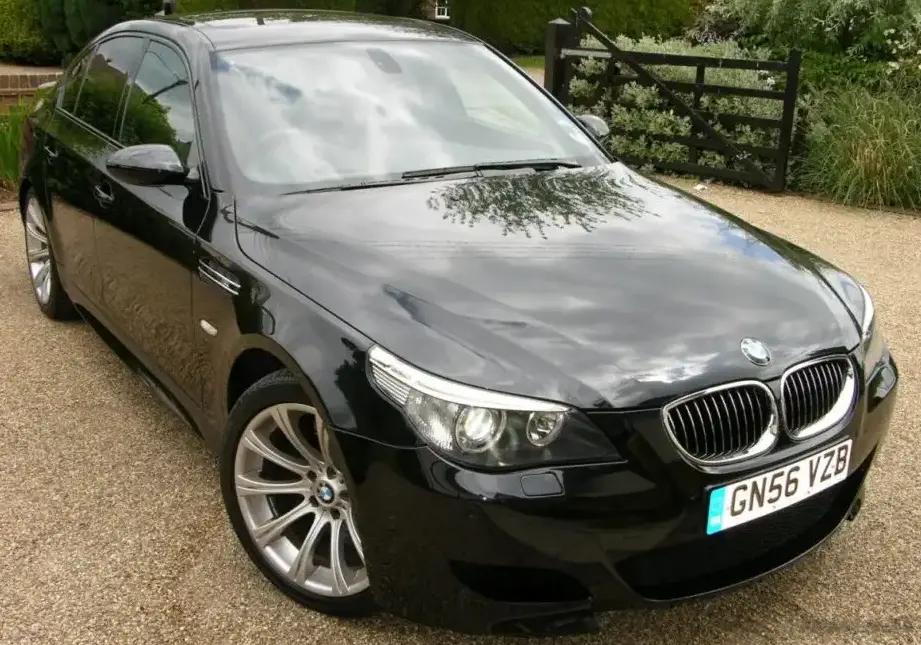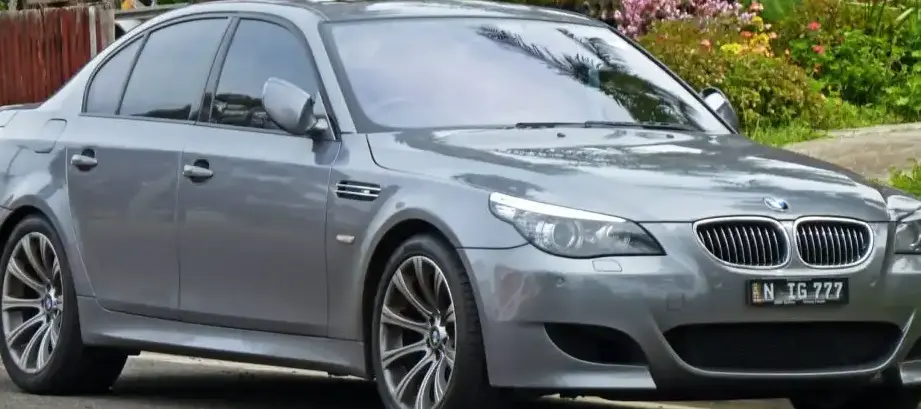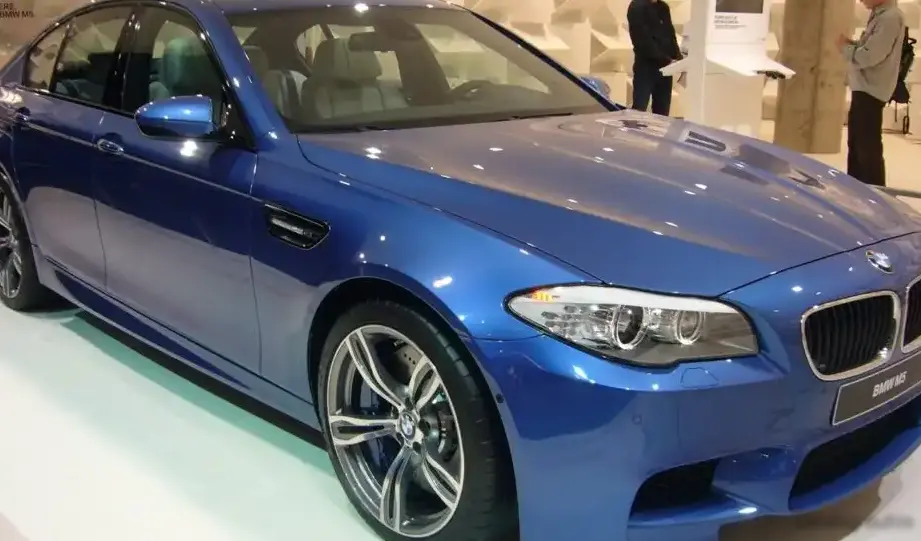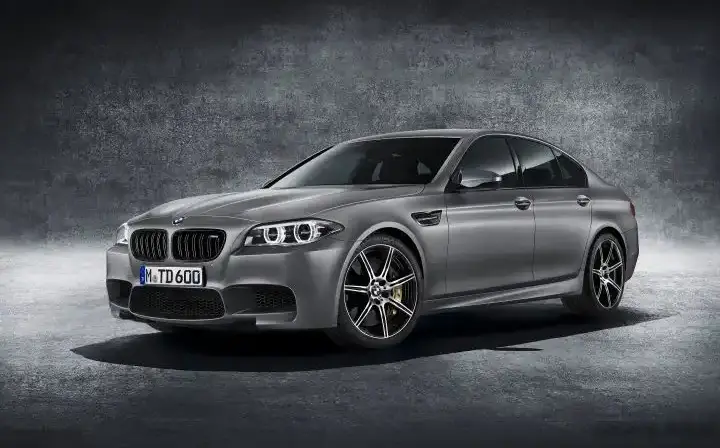
The BMW M5 (F10M LCI), specifically the Competition Package variant with the 4.4-liter V8 engine producing 575 horsepower, represents a significant evolution of the high-performance executive sedan. Introduced in July 2013 as part of the F10 M5’s Life Cycle Impulse (LCI) facelift and continuing through December 2016, this model aimed to bridge the gap between the standard M5 and the more track-focused, limited-production M5 Pure Metal Edition. It slotted into the lineup as the premium performance option, offering increased power and sharper handling compared to the base F10 M5, but without the extreme focus of the Pure Metal Edition. The Competition Package was primarily sold in Europe, North America, and select Asian markets, solidifying the M5’s reputation as a dual-purpose vehicle capable of both luxurious daily driving and exhilarating performance.
Technical Specifications
| Brand | BMW |
| Model | M5 |
| Generation | M5 (F10M LCI, facelift 2013) |
| Type (Engine) | Competition Package 4.4 V8 (575 Hp) |
| Start of production | July, 2013 |
| End of production | December, 2016 |
| Powertrain Architecture | Internal Combustion engine |
| Body type | Sedan |
| Seats | 5 |
| Doors | 4 |
| Fuel consumption (economy) – urban (EPA) | 15.7 l/100 km (15 US mpg, 18 UK mpg, 6.4 km/l) |
| Fuel consumption (economy) – extra urban (EPA) | 10.7 l/100 km (22 US mpg, 26.4 UK mpg, 9.3 km/l) |
| Fuel consumption (economy) – combined (EPA) | 13.8 l/100 km (17 US mpg, 20.5 UK mpg, 7.2 km/l) |
| CO2 emissions (EPA) | 344 g/km |
| Fuel Type | Petrol (Gasoline) |
| Acceleration 0 – 60 mph | 4.2 sec |
| Maximum speed | 250 km/h (155.34 mph), Electronically limited |
| Weight-to-power ratio | 3.4 kg/Hp, 291.1 Hp/tonne |
| Weight-to-torque ratio | 2.9 kg/Nm, 344.3 Nm/tonne |
| Power | 575 Hp @ 6000-7000 rpm |
| Power per litre | 130.8 Hp/l |
| Torque | 680 Nm @ 1500-6000 rpm (501.54 lb.-ft. @ 1500-6000 rpm) |
| Maximum engine speed | 7200 rpm |
| Engine layout | Front, Longitudinal |
| Engine Model/Code | S63B44B |
| Engine displacement | 4395 cm3 (268.2 cu. in.) |
| Number of cylinders | 8 |
| Engine configuration | V-engine |
| Cylinder Bore | 89 mm (3.5 in.) |
| Piston Stroke | 88.3 mm (3.48 in.) |
| Compression ratio | 10:1 |
| Number of valves per cylinder | 4 |
| Fuel injection system | Direct injection |
| Engine aspiration | Twin-power turbo, Intercooler |
| Valvetrain | Double-VANOS, VALVETRONIC |
| Engine oil capacity | 8.4 l (8.88 US qt | 7.39 UK qt) |
| Coolant | 18.5 l (19.55 US qt | 16.28 UK qt) |
| Kerb Weight | 1975 kg (4354.13 lbs.) |
| Max. weight | 2411 kg (5315.35 lbs.) |
| Max load | 436 kg (961.22 lbs.) |
| Trunk (boot) space – minimum | 520 l (18.36 cu. ft.) |
| Fuel tank capacity | 80 l (21.13 US gal | 17.6 UK gal) |
| Max. roof load | 100 kg (220.46 lbs.) |
| Length | 4910 mm (193.31 in.) |
| Width | 1891 mm (74.45 in.) |
| Width including mirrors | 2119 mm (83.43 in.) |
| Height | 1448 mm (57.01 in.) |
| Wheelbase | 2964 mm (116.69 in.) |
| Front track | 1627 mm (64.06 in.) |
| Rear (Back) track | 1582 mm (62.28 in.) |
| Front overhang | 836 mm (32.91 in.) |
| Rear overhang | 1110 mm (43.7 in.) |
| Ride height (ground clearance) | 111 mm (4.37 in.) |
| Drag coefficient (Cd) | 0.33 |
| Minimum turning circle (turning diameter) | 12.4 m (40.68 ft.) |
| Drivetrain Architecture | The Internal combustion engine (ICE) drives the rear wheels of the vehicle. |
| Drive wheel | Rear wheel drive |
| Number of gears and type of gearbox | 6 gears, manual transmission |
| Front suspension | Coil spring, Double wishbone, Transverse stabilizer |
| Rear suspension | Independent multi-link spring suspension with stabilizer |
| Front brakes | Ventilated discs, 400×36 mm |
| Rear brakes | Ventilated discs, 396×24 mm |
| Assisting systems | ABS (Anti-lock braking system) |
| Steering type | Steering rack and pinion |
| Power steering | Hydraulic Steering |
| Tires size | Front wheel tires: 265/40 R19; 265/35 R20Rear wheel tires: 295/35 R19; 295/30 R20 |
| Wheel rims size | Front wheel rims: 9J x 19; 9J x 20Rear wheel rims: 10J x 19; 10J x 20 |
Powertrain & Engine Architecture
At the heart of the M5 Competition Package lies the S63B44B engine, a 4.4-liter twin-turbocharged V8. This engine builds upon the already potent S63B44 found in the standard F10 M5, but with key enhancements. The power increase from 560 hp to 575 hp was achieved through revised engine mapping, increased turbocharger boost, and optimized cooling. The engine utilizes direct fuel injection, Double-VANOS (variable valve timing), and VALVETRONIC (variable valve lift) to optimize combustion efficiency and throttle response. The engine’s layout is front-mounted and longitudinal, contributing to the car’s balanced handling. The 6-speed manual transmission was the only transmission option available for this variant.
Driving Characteristics
The Competition Package significantly altered the driving experience compared to the standard F10 M5. The increased power output, combined with revised suspension tuning, resulted in noticeably sharper handling and quicker acceleration. While the standard M5 was already a capable performer, the Competition Package felt more focused and responsive. The 6-speed manual transmission provided a direct connection to the engine, allowing for precise gear changes and greater driver control. The revised suspension, featuring stiffer springs and dampers, reduced body roll and improved cornering stability. However, this came at the expense of some ride comfort, making the Competition Package less forgiving on rough roads than its standard counterpart.
Equipment & Trim Levels
The M5 Competition Package came standard with a comprehensive list of features, including Merino leather upholstery, heated and ventilated front seats, a premium sound system, and a navigation system. Unique to the Competition Package were specific interior trim options, including carbon fiber accents and Competition-branded badging. Optional extras included a head-up display, adaptive cruise control, and a lane departure warning system. The exterior featured subtle styling enhancements, such as a black kidney grille and side gills, as well as unique alloy wheel designs.
Chassis & Braking
The chassis of the M5 Competition Package benefited from several upgrades. The suspension was retuned with stiffer springs and dampers, and the anti-roll bars were upgraded for increased stability. The braking system consisted of ventilated discs at all four corners, with larger front rotors (400x36mm) compared to the standard M5. ABS (Anti-lock braking system) was standard. The steering system utilized a hydraulic rack and pinion setup, providing precise and responsive steering feel.
Market Reception & Comparison
The M5 Competition Package was generally well-received by automotive critics. Reviewers praised its increased performance, sharper handling, and more focused driving experience. However, some criticized the slightly firmer ride compared to the standard M5. Compared to the base F10 M5, the Competition Package offered a noticeable improvement in performance and handling, justifying its higher price tag for enthusiasts seeking a more engaging driving experience. Compared to the M5 Pure Metal Edition, the Competition Package offered a more balanced blend of performance and luxury, making it a more practical choice for daily driving.
Legacy
The S63B44B engine, as found in the M5 Competition Package, has proven to be a robust and reliable powertrain when properly maintained. While some early examples experienced issues with cooling system components, these were largely addressed through software updates and revised parts. Today, the F10 M5 Competition Package remains a desirable used car, offering a compelling combination of performance, luxury, and practicality. Its status as a modern classic is secure, and well-maintained examples continue to command strong prices in the used car market. The Competition Package solidified the M5’s position as a benchmark for high-performance executive sedans, and its influence can be seen in subsequent generations of the iconic BMW model.