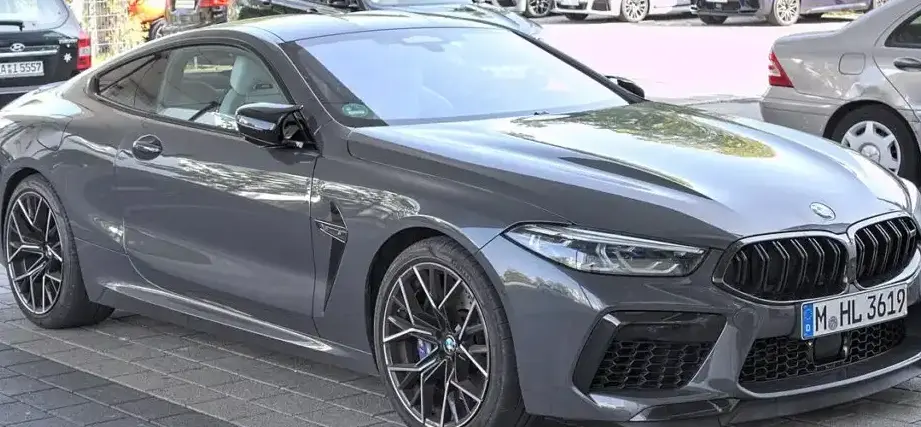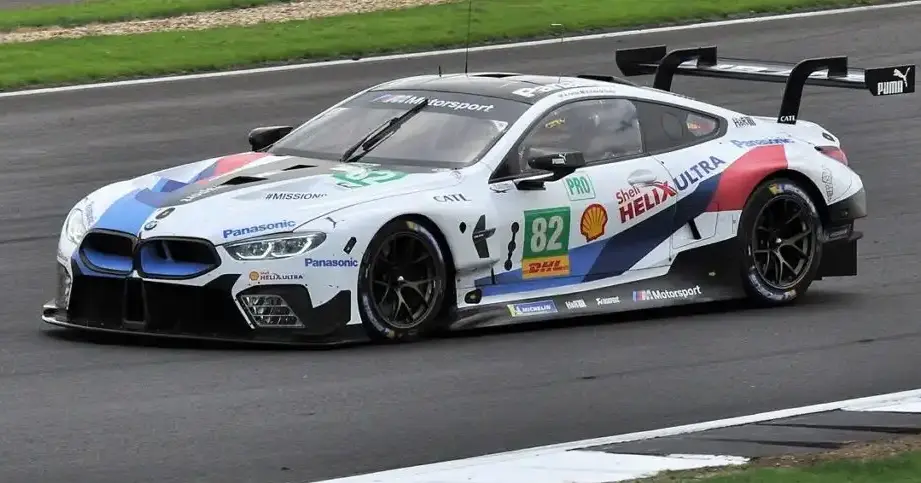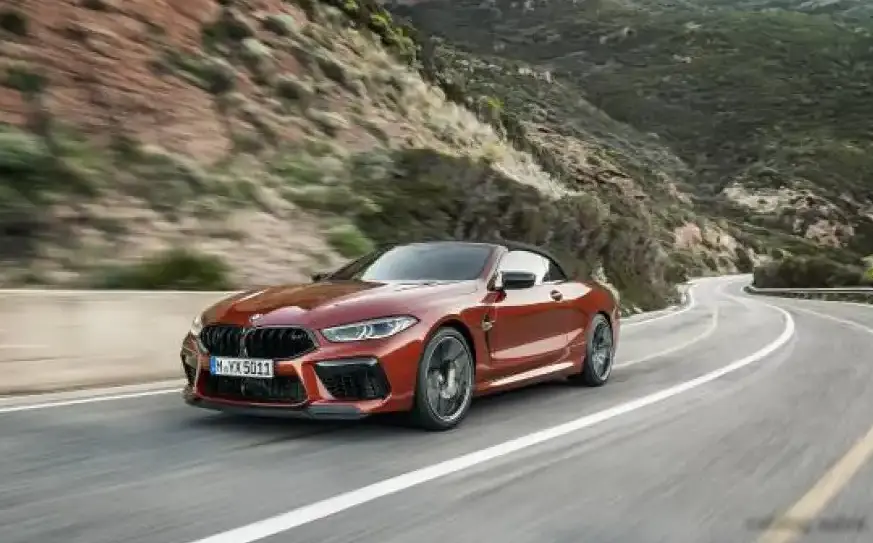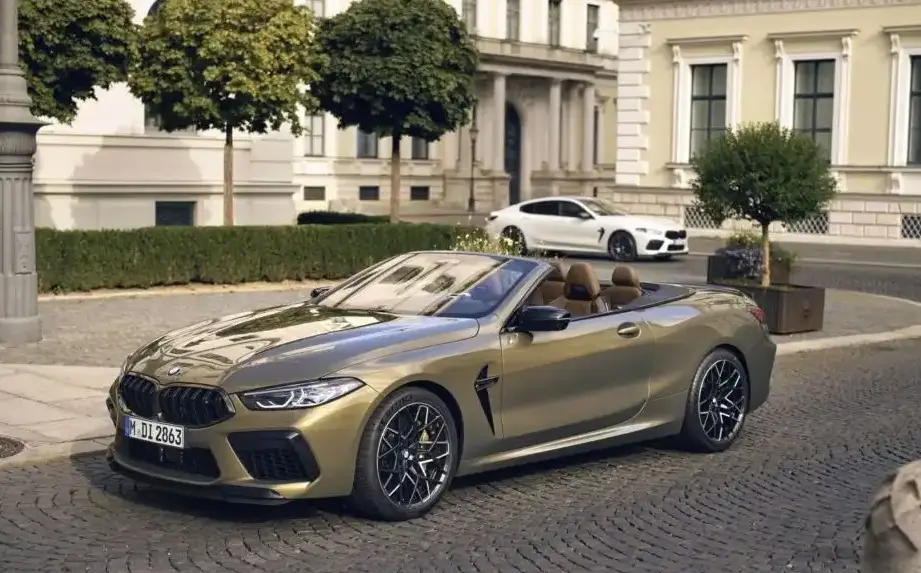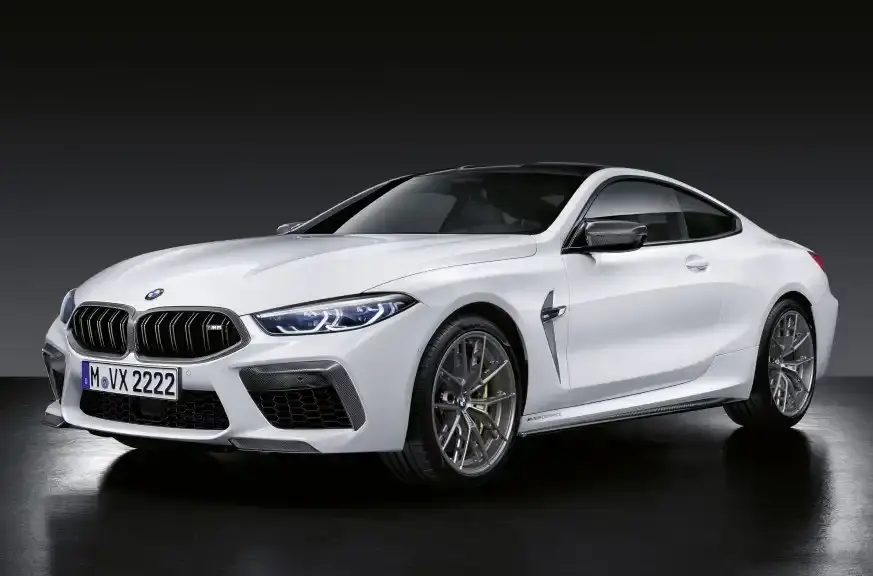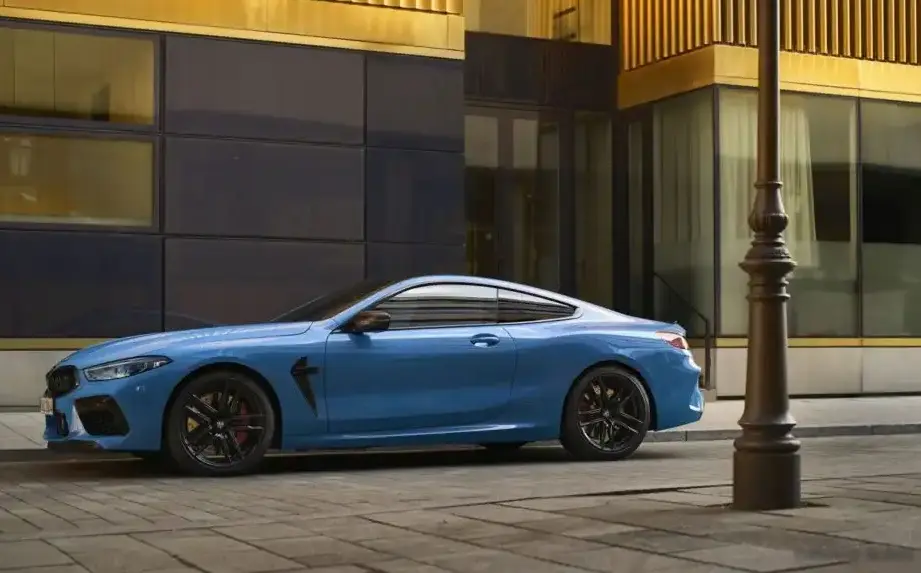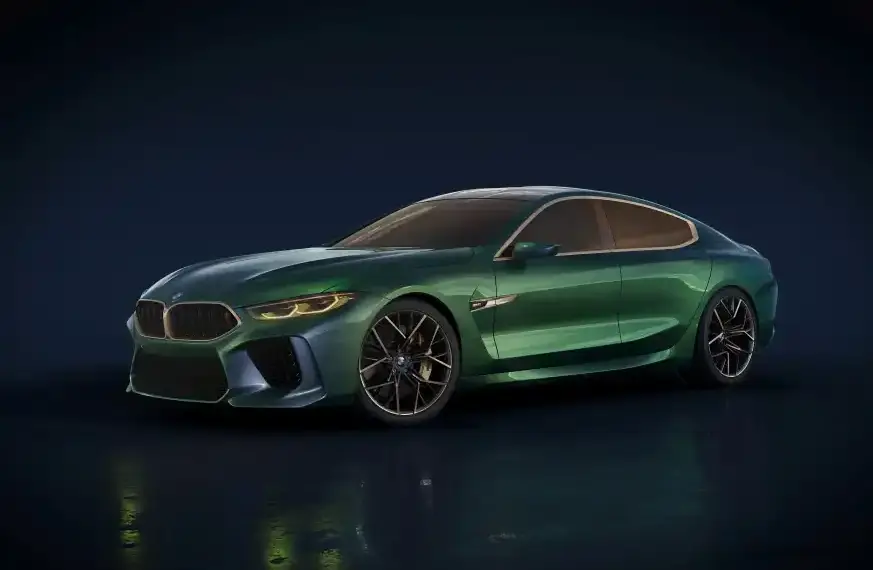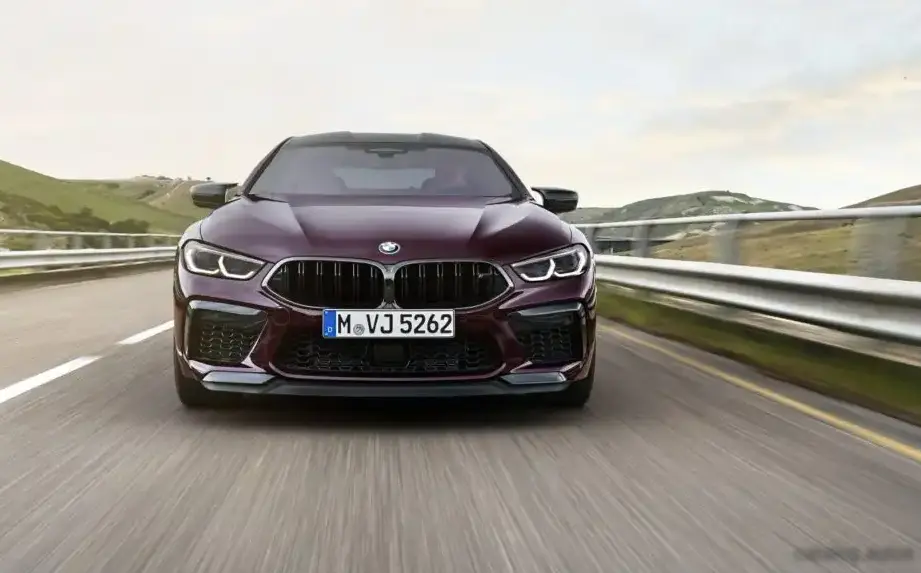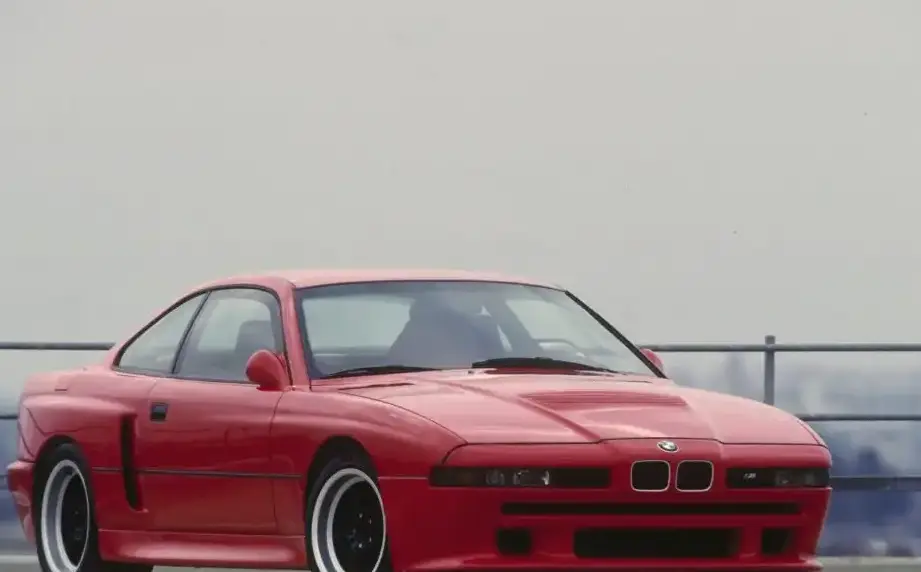
The BMW M8 Coupe Prototype (E31), powered by a 6.0-liter V12 engine producing 640 horsepower, represents a fascinating chapter in BMW’s history. Produced solely in 1992, this vehicle was never officially released for public sale, remaining a one-off prototype intended to explore the upper limits of grand touring performance. It existed within the E31 8 Series lineage, but was a significant departure in terms of power and intended market positioning, aiming to be a direct competitor to exotic supercars of the era. The M8 prototype served as a testbed for technologies and performance capabilities that would later influence other BMW M cars.
Technical Specifications
| Brand | BMW |
| Model | M8 |
| Generation | M8 Coupe Prototype (E31) |
| Type (Engine) | 6.0 V12 (640 Hp) |
| Start of production | 1992 |
| End of production | 1992 |
| Powertrain Architecture | Internal Combustion engine |
| Body type | Coupe |
| Seats | 4 |
| Doors | 2 |
| Fuel consumption (economy) – combined | 10.6 l/100 km |
| Fuel consumption (economy) – combined | 22.2 US mpg |
| Fuel consumption (economy) – combined | 26.6 UK mpg |
| Fuel consumption (economy) – combined | 9.4 km/l |
| CO2 emissions | 242 g/km |
| Fuel Type | Petrol (Gasoline) |
| Weight-to-power ratio | 2.3 kg/Hp |
| Weight-to-power ratio | 443.5 Hp/tonne |
| Weight-to-torque ratio | 2.2 kg/Nm |
| Weight-to-torque ratio | 450.5 Nm/tonne |
| Power | 640 Hp @ 7500 rpm |
| Power per litre | 105.5 Hp/l |
| Torque | 650 Nm @ 5600 rpm |
| Torque | 479.42 lb.-ft. @ 5600 rpm |
| Engine layout | Front, Longitudinal |
| Engine Model/Code | S70/2 |
| Engine displacement | 6064 cm3 |
| Engine displacement | 370.05 cu. in. |
| Number of cylinders | 12 |
| Engine configuration | V-engine |
| Cylinder Bore | 86 mm |
| Cylinder Bore | 3.39 in. |
| Piston Stroke | 87 mm |
| Piston Stroke | 3.43 in. |
| Compression ratio | 11:1 |
| Number of valves per cylinder | 4 |
| Fuel injection system | Multi-port manifold injection |
| Engine aspiration | Naturally aspirated engine |
| Valvetrain | DOHC |
| Kerb Weight | 1443 kg |
| Kerb Weight | 3181.27 lbs |
| Length | 4780 mm |
| Length | 188.19 in. |
| Width | 1855 mm |
| Width | 73.03 in. |
| Height | 1330 mm |
| Height | 52.36 in. |
| Wheelbase | 2684 mm |
| Wheelbase | 105.67 in. |
| Front track | 1554 mm |
| Front track | 61.18 in. |
| Rear (Back) track | 1562 mm |
| Rear (Back) track | 61.5 in. |
| Drivetrain Architecture | The Internal combustion engine (ICE) drives the rear wheels of the vehicle. |
| Drive wheel | Rear wheel drive |
| Number of gears and type of gearbox | 6 gears, manual transmission |
| Front suspension | Double wishbone, Independent, type McPherson with coil spring and anti-roll bar |
| Rear suspension | Wishbone, Transverse stabilizer |
| Front brakes | Ventilated discs, 345 mm |
| Rear brakes | Ventilated discs, 328 mm |
| Steering type | Steering rack and pinion |
| Power steering | Hydraulic Steering |
| Tires size | Front wheel tires: 235/45 R17Rear wheel tires: 285/40 R17 |
| Wheel rims size | Front wheel rims: 8J x 17Rear wheel rims: 9J x 17 |
Powertrain & Engine Architecture
The heart of the M8 prototype was the S70/2 6.0-liter V12 engine. This engine was a significant evolution of the M70 engine found in the standard 850i, but heavily modified for increased performance. Key changes included a larger displacement, revised cylinder heads with optimized porting, higher compression ratio (11:1), and a more aggressive camshaft profile. The engine utilized multi-port fuel injection to deliver precise fuel metering. The valvetrain employed double overhead camshafts (DOHC) with four valves per cylinder, maximizing breathing efficiency. The engine’s longitudinal front-mid engine layout contributed to a balanced weight distribution. Paired with the engine was a 6-speed manual transmission, chosen to handle the immense power and provide a direct connection to the driver. This transmission was a crucial component in delivering the car’s intended performance characteristics.
Driving Characteristics
While only a single prototype existed, reports from those who drove the M8 suggest a truly exhilarating experience. The 640 horsepower and 479 lb-ft of torque delivered brutal acceleration. The manual transmission allowed for precise control, although taming the V12’s power required considerable skill. The car’s weight of approximately 3181 lbs meant the power-to-weight ratio was impressive for its time, resulting in a responsive and engaging driving experience. Compared to the standard 850i, the M8 offered a dramatically different character – far more focused on outright performance than grand touring comfort. It would have significantly outpaced the 850CSi, which was already considered a high-performance variant.
Equipment & Trim Levels
As a prototype, the M8’s interior was functional rather than luxurious. It featured sport seats, a simplified dashboard layout, and minimal extraneous trim. The focus was on providing the driver with the necessary information and control. While specific details regarding interior upholstery and options are scarce, it’s likely the M8 would have been offered with a range of customizable options had it reached production, potentially including leather upholstery, upgraded audio systems, and unique trim pieces. The car was equipped with power steering, but other comfort features were likely minimized to reduce weight.
Chassis & Braking
The M8 prototype utilized a modified version of the E31 8 Series chassis. The suspension featured a double wishbone setup at the front with McPherson struts and coil springs, and a wishbone arrangement at the rear with a transverse stabilizer. This configuration aimed to provide a balance between handling precision and ride comfort. Braking duties were handled by ventilated disc brakes on all four wheels, measuring 345mm at the front and 328mm at the rear. These brakes were necessary to manage the car’s high speeds and provide adequate stopping power. The car rode on 17-inch wheels with 235/45 R17 tires at the front and 285/40 R17 tires at the rear.
Market Reception & Comparison
Due to its prototype status, the M8 never received formal market reception. However, its existence generated significant buzz among automotive enthusiasts. Had it been produced, it would have competed directly with cars like the Porsche 911 Turbo, Lamborghini Diablo, and Ferrari Testarossa. Compared to the 850i and 850CSi, the M8 represented a substantial performance upgrade. The 850i focused on luxury and refinement, while the 850CSi offered a sportier experience but lacked the M8’s raw power. The M8’s fuel economy of 22.2 US mpg was relatively poor, but typical for a high-performance V12 engine of that era.
Legacy
The BMW M8 prototype remains a legendary vehicle within BMW circles. While it never saw production, it demonstrated BMW’s engineering capabilities and its willingness to push the boundaries of performance. The technologies and lessons learned during the M8’s development influenced subsequent M cars, including the M70 engine’s evolution. Today, the single M8 prototype is privately owned and occasionally displayed at automotive events, serving as a reminder of a potential BMW supercar that never was. Its rarity and historical significance ensure its continued desirability among collectors and enthusiasts. The M8’s story highlights the risks and rewards of automotive experimentation, and its legacy continues to inspire BMW’s pursuit of performance excellence.