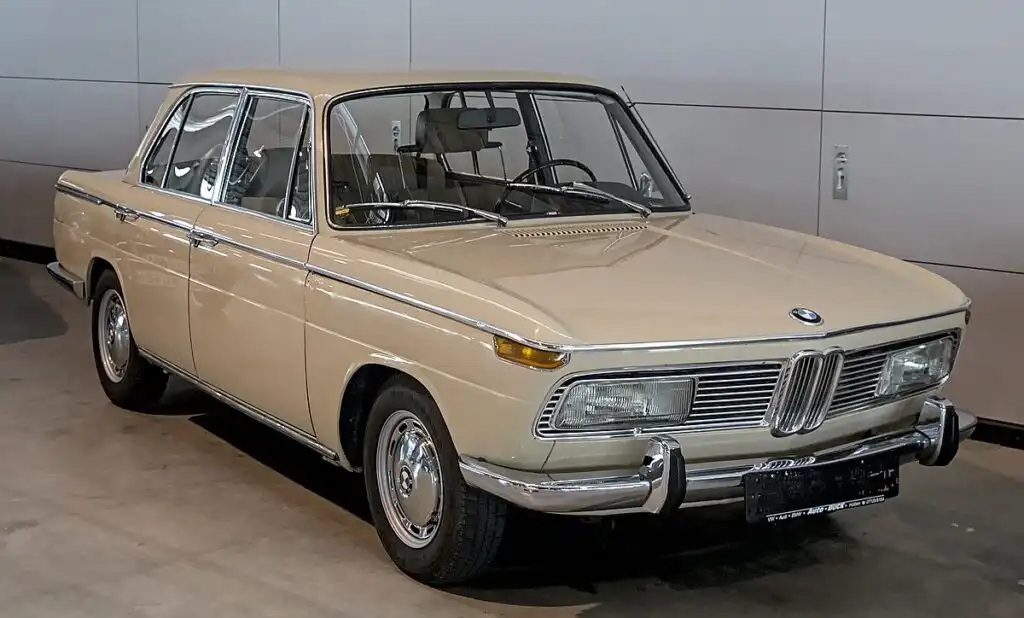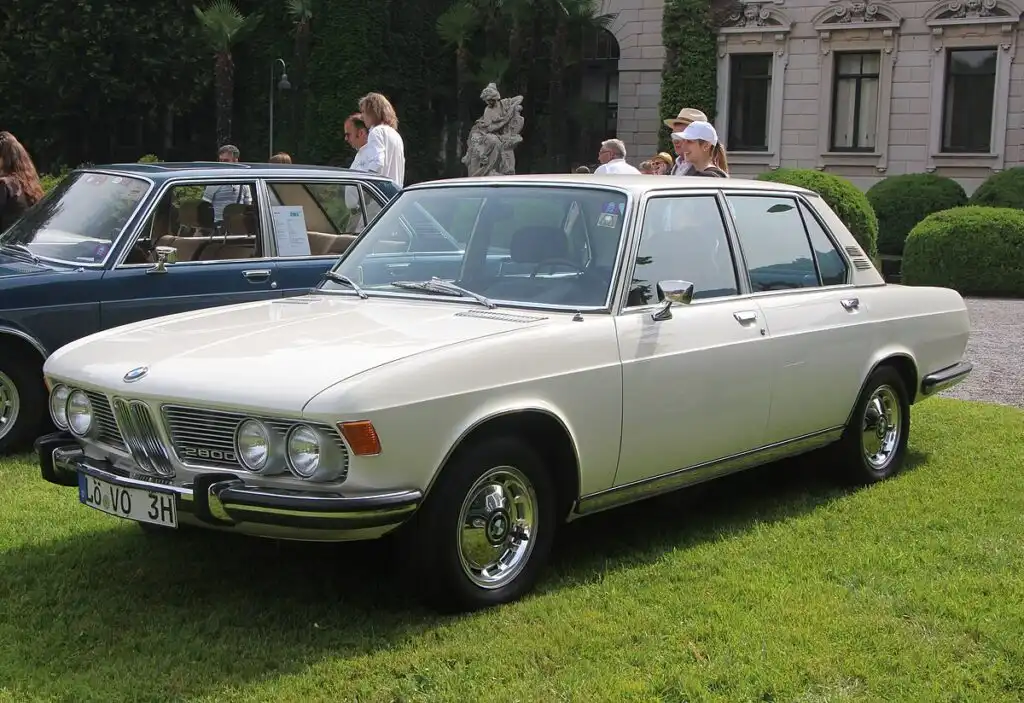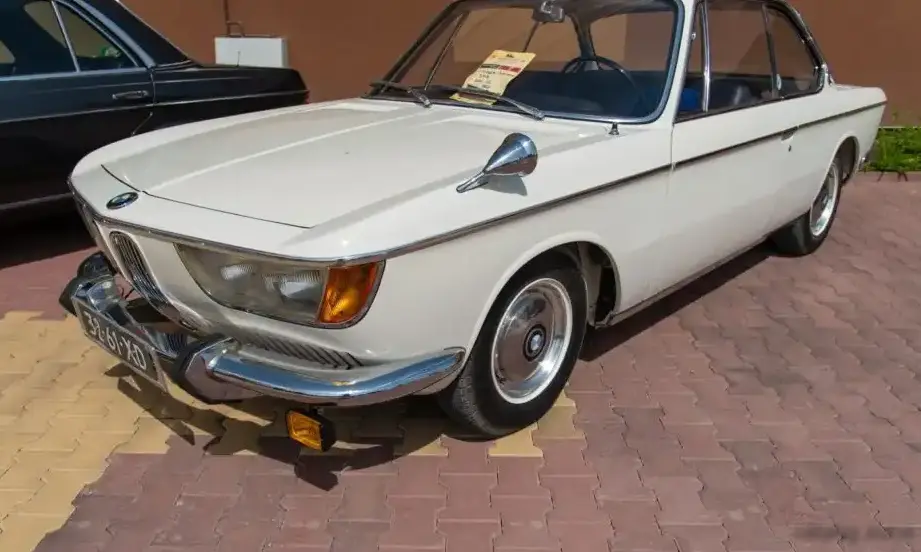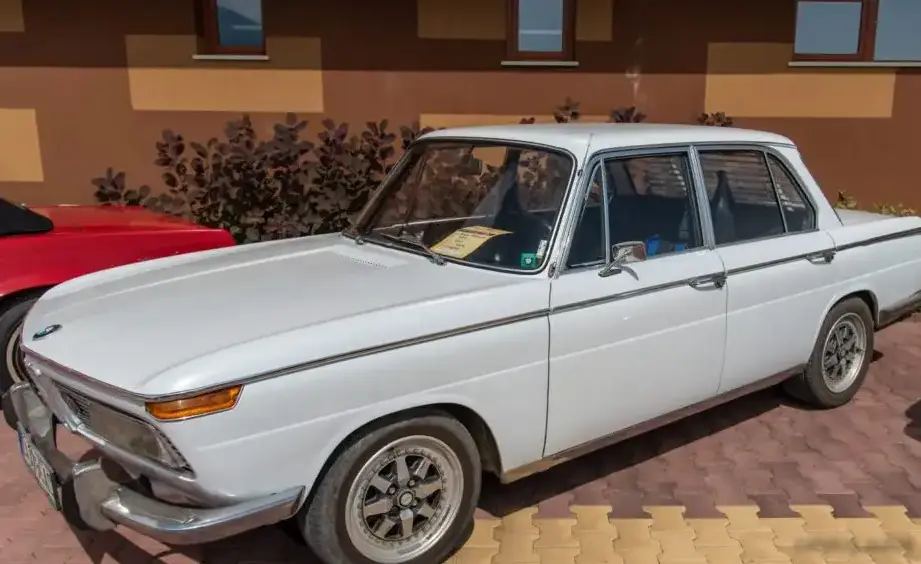
The BMW New Class 1500, producing 80 horsepower, represents a pivotal moment in the Bavarian automaker’s history. Introduced in June 1962 and remaining in production through December 1964, this sedan – designated internally as the 1HX0 – served as the foundation for BMW’s resurgence in the automotive market. It was the entry-level model of the New Class range, designed to offer a blend of practicality, performance, and modern styling that appealed to a broader customer base. The 1500’s success directly paved the way for the more powerful 1600 and 1800 variants, establishing the New Class as a cornerstone of BMW’s identity.
Technical Specifications
| Brand | BMW |
| Model | New Class |
| Generation | New Class |
| Type (Engine) | 1500 (80 Hp) |
| Start of production | June, 1962 |
| End of production | December, 1964 |
| Powertrain Architecture | Internal Combustion engine |
| Body type | Sedan |
| Seats | 5 |
| Doors | 4 |
| Fuel consumption (combined) | 9.9 l/100 km |
| Fuel consumption (US mpg) | 23.8 |
| Fuel consumption (UK mpg) | 28.5 |
| Fuel consumption (km/l) | 10.1 |
| Fuel Type | Petrol (Gasoline) |
| Acceleration 0 – 100 km/h | 16.8 sec |
| Acceleration 0 – 62 mph | 16.8 sec |
| Acceleration 0 – 60 mph | 16 sec |
| Maximum speed | 150 km/h (93.21 mph) |
| Weight-to-power ratio | 13.1 kg/Hp |
| Weight-to-torque ratio | 8.8 kg/Nm |
| Power | 80 Hp @ 5900 rpm |
| Power per litre | 53.4 Hp/l |
| Torque | 120 Nm @ 3000 rpm (88.51 lb.-ft. @ 3000 rpm) |
| Engine layout | Front, Longitudinal |
| Engine Model/Code | M115 |
| Engine displacement | 1499 cm3 (91.47 cu. in.) |
| Number of cylinders | 4 |
| Engine configuration | Inline |
| Cylinder Bore | 82 mm (3.23 in.) |
| Piston Stroke | 71 mm (2.8 in.) |
| Compression ratio | 8.8:1 |
| Number of valves per cylinder | 2 |
| Fuel injection system | Carburettor |
| Engine aspiration | Naturally aspirated |
| Valvetrain | SOHC |
| Engine oil capacity | 4.3 l (4.54 US qt | 3.78 UK qt) |
| Coolant capacity | 7 l (7.4 US qt | 6.16 UK qt) |
| Kerb Weight | 1050 kg (2314.85 lbs.) |
| Max. weight | 1450 kg (3196.7 lbs.) |
| Max load | 400 kg (881.85 lbs.) |
| Trunk (boot) space – minimum | 600 l (21.19 cu. ft.) |
| Fuel tank capacity | 55 l (14.53 US gal | 12.1 UK gal) |
| Length | 4500 mm (177.17 in.) |
| Width | 1710 mm (67.32 in.) |
| Height | 1450 mm (57.09 in.) |
| Wheelbase | 2550 mm (100.39 in.) |
| Drivetrain Architecture | Rear wheel drive |
| Number of gears | 4 gears, manual transmission |
| Front suspension | Independent type McPherson |
| Rear suspension | Independent coil spring, Trailing arm |
| Front brakes | Disc |
| Rear brakes | Drum |
| Steering type | Worm-reduction unit |
Powertrain & Engine Architecture
The heart of the 1500 was the BMW M115 engine, a 1.5-liter (1499 cc) inline-four cylinder unit. This engine featured a single overhead camshaft (SOHC) valvetrain operating two valves per cylinder. Fuel delivery was managed by a Solex 32 PHH carburetor, a common setup for the era. The M115 produced 80 horsepower at 5,900 rpm and 120 Nm (88.5 lb-ft) of torque at 3,000 rpm. The engine’s longitudinal front-engine layout, coupled with rear-wheel drive, was a traditional configuration for European sports sedans of the time. The 1500 was exclusively offered with a four-speed manual transmission, providing a direct connection between the engine and the wheels. This transmission was chosen to maximize the available power and provide a more engaging driving experience, even in the entry-level model.
Driving Characteristics
The 1500’s performance was modest by modern standards, with a 0-60 mph time of around 16 seconds and a top speed of 93 mph. However, it was the driving experience, rather than outright speed, that defined the car. The manual transmission allowed for precise control, and the relatively lightweight construction (1050 kg / 2315 lbs) contributed to a nimble feel. Compared to the later 1600 and 1800 models, the 1500 offered a more economical driving experience, but at the expense of acceleration. The gear ratios were optimized for everyday usability, prioritizing fuel efficiency and smooth cruising over rapid acceleration. While not a sports car in the purest sense, the 1500 provided a satisfying and engaging driving experience for its time.
Equipment & Trim Levels
As the entry-level model, the 1500 was equipped with a relatively basic, but functional, set of features. Standard equipment included cloth upholstery, a simple dashboard layout with basic instrumentation, and manually operated windows. The interior was designed with practicality in mind, offering comfortable seating for five passengers. Optional extras included a sunroof, whitewall tires, and a radio. The trim level was largely consistent across all 1500 models, with limited customization options available. The focus was on providing a well-built and reliable vehicle at an accessible price point.
Chassis & Braking
The 1500 featured an independent front suspension utilizing McPherson struts, a relatively advanced design for the early 1960s. The rear suspension employed a trailing arm setup with coil springs. This suspension configuration provided a good balance between ride comfort and handling. Braking duties were handled by disc brakes at the front and drum brakes at the rear. While the braking system was adequate for the car’s performance, it lacked the stopping power of more modern systems. The steering was a worm-reduction unit, providing a direct, but somewhat heavy, steering feel.
Market Reception & Comparison
The BMW 1500 was well-received by critics and the public alike. It was praised for its modern styling, comfortable interior, and engaging driving experience. Compared to its competitors, such as the Mercedes-Benz W110 “Fintail” and the Opel Rekord, the 1500 offered a more sporty and dynamic driving experience. Fuel economy was reasonable for the time, averaging around 23.8 US mpg. Reliability was generally good, although maintenance costs could be higher than those of some domestic competitors. The 1500’s success helped to establish BMW as a serious contender in the mid-size sedan market.
Legacy
The BMW New Class 1500 is now considered a classic car and a significant piece of automotive history. Its innovative design and engineering laid the foundation for many of the BMW models that followed. The M115 engine, while relatively simple by today’s standards, proved to be a durable and reliable powerplant. Today, well-maintained examples of the 1500 are highly sought after by collectors and enthusiasts. The car’s enduring appeal lies in its combination of classic styling, engaging driving dynamics, and historical significance. While parts availability can be a challenge, the 1500 remains a rewarding and enjoyable classic car to own and drive.