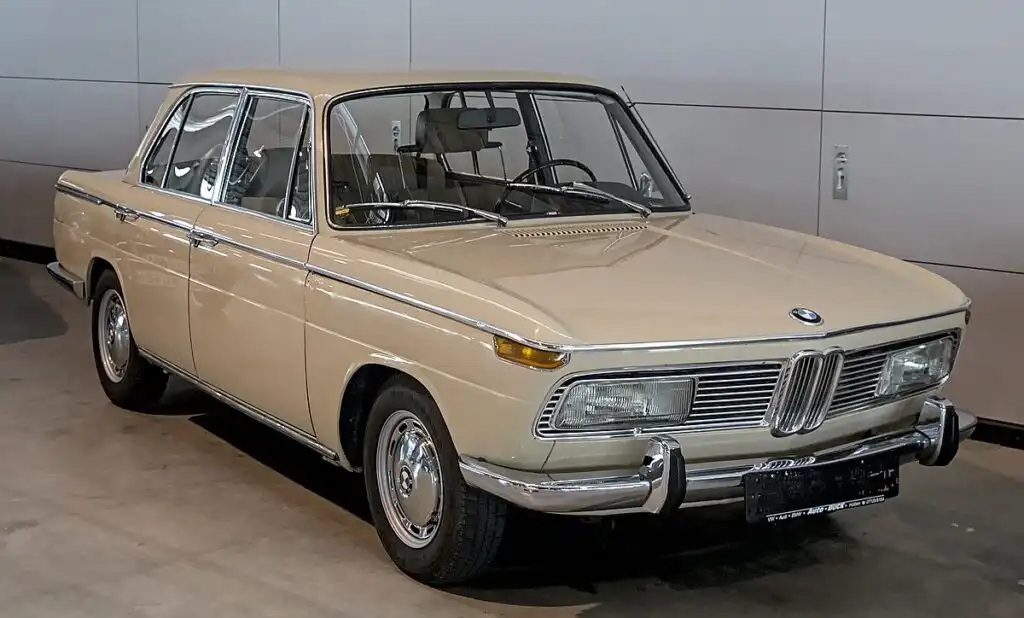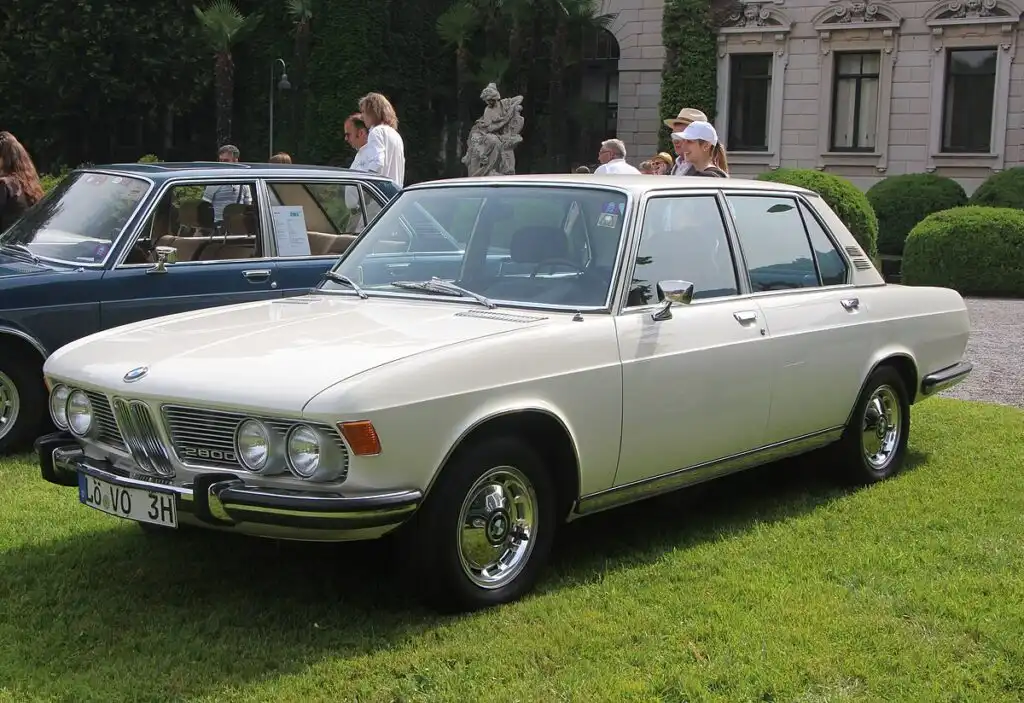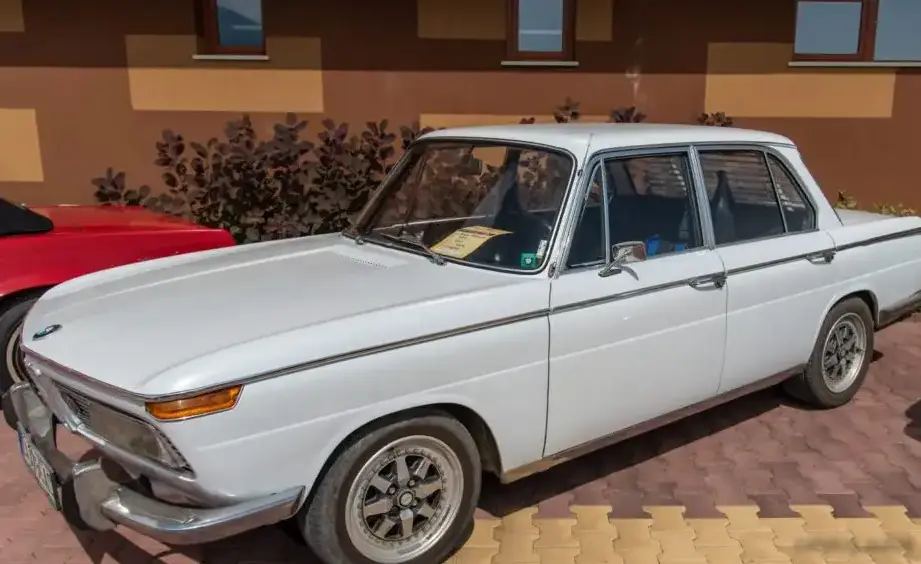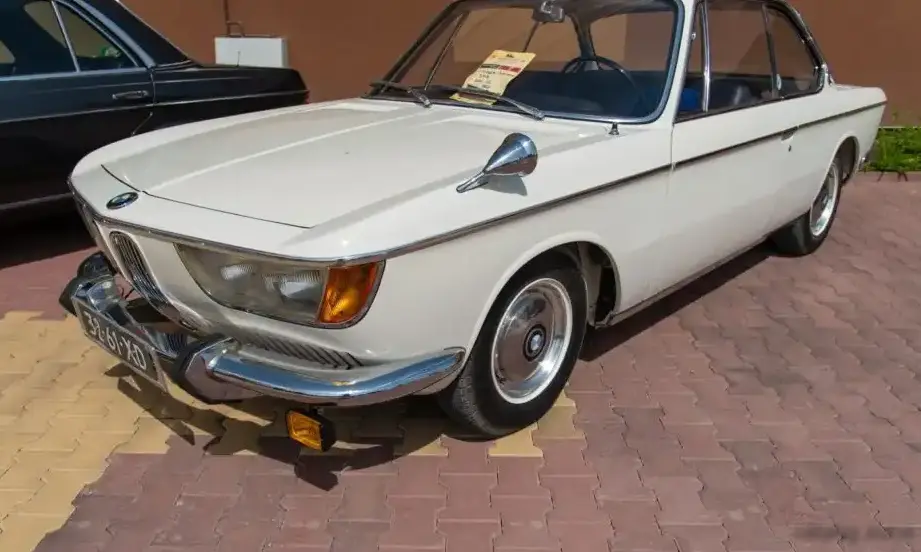
The BMW New Class Coupe 2000 C, equipped with a 100 horsepower engine and automatic transmission, represents a pivotal moment in BMW’s post-war history. Produced between November 1965 and April 1972, this model was a key component of the New Class range (internally designated as the 118/120/130 series), which revitalized the brand and laid the foundation for BMW’s future success. The 2000 C specifically offered a more sporting and luxurious alternative to the standard New Class sedans, appealing to buyers seeking a stylish and comfortable grand tourer. This variant occupied a middle ground within the coupe lineup, positioned below the more powerful 2000 CS and offering a more accessible entry point into the New Class coupe experience.
Technical Specifications
| Brand | BMW |
| Model | New Class |
| Generation | New Class Coupe |
| Type (Engine) | 2000 C (100 Hp) Automatic |
| Start of production | November, 1965 |
| End of production | April, 1972 |
| Powertrain Architecture | Internal Combustion engine |
| Body type | Coupe |
| Seats | 4 |
| Doors | 2 |
| Fuel consumption (combined) | 10.7 l/100 km (22 US mpg, 26.4 UK mpg, 9.3 km/l) |
| Fuel Type | Petrol (Gasoline) |
| Acceleration 0 – 100 km/h | 14.2 sec |
| Acceleration 0 – 62 mph | 14.2 sec |
| Acceleration 0 – 60 mph | 13.5 sec |
| Maximum speed | 172 km/h (106.88 mph) |
| Weight-to-power ratio | 11.8 kg/Hp, 84.7 Hp/tonne |
| Weight-to-torque ratio | 7.5 kg/Nm, 133.1 Nm/tonne |
| Power | 100 Hp @ 5500 rpm |
| Power per litre | 50.3 Hp/l |
| Torque | 157 Nm @ 3000 rpm (115.8 lb.-ft. @ 3000 rpm) |
| Engine layout | Front, Longitudinal |
| Engine Model/Code | M05 |
| Engine displacement | 1990 cm3 (121.44 cu. in.) |
| Number of cylinders | 4 |
| Engine configuration | Inline |
| Cylinder Bore | 89 mm (3.5 in.) |
| Piston Stroke | 80 mm (3.15 in.) |
| Compression ratio | 8.5:1 |
| Number of valves per cylinder | 2 |
| Fuel injection system | Carburettor |
| Engine aspiration | Naturally aspirated engine |
| Valvetrain | SOHC |
| Engine oil capacity | 4.25 l (4.49 US qt | 3.74 UK qt) |
| Coolant | 7 l (7.4 US qt | 6.16 UK qt) |
| Kerb Weight | 1180 kg (2601.45 lbs.) |
| Max. weight | 1580 kg (3483.3 lbs.) |
| Max load | 400 kg (881.85 lbs.) |
| Trunk (boot) space – minimum | 450 l (15.89 cu. ft.) |
| Fuel tank capacity | 53 l (14 US gal | 11.66 UK gal) |
| Length | 4529 mm (178.31 in.) |
| Width | 1675 mm (65.94 in.) |
| Height | 1360 mm (53.54 in.) |
| Wheelbase | 2550 mm (100.39 in.) |
| Front track | 1330 mm (52.36 in.) |
| Rear (Back) track | 1376 mm (54.17 in.) |
| Front overhang | 942 mm (37.09 in.) |
| Rear overhang | 1036 mm (40.79 in.) |
| Ride height (ground clearance) | 140 mm (5.51 in.) |
| Minimum turning circle | 9.8 m (32.15 ft.) |
| Drivetrain Architecture | Rear wheel drive |
| Number of gears and type of gearbox | 3 gears, automatic transmission |
| Front suspension | Spring Strut, Wishbone |
| Rear suspension | Independent coil spring, Trailing arm |
| Front brakes | Disc, 272 mm |
| Rear brakes | Drum, 250 mm |
| Steering type | Steering rack and pinion |
| Power steering | Hydraulic Steering |
| Wheel rims size | 5.5J x 14 |
Powertrain & Engine Architecture
The heart of the 2000 C Automatic is BMW’s M05 engine, a 1,990 cc (121.44 cubic inches) inline-four cylinder unit. This engine, a development of the earlier M10 series, featured a single overhead camshaft (SOHC) valvetrain with two valves per cylinder. Fuel delivery was managed by a Solex 32 PHH carburetor, a common setup for the time. The engine produced 100 horsepower at 5,500 rpm and 157 Nm (115.8 lb-ft) of torque at 3,000 rpm. The engine’s longitudinal front-engine layout and rear-wheel drive configuration were hallmarks of BMW’s engineering philosophy at the time. Paired with the engine was a three-speed automatic transmission, which, while offering convenience, did impact overall performance compared to the available four-speed manual gearbox.
Driving Characteristics
The 2000 C Automatic offered a comfortable and refined driving experience, prioritizing smoothness over outright performance. The automatic transmission, while convenient, resulted in slower acceleration times – approximately 14.2 seconds to 62 mph – compared to the manual versions. The gear ratios were optimized for cruising, making it a capable grand tourer on the Autobahn or American highways. However, the automatic transmission did diminish the driver’s control and responsiveness, particularly during spirited driving. The car’s weight of around 2,600 lbs, combined with the 100 hp output, meant that it wasn’t a particularly quick car by modern standards, but it provided adequate power for comfortable and relaxed motoring.
Equipment & Trim Levels
The 2000 C Automatic came reasonably well-equipped for its era. Standard features included comfortable cloth upholstery, a wood-trimmed dashboard, and a comprehensive instrument cluster. Power-assisted steering was often included, enhancing maneuverability. Optional extras included a sunroof, upgraded audio systems, and leather upholstery. The interior design was typically BMW – functional, well-built, and focused on the driver. The 2000 C aimed for a balance between luxury and sportiness, offering a more refined experience than the base New Class models.
Chassis & Braking
The 2000 C utilized a robust chassis with independent suspension all around. The front suspension employed a MacPherson strut and wishbone setup, while the rear featured an independent coil spring and trailing arm arrangement. This suspension configuration provided a comfortable ride and good handling characteristics. Braking duties were handled by disc brakes at the front and drum brakes at the rear. While adequate for the car’s performance capabilities, the drum brakes on the rear were a limitation compared to the all-disc setups found on higher-performance models. The steering was a rack-and-pinion system, providing precise and responsive control.
Market Reception & Comparison
The 2000 C Automatic was generally well-received by automotive critics. It was praised for its stylish design, comfortable interior, and refined driving experience. However, the automatic transmission was often criticized for detracting from the car’s sporting potential. Compared to the manual transmission versions and the more powerful 2000 CS, the automatic offered a more relaxed and accessible driving experience, appealing to buyers who prioritized comfort and convenience over outright performance. Fuel economy was typical for the era, around 22 US mpg, and reliability was generally good, although maintenance costs could be relatively high due to the car’s sophisticated engineering.
Legacy
The BMW New Class Coupe 2000 C Automatic holds a significant place in BMW’s history. It represented a turning point for the company, demonstrating its ability to produce stylish, well-engineered, and desirable automobiles. Today, these cars are sought after by collectors and enthusiasts. The M05 engine, while not the most powerful, is known for its durability and relatively straightforward maintenance. The automatic transmission, while not favored by purists, adds to the car’s unique character. Well-maintained examples command respectable prices in the used car market, reflecting their historical significance and enduring appeal. The 2000 C Automatic remains a testament to BMW’s commitment to quality, engineering, and driving pleasure.